


Repousse Copper Dish
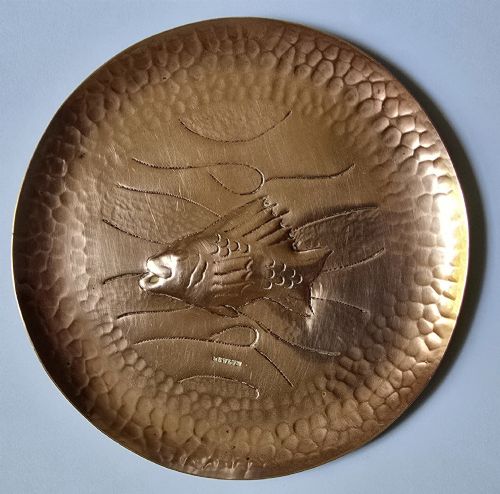
A repousse copper dish brings tactile warmth and deep relief to a room, formed by hammering the metal from behind.
Repousse Copper Dish
When you search for a repousse copper dish, you are looking at domestic metalwork shaped by hand to create raised patterns. These pieces take the form of wall chargers, decorative trays, and round bowls dating from the nineteenth and early twentieth centuries.
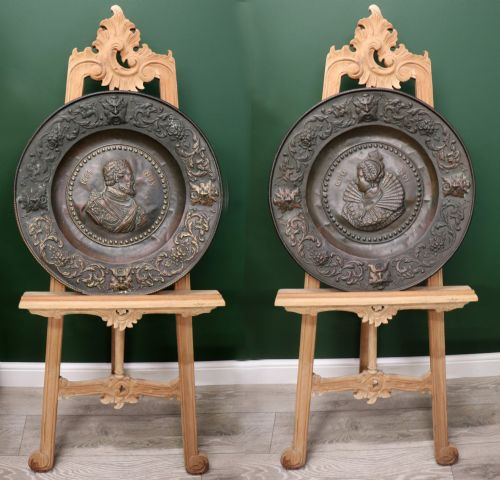
The versions you are most likely to meet on this page belong to the Arts and Crafts movement or reflect Anglo-Indian Raj designs. They range from small visiting card trays to large wall chargers bearing portraits, animals, or botanical motifs.
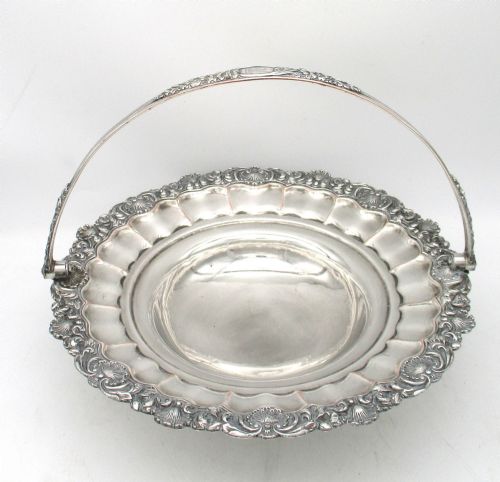
Makers utilised copper, patinated copper, and beaten copper, often combining them with brass or silver plating. Their origins span Cornish workshops, Persian studios, and Indian ateliers from periods such as eighteen eighty up to nineteen twenty.
How they were made
Artisans shaped a repousse copper dish by hammering the reverse side of the metal sheet into a soft pitch bed to raise the design. This technique allowed craftsmen to push out portraits, foliage, and geometric borders in high relief.
Once the primary relief work was complete, makers refined the details from the front using chasing tools to crisp the lines and add texture. Many pieces also feature hand piercing, engraved highlights, or applied patination to deepen the contrast of the metal.
One persistent eighteenth-century household inventory note suggests using stale beer and salt to scour copper, though modern collectors strongly advise against it.
What varies in quality
The standard of a repousse copper dish rests on the crispness and depth of the hammered relief. Stronger examples show confident control of the metal, where the raised motifs maintain structural integrity without thinning the copper sheet.
Design complexity and finishing also separate standard items from finer works. Pieces with carefully chased surface details, balanced compositions, and well-executed borders demonstrate the hand of a skilled workshop rather than mass production.
Newlyn·Faulkner Bronze Company
The Repousse Copper Dish Glossary
- Repousse
- A metalworking technique where the design is hammered into relief from the reverse side. This process creates three-dimensional forms on plates and chargers.
- Chasing
- Working the metal from the front using punches to sink the background and sharpen the raised details. It complements repousse work by defining textures and lines.
- Charger
- A large decorative dish or plate intended for display on a wall or sideboard rather than for dining. They often feature elaborate pictorial or floral motifs.
- Old Sheffield Plate
- A composite material made by fusing a thin layer of silver to a thicker copper base. It was widely used for domestic tableware before electroplating.
- Patinated copper
- Copper that has been chemically treated or aged to alter its surface colour. This finish highlights relief work by darkening recesses.
Repousse Copper Dish: Frequently Asked Questions
How were repousse copper dishes used?
Most large chargers and plaques were designed for display on walls or sideboards to catch the light in a room. Smaller versions functioned as visiting card trays or decorative dishes for domestic settings.
Their substantial metal construction made them durable, though their primary role was decorative rather than utilitarian.
How do I date a copper dish?
Dating relies on stylistic clues such as the flowing organic lines of Art Nouveau or the stylised botanical motifs of the Arts and Crafts period. Material choices, maker stamps, and construction marks also help narrow the decade of production.
Dishes from the nineteenth century often feature heavier gauge metal and hand-chased details that differ from later commercial work.
What is the difference between repousse and engraving?
Repousse involves pushing the metal outward from the back by hammering it into a pliable medium to create raised three-dimensional forms. Engraving cuts lines directly into the metal surface with a sharp tool without displacing the plate depth.
Makers frequently combined both techniques on a single charger to add fine surface detail to the raised elements.