


Copper Wall Hanging
These copper wall hanging pieces bring rich texture and warmth to an interior, spanning trade signs, mirrors, and chargers from the nineteenth and early twentieth centuries.
Copper Wall Hanging
A copper wall hanging encompasses a diverse group of decorative objects designed to be displayed on walls, ranging from large trade signs to ornate chargers and mirrors. When searching for a copper wall hanging, buyers encounter various forms including trade signs, wall chargers, decorative platters, mirrors, lanterns, and small cabinets. These items originate from periods such as the nineteenth century, the Edwardian era, and the Regency period, showcasing styles like Arts and Crafts, Victorian, Gothic Revival, and Egyptian Revival.
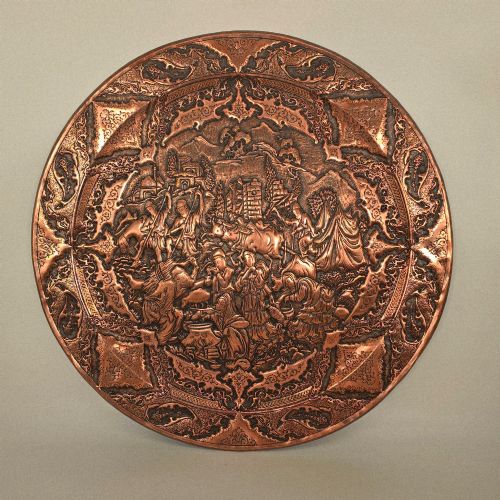
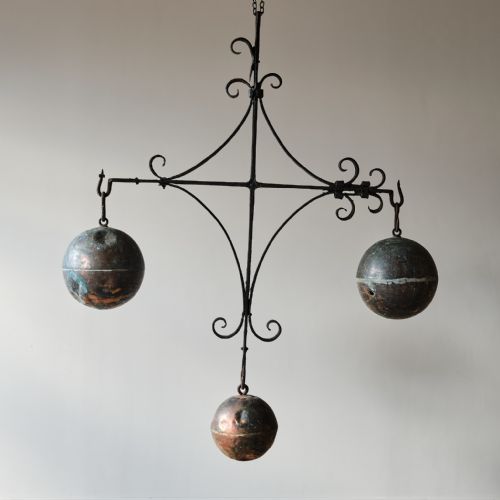
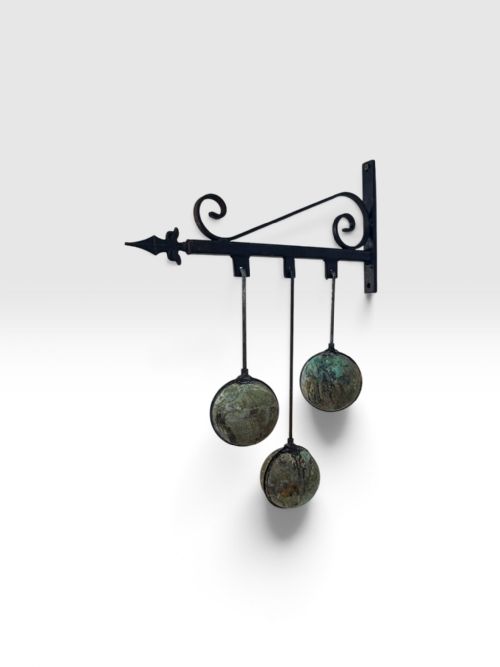
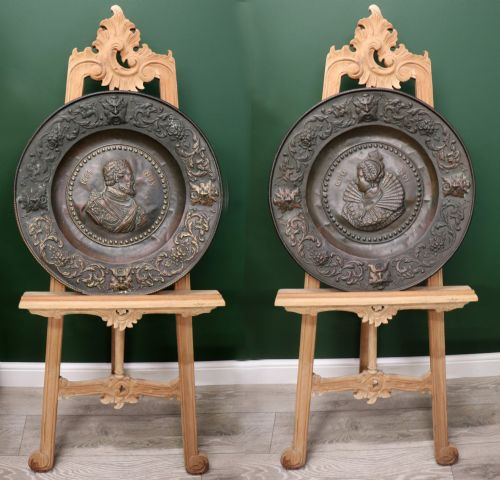
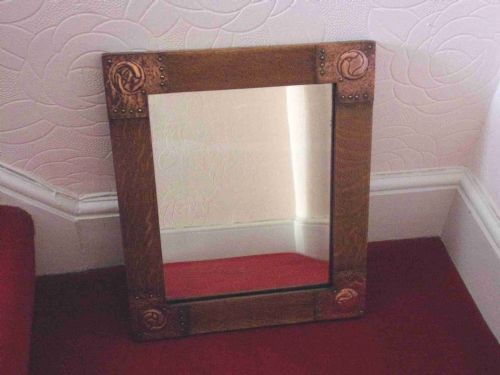
The most common versions met on this page include beaten copper chargers decorated with pomegranates and foliage, repousse work from the Indian Raj period, and framed mirrors with metal details. Trade signs in copper also appear, alongside wall lights and hanging cabinets incorporating brass, oak, and wrought iron elements.
Materials and techniques
Makers shaped these pieces primarily using copper, beaten copper, and repousse work, often combining the metal with oak, mahogany, wrought iron, and brass. Techniques involved hand-beating, engraving, and bronzing the metal surfaces to create low-relief portraits, botanical motifs, and geometric patterns.
Wooden frames in oak and mahogany frequently support metal panels, whilst glass and silver additions appear in mirrors and candle boxes. Construction methods reflect the prevailing standards of nineteenth and early twentieth-century craftsmanship, utilising iron fixings and detailed hammering.
Distinctions in quality
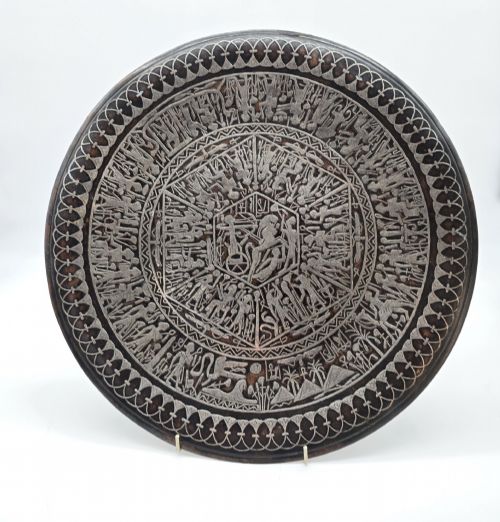
Quality in a copper wall hanging rests upon the depth and precision of the metalwork, distinguishing crisp repousse details and fine hand-beating from shallower, simpler pressings. Superior examples display intricate, well-defined motifs such as foliage, portraits, or Cairo Ware designs that retain their structural integrity and surface character.
The integration of materials also defines the tier of a piece, where solid oak or mahogany frames and robust wrought iron mountings complement the central metalwork rather than feeling secondary. Workshop attribution and stylistic cohesion, particularly within Arts and Crafts or Gothic Revival examples, further elevate the standing of an item.
Faulkner Bronze Company
The Copper Wall Hanging Glossary
- Repousse
- A metalworking technique where the metal is hammered from the reverse side to create a raised design on the front. This method allows artisans to produce complex pictorial reliefs and ornamental borders.
- Charger
- A large decorative plate or platter intended for display on a wall or sideboard rather than for dining use. These often feature elaborate engravings or beaten metal scenes.
- Trade sign
- An exterior or interior hanging indicator used by businesses to advertise their trade, such as pawnbrokers' symbols. These items are typically constructed on a large scale in durable metals.
- Arts and Crafts
- A design movement valuing traditional craftsmanship, natural motifs, and visible hand-working over mass production. Pieces from this style frequently incorporate copper panels with plant or Celtic ornament.
Copper Wall Hanging: Frequently Asked Questions
How were copper wall chargers displayed?
Copper wall chargers were primarily hung on interior walls as decorative focal points in domestic reception rooms or hallways. Their reflective metal surfaces caught the light, adding warmth and visual interest to wood-panelled or wallpapered walls.
Larger chargers and platters often featured integrated hanging loops or were placed within fitted plate rails. In period settings, they functioned alongside mirrors and framed reliefs to create layered decorative displays.
What styles define these copper pieces?
The pieces span several distinct historical styles, notably Arts and Crafts, Gothic Revival, and Victorian Neoclassical. Arts and Crafts examples typically display hand-beaten surfaces with botanical motifs, whilst Gothic Revival versions favour heraldic themes and historical portraits.
Other items draw upon global influences, including Egyptian Cairo Ware and Persian engraved designs. This stylistic variety reflects the eclectic tastes of the nineteenth and early twentieth centuries.
How do I care for antique copper?
Antique copper benefits from minimal intervention to preserve its natural patination and historic surface character. Dusting with a soft, dry cloth prevents the accumulation of particulate matter without disturbing the metal.
Harsh chemical polishes should be avoided, as they strip away the aged tones accumulated over centuries. Storing or hanging pieces away from excessive moisture helps maintain the stability of both the metal and any associated wooden frames.