


Decorative Copper Charger
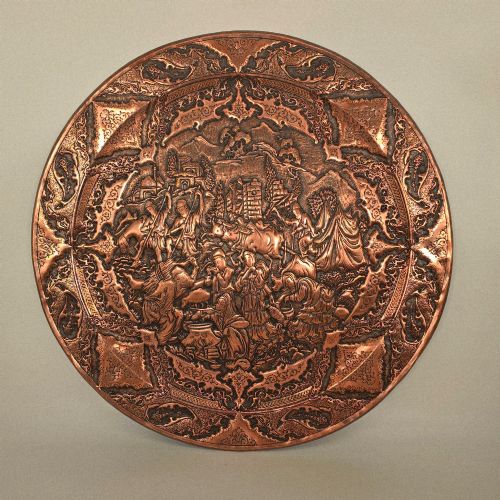
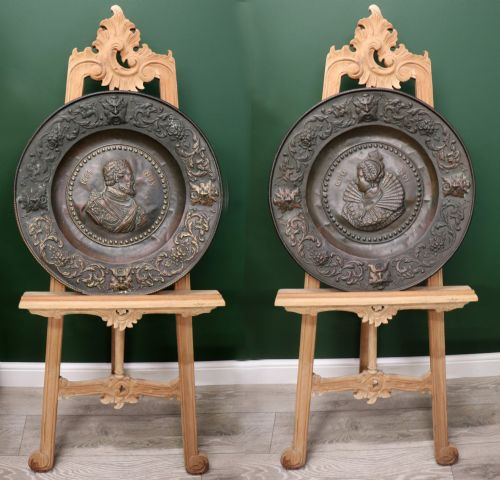
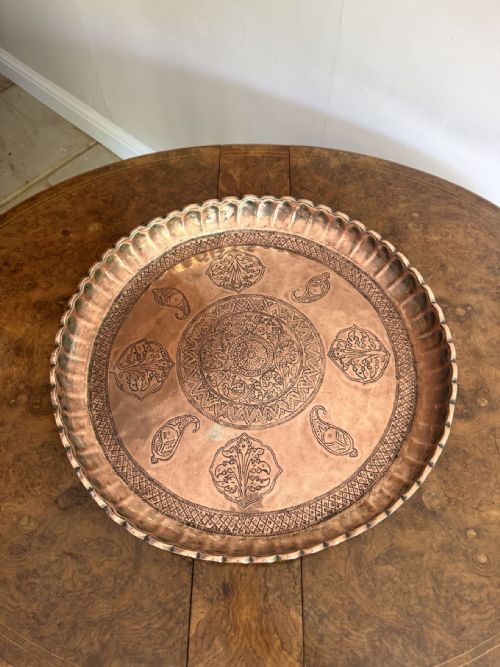
These decorative copper charger plates bring substantial metalwork and intricate surface detail to a wall or table.
Decorative Copper Charger
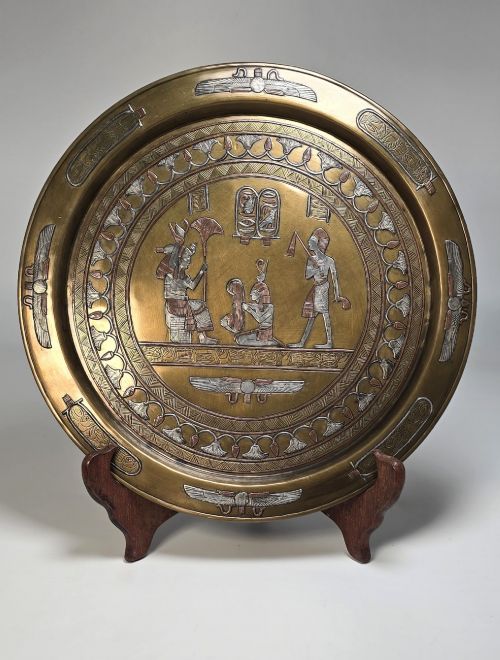
A decorative copper charger is a wide plate or tray intended for display, drawing on traditions from Victorian Britain, Meiji period Japan, Egypt, and the Middle East.
You will most frequently meet Japanese cloisonne enamel chargers alongside British Arts and Crafts beaten copper pieces and Middle Eastern inlaid metalwork.
Forms range from circular wall chargers and square trays to platters with pierced edges or repousse work.
How they were made
The objects are constructed from copper, bronze, and brass, often utilising silver inlay, brass wire, and cloisonne enamel for varied surface textures.
Makers shaped the metal through hammering, repousse work, casting, and hand piercing, applying patinated finishes and engraving.
Listings span the nineteenth century, encompassing Victorian, Meiji, and Egyptian Revival styles executed in copper, brass, and enamel.
What varies in quality
Quality separates through the ambition of the design, such as complex depictions of dragons, koi, and samurai against simpler geometric patterns.
The precision of the metal inlay, the fineness of the cloisonne wirework, and the depth of the repousse relief determine the standing of an individual piece.
Faulkner Bronze Company
The Decorative Copper Charger Glossary
- Cloisonne Enamel
- A technique where thin metal wires are soldered to a base to form compartments that are filled with coloured enamel paste and fired.
- Repousse
- A metalworking method where the material is beaten from the reverse side to form a raised design in relief on the front.
- Cairo Ware
- Metalware originating from Egypt featuring contrasting silver and copper inlay techniques upon a bronze or copper ground.
- Meiji Period
- A Japanese historical era lasting from 1868 to 1912 known for high-precision decorative arts exported globally.
- Gothic Revival
- An architectural and decorative style drawing inspiration from medieval ecclesiastical design seen in European metalwork.
Decorative Copper Charger: Frequently Asked Questions
How do I hang a heavy copper charger on the wall?
These metal chargers require robust wall fixings due to their weight, particularly larger Japanese cloisonne or Indian repousse examples. Use coated wire or spring-tension plate hangers designed for heavy objects to distribute the load evenly across the rim.
Ensure the fixing is anchored directly into a wall stud or uses appropriate masonry plugs. Regular checks of the hanging wire prevent accidental slips.
What is the difference between a charger and a tray?
While both are wide circular or square vessels, chargers are primarily manufactured for visual display on walls or sideboards. Trays generally serve a functional purpose for holding items, though historical examples often blur these distinctions through elaborate decoration.
Pieces with pie crust edges or handles tend toward the tray category, while flat rims suit wall mounting.
How do I clean an antique copper charger?
Dusting with a soft, dry cloth is usually sufficient for maintaining patinated or enamelled surfaces. Avoid aggressive metal polishes that remove the historic dark patina or damage delicate silver inlay and cloisonne work.
Enamel sections require particular care to prevent moisture from seeping beneath wire partitions. Professional advice is recommended if deeper cleaning becomes necessary.
How do I identify a Japanese Meiji period charger?
Japanese pieces from this era frequently feature motifs such as dragons, Ho-o birds, koi, and Mount Fuji executed in vibrant cloisonne enamel or mixed-metal Komai work. Many retain signatures on the reverse or within the design field.
The density of the wirework and the richness of the palette distinguish these nineteenth-century items from later reproductions.