



Antique Indian Plate
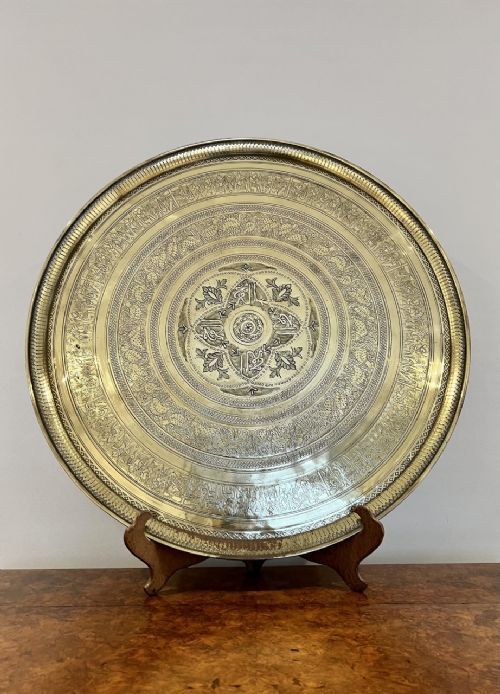
These antique Indian plate pieces and related chargers span the nineteenth and early twentieth centuries, bringing intricate brass, copper, and earthenware forms to any room.
Antique Indian Plate
When you search for an antique Indian plate, you encounter a selection of decorative plates, trays, and wall chargers originating from the nineteenth and early twentieth centuries. These objects reflect various stylistic movements including Anglo-Indian, Indo-Persian, and Victorian Colonial designs.
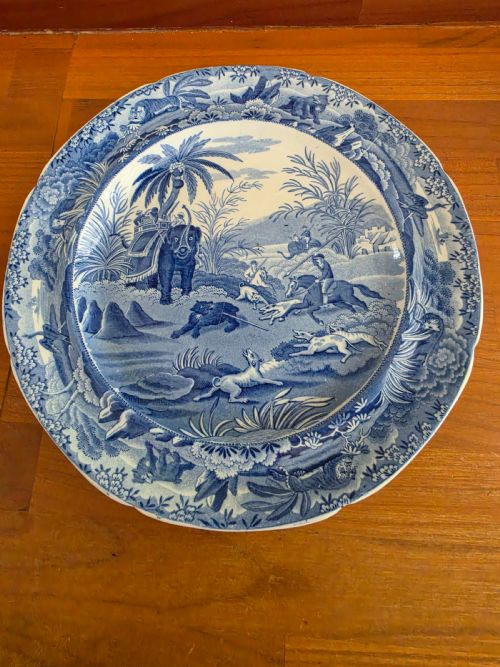
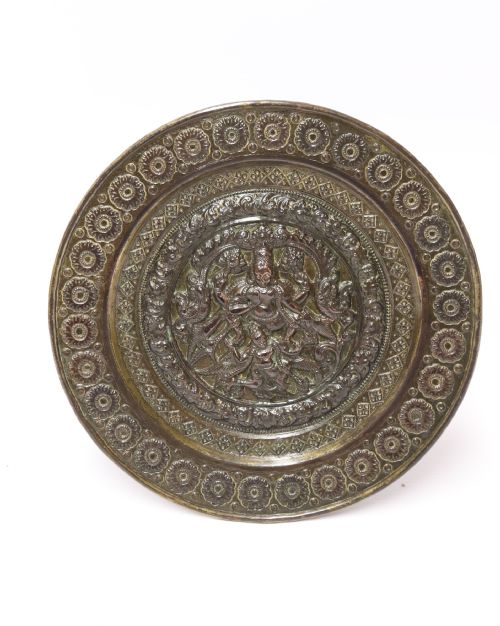
The pieces on this page range from heavy brass and copper chargers featuring repoussé work to earthenware and silver-plated serving dishes. Alongside wall chargers and decorative trays, the selection includes related items such as copper warmer centre pieces and pandan boxes.
You are most likely to meet large circular brass or copper chargers marked by dense surface decoration from the Raj period. Earthenware plates bearing transfer-printed patterns also appear among the offerings.
How they were made
Makers utilised metals such as brass, copper, and mixed metal alloys, shaping them into substantial chargers and trays through hammering and casting. Surface enrichment relied heavily on repoussé techniques, where artisans hammered designs from the reverse to raise motifs in relief.
Engraving and piercing further defined the metalwork, creating detailed patterns across trays and wall plaques. Earthenware examples employed traditional ceramic methods, incorporating blue and white glaze or transfer-printed motifs.
Materials documented in these listings include brass, copper, silver plate, earthenware, and mixed metal.
What varies in quality
The depth and crispness of the repoussé work separate standard vessels from exceptional ones, as skilled metalworkers achieved sharper relief and more complex surface textures. Heavier gauges of brass and copper generally denote superior manufacturing standards.
The integration of mixed metals and the fineness of engraved detailing influence the visual weight of each charger or plaque. Condition of the silver plate or glaze also marks the distinction between well-preserved examples and heavily worn pieces.
The Antique Indian Plate Glossary
- Repoussé
- A metalworking technique where an artisan hammers sheet metal from the reverse side to form raised designs on the front. This method creates tactile, dimensional patterns across copper and brass chargers.
- Charger
- A large decorative plate or platter traditionally utilised for presentation rather than daily dining. These substantial pieces often hang on walls or anchor table settings.
- Anglo-Indian
- A style describing objects made in India during the British period, combining British forms with traditional Indian craftsmanship and motifs. Such pieces bridge two distinct design traditions.
- Pandan box
- A container utilised for holding betel leaf and associated spices for chewing. These lidded boxes often display intricate silver plating or metalwork.
- Transfer printing
- A ceramic decoration method where a design is engraved on a copper plate, inked, and transferred via tissue paper onto ceramic biscuit before glazing. This technique allowed for consistent blue and white patterns on earthenware.
Antique Indian Plate: Frequently Asked Questions
What is an antique Indian plate?
These items encompass decorative metal chargers, brass trays, and earthenware plates produced during the nineteenth and early twentieth centuries. They reflect diverse influences from Anglo-Indian and Victorian Colonial aesthetics.
Many pieces showcase detailed hand-hammered workmanship and regional motifs characteristic of the period of British rule in India.
How were brass chargers used?
Large brass and copper chargers served primarily as decorative presentation pieces, centrepieces, or wall plaques rather than functional tableware. Their substantial weight and intricate surface patterns suited formal domestic displays.
Some smaller dishes functioned as serving vessels or containers for special provisions like betel nuts.
How do I date these metal objects?
Dating relies on stylistic markers, manufacturing techniques, and documentation provided by individual dealers. Nineteenth-century pieces frequently exhibit heavier copper gauges and hand-chased details.
Assessing the wear patterns on silver plating and the specific style of the repoussé work helps narrow down the production era.
How do I care for antique metalwork?
Maintain brass and copper pieces by dusting them gently with a soft cloth and avoiding harsh chemical polishes that strip away age patinas. Keep them in stable indoor environments away from excessive moisture.
Earthenware plates require careful handling to protect the glaze and prevent chipping along the rim.