






Antique Copper Platter
An antique copper platter brings warmth and hand-worked character to a room, offering tactile metal surfaces shaped over a century ago.
Antique Copper Platter
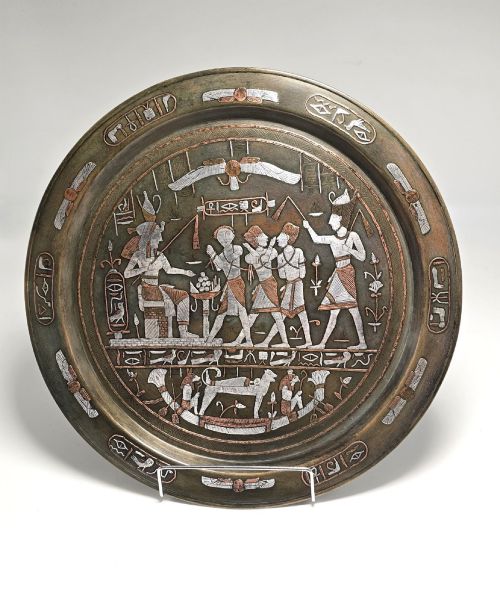
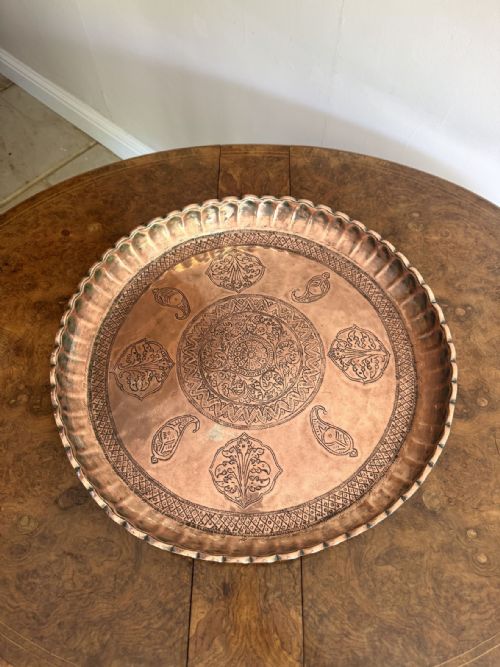
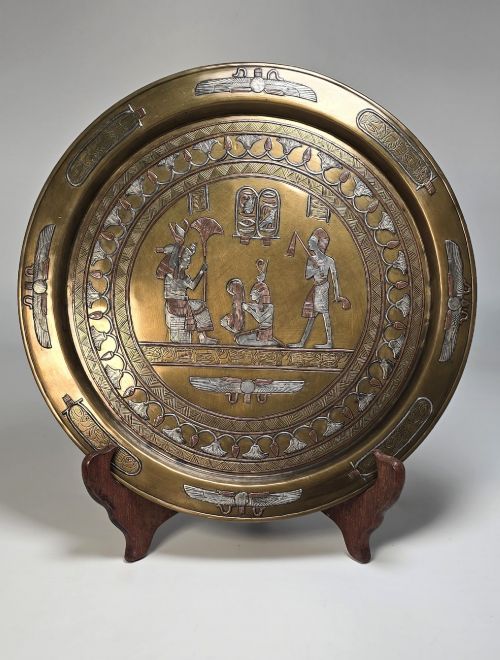
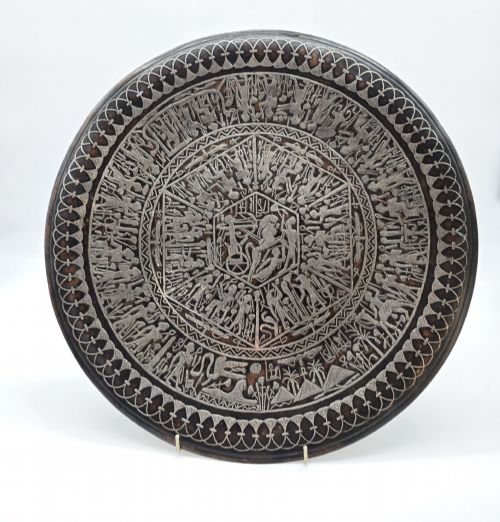
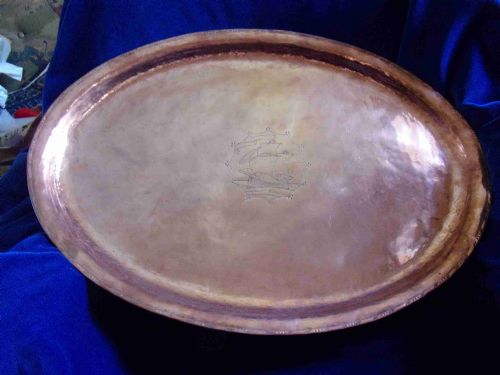
An antique copper platter encompasses decorative chargers, serving platters, and circular or oval dishes forged primarily around the late nineteenth and early twentieth centuries. These vessels emerge from design movements including Arts and Crafts, Art Nouveau, and Neoclassical styles, alongside regional traditions from Persia and the Indian Raj period. Buyers encounter everything from plain polished serving pieces to heavily worked display chargers adorned with elaborate motifs.
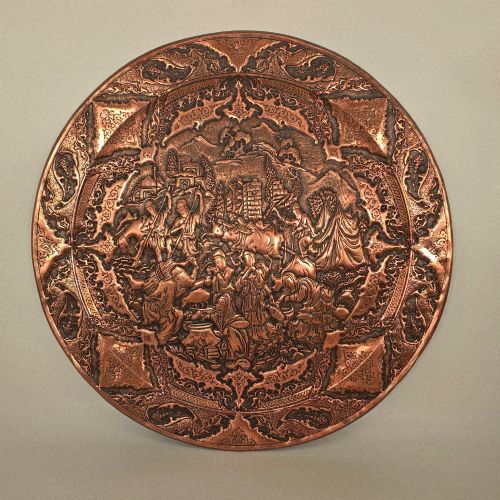
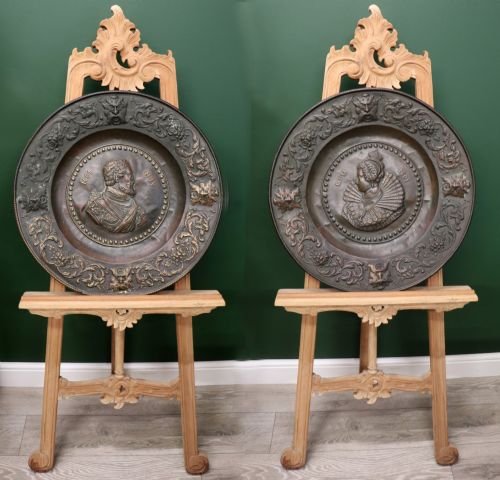
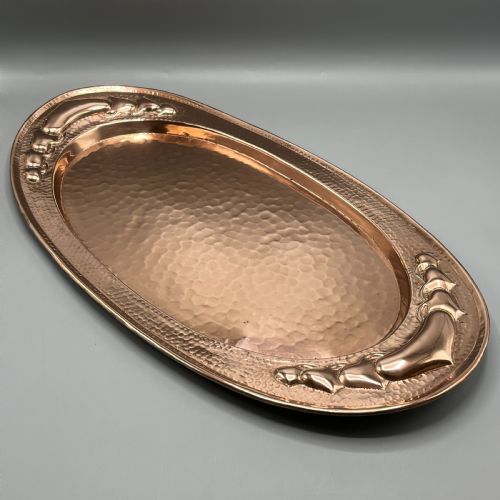
The most common examples on this page date from the decades surrounding nineteen hundred, reflecting the widespread popularity of metalwork during the Arts and Crafts era. These pieces often feature beaten or repoussé surfaces that showcase the hand of the maker through visible hammer marks and textural depth. Forms range from large decorative chargers designed for wall display to smaller oval and circular serving trays.
How they were made
Makers shaped these objects using sheets of copper, occasionally incorporating brass elements or patinated finishes to alter the surface colour. Working primarily by hand, artisans utilised hammers and punches to raise decorative reliefs from the reverse side in a technique known as repoussé. This process required careful control of the metal thickness to achieve both structural rigidity and fine sculptural detail.
Surface decoration frequently involved chasing, engraving, and beating to create intricate patterns of foliage, pomegranates, and figurative scenes. The resulting pieces retain the distinct tool marks of the workshop, distinguishing hand-formed metalwork from later machine-pressed equivalents.
Antique Copper Platter Retail Price Guide 2026
Typical asking prices for copper platter among the pieces listed under this phrase on Sellingantiques today, from the lower quarter to the upper quarter. They describe what is for sale here now, not the wider market.
Diana the Huntress occasionally makes an unexpected appearance amongst the pomegranates and foliage, keeping guard over the pantry.
What varies in quality
Quality in these pieces rests upon the depth and precision of the hand-worked decoration, separating mass-produced items from superior workshop output. Skilled execution in repoussé and engraving creates crisp, well-defined motifs with a strong sense of three-dimensional form rather than shallow, indistinct stamping.
The choice of material weight and the integrity of the patination also dictate the standing of a piece. Substantial gauge copper resists distortion better and provides a more satisfying tactile weight, while thoughtful surface finishing enhances the natural warmth of the metal.
Hugh Wallis·Faulkner Bronze Company
The Antique Copper Platter Glossary
- Repoussé
- A metalworking technique where the artisan hammers the design from the reverse side to raise a relief on the front. This method allows for expressive, sculptural surface decoration.
- Charger
- A large decorative plate or platter traditionally used for display rather than everyday dining. These prominent pieces often feature elaborate border work and central motifs.
- Patinated Copper
- Metal that has developed a controlled surface coloration or chemical finish over time. This treatment deepens the visual tone and highlights the texture of the work.
- Arts and Crafts
- A design movement spanning the late nineteenth and early twentieth centuries that valued hand craftsmanship and traditional materials. Objects from this period emphasise visible maker marks and naturalistic ornament.
Antique Copper Platter: Frequently Asked Questions
How were antique copper platters used?
These vessels served both practical dining functions and decorative display roles within Victorian and Edwardian homes. Larger chargers were frequently hung on walls or mounted on sideboard stands to showcase intricate metalwork.
Smaller examples functioned as serving platters for food or as presentation trays for formal occasions. Their reflective surfaces added warmth and brightness to dimly lit Victorian interiors.
How do I clean antique copper?
Cleaning requires a gentle approach to preserve the historic surface and any intentional patination developed over decades. Harsh abrasive polishes strip away the character and soften the crisp hand-worked details.
Many collectors prefer to leave the natural oxidation undisturbed, simply dusting the surface with a soft dry cloth. If polishing is necessary, use a mild, non-abrasive metal cleaner specifically formulated for antiques.
Where were Persian and Anglo-Indian chargers made?
Middle Eastern and South Asian workshops produced heavy copper chargers for both local markets and export during the late nineteenth century. These items frequently display dense engraved ornamentation and distinctive regional motifs.
British officers and merchants frequently brought these pieces back during the Raj period, embedding them within domestic interior decoration styles of the era. Their deep relief work and distinct alloy composition separate them from contemporary British workshop production.