21,340  PAGES BROWSED TODAY PAGES TODAY 14 ANTIQUES UPLOADED TODAYNEW ARRIVALS
14 ITEMS ADDED TODAY
Sort Order
Items Per Page
Browse Categories
Sort order
Relevant Links
Items per page
ID #SA1204903
FOR SALE
£2,000
Email
Save
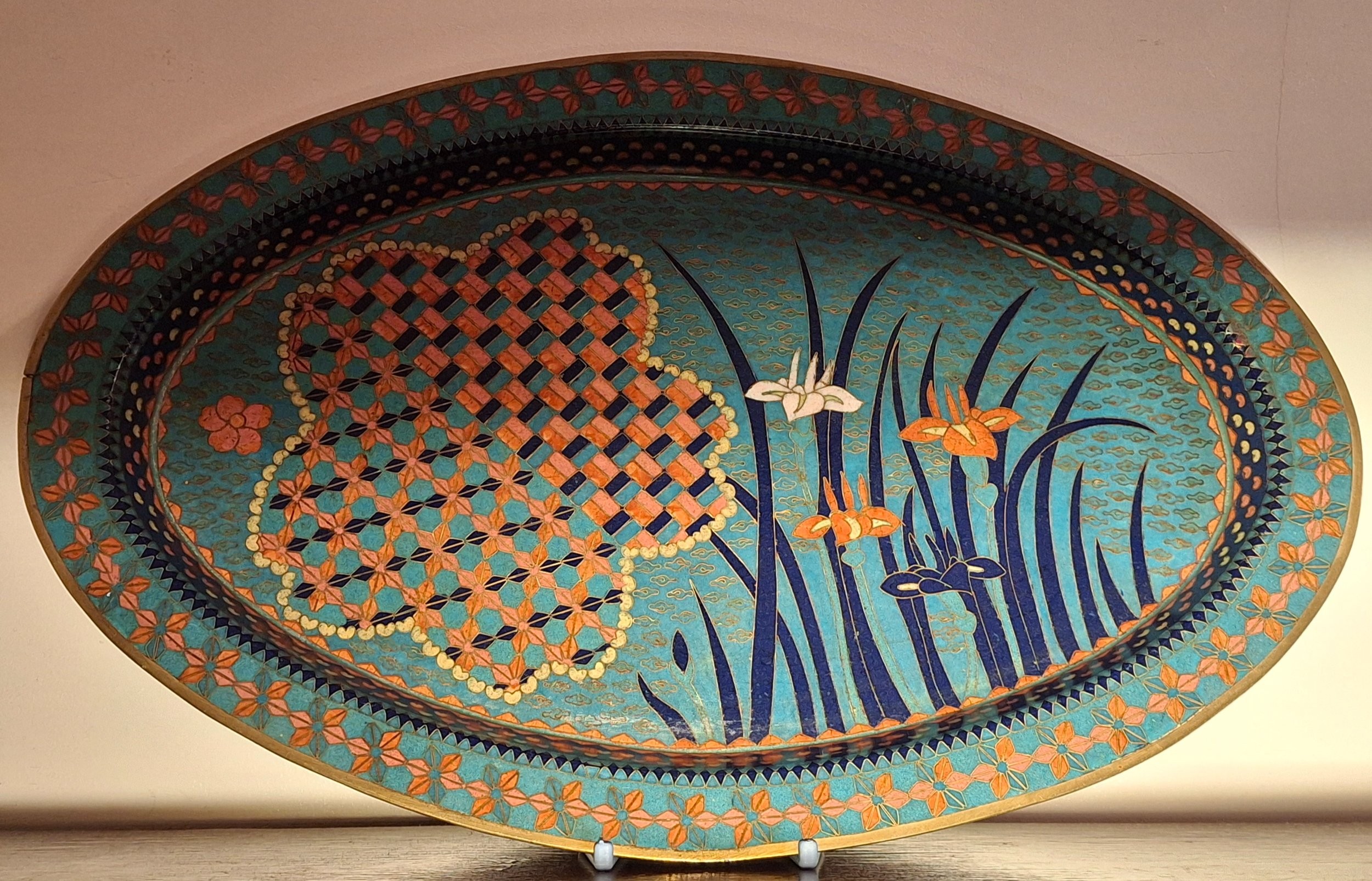
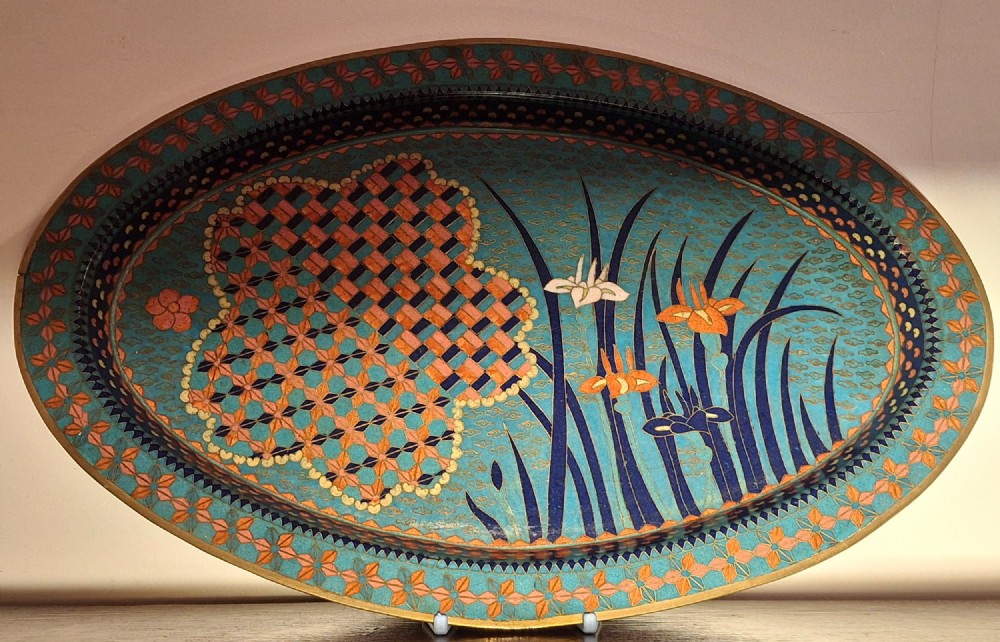
Japanese Cloisonne Large Iris Tray. Circa 1870.
Dragoncharger Antiques
for sale €2,340     $2,540
£2,000

Dragoncharger Antiques

Sellingantiques Verified Since Aug 2024
View Dealers Stock Page
  • About Us
    Specialising in early japanese cloisonne, edo enamel artisan period.
Id #SA1204903
PDF SHARE
SAVE

Japanese Cloisonne Large Iris Tray. Circa 1870.

19th century
Description

Japanese Cloisonne Large Iris Tray. Circa 1870.

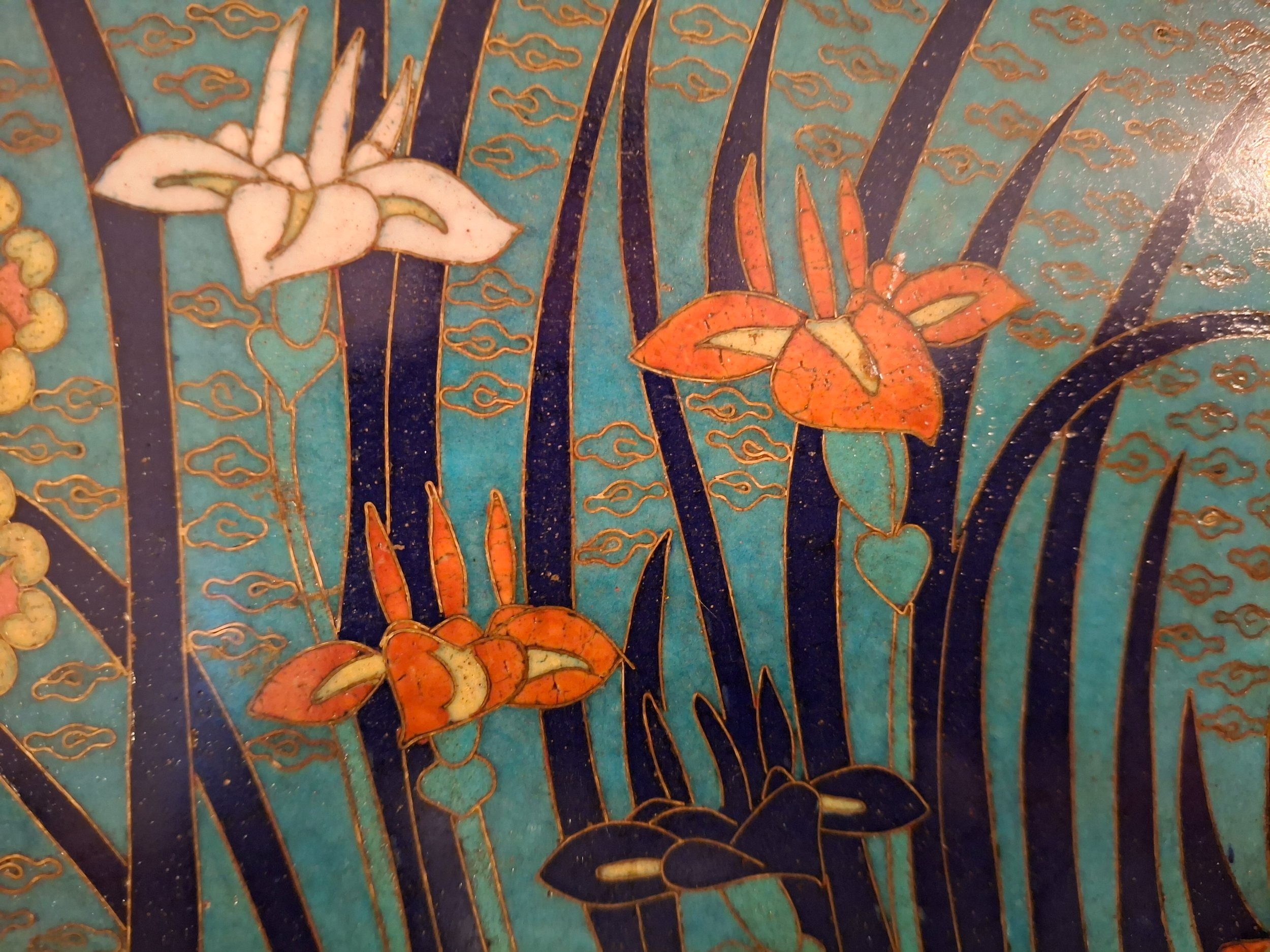
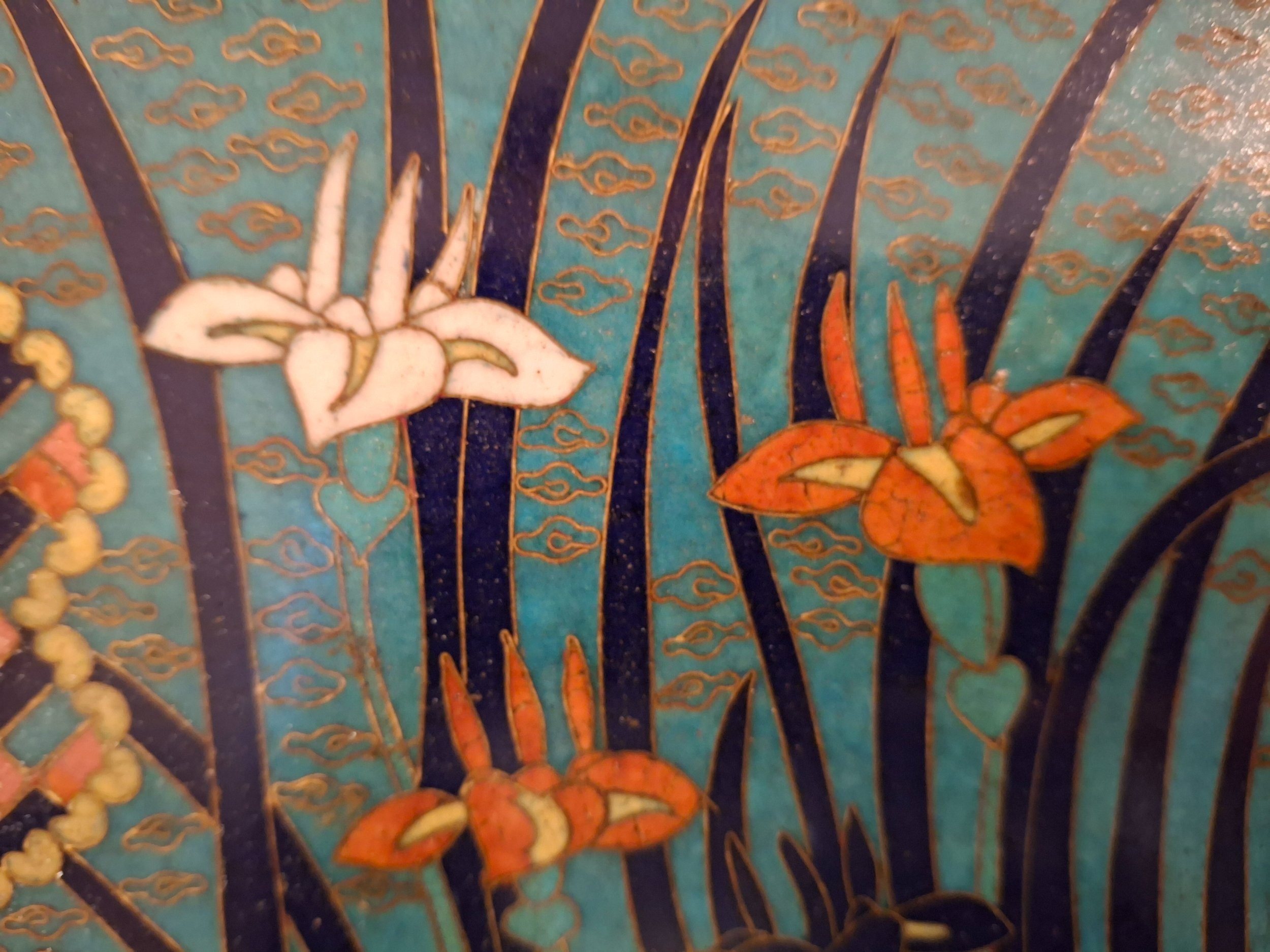
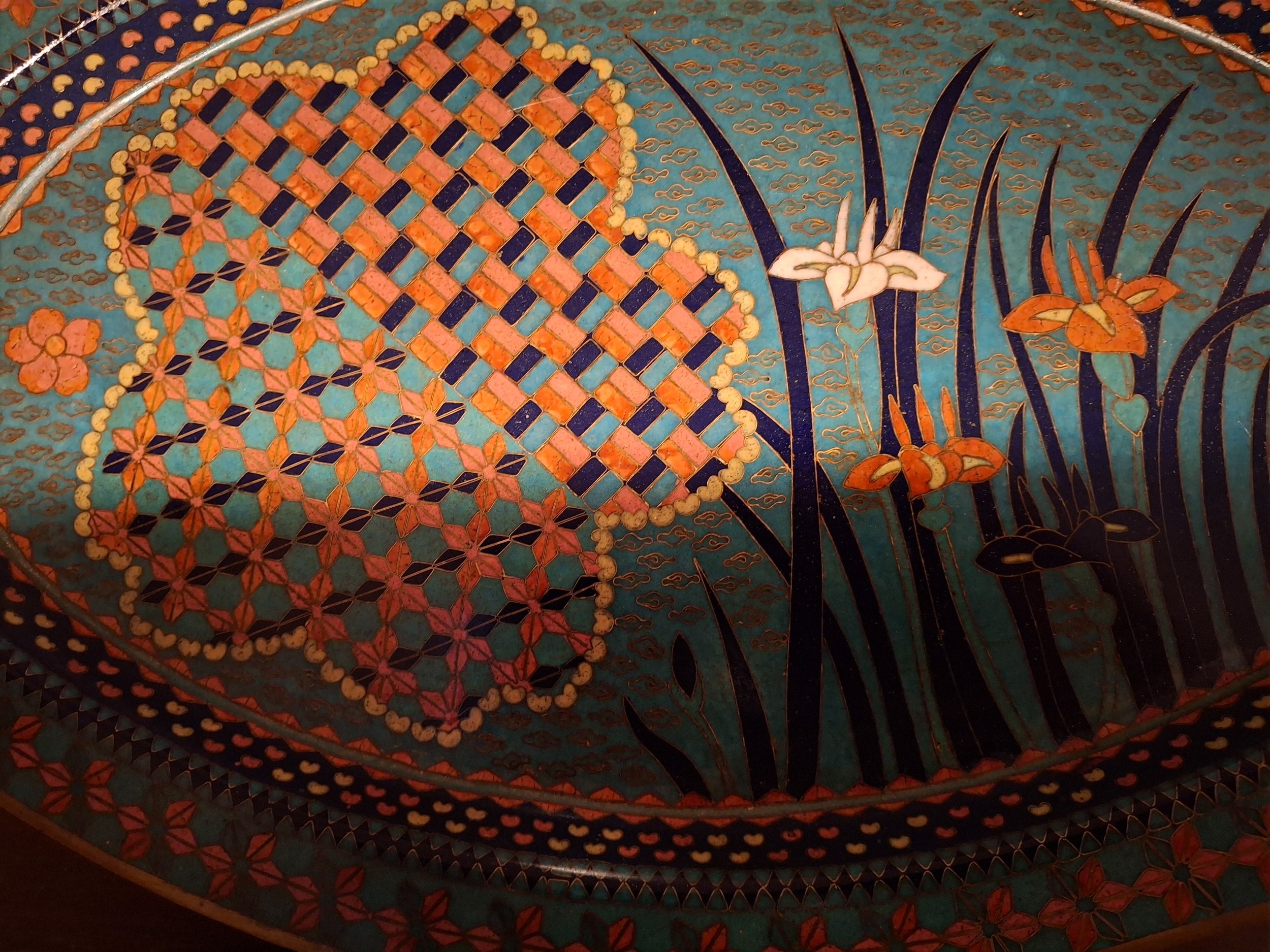
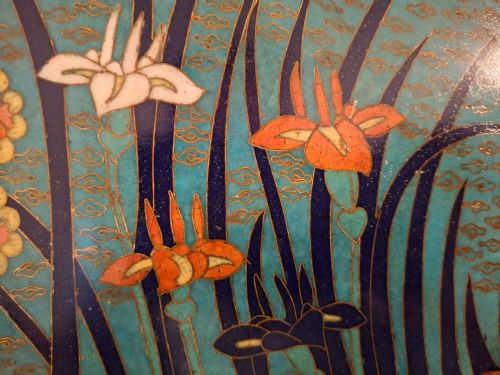
Beautifully decorated cloisonne tray with flowering Iris Plants*.

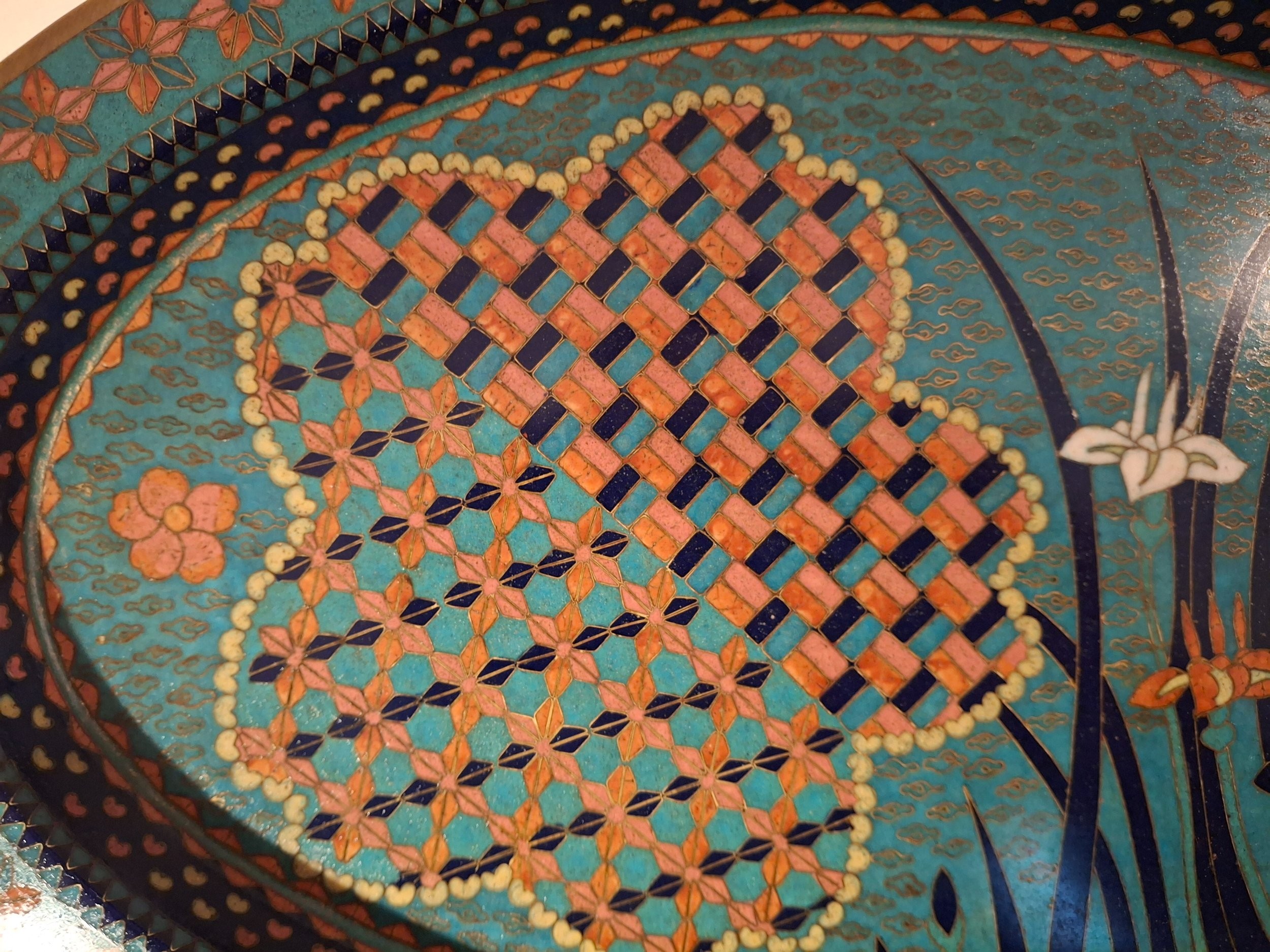
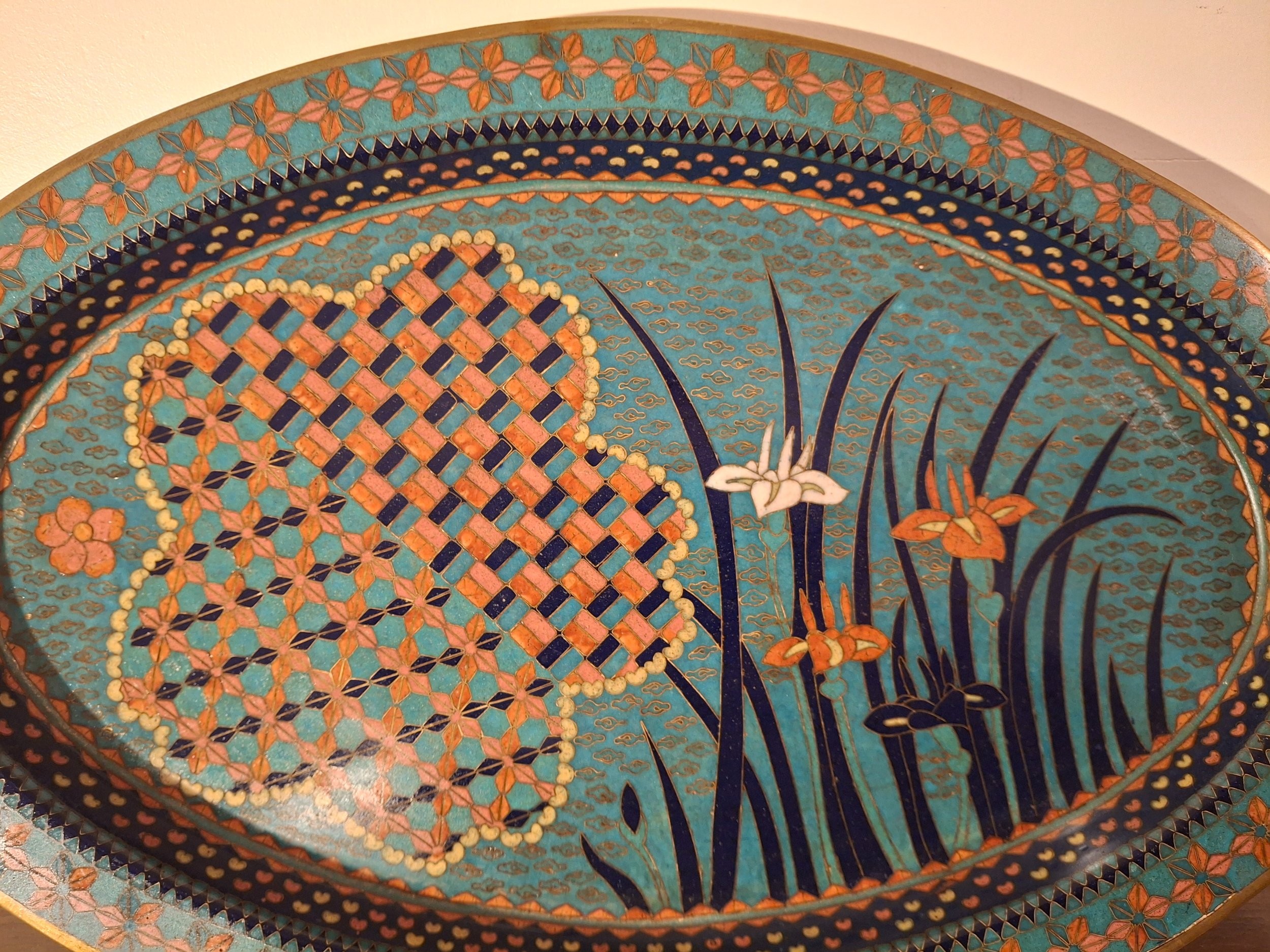
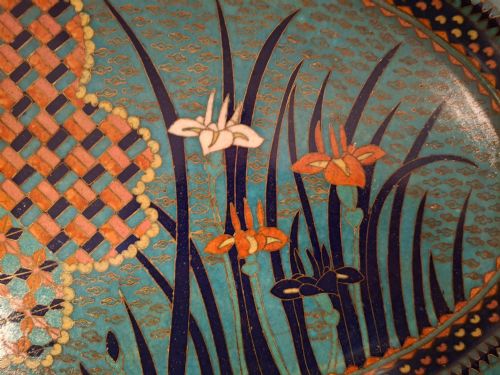
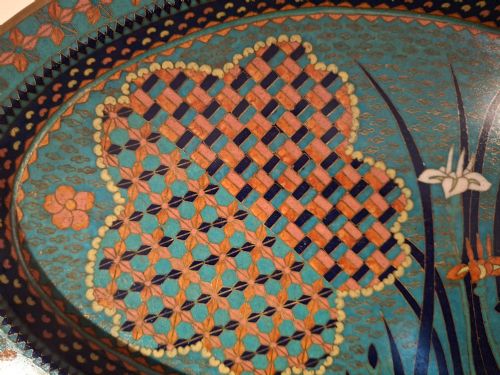
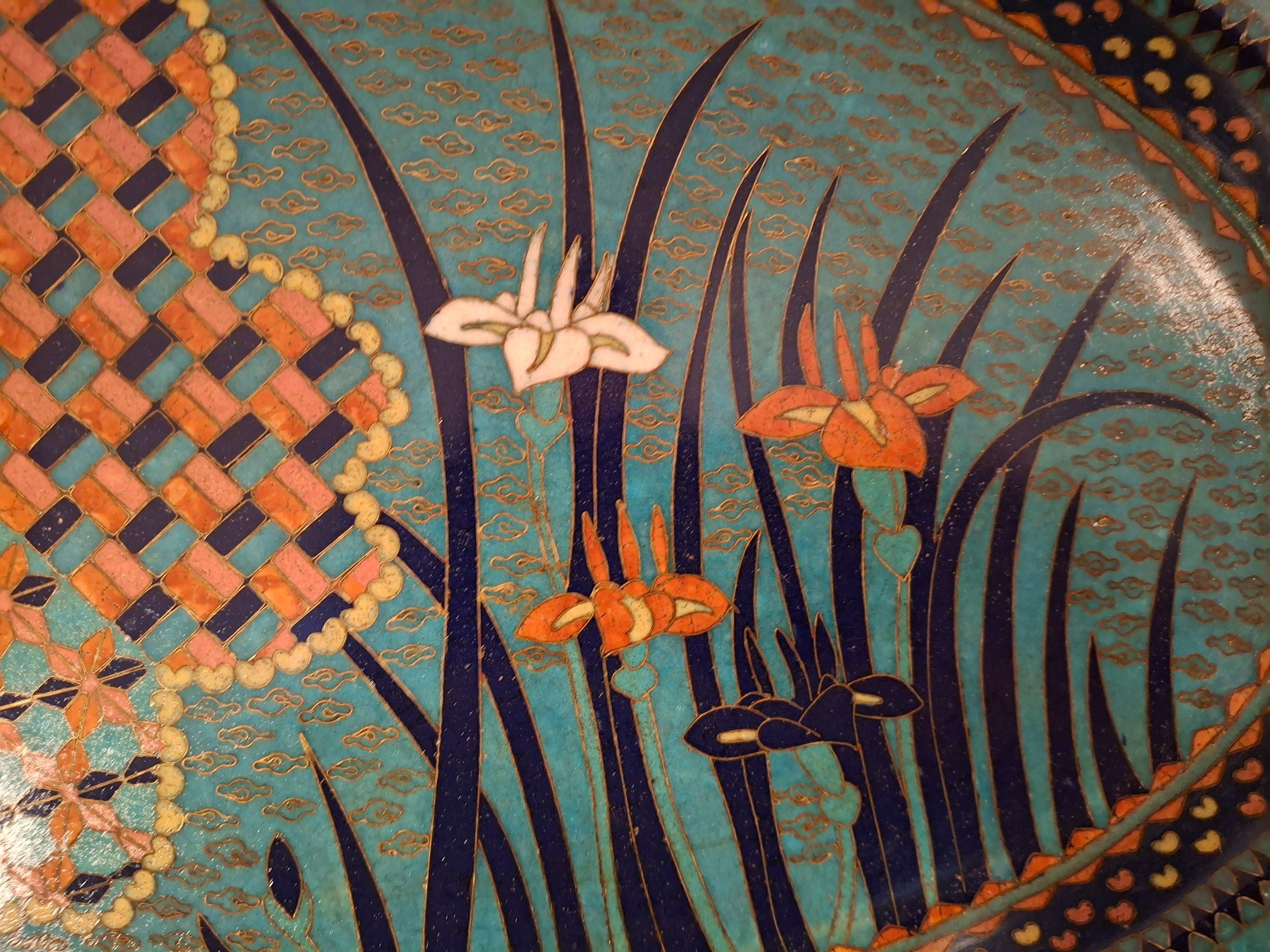
Simple and extremely effective with natural flowering iris scene positioned to the side of mosaic cloisonne work with geometric shapes. Excellent use of vivid cloisonne enamel colours in blue, red, pink and yellow colours. The dark green enamel is unique to this era with substantial use of 'cloud' wires, both decorative and functional in anchoring the enamel in early Japanese cloisonne work.
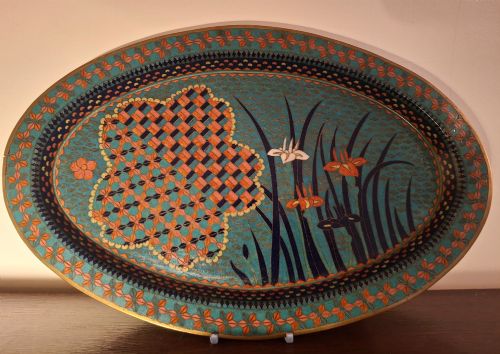
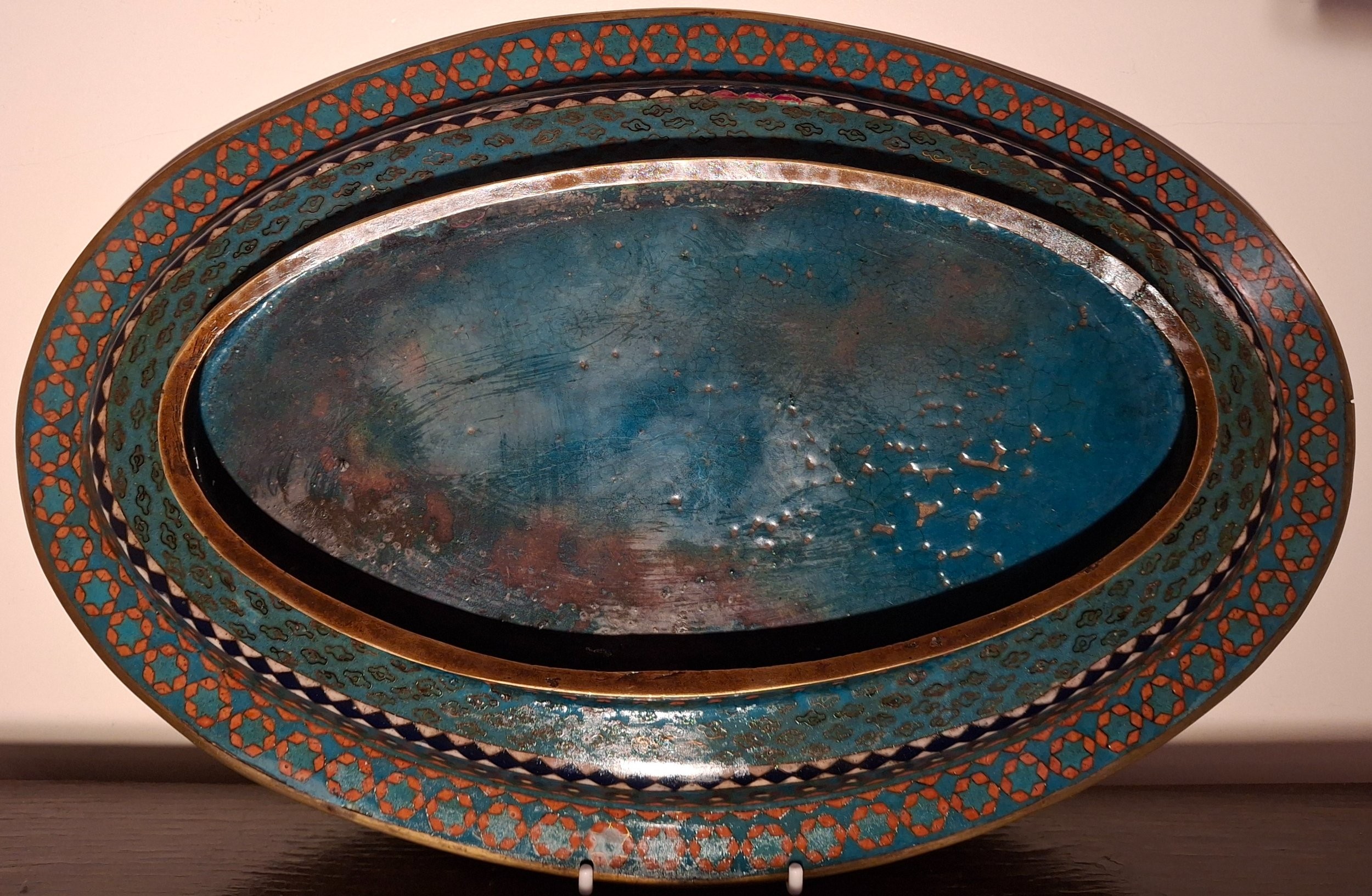
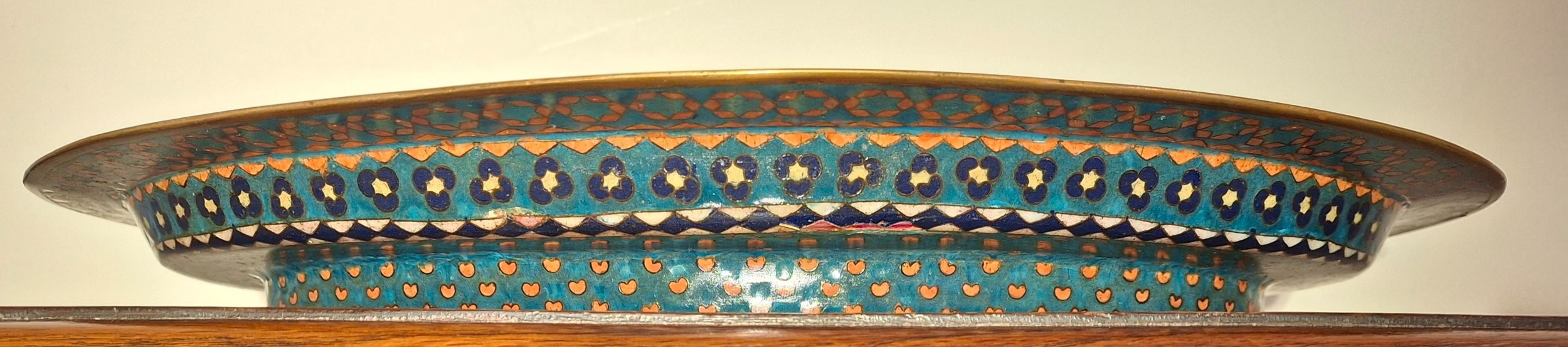
High-quality cloisonne with skilled brass-wire work and enameling techniques. The reverse similarly decorated with geometric shapes.

Condition: Excellent condition.

Dimensions:

Height = 25 cm

Width = 38 cm
Depth = 4 cm

*Japanese iris (Iris ensata or Hanashobu), native to Japan, has been cultivated for over 500 years, evolving from wild wetlands plants into highly bred artistic forms. Historically used as a signal for rice planting, they became prized during the Edo period for their "perfect bloom" and are culturally associated with Samurai strength. Today, they are still central to Japanese garden culture, often planted along the edges of ponds to represent the yatsuhashi (zigzag bridge) scenes from traditional literature.
Key Historical Points:

Ancient Origins: Native to Japan, they traditionally grew in wild, damp spots, with farmers using their bloom time to indicate the start of the rice planting season.

Edo Period Cultivation (1603–1868): This period marked the height of Japanese iris breeding. Cultivators in Tokyo (Edo), Kumamoto (Higo), and Mie (Ise) focused on developing distinct forms for viewing, emphasizing a single "perfect" bloom per stalk rather than multiple flowers, often grown in pots for close meditation.
Symbolism: Due to their sword-shaped leaves, they were associated with samurai, strength, and warding off evil spirits.

Cultural Significance in Art: They are frequently depicted in Japanese woodblock prints (ukiyo-e) and screens, famously in the 10th-century poem collection The Tales of Ise.

Physical Dimensions
Height
25cm (9.84")
Width
38cm (14.96")
Depth
4cm (1.57")
Declaration

Dragoncharger Antiques has dated this Japanese Cloisonne Iris Tray to the 1880s.

Reference Numbers
Sellingantiques Reference
SA1204903
Dealers Internal Reference
D:007060
Description
Japanese Cloisonne Large Iris Tray. Circa 1870.

Beautifully decorated cloisonne tray with flowering Iris Plants*.

Simple and extremely effective with natural flowering iris scene positioned to the side of mosaic cloisonne work with geometric shapes.
Dragoncharger Antiques

Excellent use of vivid cloisonne enamel colours in blue, red, pink and yellow colours. The dark green enamel is unique to this era with substantial use of 'cloud' wires, both decorative and functional in anchoring the enamel in early Japanese cloisonne work.

fig 1. An oval Japanese cloisonne enamel tray featuring a turquoise background decorated with blue and orange iris flowers alongside geometric lattice patterns.
fig 1. Japanese Cloisonne Large Iris Tray. Circa 1870.

High-quality cloisonne with skilled brass-wire work and enameling techniques. The reverse similarly decorated with geometric shapes.

Condition: Excellent condition.

Dimensions:

Height = 25 cm

Width = 38 cm

fig 2. An oval Japanese cloisonne enamel tray featuring a turquoise background decorated with blue and orange iris flowers alongside geometric lattice patterns.
fig 2. Japanese Cloisonne Large Iris Tray. Circa 1870.

Depth = 4 cm

Japanese iris (Iris ensata or Hanashobu), native to Japan, has been cultivated for over 500 years, evolving from wild wetlands plants into highly bred artistic forms. Historically used as a signal for rice planting, they became prized during the Edo period for their "perfect bloom" and are culturally associated with Samurai strength. Today, they are still central to Japanese garden culture, often planted along the edges of ponds to represent the yatsuhashi (zigzag bridge) scenes from traditional literature.

fig 3. An oval Japanese cloisonne enamel tray featuring a turquoise background decorated with blue and orange iris flowers alongside geometric lattice patterns.
fig 3. Japanese Cloisonne Large Iris Tray. Circa 1870.

Key Historical Points:

Ancient Origins: Native to Japan, they traditionally grew in wild, damp spots, with farmers using their bloom time to indicate the start of the rice planting season.

Edo Period Cultivation (1603–1868): This period marked the height of Japanese iris breeding. Cultivators in Tokyo (Edo), Kumamoto (Higo), and Mie (Ise) focused on developing distinct forms for viewing, emphasizing a single "perfect" bloom per stalk rather than multiple flowers, often grown in pots for close meditation.

fig 4. An oval Japanese cloisonne enamel tray featuring a turquoise background decorated with blue and orange iris flowers alongside geometric lattice patterns.
fig 4. Japanese Cloisonne Large Iris Tray. Circa 1870.

Symbolism: Due to their sword-shaped leaves, they were associated with samurai, strength, and warding off evil spirits.

Cultural Significance in Art: They are frequently depicted in Japanese woodblock prints (ukiyo-e) and screens, famously in the 10th-century poem collection The Tales of Ise.

Height
25cm (9.84")
Width
38cm (14.96")
Depth
4cm (1.57")
Date of Manufacture

Dragoncharger Antiques has dated this Japanese Cloisonne Iris Tray to the 1880s.

Reference Numbers
Sellingantiques Ref
SA1204903
Dealers Internal Ref
D:007060
Dragoncharger Antiques
Sellingantiques verified Since Aug 2024

Specialising in early japanese cloisonne, edo enamel artisan period.

Dealer Profile

You can view the stock and full dealer information on the Dragoncharger Antiques Profile Page
PDF SHARE
SAVE
An oval Japanese cloisonne enamel tray featuring a turquoise background decorated with blue and orange iris flowers alongside geometric lattice patterns.
1 / 10
Archive I An oval Japanese cloisonne enamel tray featuring a turquoise background decorated with blue and orange iris flowers alongside geometric lattice patterns.

Japanese Cloisonne Large Iris Tray. Circa 1870.
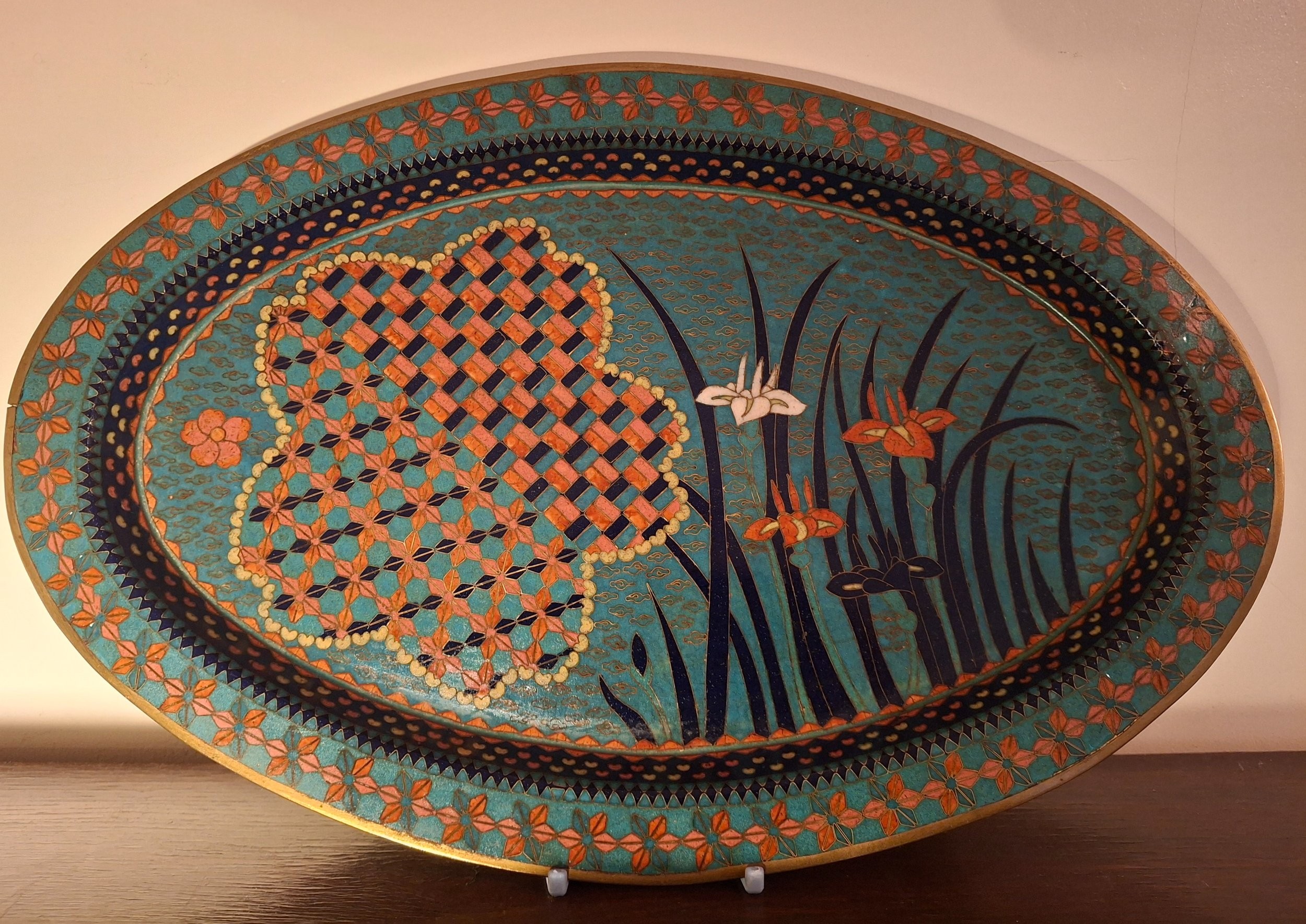
Archive II An oval Japanese cloisonne enamel tray featuring a turquoise background decorated with blue and orange iris flowers alongside geometric lattice patterns. View II
Archive III An oval Japanese cloisonne enamel tray featuring a turquoise background decorated with blue and orange iris flowers alongside geometric lattice patterns. View III
Archive IV An oval Japanese cloisonne enamel tray featuring a turquoise background decorated with blue and orange iris flowers alongside geometric lattice patterns. View IV
Archive V An oval Japanese cloisonne enamel tray featuring a turquoise background decorated with blue and orange iris flowers alongside geometric lattice patterns. View V
Archive VI An oval Japanese cloisonne enamel tray featuring a turquoise background decorated with blue and orange iris flowers alongside geometric lattice patterns. View VI
Archive VII An oval Japanese cloisonne enamel tray featuring a turquoise background decorated with blue and orange iris flowers alongside geometric lattice patterns. View VII
Archive VIII An oval Japanese cloisonne enamel tray featuring a turquoise background decorated with blue and orange iris flowers alongside geometric lattice patterns. View VIII
Archive IX An oval Japanese cloisonne enamel tray featuring a turquoise background decorated with blue and orange iris flowers alongside geometric lattice patterns. View IX
Archive X An oval Japanese cloisonne enamel tray featuring a turquoise background decorated with blue and orange iris flowers alongside geometric lattice patterns. View X
Enlarged Archival View
Telephone 07974 144321
Location
Bristol
United Kingdom
Verified Since Aug 2024
Items For Sale 150
Items Sold 17
Dragoncharger Antiques
Verified Since Aug 2024
View Dealer Info
Location: Bristol, United Kingdom
Verified
Aug 2024
For Sale
150
Sold
17
An oval Japanese cloisonne enamel tray featuring a turquoise background decorated with blue and orange iris flowers alongside geometric lattice patterns.
Japanese Cloisonne Large Iris Tray. Circa 1870.
Ref: SA1204903
An oval Japanese cloisonne enamel tray featuring a turquoise background decorated with blue and orange iris flowers alongside geometric lattice patterns.
Detail View 1
Detail View 2
Detail View 3
Detail View 4
Detail View 5
Detail View 6
Detail View 7
Detail View 8
Detail View 9
Archival Detail
Every single antique dealer on our platform is individually approved by our internal team. We verify their professional trade history, ethical standards, and photographic quality to ensure a secure, high-standard buying environment. Upon joining, every dealer agrees to a strict 9-point code of conduct. While issues can occasionally arise, our dealers typically resolve them swiftly and directly with the buyer. In fact, since our founding in 2002, Sellingantiques has only had to step in to help resolve an issue on roughly five occasions—a true testament to the quality of our dealers and their dedication to your happiness.
Our dealers are highly experienced in packing and shipping fragile, high-value antiques. Because you are in direct contact with the dealer, you will be able to easily go through all available shipping and insurance options together to ensure your item arrives safely.
Antiques are the ultimate green purchase. By choosing historical pieces over newly manufactured goods, you completely eliminate the carbon footprint of modern mass production while preserving exceptional, timeless craftsmanship.

Early Meiji period Japanese cloisonne from around 1870 marks the transition towards refined enamelling techniques. Objects from this era often display dense wirework, traditional geometric patterns, and botanical motifs such as irises applied onto copper or brass bases.

Cloisonne trays are constructed by soldering delicate metal wires onto a copper or brass body to form individual cells. These cells are filled with coloured glass pastes, fired in a kiln multiple times, and subsequently polished smooth to reveal the metal outlines.

Authentic 19th-century Japanese cloisonne exhibits precise metal wirework with minimal enamel pitting or surface gaps. Period pieces frequently feature heavy copper bases, complex geometric borders, and traditional Japanese flora or fauna iconography.

A decorative cloisonne tray can be displayed upright on a plate stand on a sideboard top or mantelpiece to showcase its visual detail. Alternatively, it can function as a central tabletop accessory on a coffee table or console to aggregate smaller decorative objects.

Dusting should be done using a soft, lint-free microfibre cloth to prevent scratching the enamel glass surface. Moisture and harsh chemical cleaners ought to be avoided, as trapped dampness can corrode the underlying metal wires and copper body over time.
items
Add keywords to the filter
Price
£100
£250000
Era
Movements
Material
Origin
Stock Location
Freshness
Online Payments
Categories