
Hand Hammered Copper
Hand hammered copper pieces bring tactile warmth to any room, combining enduring utility with the rich, textured surfaces of the Arts and Crafts movement and the Victorian era.
Identifying hand hammered copper
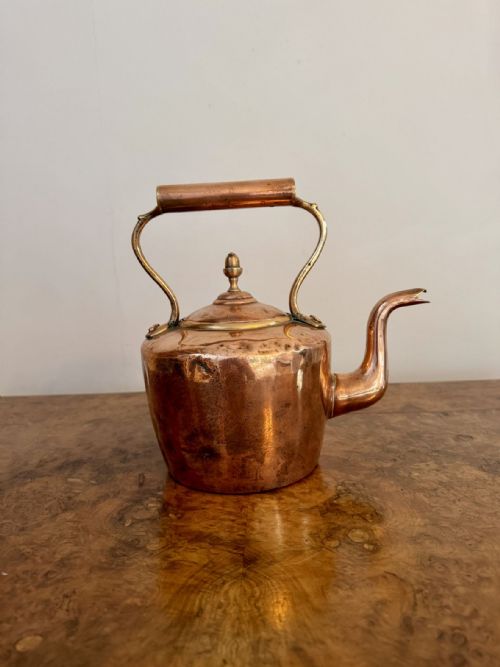
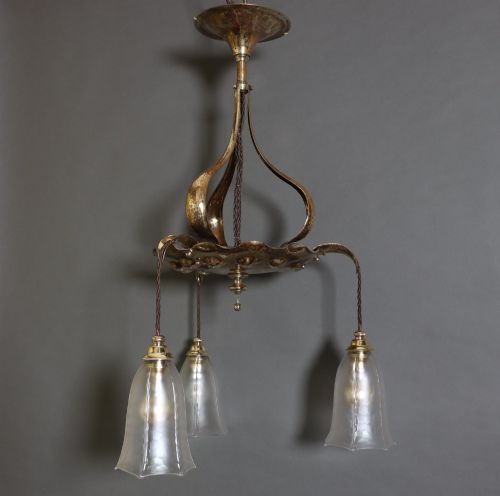
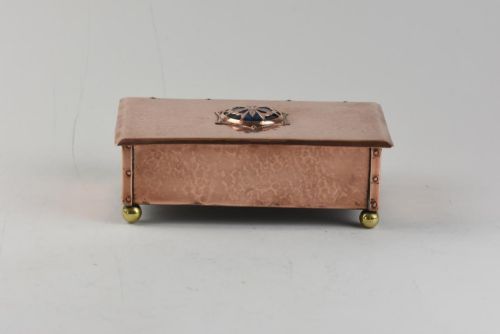
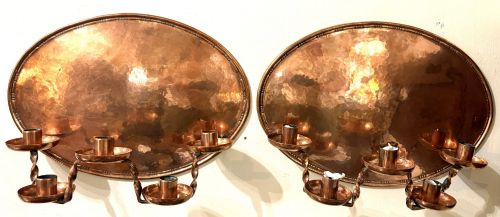
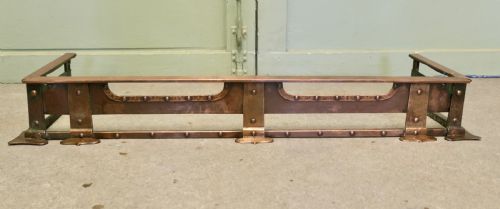
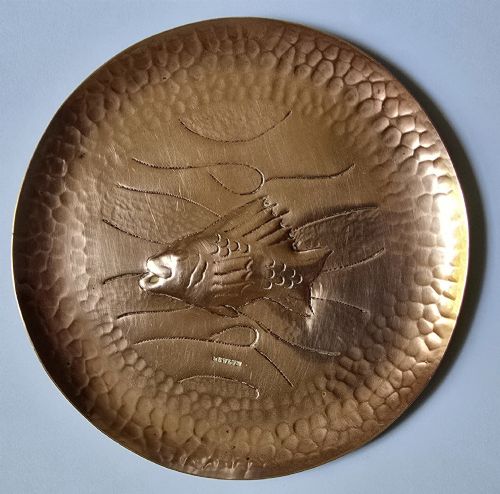
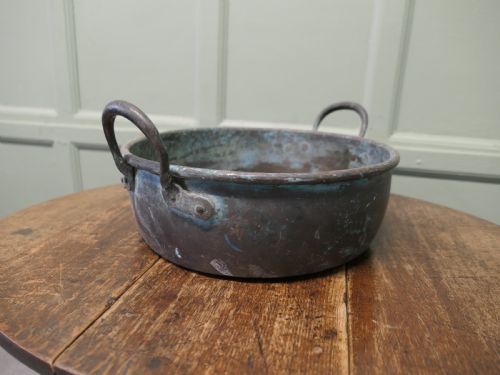
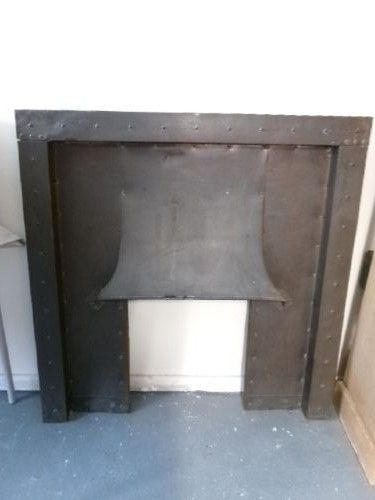
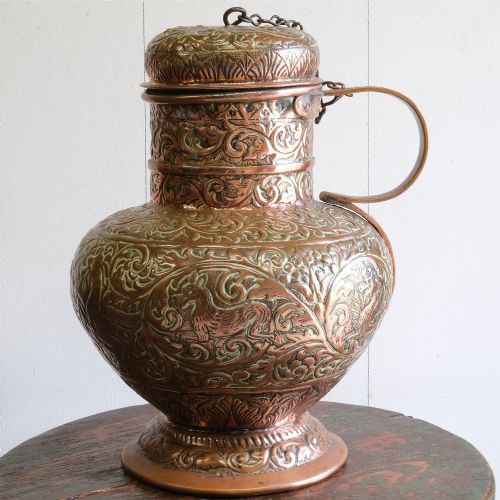
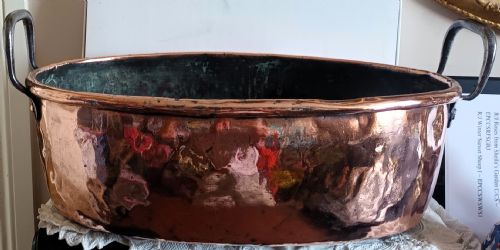
Hand hammered copper encompasses a wide variety of domestic objects, ranging from decorative card trays and centrepiece dishes to large kitchen bowls and graduated jugs. When searching for hand hammered copper, buyers encounter forms that bridge functional kitchen metalware with artistic metalwork.
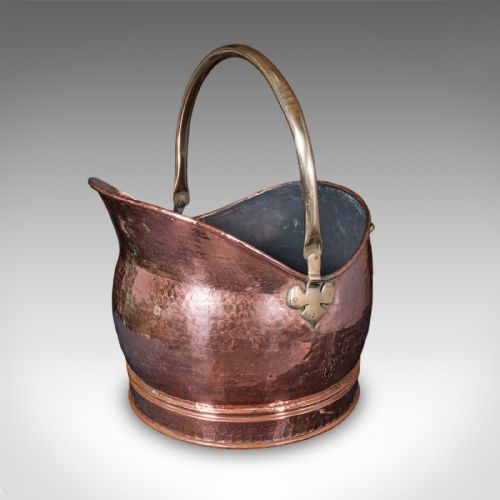
The majority of pieces visible across these listings originate from the Arts and Crafts period around nineteen hundred and nineteen ten, alongside nineteenth century rustic and Victorian country examples. These span specific regional works, such as Cornish copper trays, as well as utility items like cooking pots and coal scuttles.
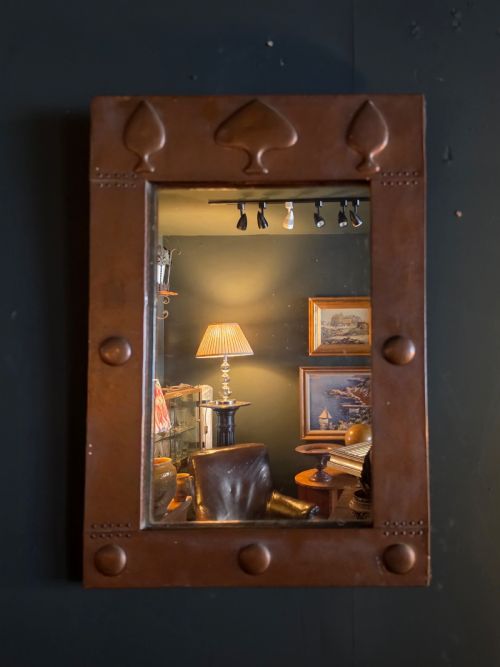
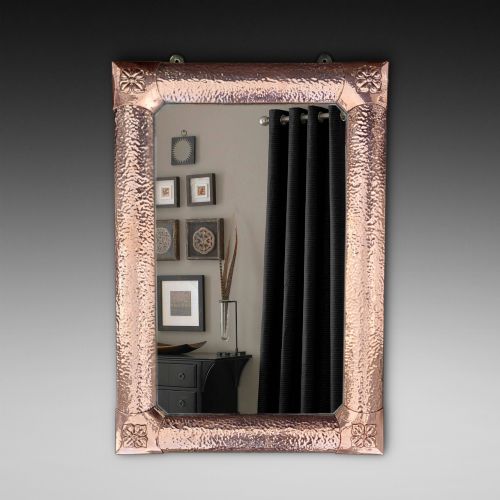
Objects range from small apprentice piece miniatures to large trays, pedestal tazzas, and wall mirrors salvaged from notable civic spaces. Each piece displays the distinct physical presence of hand-worked metal shaped for both daily service and interior display.
Materials and construction
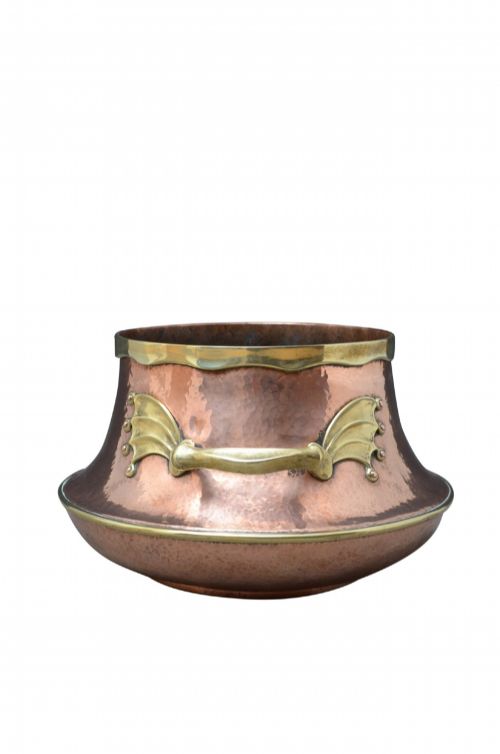
Items fashioned from hand hammered copper frequently incorporate mixed metals, utilising brass for handles, feet, or rims, iron for structural hanging mechanisms, and tin linings on culinary vessels to ensure safe food preparation. The primary medium remains sheet copper, worked while cold or heated to achieve malleability.
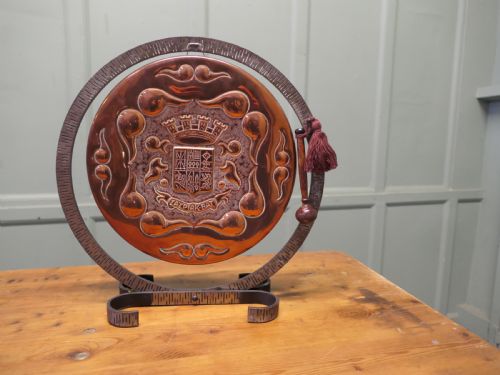
The defining physical characteristic is the deliberate texturing of the metal surface through striking, leaving visible hammer marks that record the manual shaping process. Stamped workshop marks, embossing, and riveted joints further define the construction methods employed by makers of the period.
Retail Price Guide 2026
Typical UK retail prices for hand hammered copper, calculated from the Sellingantiques database of over a million retail prices indexed since 2003. This retail price guide relies exclusively on Sellingantiques data; no external sources or auction records are used, so the figures do not describe the wider market.
Materials recorded across the inventory include copper, brass, iron, and tin.
Assessing quality in hand hammered copper
Superior quality in hand hammered copper reveals itself in the balance of form and the deliberate rhythm of the surface texturing, where individual hammer blows contribute to a cohesive overall design rather than random indentation. The weight of the metal gauge dictates the structural integrity of larger vessels, trays, and coal scuttles.
The distinction between standard utility items and finer studio pieces often lies in the provenance and clarity of maker attribution, such as official stamps from regional guilds like Newlyn. Secondary materials like brass handles and iron mounts should display equal craftsmanship and secure integration with the copper body.
Newlyn Copper
The Hand Hammered Copper Glossary
- Newlyn
- A Cornish art metalwork studio operating during the Arts and Crafts period, known for marine motifs and stamped copper work. Pieces bearing this mark carry distinct regional significance.
- Tazza
- A shallow pedestal dish or bowl elevated on a foot, frequently utilised as a centrepiece dish in Arts and Crafts dining displays. It highlights the decorative potential of raised metal.
- Apprentice piece
- A miniature version of a standard object created by a trainee artisan to demonstrate mastery of skills. Graduated jugs and small vessels frequently fall into this category.
- Embossing
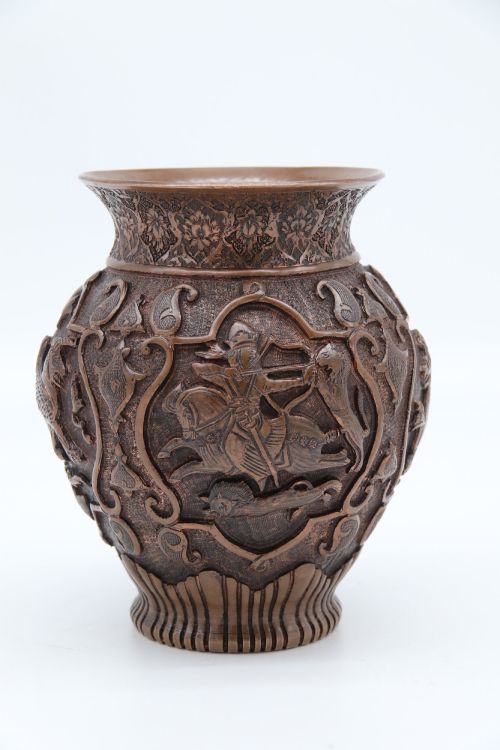
- The technique of raising a design in relief from the reverse side of the metal using punches and hammers. This adds pictorial depth to trays, bowls, and wall mirrors.
Frequently Asked Questions
How do I clean hand hammered copper?
Maintenance requires gentle cleaning to preserve the historic surface patina rather than achieving a bright, modern shine. Harsh abrasives will erode the delicate texture left by the original hammer blows.
Applying a traditional metal polish sparingly with a soft cloth maintains the natural warmth of the copper. Ensure any tin-lined interiors are washed carefully and dried immediately to prevent tarnishing.
What is an apprentice piece?
Apprentice pieces are small-scale models created by learners to prove their technical proficiency to guild masters. These miniature items replicate full-sized domestic objects with exact proportions.
In metalware collections, sets of graduated jugs or small vessels often represent these historical training exercises. They offer collectors a concentrated example of period craftsmanship.
How do I date hand hammered copper?
Dating relies on stylistic markers, construction techniques, and any stamped workshop marks found on the metal. The Arts and Crafts pieces typically feature characteristic hand texturing and organic motifs associated with nineteen hundred to nineteen ten.
Nineteenth-century examples often display heavier utility construction, such as riveted iron handles or plain rolled rims. Comparing the weight, gauge, and mounting methods helps distinguish earlier Victorian pieces from later revival work.
Where were these copper items used?
These pieces served practical roles in Victorian kitchens, sculleries, and fireside settings before transitioning into decorative interior displays. Items like coal scuttles and cooking pots were heavy-duty domestic utilities.
Lighter articles such as card trays, wall mirrors, and pedestal tazzas belonged to the reception rooms and halls of period homes. Some larger pieces also originated from civic spaces and institutional reclamation.