
Antique Metal Dish
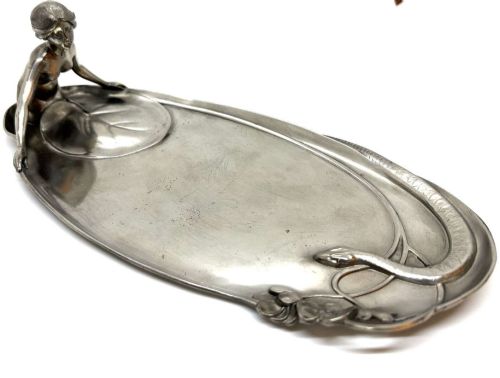
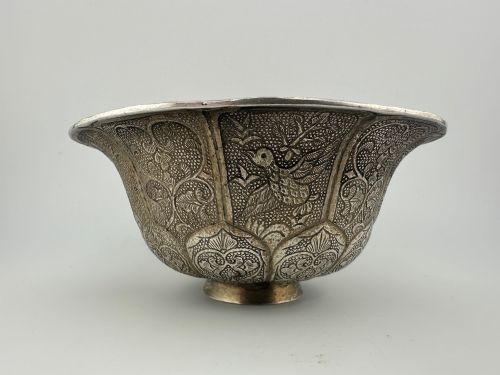
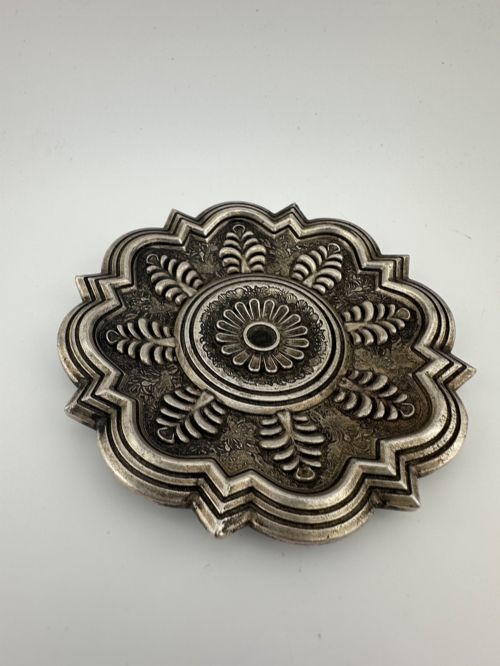
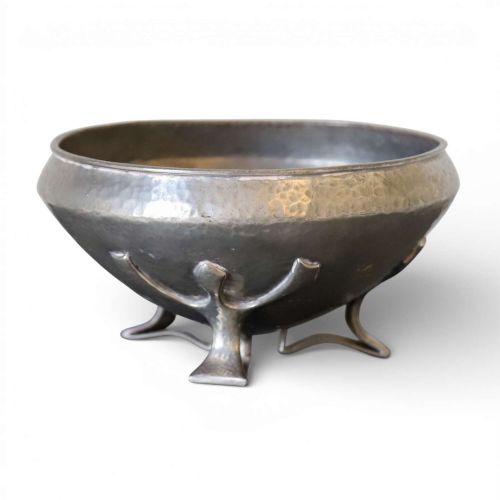
When you search for an antique metal dish, you enter a diverse field spanning centuries of craft in copper, brass, pewter and bronze.
Antique Metal Dish
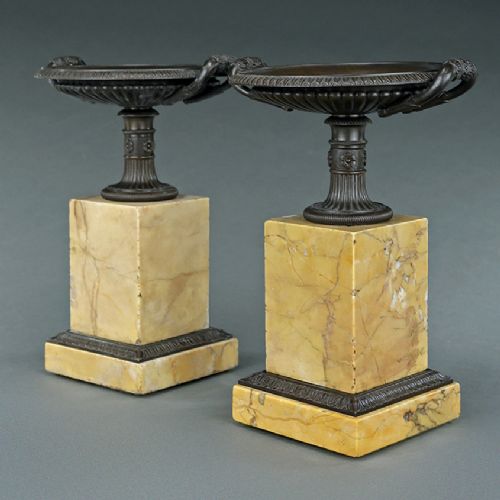
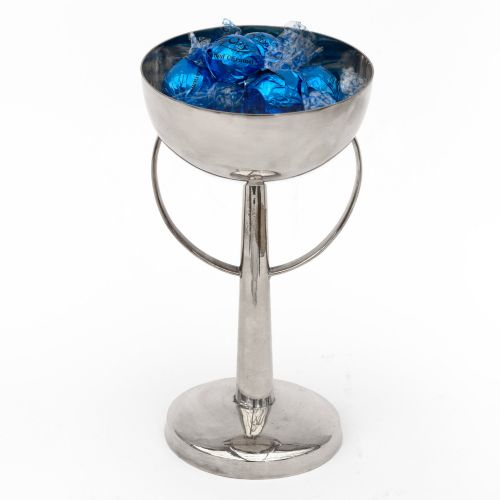
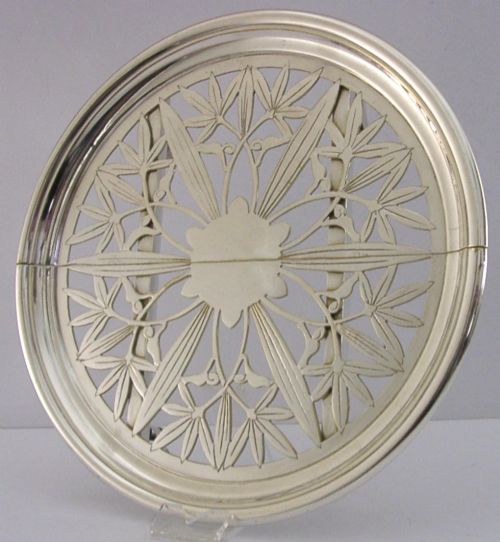
An antique metal dish encompasses functional vessels and decorative centrepieces produced across the eighteenth and nineteenth centuries, alongside earlier examples from the sixteenth and seventeenth centuries. Buyers encounter flat plates, deep chargers, footed tazzas and porringers originating from English workshops, European centres, and East Asian traditions.
Materials and Technique
Maker employment of copper, brass, pewter, and bronze relies on casting, hammering, and spinning techniques shaped by the period of origin. English pewter dishes utilise traditional alloy casting finished with hammered rims, while Middle Eastern and Persian copper pieces display intricate engraved repousse work and silver inlay.
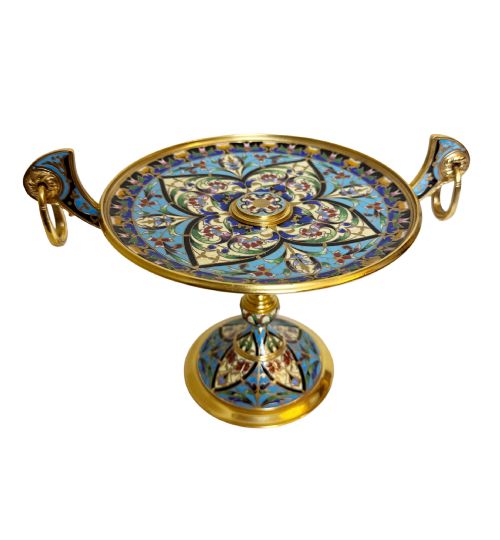
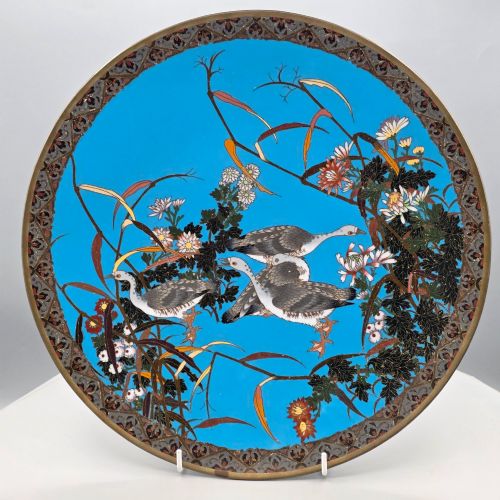
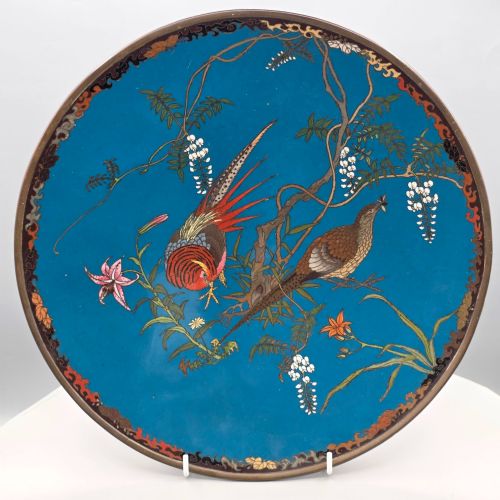
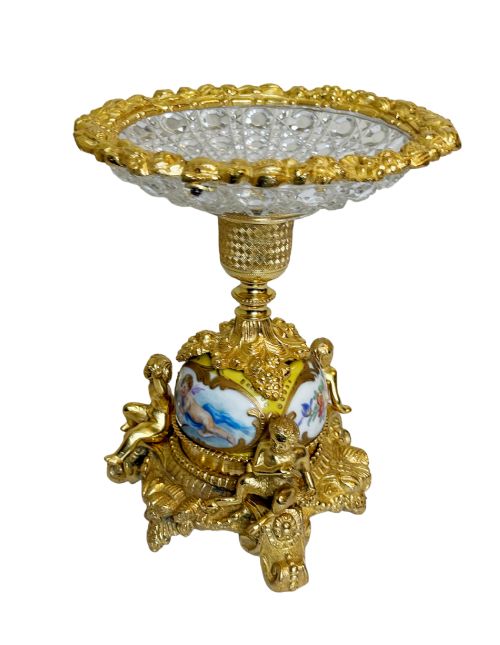
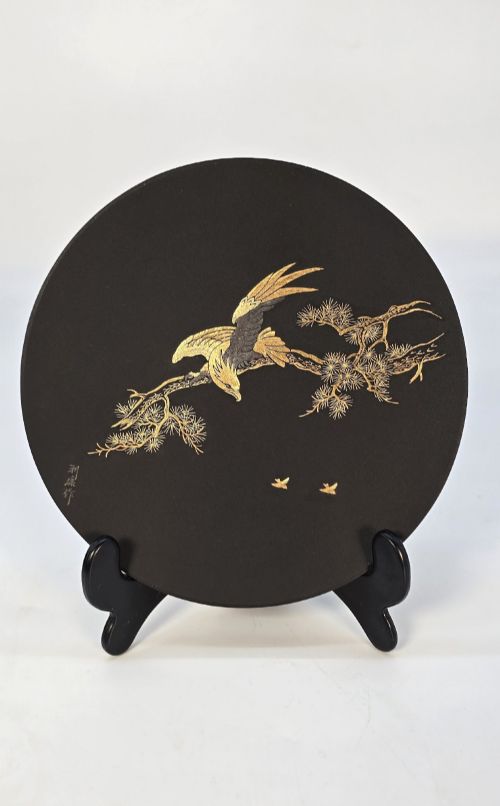
Japanese chargers combine metal bases with vitreous enamel cloisonne and wirework, alongside patinated iron surfaces inlaid with gold and silver. French and European items frequently integrate cast bronze or gilt bronze mounts with marble, cut crystal, or champleve enamel.
Listings span centuries of metalwork, from seventeenth-century English pewter plates to late nineteenth-century Japanese cloisonne chargers and twentieth-century French silver plate.
Distinctions in Execution
Quality rests in the precision of the metalwork, the depth and clarity of the engraved or repousse decoration, and the integrity of the surface patination. Masterpieces in Japanese cloisonne display microscopic wire alignment and flawless enamel vitrification, whereas lesser pieces show uneven surfaces and blurred motifs.
English pewter items derive distinction from clear touchmarks, maker hallmarks, and crisp rim mouldings that indicate careful workshop production. Cast bronze and gilt bronze mounts demonstrate superior execution through sharply chiselled details and heavy, stable construction.
John Duncomb·Samuel Smith·T & H Compton·Richard King·John Tubb·Robert Moulins II·Humphrey Evans II·Oliver Baker·Christofle
The Antique Metal Dish Glossary
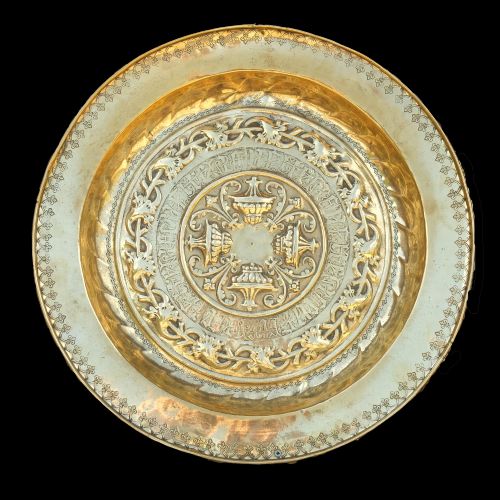
- Alms dish
- A large metal basin, often brass or copper, featuring embossed or repousse religious iconography and floral motifs. These pieces date primarily from the sixteenth and seventeenth centuries in European workshops.
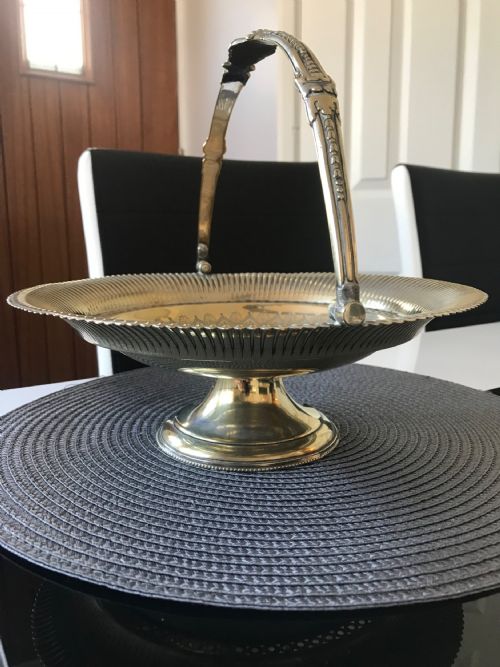
- Tazza
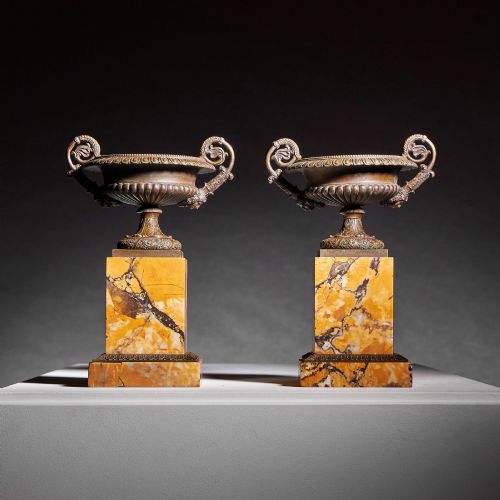
- A shallow bowl or plate raised on a central foot or pedestal, used for serving fruit or display. Examples frequently combine bronze, gilt bronze, marble, and crystal.
- Cairo ware
- Nineteenth-century brass and mixed metal vessels inlaid with silver and copper, originating from Egypt for the Western tourist market. The surface decoration mimics medieval Islamic metalwork.
- Cloisonne
- An enamelling technique where thin metal wires form raised partitions on a metal base, filled with coloured glass paste and fired. Japanese Meiji period examples represent the height of this discipline.
- Porringer
- A small, shallow handled bowl used for broth or porridge, executed frequently in English pewter. Eighteenth-century models often feature single or double flat pierced ears.
- Touchmark
- An official stamp pressed into pewter by a guild member to identify the maker and workshop standard. These marks serve to date English plates and dishes.
Antique Metal Dish: Frequently Asked Questions
How do I clean an antique metal dish?
Maintenance depends entirely on the metal and its historic surface finish. Pewter and brass generally benefit from gentle dusting, while aggressive commercial polishes remove prized patination and historic marks.
Enamelled or inlaid surfaces require dry microfibre cloths to protect fragile wirework and mixed metal details from moisture damage.
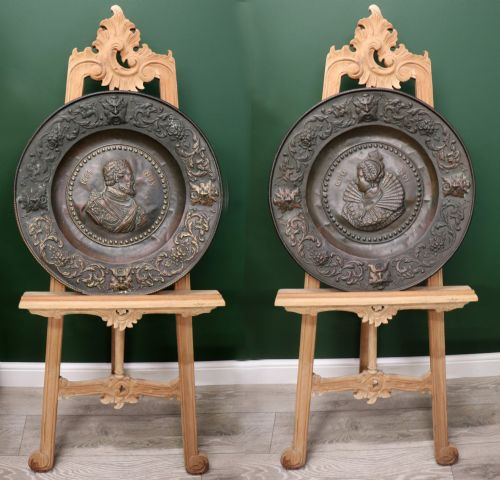
What is the difference between a charger and a plate?
Chargers are significantly larger decorative dishes intended for display on buffets or walls rather than dining service. Plates and shallow dishes are smaller and typically designed for functional use.
In early metalware, chargers often display elaborate centre medallions and wider rims decorated with repousse or engraved scenes.
How can I tell English pewter from continental pieces?
English pewter production was strictly regulated by the Worshipful Company of Pewterers, leading makers to stamp touchmarks directly onto the rim or underside. Continental pieces often lack these specific London touchmarks and display different alloy compositions.
Examining the weight, rim profile, and any engraved armorial bearings also assists in determining the workshop origin.
Were tazzas used for food or display?
Tazzas functioned primarily as elevated display pieces for fruit, sweetmeats, or ceremonial presentation on dining tables. Their raised pedestals gave them prominence among other tableware.
By the nineteenth century, grand tour tazzas made from bronze and crystal served decorative roles in libraries and drawing rooms.