




Antique Relief Portraits
Antique relief portraits capture likenesses in three dimensions across bronze, wax, marble, and shell, offering a tangible connection to historical figures and classical subjects.
Antique Relief Portraits
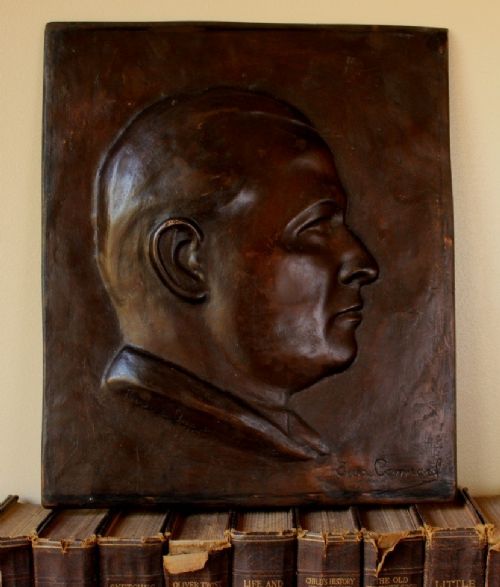
Antique relief portraits comprise sculpted, cast, or carved likenesses projecting from a flat background, encompassing wall plaques, framed medallions, and wearable cameos. The selection spans the eighteenth century through the early twentieth century, drawing heavily on Victorian neoclassical tastes and Grand Tour souvenirs.
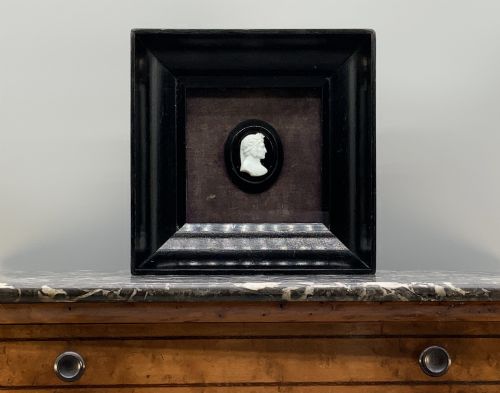
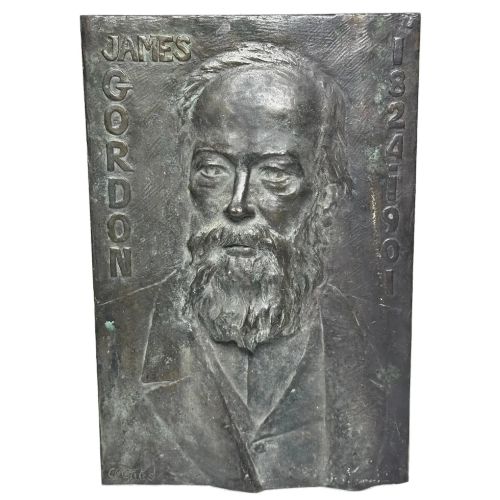
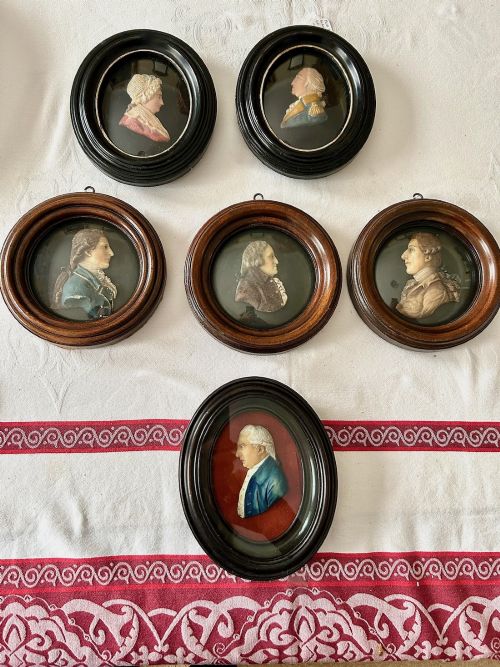
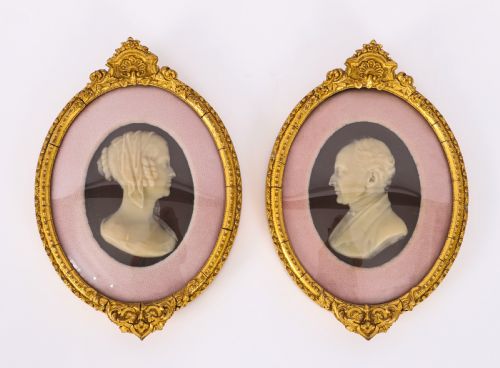
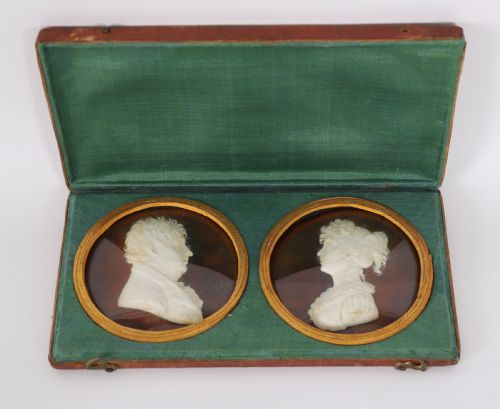
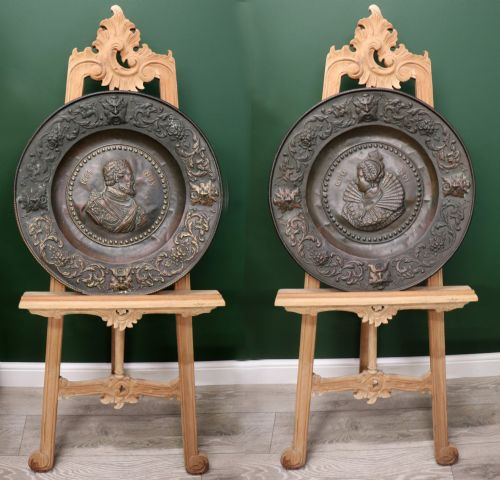
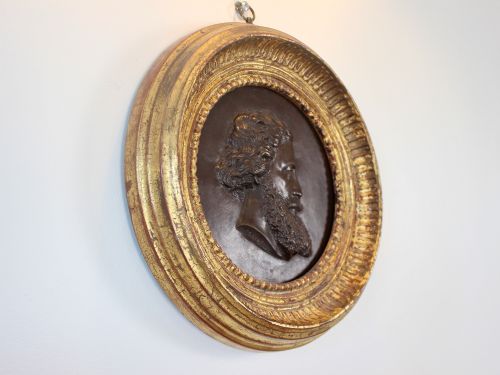
Buyers encounter subjects ranging from classical poets and historical monarchs to nineteenth-century dignitaries and literary icons rendered in miniature or substantial wall formats. These pieces take the form of bronze roundels, wax profiles, marble discs, and shell brooches mounted in wood, metal, or velvet frames.
How they were made
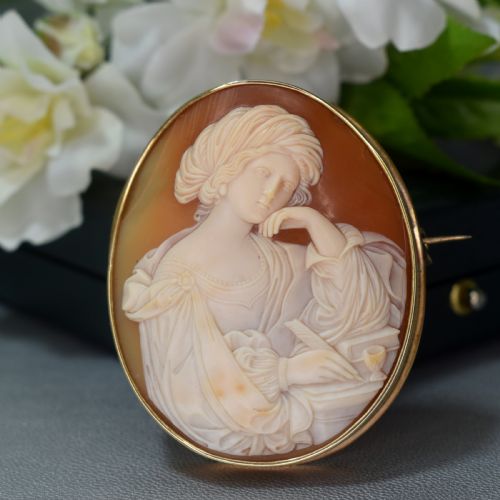
Carvers shaped shell cameos and ivory plaques by cutting away outer layers to reveal contrasting depths, exploiting the natural strata of the material for a layered profile effect. Marble and stone reliefs demanded precise chiselling, while ceramic medallions relied on pressing clay into intricate moulds before firing.
Listings feature pieces spanning the eighteenth to the twentieth centuries, employing bronze, marble, shell, wax, and wood.
What varies in quality
The degree of anatomical precision and depth in the carving or casting determines the fidelity of the likeness, separating master craftsmanship from utilitarian production. Crisp undercutting in shell and ivory allows hair, drapery, and facial expressions to emerge with distinct realism rather than soft, blurred contours.
The selection of framing materials and mounting hardware contributes significantly to the overall integrity of the piece, with solid precious metals, fitted leather cases, and original brass bezels indicating higher workshop standards. Signatures from established sculptors or medallists elevate specific plaques above anonymous commercial output.
Eugene Canneel·Alice Gates·Gustav Grohe·R Pernice·Kasper Hendrik Roskam
The Antique Relief Portraits Glossary
- Intaglio
- A gem or plaque carved with a sunken design so that the impression yielded in wax is in relief. This ancient technique was frequently revived during the nineteenth century for Grand Tour souvenirs.
- Cameo
- A method of carving an object such as a engraved gem, mood ring, or piece of stone, featuring a raised relief subject. The design typically contrasts in colour with the background layer.
- Medallion
- A large oval or circular medal used for commemoration or decoration. These were commonly cast in bronze or pressed in ceramic during the eighteenth and nineteenth centuries.
- Pinchbeck
- An alloy of copper and zinc developed as an imitation gold. It is frequently found framing nineteenth-century portrait cameos and small decorative plaques.
- Grand Tour
- A traditional trip of Europe undertaken by upper-class European young men of sufficient means. Travellers frequently acquired carved plaques, intaglios, and marble profiles as mementos.
Antique Relief Portraits: Frequently Asked Questions
What materials were used for antique relief portraits?
These portraits utilise a diverse range of media including cast bronze, carved shell, layered marble, and tinted wax. Each material dictated the scale of the object, from wearable shell cameos to monumental cast iron wall plaques.
Makers frequently paired these sculptural elements with supportive backings of velvet, wood, or gilt metal to enhance the visual contrast of the profile.
How do I display antique relief portraits at home?
Framed wax reliefs and marble profiles suit wall mounting in panelled rooms or galleries alongside oil paintings. Smaller bronze plaques and shell cameos look best in dedicated display cabinets or secured on desktop stands.
Protection from direct sunlight and excessive humidity preserves delicate wax modelling and prevents timber frames from warping over time.
What is a Grand Tour portrait plaque?
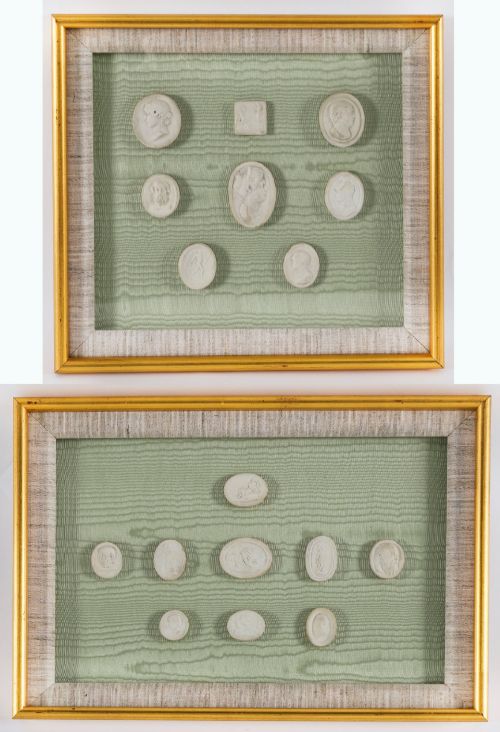
Grand Tour portrait plaques are souvenirs collected by travellers journeying through Europe during the eighteenth and nineteenth centuries. They typically depict classical literary figures, Roman emperors, or mythological subjects carved in ivory, plaster, or stone.
These pieces served as portable representations of classical education and cultural appreciation for domestic display upon the traveller's return.
How can I tell the difference between periods?
Neoclassical and Regency pieces often feature austere classical profiles with strict adherence to Roman and Greek proportions. Later Victorian and Art Nouveau examples introduce asymmetrical frames, romantic literary subjects, and more ornate metallic mounts.
Examining the fixings, framing techniques, and material composition helps align a piece with the prevailing aesthetic of its decade of origin.