


Repousse Copper Plaque
A repousse copper plaque brings textured warmth to a room, offering tactile metalwork shaped by hand across the nineteenth and early twentieth centuries.
Repousse Copper Plaque
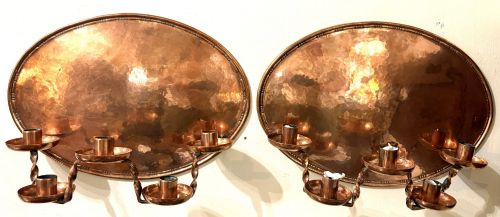
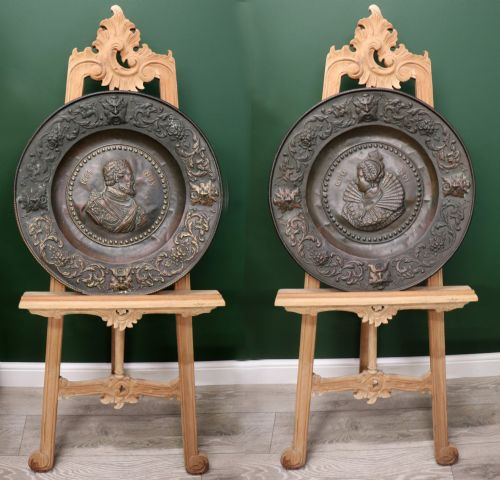
A repousse copper plaque encompasses a diverse array of wall art, decorative chargers, dishes, and shields produced primarily during the nineteenth century and the early decades of the twentieth century. These pieces display distinct stylistic influences ranging from Gothic Revival and Renaissance Revival to Arts and Crafts, Indo-Persian, and Anglo-Indian designs.
The form frequently appears as circular wall chargers, oval dishes, square panels, and even functional fire screens or sconces designed to hang or mount upon interior walls. Buyers most commonly encounter Arts and Crafts examples alongside Persian, Kashmiri, and Indian Raj period productions featuring hammered, beaten, and pierced metalwork.
Motive work spans classical portraits, mythological figures like Diana the huntress, historical monarchs, natural foliage such as pomegranates, and animal motifs. Each object reflects the prevailing aesthetic preferences of its period, utilising copper as a versatile canvas for intricate relief ornamentation.
Materials and Working Methods
Makers utilised copper as the primary medium, often working sheet metal that was beaten, hammered, or embossed from the reverse side to create raised relief designs. Patinated copper, bronzed copper, and silver-plated copper surfaces frequently appear alongside related brass elements.
Auxiliary components involve wood mounts, oak frames, and brass fittings, particularly on pieces designed as wall sconces, shields, or fire screens. Hand piercing and engraving frequently complement the repousse work to add fine detail and depth to the imagery.
A sturdy fire screen stands ready to block winter draughts long after the hearth fire has gone out.
Assessing Quality and Execution
The integrity of the surface finish and the harmony between the metalwork and any wooden framing or backing elements define the overall execution. Evidence of careful hand piercing, thoughtful patination, and robust gauge copper separates distinguished studio output from simpler decorative wares.
Gustav Grohe·Faulkner Bronze Company
The Repousse Copper Plaque Glossary
- Repoussé
- A metalworking technique where the metal is hammered, shaped, or embossed from the reverse side to create a raised design on the front. This method allows artisans to build complex pictorial reliefs.
- Charger
- A large ornamental plate or dish intended primarily for display on a wall or sideboard rather than for practical dining use. These large circular surfaces often showcase the most ambitious repousse work.
- Patinated copper
- Copper that has acquired a chemically induced or aged surface colour, enhancing the visual depth of the relief work. This treatment brings out highlights and shadows in the beaten metal.
- Arts and Crafts
- A design movement valuing handcraftsmanship, traditional materials, and simple forms over mass production. Pieces from this tradition often feature natural motifs such as pomegranates and foliage.
- Indo-Persian
- A stylistic category reflecting the artistic exchange between Indian and Persian decorative traditions. These works frequently incorporate intricate chased and pierced ornamentation on copper or brass.
Repousse Copper Plaque: Frequently Asked Questions
How do I hang a heavy copper plaque securely?
Most wall plaques and chargers feature integrated hanging loops or sturdy rear rims designed to support their weight. Ensure you use appropriate wall anchors suited to the plaster or masonry.
For larger shields or framed pieces, mounting them on a dedicated picture rail or reinforced hook prevents any strain on the antique metalwork.
How should I clean antique repousse copper?
Dust the surface gently with a soft, dry cloth to remove accumulated particles. Avoid harsh chemical polishes that strip away historical patina and the delicate oxidised layers.
Preserving the original surface finish maintains both the visual character and the historical integrity of the piece.
Were these plaques meant for walls or tables?
While flat-rimmed items began life as decorative dishes or platters, many were produced specifically as wall art, chargers, and architectural panels. The presence of rear hanging rings usually indicates intended wall display.
Smaller trays and bowls served both flat surface display and wall hanging depending on the regional tradition.
How do I distinguish Arts and Crafts pieces from Persian imports?
Arts and Crafts copper generally relies on clean geometric or stylised natural motifs like pomegranates, executed with a focus on honest, visible hammer marks. Indo-Persian and Raj period works tend towards denser, more intricate pierced patterns and chased floral scrolls.
Examining the specific technique and subject matter helps align the piece with its likely regional workshop origin.