


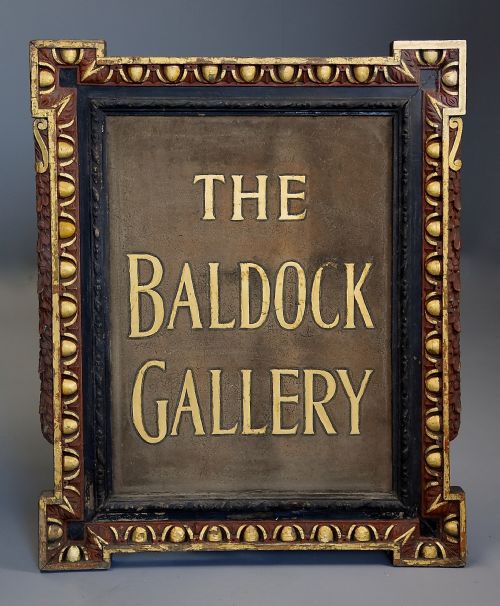


Carved Wood Trade Sign
A carved wood trade sign brings historic commerce into a room, offering bold lettering and figurative sculpture that mark out past shops and trades.
Carved Wood Trade Sign
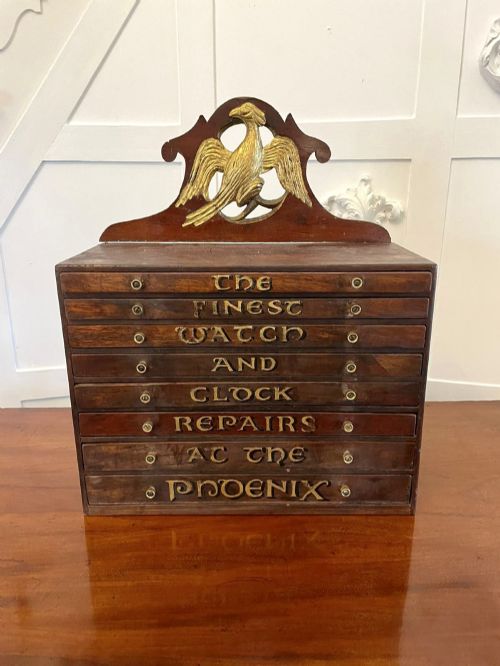
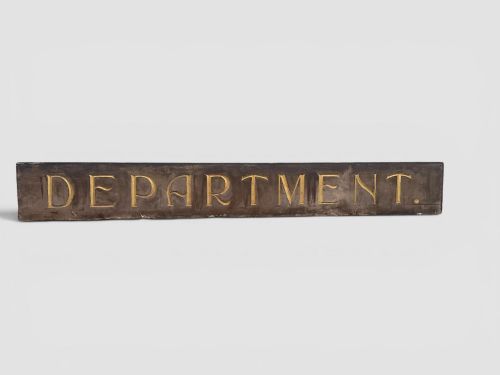
A carved wood trade sign acts as an indicator of historic commerce, taking the form of wall signs, department store shop signs, and commercial trade figures. These pieces originate from the nineteenth century, including Victorian and Edwardian examples, alongside pieces dated around 1890, 1900, and 1920.
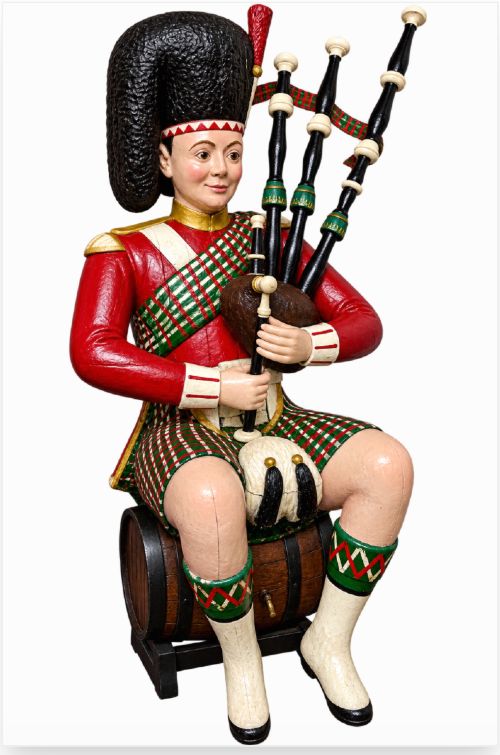
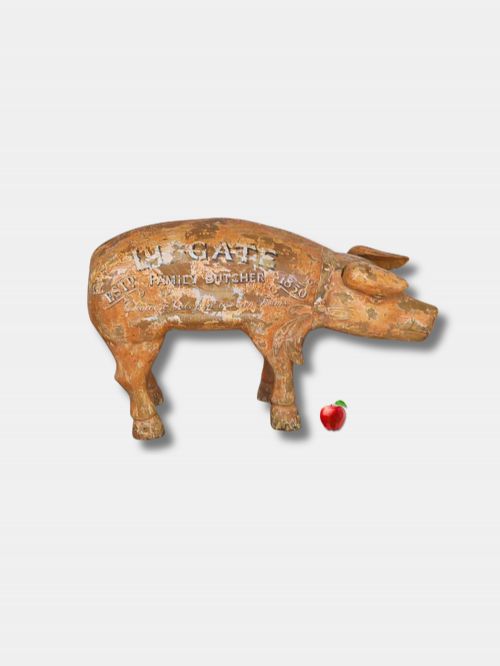
The buyer meets various distinct forms across this selection, ranging from flat painted sign boards to fully three-dimensional figures such as a Highland bagpiper, a rooster shop display, American Indians, and a life-size cricketer. Fish shop signs and butcher signs bearing specific business names also appear within these listings.
Origin and regional style vary across the group, with English butcher signs and French hand-painted pharmacy sign boards sitting alongside American figures and French industrial or provincial pieces. Each object reflects the commercial identity of its period through direct representation of its trade.
How they were made
Makers fashioned these objects primarily from carved solid wood and pine, working the timber into substantial wall boards or fully realised sculptural figures. Carvers applied gesso to prepare surfaces for subsequent decoration, building up dimensional details on lettering and sculptural forms.
Workmen completed the decoration using polychrome paint, oil colours, and gold leaf gilding to ensure high visibility from the street. Iron and other metals occasionally provided structural reinforcement, hanging brackets, or supporting elements for large department store installations.
Carved Wood Trade Sign Retail Price Guide 2026
Typical asking prices for carved wood trade sign among the pieces listed under this phrase on Sellingantiques today, from the lower quarter to the upper quarter. They describe what is for sale here now, not the wider market.
Current listings feature materials including carved wood, paint, gold leaf, gesso, iron, and metal across the nineteenth and early twentieth centuries.
What varies in quality
The distinction between standard commercial signage and superior examples rests upon the depth of the carving and the fidelity of figurative sculpture. Life-size figures and detailed animal carvings require advanced sculptural skill, separating simple board lettering from masterwork trade displays.
The preservation of original surface treatments, including layered polychrome paint and genuine gold leaf gilding, determines the visual integrity of each piece. Signs retaining their authentic historical lettering and unblemished pictorial layers command greater visual presence than later repainted surfaces.
The Carved Wood Trade Sign Glossary
- Polychrome paint
- Decoration executed in multiple colours. This technique brought visual clarity and realism to nineteenth-century trade figures and shop boards.
- Gold leaf
- Thin sheets of hammered gold applied to gesso or wood surfaces. Guilders utilised this material to highlight lettering and architectural details on prominent street signs.
- Gesso
- A plaster-like preparation mixture applied to wood. Carvers used this ground to create a smooth, durable base for subsequent painting and gilding.
- Folk art
- Utilitarian objects created by traditional artisans rather than academic sculptors. Trade signs often fall into this category due to their direct, unpretentious execution.
Carved Wood Trade Sign: Frequently Asked Questions
How were these signs displayed?
Shopkeepers mounted these pieces on exterior walls, above doorways, or directly outside premises to catch the eye of passing street trade.
Larger figures and department store boards stood on pavements or hung from iron brackets to advertise specific goods and services.
What trades do these signs represent?
The available pieces represent a wide variety of nineteenth and early twentieth-century businesses, including butchers, fishmongers, and locksmiths.
Figurative pieces also advertised specialist goods such as tobacco, cigars, and art galleries through symbolic representation.
How do I date a trade sign?
Dating relies upon examining the underlying wood, the style of the hand-painted lettering, and the formulation of the polychrome pigments.
Stylistic cues from Victorian, Edwardian, and French provincial design periods help narrow the decade of manufacture.
Are trade signs suitable for indoor display?
These large wooden boards and sculptures adapt well to interior spaces as prominent wall art or freestanding decorative focal points.
Their robust construction and historical painted surfaces add texture and character to domestic and commercial rooms.