



Folk Art Painted Sign
These pieces of folk art painted sign bring home the character of old trade and village life through honest brushwork.
Folk Art Painted Sign
A folk art painted sign represents the practical side of vernacular creativity, made to advertise butchers, bakers, and traders in the nineteenth and twentieth centuries. These objects appear as large timber display boards, metal advertising panels, and fairground game boards from the Edwardian and Victorian periods.
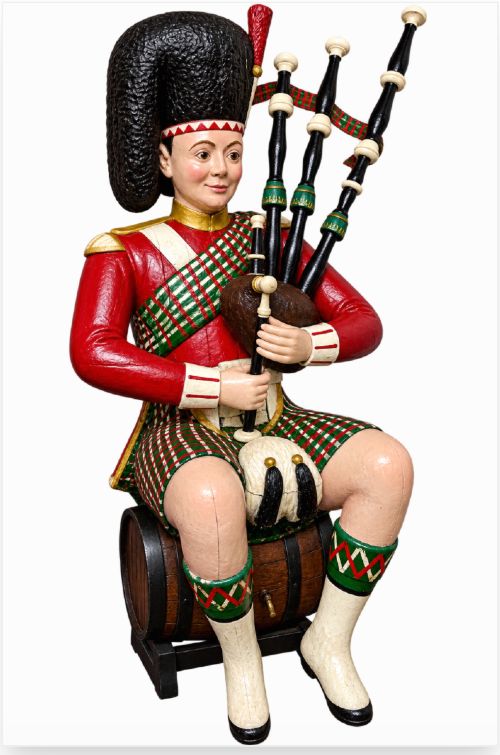
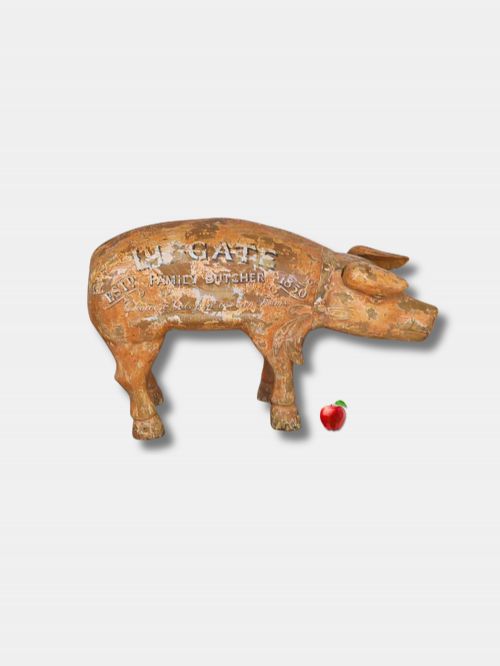
Buyers also encounter related commercial trade figures, carved wooden models, and rustic shop displays alongside flat painted boards. The selection spans English butcher signs, French butcher displays, and mid-twentieth century cottage signs designed for immediate commercial or decorative impact.
Materials and construction
Workshops constructed these pieces using solid timber, pine, and carved wood, frequently applying polychrome paint directly to the wooden surface. Metal components and glass elements appear where durability or specific trade requirements demanded them.
Makers shaped trade figures and large display boards by hand, layering paint to withstand outdoor exposure and daily use. The application of pigment relied on straightforward signwriting techniques rather than academic fine art methods.
Folk Art Painted Sign Retail Price Guide 2026
Typical asking prices for folk art painted sign among the pieces listed under this phrase on Sellingantiques today, from the lower quarter to the upper quarter. They describe what is for sale here now, not the wider market.
A life-size wooden cricketer stands ready to face an imaginary bowling attack from a bygone Edwardian summer afternoon.
Judging quality and character
Quality rests upon the strength of the original lettering, the confidence of the hand-painted brushwork, and the preservation of the surface pigment. Pieces with untouched, weathered paint surfaces carry greater visual presence than those with heavy modern overpainting.
The scale and sculptural ambition of the object also set examples apart, ranging from simple timber boards to large carved figures and detailed models. Proportion, authentic wear from trade use, and clear vernacular charm define the upper tier.
R.D. Roberts
The Folk Art Painted Sign Glossary
- Trade sign
- A board or figure displayed outside a shop or business to advertise goods or services. These items rely on bold lettering and clear symbols for quick recognition.
- Polychrome paint
- The application of multiple colours to a single wooden or metal surface. This finish gives these objects their bright, decorative appeal.
- Fairground panel
- A painted wooden section removed from a carnival ride or game. These panels often feature spirited imagery intended to attract amusement crowds.
- Vernacular
- Objects made by local craftsmen or tradesmen without formal academic training. This tradition prioritises practical utility and direct expression.
- Primitive
- A descriptive term for art or objects lacking classical perspective and refinement. The style gains its appeal from unpretentious honesty and direct execution.
Folk Art Painted Sign: Frequently Asked Questions
Where were trade signs displayed?
Traders mounted these boards and figures outside shops, markets, and inns to catch the eye of passersby on busy nineteenth-century streets. They served an entirely functional purpose to announce the trade carried on within.
Later examples transitioned into fairground settings or found new life as decorative wall art within domestic spaces. Their placement shifted from commercial necessity to decorative appreciation.
How do I date an old sign?
Dating relies on the style of the lettering, the construction of the timber backing, and the composition of the paint layers. Victorian and Edwardian pieces often display specific typographic quirks and construction methods typical of the period.
Comparing the object to dated examples helps narrow the decade of origin. Physical wear also offers clues about how long the piece spent exposed to the elements.
Are these signs weatherproof?
While originally built to endure outdoor conditions, surviving pieces now carry decades of wear that makes them sensitive to modern weather. Most owners choose to display them indoors to protect the remaining original paint.
Placing them away from direct moisture and extreme temperature changes preserves the timber and pigment. Indoor hanging secures the longevity of these vernacular objects.
What is the difference between trade signs and fairground panels?
Trade signs were commissioned by specific merchants like butchers and bakers to advertise daily commerce. They feature straightforward lettering and imagery relevant to the trade.
Fairground panels were made for entertainment, featuring brighter, more theatrical scenes designed for amusement rides and games. Both fall under the broader umbrella of folk art but served very different public environments.