



Commercial Pub Signage
Commercial pub signage brings striking historical character into a space, offering bold lettering and enduring craft.
Commercial Pub Signage
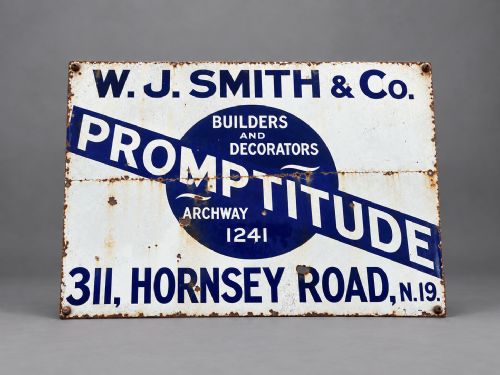
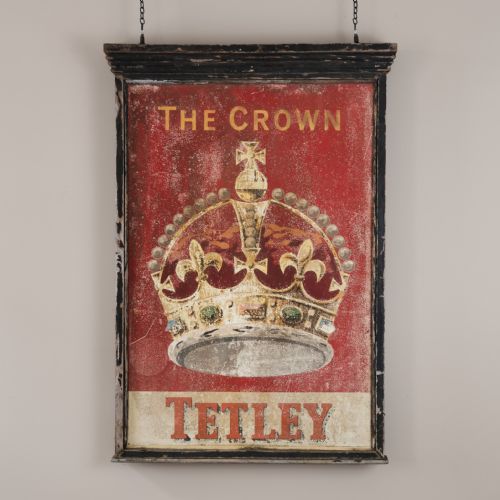
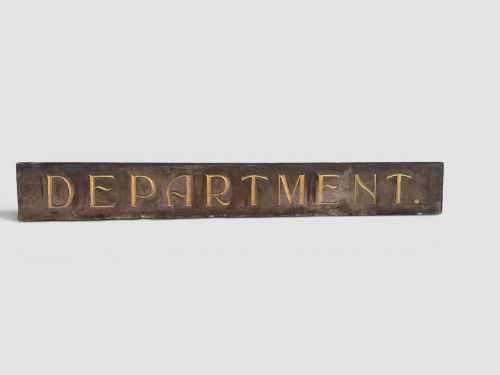
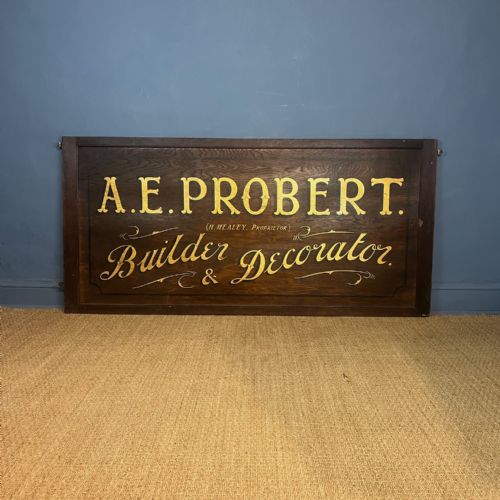
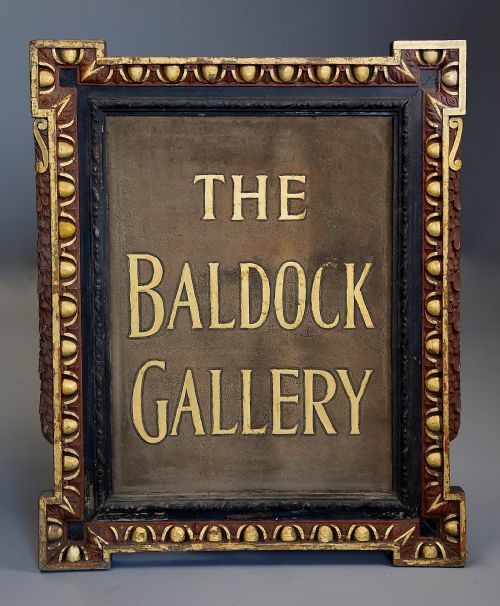
Commercial pub signage comprises large trade signs, wall signs, and hanging signs designed to advertise businesses and public houses from the nineteenth and early twentieth centuries. These pieces carry the visual history of British commerce, displaying the trades and names of earlier eras across durable surfaces. Buyers seeking commercial pub signage will find hanging variants and double-sided boards suited to prominent interior or exterior display.
The selections available here lean heavily into early twentieth-century examples alongside nineteenth-century survivals, spanning styles from Victorian and Edwardian to Art Deco and traditional British. Common forms include double-sided hanging boards and painted wall signs made to catch the eye of passers-by. Each piece serves as a direct link to historical high streets and neighbourhood locals.
How they were made
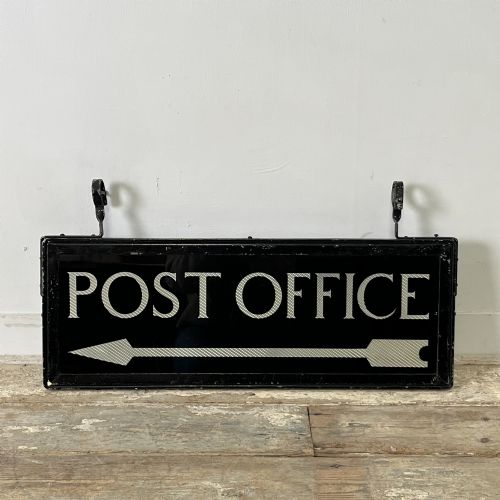
Signwriters and craftsmen utilised timber substrates such as pine, oak, and general wood, often shaping them into heavy panels or framing them with iron and wrought iron brackets. Metal and copper elements also appear, providing the structural strength needed for hanging exterior fixtures exposed to the weather. Carved wooden details give relief to lettering and pictorial symbols.
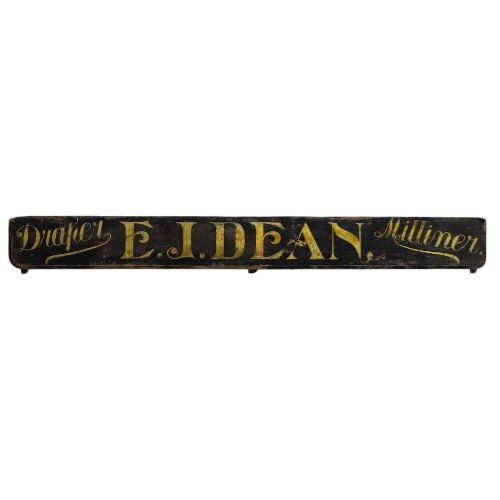
Surfaces were finished with durable paint and hand-applied gold leaf to ensure visibility from a distance and longevity against the elements. Glass panels feature in specialised direction signs, framed securely to withstand daily use. The combination of painted text and gilded highlights remains a defining trait of these works.
Listings span the nineteenth century through the 1930s, incorporating materials such as wrought iron, gold leaf, pine, and oak.
What varies in quality
Quality rests in the crispness of the hand-painted lettering, the skill of the carver, and the integrity of the original surfaces. Signs that retain their authentic gilding and undisturbed layers of historical paint command greater appreciation from collectors. The complexity of the typography and the balance of the pictorial elements further distinguish superior examples from plain utility boards.
Structural preservation also dictates distinction, particularly in the ironwork brackets and heavy wooden frames. Pieces that retain their original hanging hardware and double-sided integrity demonstrate a higher grade of workshop production. The depth of character in the weathering tells a story of genuine age rather than manufactured distress.
The Commercial Pub Signage Glossary
- Gilding
- The application of thin gold leaf to a surface to create luminous lettering and decorative highlights. This technique ensured signs caught the light and remained legible in poor weather.
- Trade Sign
- A board or hanging object displaying the profession or wares of a merchant to illiterate or passing publics. These objects hung outside shops long before uniform modern branding.
- Wrought Iron
- Tough, malleable iron beaten into shape by a blacksmith to create robust brackets and hanging arms. It allowed heavy wooden signs to project safely over pavement spaces.
- Signage
- Collective term for visual graphics created to display information to an audience. In historical contexts, these were laboriously hand-painted by skilled artisans.
Commercial Pub Signage: Frequently Asked Questions
Are these signs weatherproof for outdoors?
While many were originally built for exterior use, decades of history mean surviving examples often prefer sheltered exterior spots or interior display.
Protecting them from prolonged damp preserves the remaining paint and underlying timber.
What is the difference between trade and pub signs?
Trade signs advertised specific professions such as milliners, locksmiths, or pawnbrokers, whereas pub signs specifically named or illustrated the local public house.
Both served identical commercial functions on the historical high street.
How do I clean an antique painted sign?
Dust the surface gently with a soft, dry cloth to remove loose particles without disturbing delicate historical paint layers.
Avoid liquid cleaners, solvents, or harsh scrubbing that might strip the original finish or gold leaf.