
Antique Wooden Lettering
Antique wooden lettering and related desk accessories comprise functional pieces fashioned from timber for correspondence, sorting, and display.
Antique Wooden Lettering
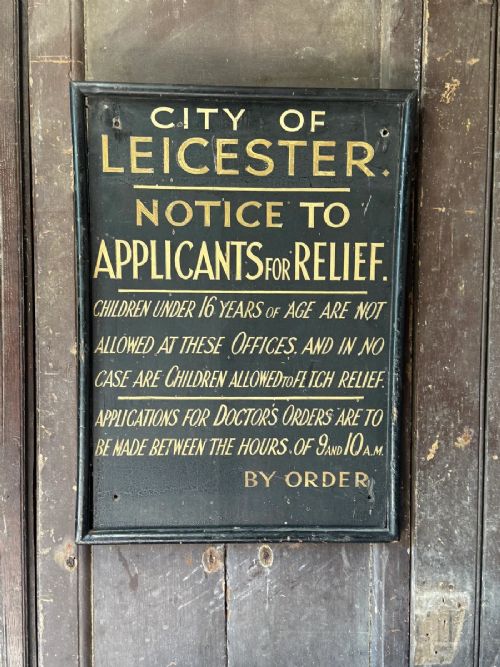
When you search for antique wooden lettering, you encounter desk accessories, signage, and storage boxes designed for written correspondence. These objects emerge primarily from the nineteenth century, the Victorian era, and the early twentieth century.
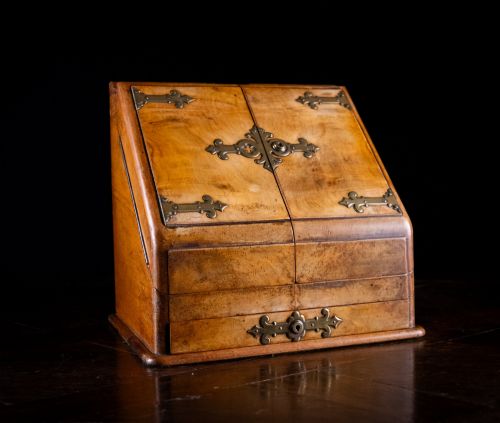
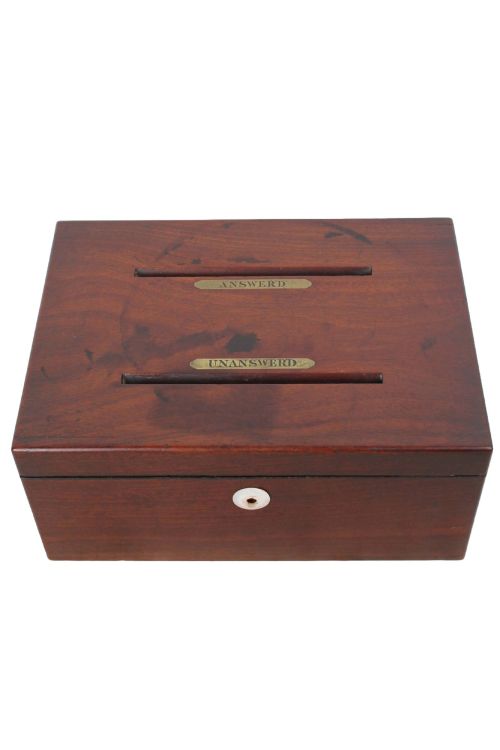
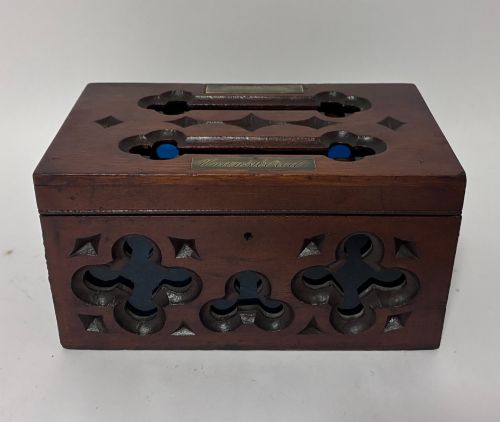
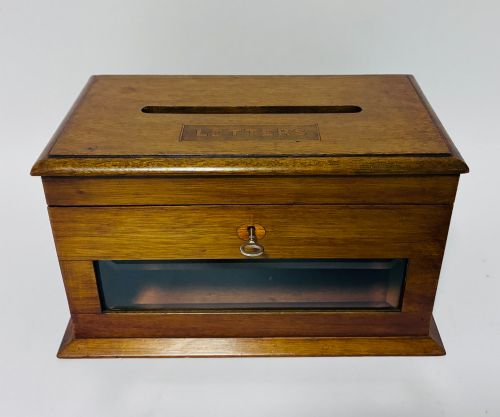
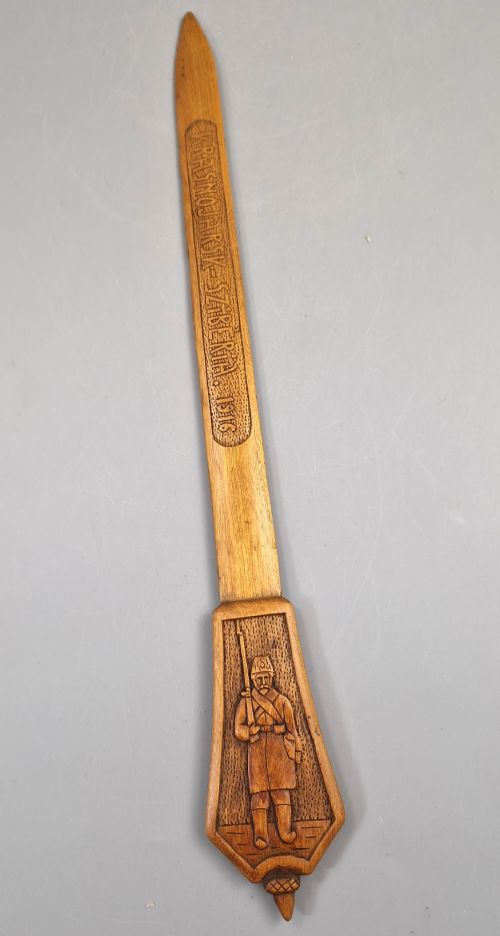
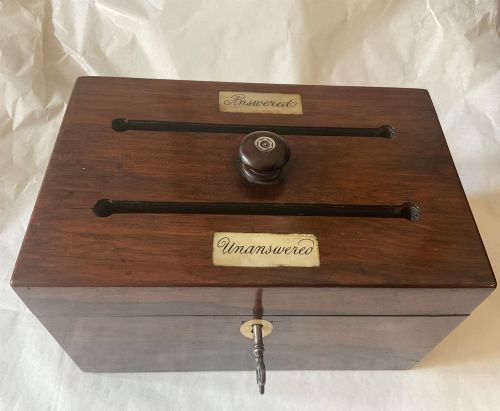
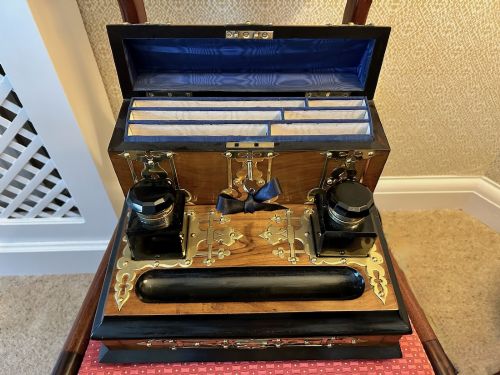
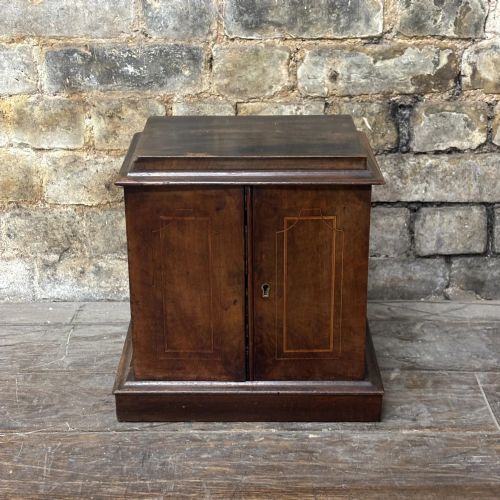
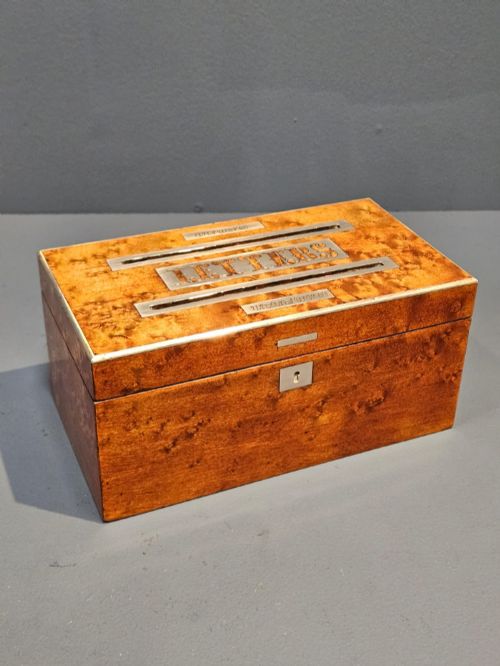
The selections span country house letter boxes, trade signs, stationery cabinets, and carved letter openers. Many items combine practical sorting functions with decorative wooden craftsmanship suited to period interiors.
Materials and construction
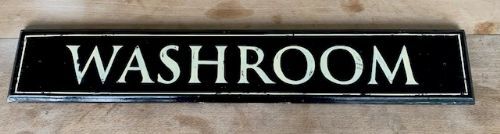
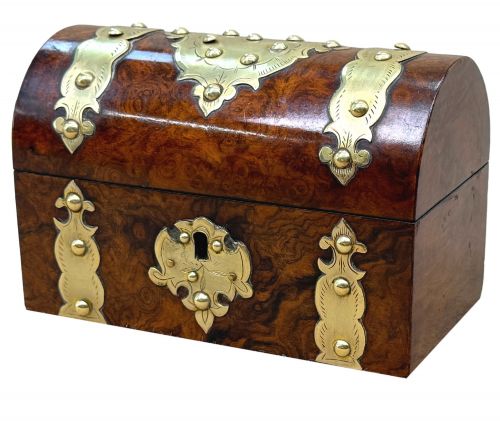
Cabinet makers utilised dense hardwoods such as mahogany, walnut, and oak, often enhancing surfaces with burr veneers or brass mountings. Signage and specific boxes incorporate hand-painted finishes, gilded lettering, and bone or glass detailing.
Inlay techniques, including Tunbridge ware geometric mosaics, decorate fine stationery boxes. Carved items reflect regional folk traditions, trench art methods, and specialised workshop joinery from the Victorian and Edwardian periods.
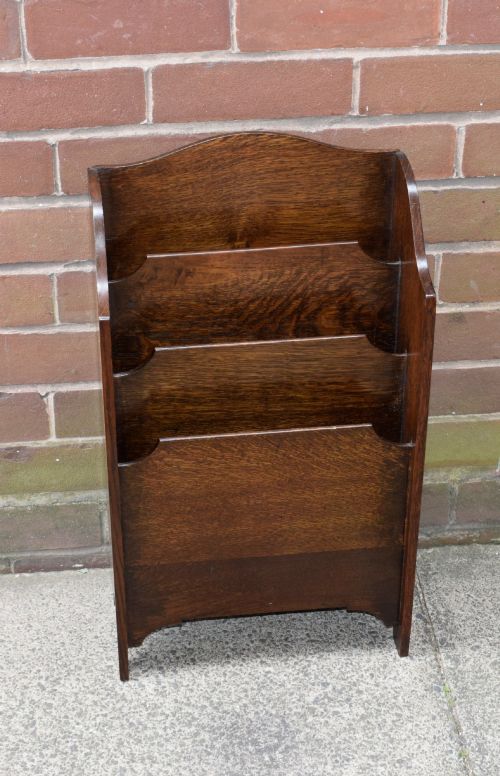
The selection includes functional desk accessories such as correspondence boxes, pigeon holes, and letter openers alongside painted trade signs.
Assessing standard and execution
Superior examples display precise joinery, high-grade timber selections like burr walnut or satinwood, and intact original brass hardware. Signage quality rests on the clarity of hand-painted or gilded lettering and the preservation of original painted surfaces.
Lower tiers typically exhibit simpler construction in plain oak or pine with replacement fittings. The presence of specialised internal partitions, functioning locks, and maker attribution elevate the standing of a desk cabinet or box.
Edmund Nye
The Antique Wooden Lettering Glossary
- Stationery box
- A desk accessory fitted with internal compartments and dividers to hold correspondence paper and envelopes. These cabinets often feature sloping hinged lids or fall-front doors.
- Tunbridge ware
- A form of decorative woodworking originating in Kent, characterised by mosaic patterns built from tiny wood blocks. Artisans created intricate geometric and pictorial designs on small boxes.
- Trench art
- Objects fashioned by service personnel and prisoners of war during military conflicts. Pieces often include carved wooden letter openers utilising locally available materials.
- Trade sign
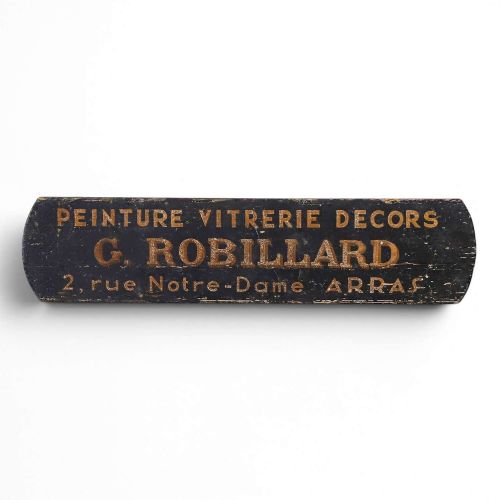
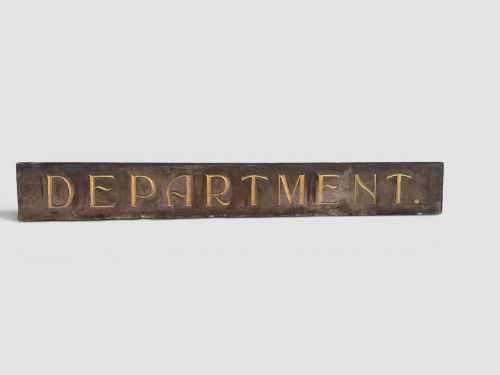
- Exterior or interior signage produced for businesses using hand-painted wood. These boards frequently display the name of a shop or specific commercial services.
Antique Wooden Lettering: Frequently Asked Questions
How do trade signs differ from desk boxes?
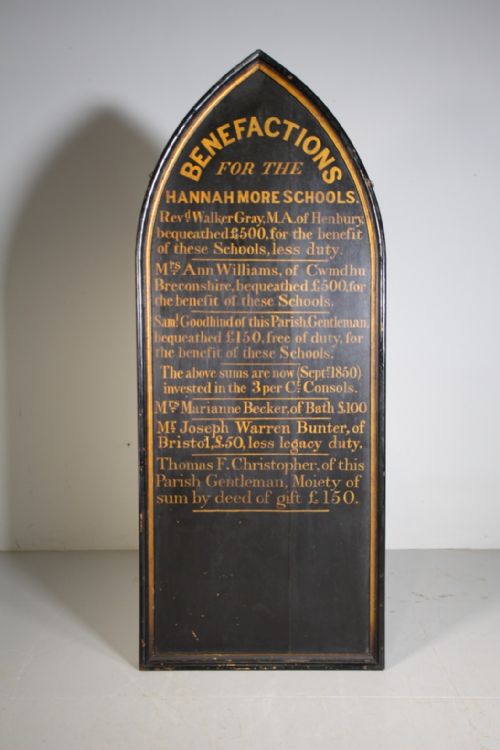
Trade signs are large painted wooden boards created for commercial advertising or shop identification rather than private correspondence. They display period typography and painted details.
Desk boxes are smaller, portable storage items designed for personal stationery, featuring internal pigeon holes and velvet-lined writing slopes.
How should I care for antique wooden stationery cabinets?
Keep these items away from direct sunlight and dramatic temperature fluctuations to prevent timber splitting and veneer lifting. Regular dusting with a dry lint-free cloth maintains the polish.
Applying a traditional beeswax polish occasionally helps nourish hardwoods like mahogany and walnut without damaging historic painted surfaces on signs.
How do I distinguish Victorian from Edwardian pieces?
Victorian items often display heavier proportions, darker woods, Gothic revival influences, or elaborate brass mounts and Tunbridge ware inlay. They date from the mid to late nineteenth century.
Edwardian pieces tend to show lighter mahogany construction, simpler inlay, and cleaner lines reflecting early twentieth-century taste.