


Vintage Pub Signage
Vintage pub signage brings immediate character to a room, offering authentic trade history through weathered timber, glass and hand-painted lettering.
Vintage Pub Signage
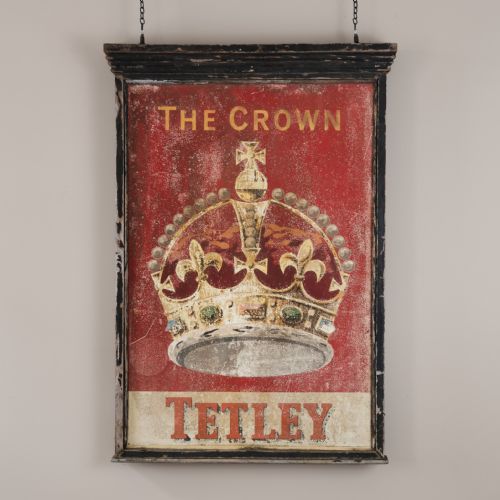
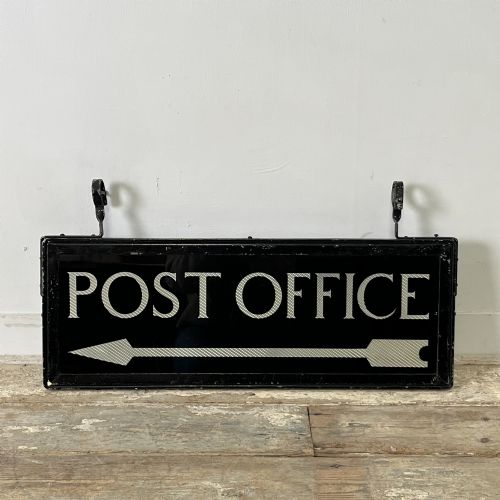
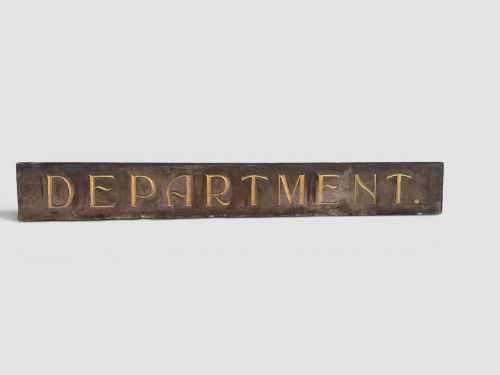
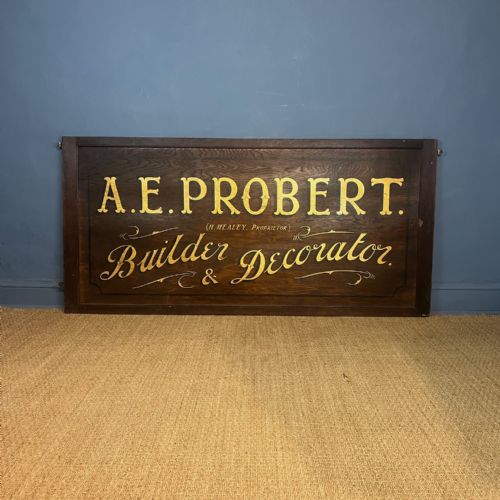
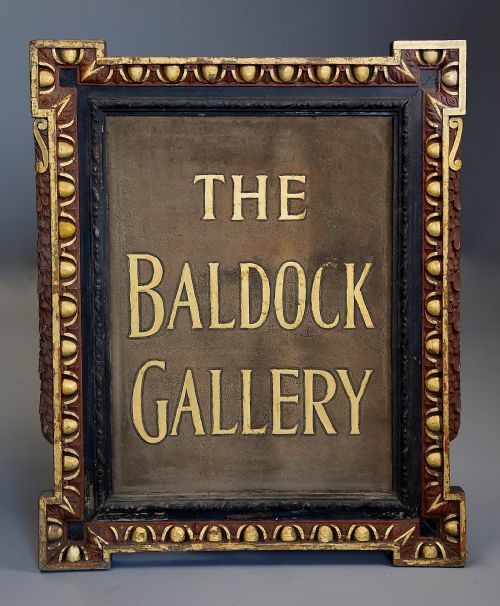
Vintage pub signage encompasses painted, carved and gilded trade boards created to advertise traditional establishments and local commerce. Buyers searching for vintage pub signage encounter substantial painted wooden panels, hanging iron brackets and double-sided directional markers.
The selections span the nineteenth century through the mid twentieth century, drawing on Victorian, Edwardian and Folk Art traditions. Many examples reflect everyday British trade use, incorporating durable materials designed to withstand outdoor conditions.
Forms range from large wall-mounted boards to projecting signs intended to catch the eye of passers-by on bustling streets. Each piece carries the physical marks of its working past, from weathered paint layers to aged iron fixings.
Materials and construction
Sign makers relied on sturdy timbers such as pine and oak to build the primary boards and hanging panels. These woods were frequently shaped, carved and painted by hand to create clear lettering and pictorial symbols for tradespeople.
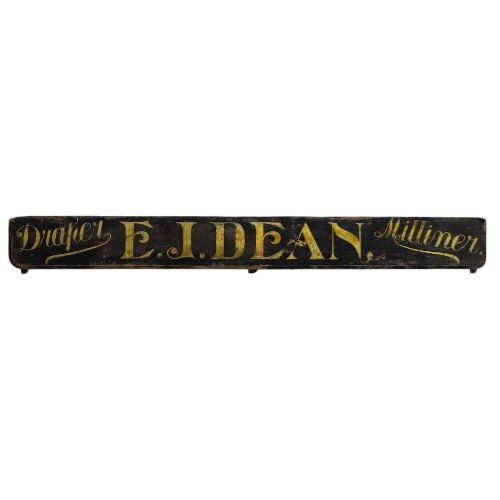
Surface decoration often involved signwriters applying traditional oil paints alongside gold leaf for lettering that caught the light. Iron brackets and fixings were forged to support the weight of heavy exterior signs safely.
Glass panels appeared in directional and municipal signage, sometimes paired with wooden frames or metal housings. Protective layers of paint helped preserve the materials against moisture and changing weather.
A few old signs retain traces of bird lime, proving their dedication to authentic outdoor street life.
Assessing quality and authenticity
Quality in trade signs rests on the strength of the original signwriting and the integrity of the materials. Bold, confident brushwork and well-proportioned lettering distinguish superior artistic execution from simpler commercial work.
The depth of character comes from genuine weathering, where multiple layers of historic paint emerge naturally through age. Retaining original ironwork, brackets and mounting hardware adds significant substance to a piece.
Proportion and scale dictate visual impact, with larger double-sided boards and carved pictorial elements commanding attention. A coherent relationship between the substrate wood and the surviving paint surface governs the overall harmony.
The Vintage Pub Signage Glossary
- Gold leaf
- Extremely thin sheets of beaten gold applied to lettering and decorative details. This technique provided a luminous finish that remained legible in dim light.
- Trade sign
- Any board, symbol or structure displayed outside a shop or public house to indicate the business within. These objects served both practical navigation and advertising functions.
- Folk art
- Utilitarian items made by self-trained craftspeople without formal academic design constraints. In signage, this appears in idiosyncratic lettering and charming pictorial carvings.
- Double-sided
- A sign finished on both faces so pedestrians coming from either direction could read the trade name. These typically hung from projecting exterior brackets.
Vintage Pub Signage: Frequently Asked Questions
How were hanging pub signs mounted?
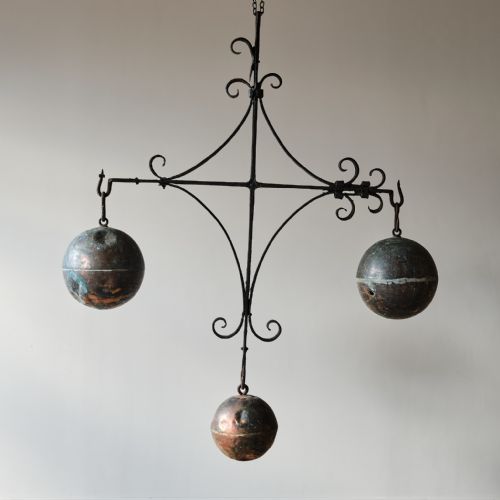
Hanging signs were suspended from robust wrought iron brackets fixed directly to exterior brickwork or timber beams. These heavy metal arms allowed the panels to swing freely in the wind while bearing the substantial weight of the wood.
Many brackets featured scrollwork or forged braces to provide extra stability against adverse weather conditions. The connection points often show generations of repair and adaptation to different buildings.
Can these signs be hung outdoors again?
Most historic signs are sensitive to modern moisture levels and extreme temperature fluctuations after decades indoors or in protected environments. Re-exposing them to the elements can accelerate the degradation of historic paint and timber substrates.
Displaying them on interior walls ensures the surviving pigments and gold leaf remain stable for the future. Proper indoor placement protects the delicate patination achieved over a century or more of existence.
How do I identify Victorian signs?
Victorian examples frequently display denser timbers, heavier ironwork and dense layers of lead-based oil paint applied by traditional signwriters. The lettering styles lean towards ornate serif fonts, shaded block capitals and intricate hand-painted pictorial motifs.
Examining the fixings and the back of the board often reveals hand-cut nails or aged screws consistent with nineteenth-century carpentry techniques. The natural wear patterns show deep integration with the surrounding building fabric over many decades.
What is the difference between trade signs and pub signs?
Trade signs encompass a broad category covering milliners, locksmiths, pawnbrokers and general merchants as well as public houses. Pub signs specifically relate to the hospitality trade, often featuring pictorial names like animals, local figures or historical events.
While construction methods overlap significantly, pub signs frequently incorporated stronger hanging brackets to endure exterior street conditions. General trade signs were sometimes flatter wall-mounted boards designed to sit flush beside a shop doorway.