

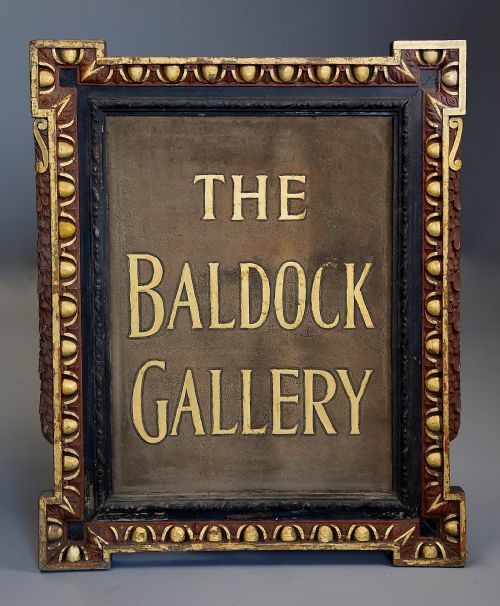


Painted Shop Signage
These painted shop signage pieces bring authentic commercial history into a room, offering genuine hand-lettered character from past high streets and trades.
Painted Shop Signage
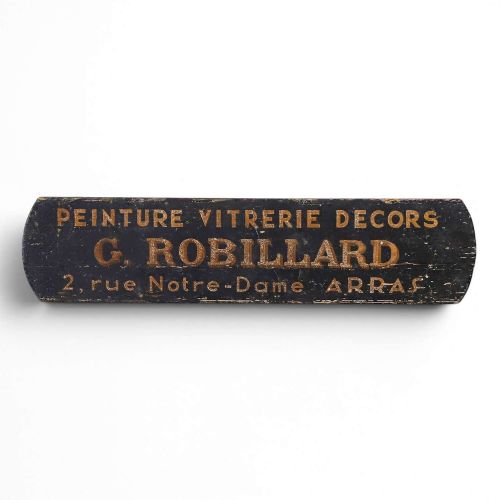
Painted shop signage encompasses trade boards, wall signs, and window displays that once advertised local merchants and professionals.
The pieces on this page span the Victorian, Edwardian, and Art Deco eras, capturing decades of commercial enterprise.
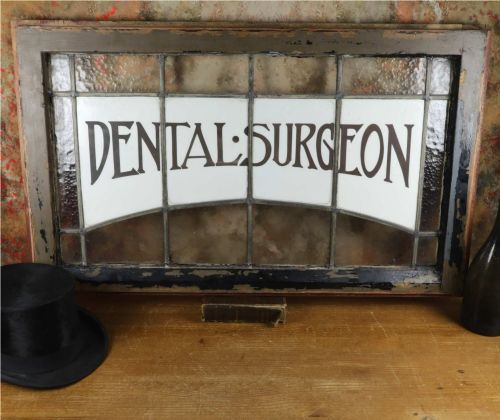
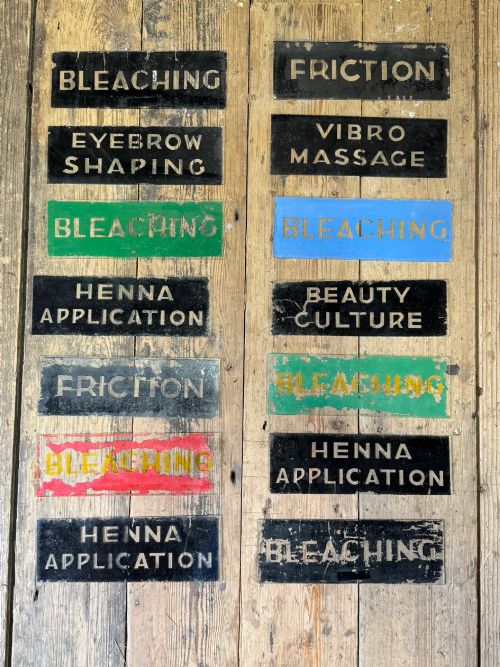
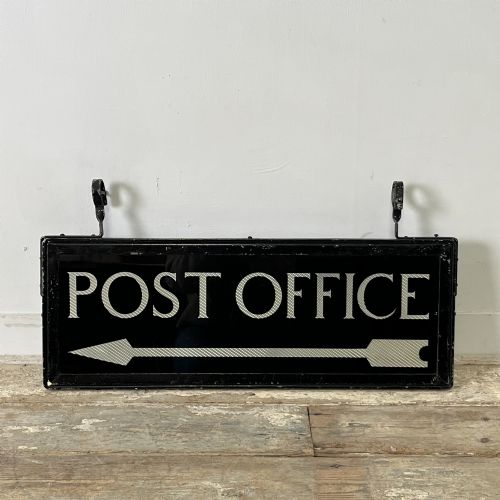
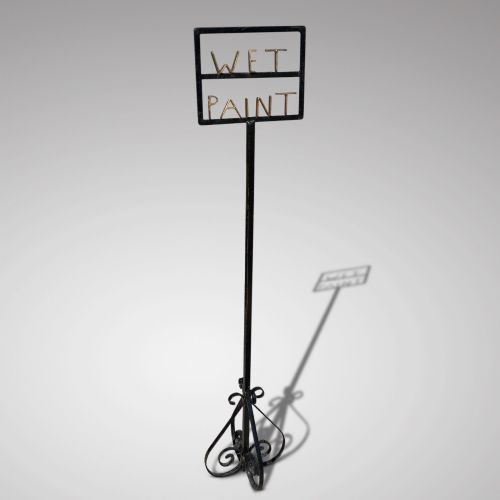
Common forms include wall signs, standing signs, and reverse-painted glass panels originating from chemists, milliners, and dentists.
How they were made
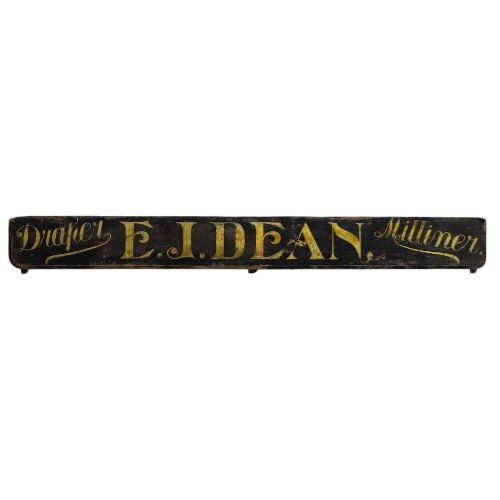
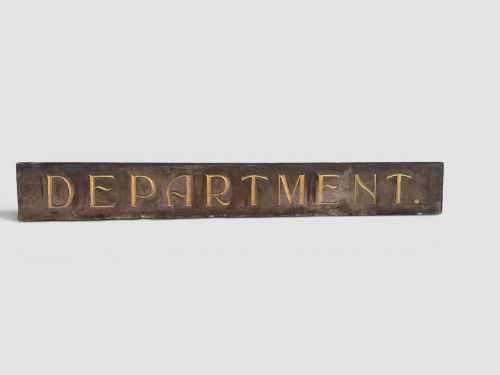
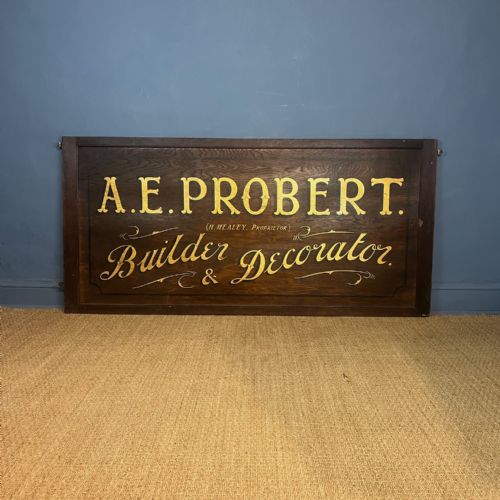
Signs relied upon hand-applied paint and gold leaf laid onto substrates such as wood, pine, oak, and sheet metal.
Glass panels utilised reverse-painting techniques to protect the pigment and create a lustrous frontage.
Frames and supports incorporated wrought iron and timber, combining structural durability with decorative tradesman craftsmanship.
Listings feature items from the 19th Century, Victorian, Edwardian, and 1930s interwar commercial periods.
What varies in quality
Quality rests in the precision of the hand-lettering and the artistry of the original pictorial or gilded elements.
Originality of surface and frame condition dictate the visual impact of each surviving commercial artefact.
The complexity of the commission, from simple trade boards to elaborate reverse-painted glass, sets individual examples apart.
The Painted Shop Signage Glossary
- Reverse-painted glass
- A technique where lettering and imagery are applied to the back of a glass panel so the polished front protects the pigment. This method gives trade signs a glossy, luminous finish.
- Trade sign
- A board or hanging object used by merchants, artisans, and professionals to advertise their business. These objects range from dental practice markers to draper boards.
- Gilded
- Coated with gold leaf or gold dust to highlight lettering and decoration. The technique catches the light to ensure visibility from the street.
- Architectural salvage
- Building elements and fixtures rescued from demolition or alteration. Many vintage advertising boards reach the market through this route.
Painted Shop Signage: Frequently Asked Questions
How do I hang a heavy wooden sign?
Heavy wooden trade signs require secure fixings into structural wall studs or masonry to support their weight safely.
Using sturdy brackets or picture wire rated for substantial loads ensures the sign remains secure without damaging the timber frame.
Can reverse-painted glass signs go outside?
Reverse-painted glass signs are best displayed indoors or in sheltered areas away from direct weathering and moisture.
Exposing old glass and painted surfaces to outdoor elements can cause the protective backing and pigments to deteriorate.
How do I clean an antique painted sign?
Dust the surface gently with a soft, dry cloth to remove loose particles without disturbing flaking paint.
Avoid using chemical cleaners or abrasive liquids that might strip the original hand-lettering or gold leaf.
How can I tell a Victorian sign from a 1930s one?
Victorian and Edwardian pieces often feature traditional serif lettering and heavier timber boards or hand-mixed paints.
Later pieces from the 1930s frequently adopt cleaner typography styles, including Art Deco influences, alongside new synthetic pigments or reverse-glass techniques.