


Black Framed Wall Panel
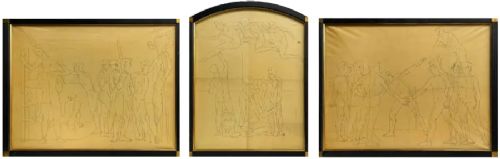
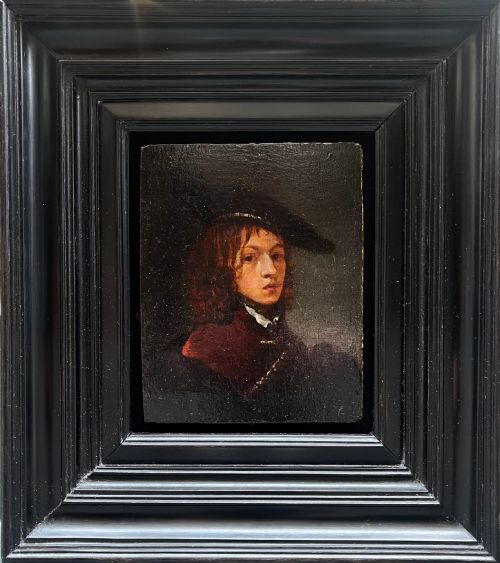
A black framed wall panel brings texture and focus to a room, using dark borders to frame textiles, paintings and carved plaques.
Black Framed Wall Panel
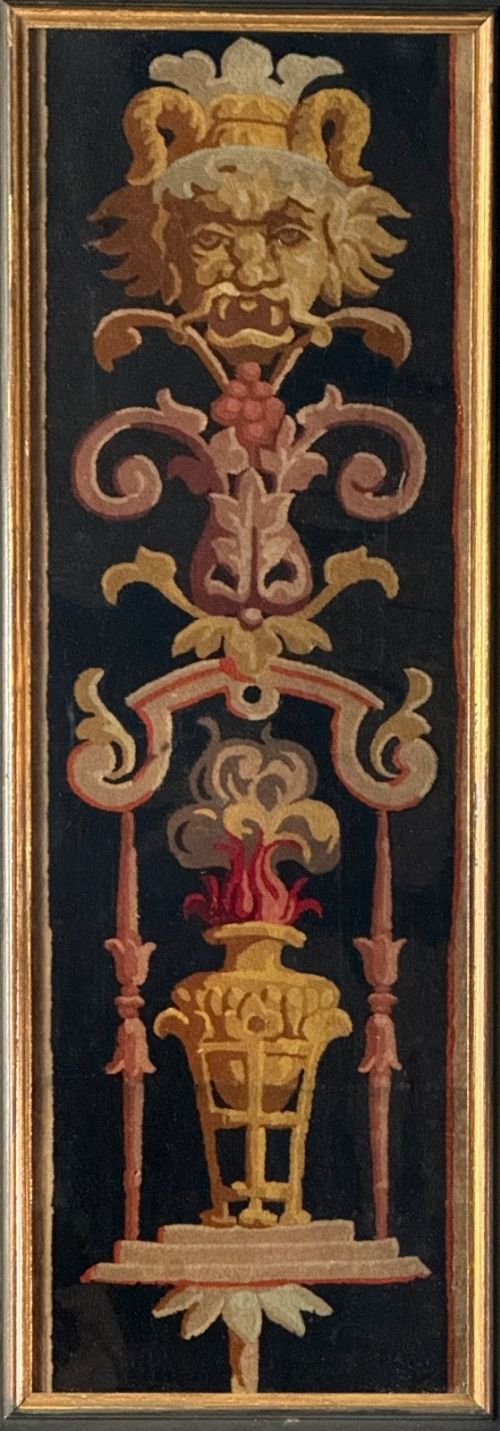
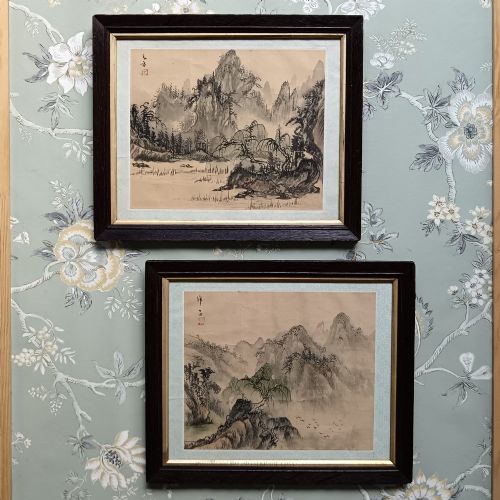
A black framed wall panel refers to decorative items designed for hanging, bounded by dark or ebonised wood and lacquer. The selections here span centuries, ranging from seventeenth-century continental embroidered panels to nineteenth-century Chinese lacquer and silkwork pictures.
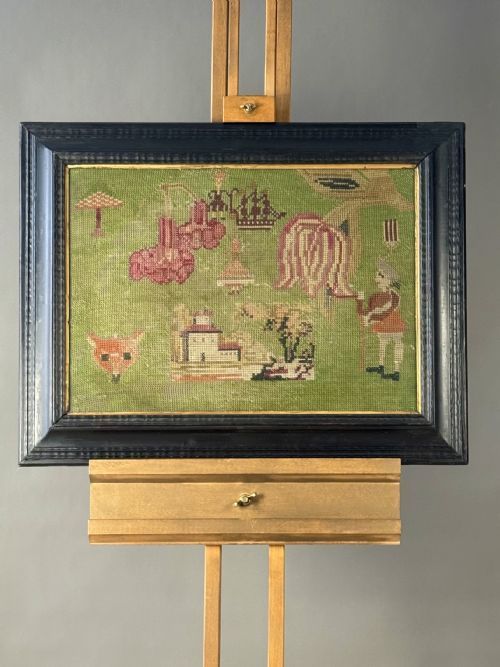
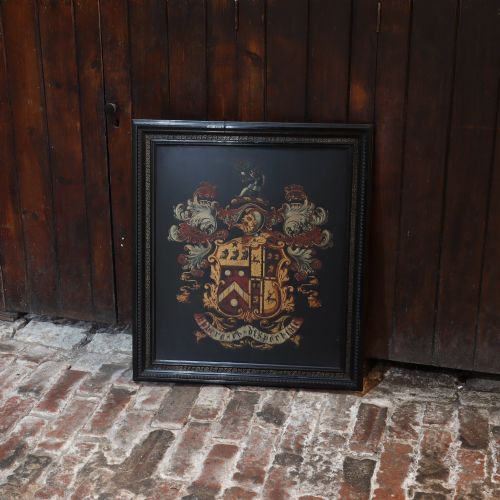
Buyers encounter diverse formats, including needlework samplers, oil paintings on panel, reverse glass paintings and carved wooden plaques. The framing ranges from original simple wooden surrounds to elaborate ebonised and gilt mouldings.
Origins vary widely across European and Asian traditions, encompassing Georgian samplers, Victorian aesthetic movement mirrors and Qing dynasty works. Each object serves as a self-contained focal point for interior display.
How they were made
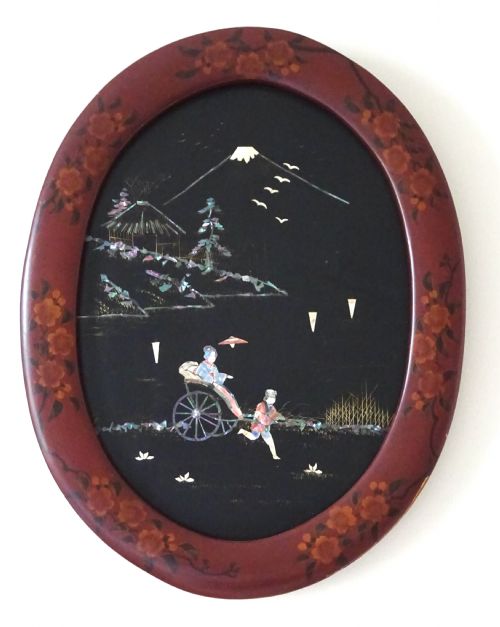
Construction relies on timber framing, often utilising ebonised wood or red lacquer to create the dark border. Within these surrounds, artisans deployed diverse mediums such as oil paint on wood, carved slate, papier-mâché and glass.
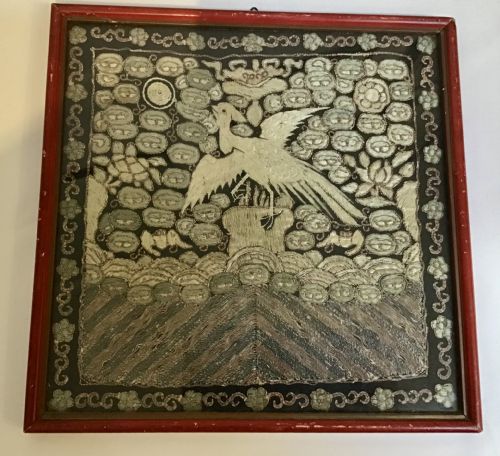
Textile panels employ intricate silk embroidery, needlework and needlepoint mounted securely within the frame. Asian examples frequently incorporate mother of pearl and abalone inlay set into lacquered surfaces.
Frames are constructed to protect fragile contents like silk rank badges, samplers and reverse glass paintings. Joinery methods reflect the period of origin, from traditional nineteenth-century framing techniques to earlier hand-carved surrounds.
One cheerful sign simply commands visitors to stay upon Jehovah, neatly framed in oak with mother of pearl.
What varies in quality
Quality rests in the execution of the central artwork and the integrity of the enclosing frame. Finer examples display meticulous hand-carving, precise needlework and well-preserved surface decoration without modern restoration.
The relationship between the panel and its frame determines visual balance, with superior pieces retaining their original bezels and mounts. Materials such as genuine mother of pearl inlay and hand-mixed lacquers elevate the stature of the work.
Iida Takashimaya Company·James Stroudley·Del Buono
The Black Framed Wall Panel Glossary
- Ebonised wood
- Timber treated with a stain or finish to imitate ebony. This dark treatment was particularly popular during the nineteenth century for aesthetic movement frames.
- Reverse painting on glass
- An artwork applied directly to the rear side of a glass plate so the image is viewed through the front. This technique produces a characteristic glossy finish.
- Needlework sampler
- A piece of canvas worked with various embroidery stitches to demonstrate skill. These often feature alphabets, numbers or moral verses alongside decorative motifs.
- Rank badge
- A square embroidered patch indicating official status in imperial China. They frequently feature birds or animals worked in fine silk threads.
- Pietre dure
- An artistic technique using cut and fitted polished coloured stones to create pictorial images. It appears in hardstone marble pictures set into panels.
Black Framed Wall Panel: Frequently Asked Questions
What periods do these wall panels come from?
The pieces span multiple centuries, starting from the seventeenth century and extending through the Georgian and Victorian eras into the twentieth century. Materials and styles reflect the specific decorative tastes of each period.
You will find seventeenth-century classical embroideries alongside nineteenth-century Chinese lacquer panels and mid-century modernist works.
Are the frames original to the panels?
Many panels retain their original surrounds, such as nineteenth-century ebonised wood, red lacquer or period oak frames. Original framing is noted in descriptions when documented.
Some antique textiles and paintings have been framed at a later date to ensure proper preservation and display.
How should I care for antique silk and textile panels?
Textiles and silk embroidery require protection from direct sunlight to prevent fading of the delicate threads. Keeping them away from excessive moisture preserves the integrity of the fabric.
Glazed frames help shield delicate needlework and silk rank badges from dust and atmospheric pollutants.