
Large Painted Wall Art
Large painted wall art brings grand scale and rich colour into a room, offering striking focal points from past centuries.
Large Painted Wall Art
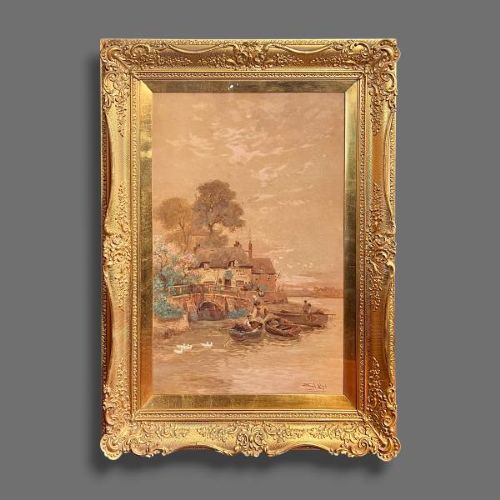
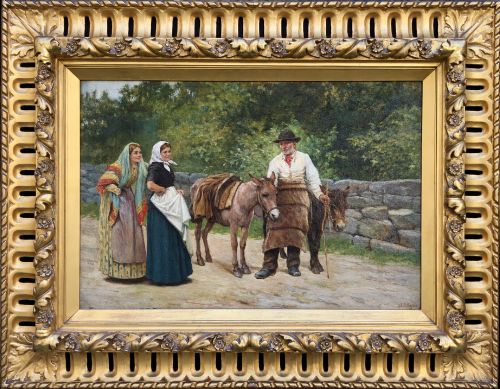
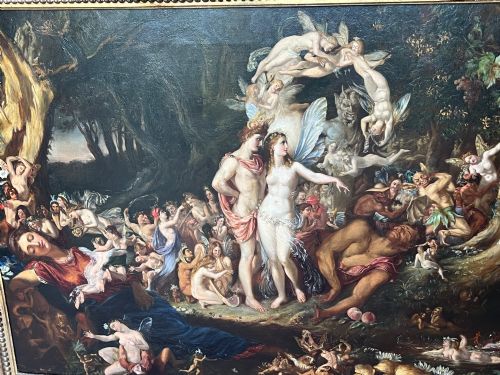
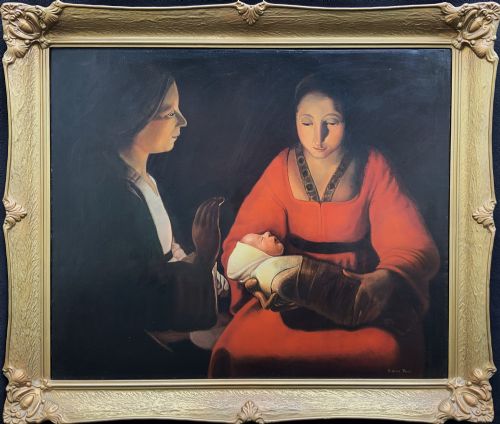
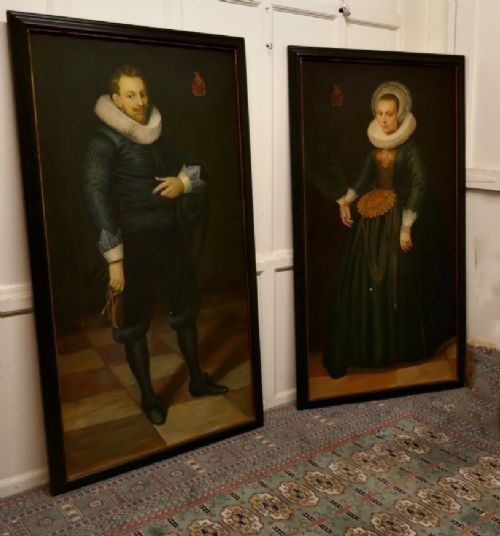
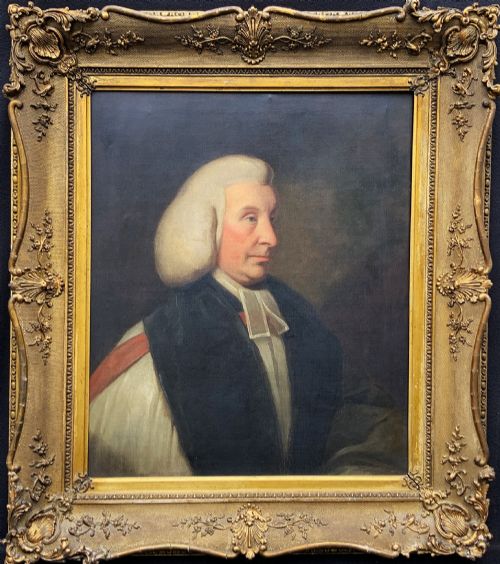
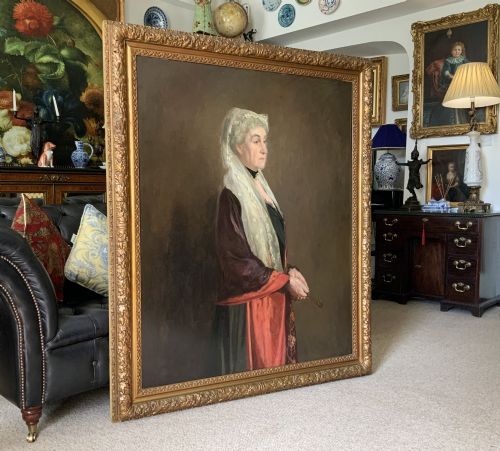
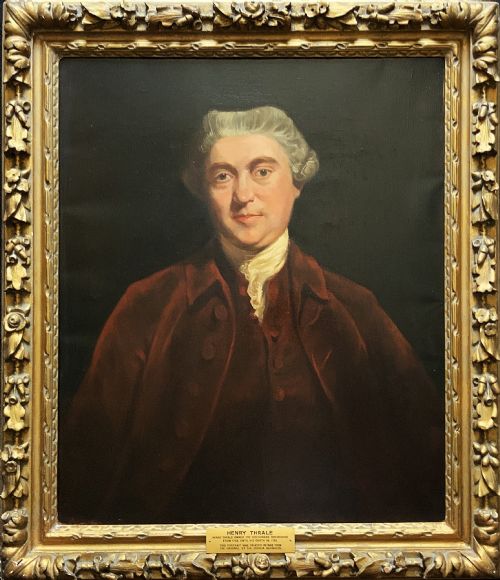
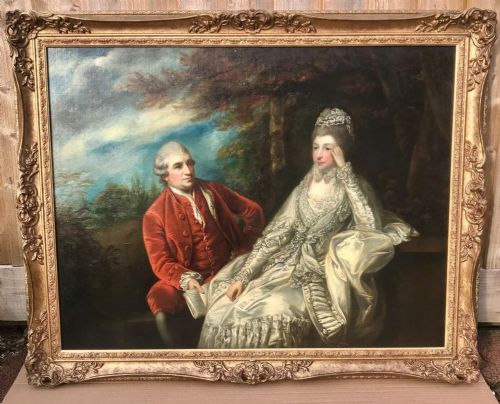
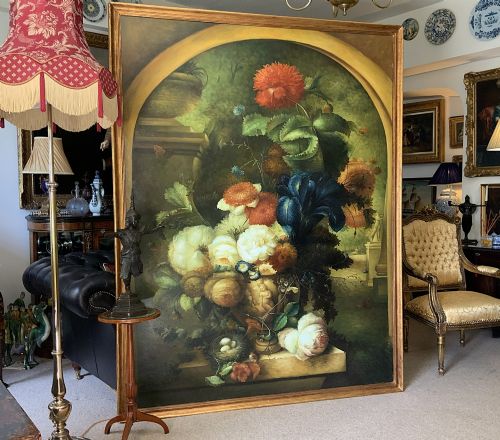
Large painted wall art encompasses monumental canvases, panels, and framed works designed to dominate a substantial interior wall space. When searching for large painted wall art, buyers encounter historic oil paintings, detailed portraits, floral still lifes, and narrative scenes from various periods.
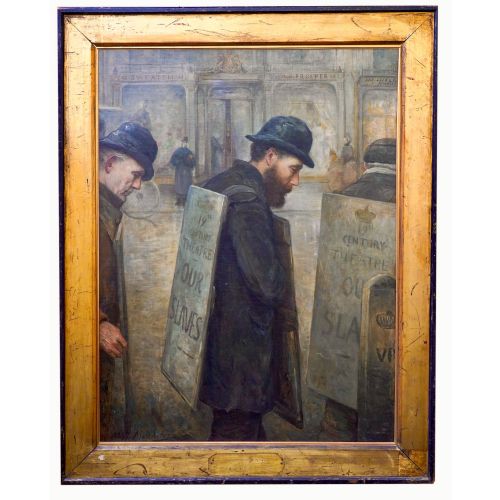
The selection ranges from eighteenth-century portraits and nineteenth-century landscapes to twentieth-century impressionist cityscapes and floral compositions. Many pieces retain their original frames, whether plain wood or ornate giltwood, adding considerable presence to the artwork.
Materials and construction methods
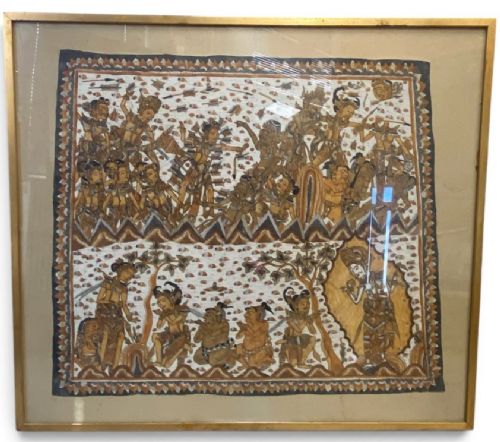
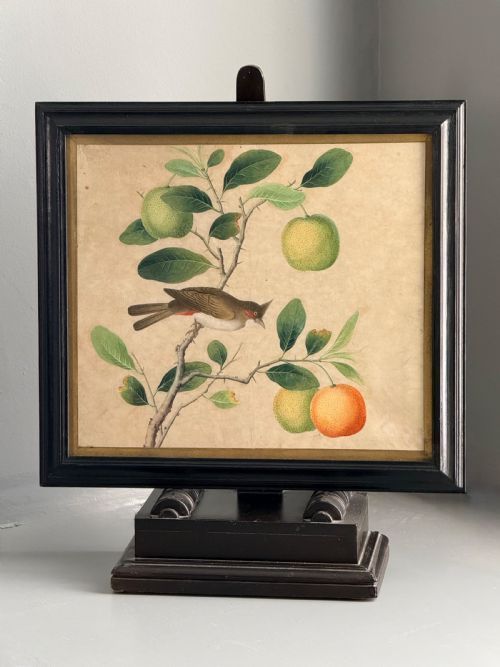
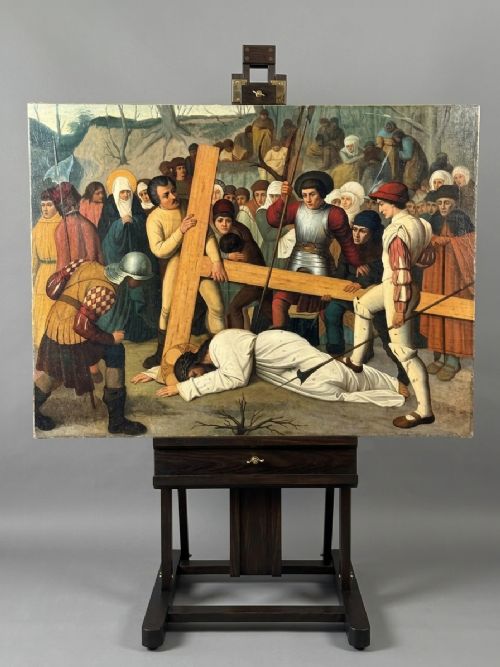
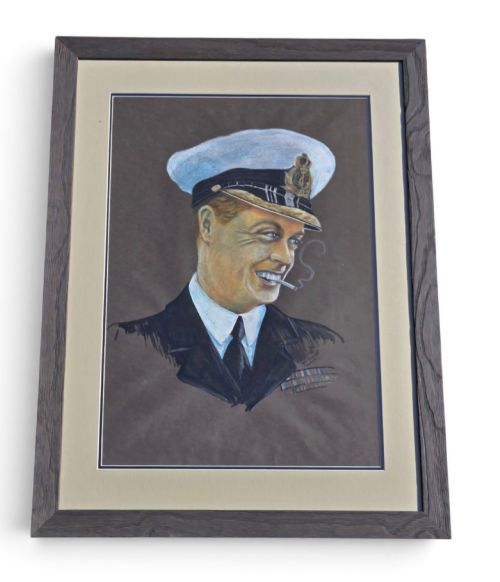
Artists typically applied oil paint or gouache onto stretched canvas, wood panels, pith paper, or textile grounds. Larger compositions frequently employed heavy woven canvas supported by sturdy wooden stretcher frames to bear the weight of thick pigment layers.
Several canvases depict dogs and horses maintaining a steadfast gaze amid dramatic nineteenth-century landscapes.
Factors influencing quality
Quality resides in the precision of brushwork, the depth of perspective, and the anatomical accuracy of figures or botanical detail. Works by identified historic painters or established schools display superior handling of light and shadow compared to decorative studio copies.
The integrity of the original support material and the stability of the pigment layer dictate the overall standard. Pieces with minimal overpainting and well-preserved original frames command greater appreciation among collectors.
Richard Sebastian Bond·Georges de La Tour·Cornelis Van Der Voort·Sir Joshua Reynolds·William Powell Frith·Thomas Smythe·Konstantin Stoitzner·John Opie·TB Hardy·Erich Mercker·Robert Cleminson
The Large Painted Wall Art Glossary
- Oil on Canvas
- A painting technique using pigments bound in a drying oil applied to a woven fabric support stretched over a wooden frame. This medium allowed artists to build rich textures and deep tones.
- Giltwood
- Wood carved and coated with a thin layer of gold leaf or powder. It frequently surrounds substantial historic paintings to enhance their visual impact.
- Gouache
- An opaque water-based paint consisting of pigment, water, and a binding agent such as gum arabic. It produces a dense, matte surface finish on paper or pith.
- Still Life
- An artwork depicting inanimate subject matter, typically commonplace objects such as flowers, game, or fruit. These compositions emphasise arrangement, colour harmony, and texture.
Large Painted Wall Art: Frequently Asked Questions
How do I hang large painted wall art safely?
Substantial artworks require secure fixings anchored directly into masonry or heavy wall studs to support the combined weight of canvas and frame. Using a dual-point hanging system distributes the load evenly and keeps the piece level.
Position the centre of the artwork at eye level, ensuring the wall structure can comfortably bear the vertical load without shifting over time.
What lighting suits historic oil paintings best?
Warm, low-intensity LED picture lights or directional ceiling spotlights highlight the fine details of oil paintings without generating harmful heat. Position fixtures to avoid creating glare or reflections on varnished canvas surfaces.
Keep pieces away from direct, harsh sunlight to prevent the fading of natural pigments and the gradual cracking of aged oil paint.
How can I tell an eighteenth-century canvas from a later copy?
Examine the reverse of the canvas and the wooden stretcher bars for signs of age, hand-cut wedges, and oxidized fasteners. Older supports often show natural fibre darkening and characteristic wear consistent with historic handling.
Stylistic execution, pigment composition, and canvas weave density provide further clues regarding the actual period of creation.