



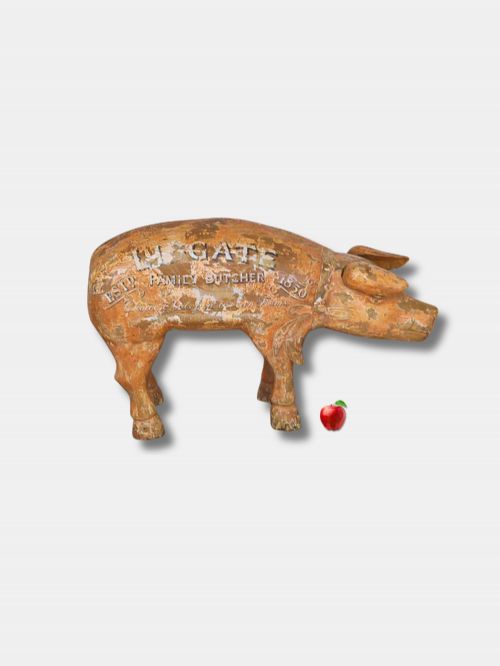



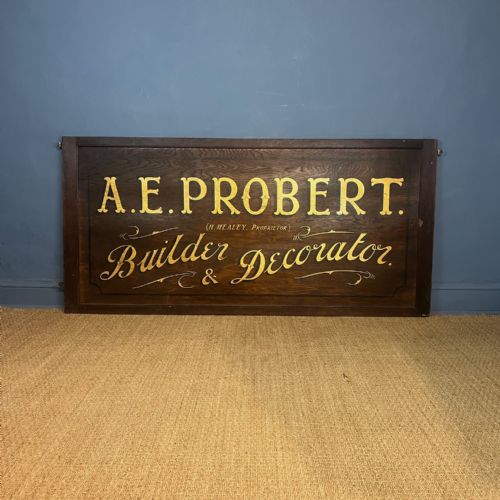


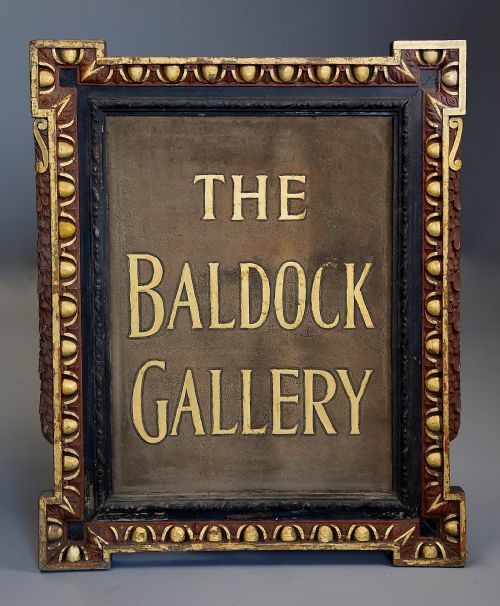

Wooden Shop Sign
A wooden shop sign brings the character of historic high streets into a room, offering tactile lettering, painted surfaces, and centuries of commercial folk art.
How they were made
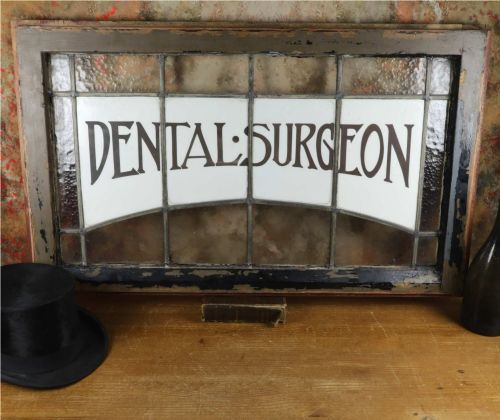
Makers shaped these objects primarily from solid timber such as oak, pine, and carved wood, frequently structuring them with iron brackets or glass panels. Workers constructed display models and trade figures by hand-carving dense blocks of timber before applying initial priming layers.
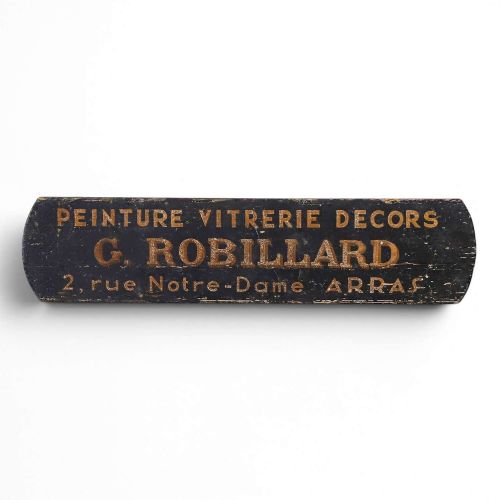
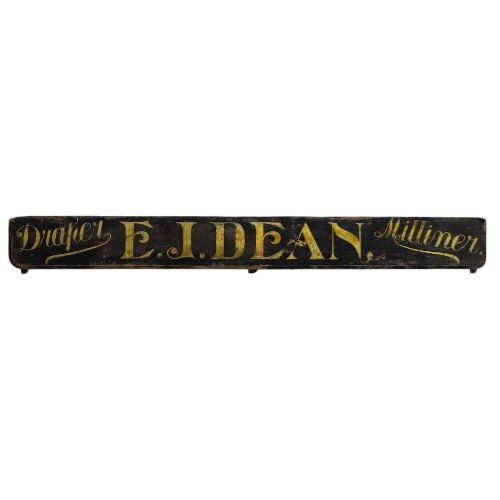
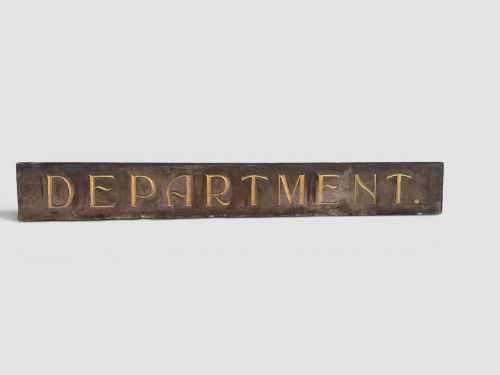
Surface decoration relied heavily on hand-mixed paint, gold leaf gilding, and precise sign-writing to ensure legibility from the street. Artisans built up lettering through multiple coats of pigment, often distressing the finished surface naturally through decades of exposure.
What varies in quality
The distinction between ordinary utility boards and exceptional pieces rests upon the boldness of the original typography and the artistic merit of the hand-painted or carved elements. Superior examples display confident brushwork and balanced lettering executed by skilled professional signwriters rather than local amateurs.
Originality of surface finish dictates the desirability of a piece, with undisturbed paint layers and genuine gold leaf holding greater historic integrity than later repainting. Structural preservation also matters, particularly the stability of carved wooden figures and the retention of original mounting ironwork.
Listings feature timber ranging from humble pine boards and oak cabinets to intricately carved trade figures representing butchers, tobacconists, and dentists.
Gerwin And Co Birmingham
The Wooden Shop Sign Glossary
- Trade Sign
- A board, figure, or object hung outside a commercial establishment to advertise the specific goods or services sold within. These functional items relied on clear symbols and lettering to attract passing customers.
- Gold Leaf
- Extremely thin gold beaten into sheets, applied to wooden lettering and carved details to catch the light and impart a rich finish. It was frequently used on exterior signs for high-end merchants.
- Folk Art
- Objects created by self-taught or traditional artisans outside the formal academic traditions of fine art. In commercial contexts, this encompasses vernacular trade figures and naive painted boards.
- Architectural Salvage
- Building components and attached business fixtures rescued from structures destined for demolition. This category includes large wall signs and projecting trade displays.
- Sign-Writing
- The specialised trade of painting lettering by hand onto timber boards, glass, or walls using specialised brushes and oil-based pigments. Master practitioners achieved remarkable uniformity and stylistic flair.
Wooden Shop Sign: Frequently Asked Questions
How do I hang a heavy wooden sign safely?
Heavy trade signs require robust fixings secured directly into wall studs or masonry rather than relying on standard plasterboard plugs. Distributing the weight across two substantial brackets ensures the timber and original hanging points endure no undue stress.
For larger dimensional boards, professional installation involving concealed metal battens protects the structural integrity of the antique frame.
Should I clean or seal the original paint?
Original painted surfaces are fragile and easily damaged by modern cleaning agents, so intervention should remain minimal. Light dusting with a dry, soft brush is usually sufficient to maintain the surface without disturbing historic flaking paint.
Applying chemical sealants or modern varnishes alters the authentic dry patina accumulated over centuries of commercial use and should be strictly avoided.
How do I tell Victorian signs from Edwardian ones?
Victorian trade signs often feature heavier, more ornate serif lettering styles and deep, rich oil-based paint layers reflecting industrial-era manufacturing. The wood used in this period is typically denser, and signs frequently show heavier wear from exterior placement.
Edwardian examples tend to introduce cleaner typography, brighter highlight colours, and lighter framing methods as commercial design shifted towards refined legibility.
Were these signs displayed outdoors or inside?
While many trade signs hung outside above shop doorways exposed to the elements, others served as interior counter displays or window boards. Exterior examples generally exhibit deeper weathering, sun bleaching, and paint alligatoring from decades of atmospheric exposure.
Protected interior pieces, such as chemist boards and chocolate display cabinets, preserve crisper paintwork and brighter gold leaf details.