



Antique Shop Advertising
Antique shop advertising brings home the tangible history of high street commerce through trade signs, display cabinets and painted figures.
Antique Shop Advertising
Antique shop advertising encompasses the functional items used by businesses from the nineteenth century onward to attract customers and organise their interiors. Buyers seek these pieces to capture the character of historic trades, from grocery and pharmacy to tailoring and hospitality.
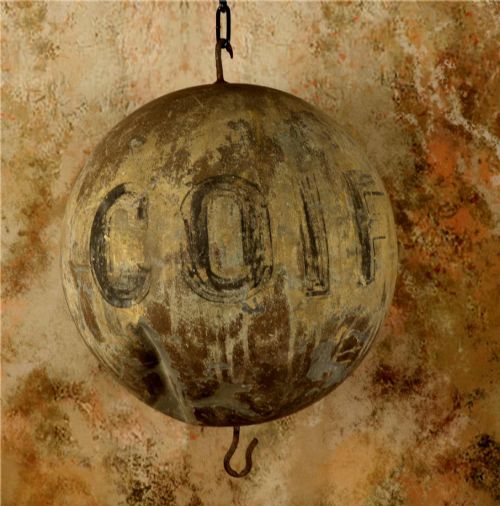
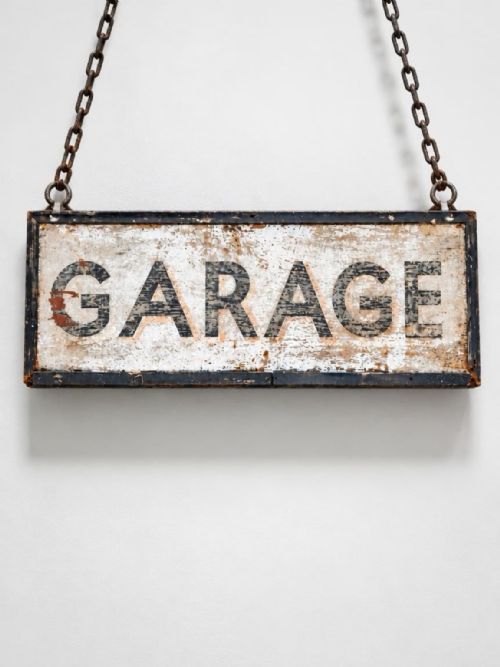
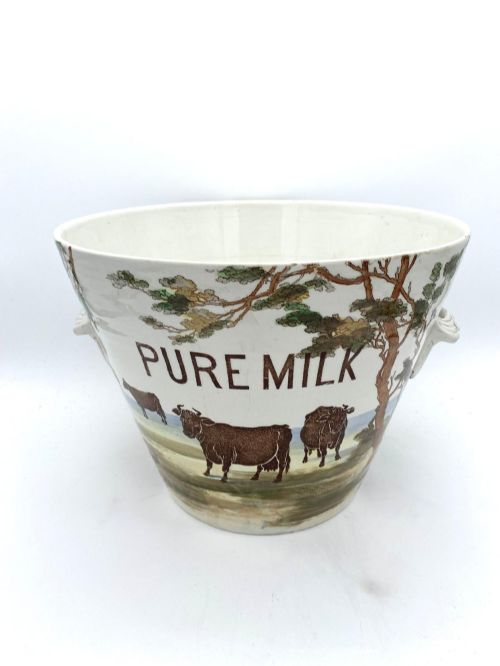
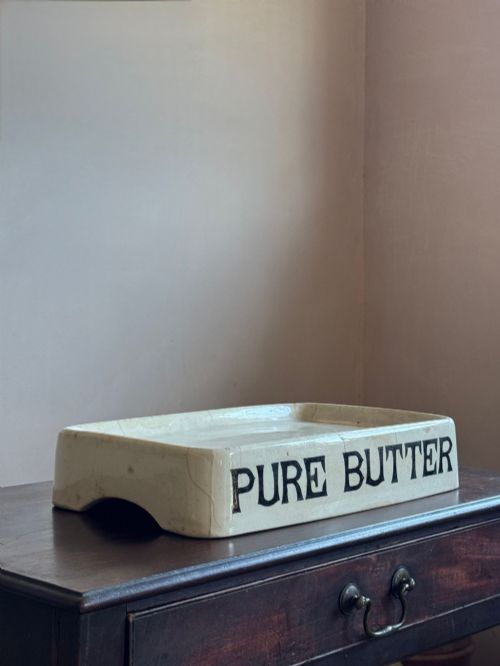
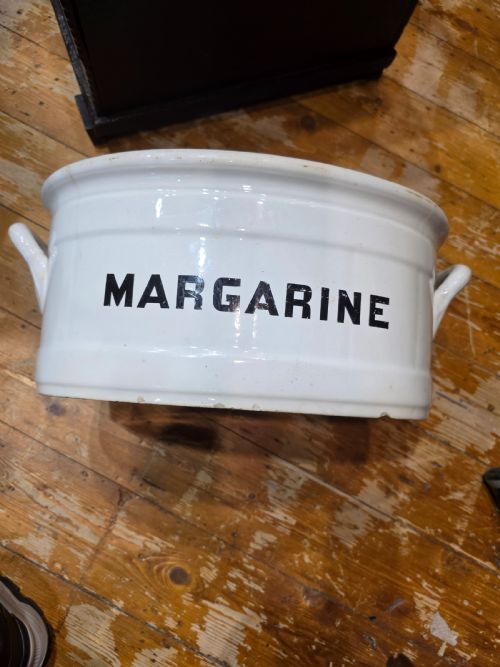
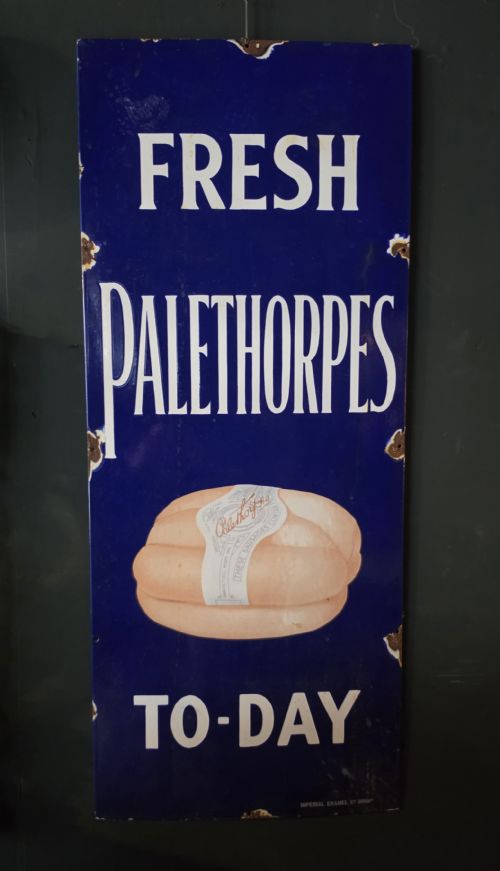
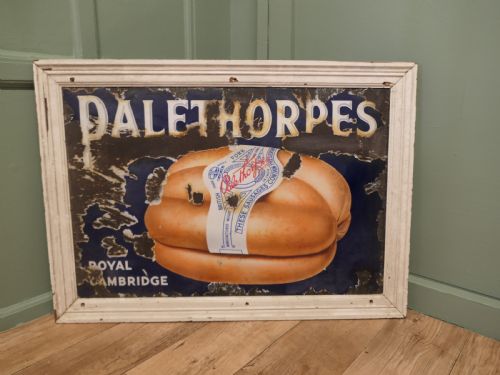
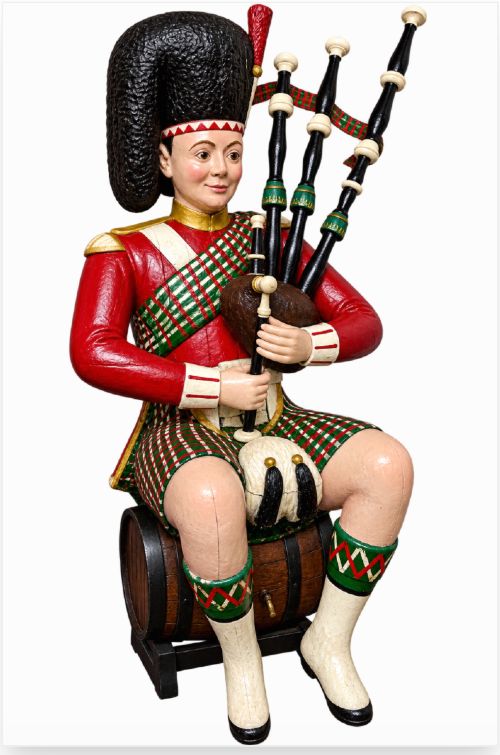
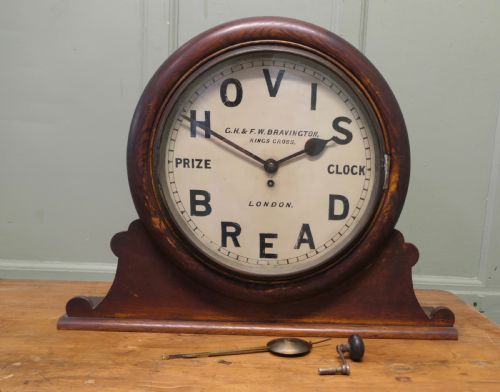
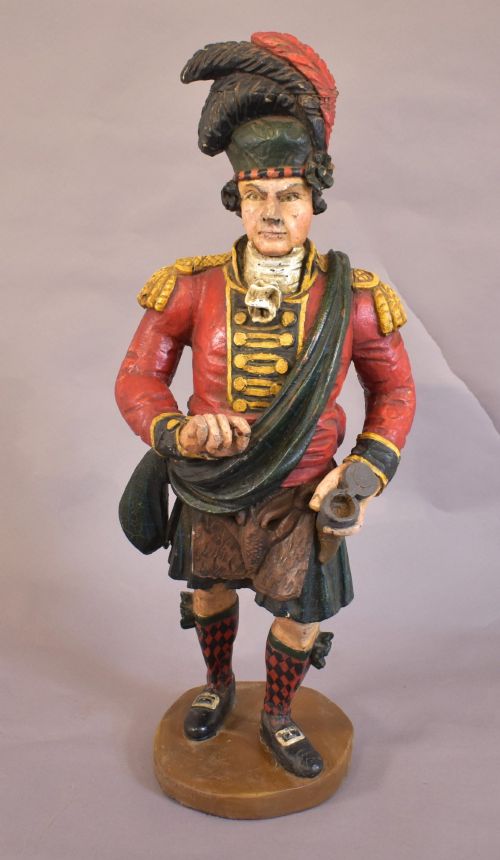
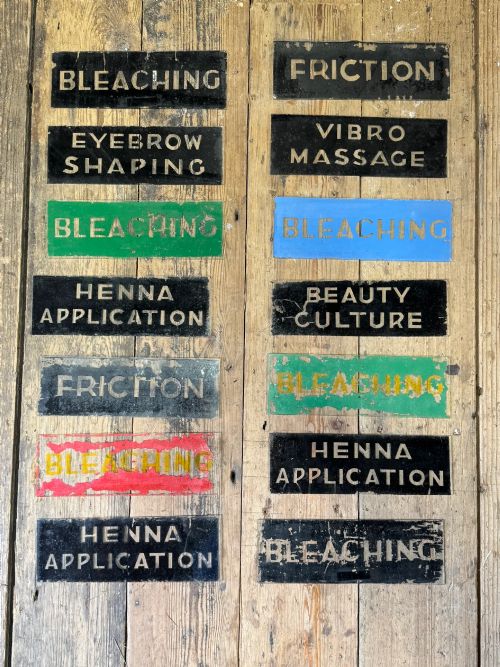
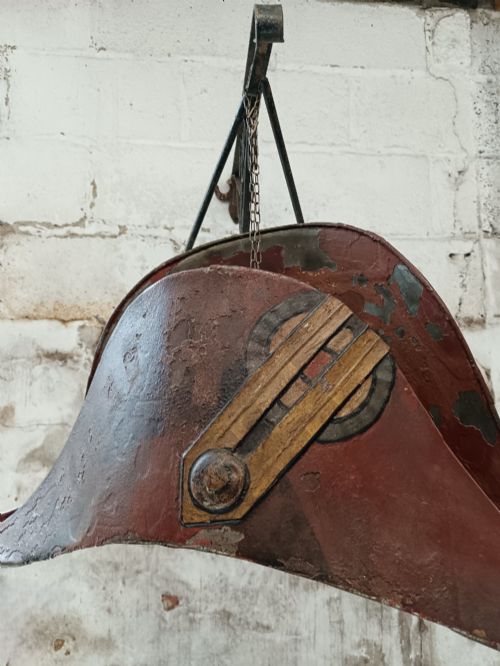
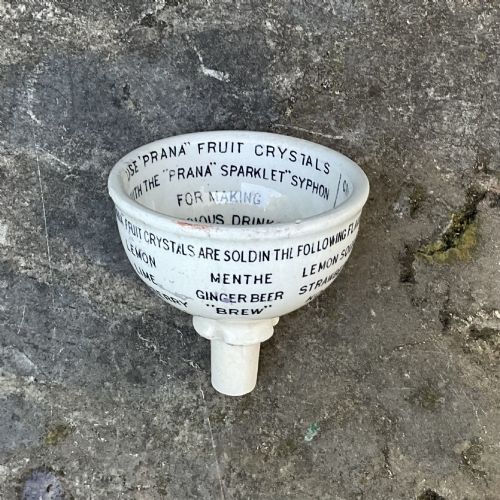
The objects appearing on this page range from architectural trade signs and enamel plaques to countertop display cabinets and carved figures. Wall signs and painted boards sit alongside mechanical dispensing units and ceramic slabs.
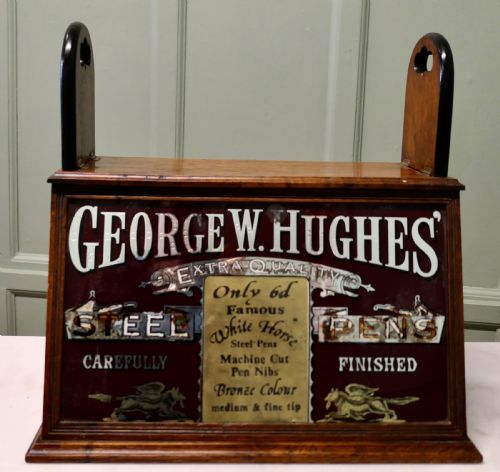
Wooden display cabinets and glass-fronted storage units emerge frequently in the selection, reflecting the interior fittings of period shops. These survivors carry the specific lettering and insignia of the merchants who commissioned them.
How they were made
Makers utilised durable materials suited to daily commercial use, combining solid timbers such as mahogany and pine with iron, brass and zinc. Enamel provided a weather-resistant surface for exterior pictorial signs, while reverse-painting on glass gave interior mirrors and signs a glossy depth.
Sign-writers applied paint by hand directly onto wood, metal and canvas substrates, often incorporating gold leaf for lettering. Carved figures and shop display models relied on traditional woodworking and composition moulding techniques before receiving hand-painted finishes.
Antique Shop Advertising Retail Price Guide 2026
Typical asking prices for shop advertising among the pieces listed under this phrase on Sellingantiques today, from the lower quarter to the upper quarter. They describe what is for sale here now, not the wider market.
Periods represented on this page range from the eighteenth century through the Victorian and Edwardian eras to the 1930s.
What varies in quality
Quality rests on the integrity of the original surface and the crispness of the sign-writing or casting. Pieces retaining their uncleaned, untouched factory or workshop finish command greater appreciation than those subjected to modern repainting.
The skill of the sign-writer or carver dictates the artistic merit of the piece, distinguishing mass-produced commercial items from bespoke local commissions. Well-proportioned cabinetry with original hardware and glass elevates functional display pieces above standard utility furniture.
Palethorpes Royal Cambridge·Mintons·Day and Millward·G.H. and F.W. Bravington London
The Antique Shop Advertising Glossary
- Trade sign
- A board, figure or object hung outside a premises to indicate the trade conducted within. These items were fashioned from wood, metal or stone.
- Enamel sign
- A metal sheet fused with powdered glass through high-temperature firing. This process created a glossy, durable advertising surface resistant to weather.
- Toleware
- Lacquered or enamelled metalware produced in imitation of Asian lacquerwork. It frequently appeared in functional shop accessories and signs.
- Reverse-painting
- An art form where the design is painted on the back of a glass panel so that it is viewed correctly from the front. This technique protects the pigment from damage.
- Composition
- A moulded material made from whiting, linseed oil, resin and glue. It allowed makers to cast decorative details and figures efficiently.
Antique Shop Advertising: Frequently Asked Questions
Where were trade signs displayed?
Trade signs hung above shop doorways, stood on exterior walls, or sat on counters to draw the attention of passing pedestrians. They positioned businesses within the busy streetscape of nineteenth and early twentieth century towns.
Inside the shop, smaller signs and display cabinets sat on counters or mounted to interior walls near the goods they promoted. This placement ensured customers encountered the branding at the point of sale.
How do I clean an enamel sign?
Enamel signs respond well to gentle washing with warm water and mild soap to remove accumulated surface dirt. Avoid abrasive scourers or harsh chemical cleaners that can scratch the glossy vitreous surface or damage historic edges.
Dry the metal thoroughly after washing to prevent corrosion around any exposed fixing holes or chips. Preserving the natural patina ensures the historical character remains intact.
How were glass display cabinets used?
Glass display cabinets protected delicate merchandise such as tea, tobacco, stationery and confectionery from dust and handling. Retailers placed them on counters to showcase premium stock directly to waiting customers.
Interior shelving and mirrored backs maximised the visibility of goods within the small footprint of a Victorian or Edwardian shop. Today, these cabinets serve a similar function in domestic settings for small collections.
Are painted trade signs waterproof?
Historic painted wooden and metal signs received protective layers of varnish or lead-based paint to withstand outdoor weather. Over decades, however, that protection degrades and leaves the underlying material vulnerable to moisture.
Most surviving exterior signs benefit from indoor display to halt further weathering and stabilise the original paint surface. Checking the environment helps preserve the remaining pigment and lettering.