
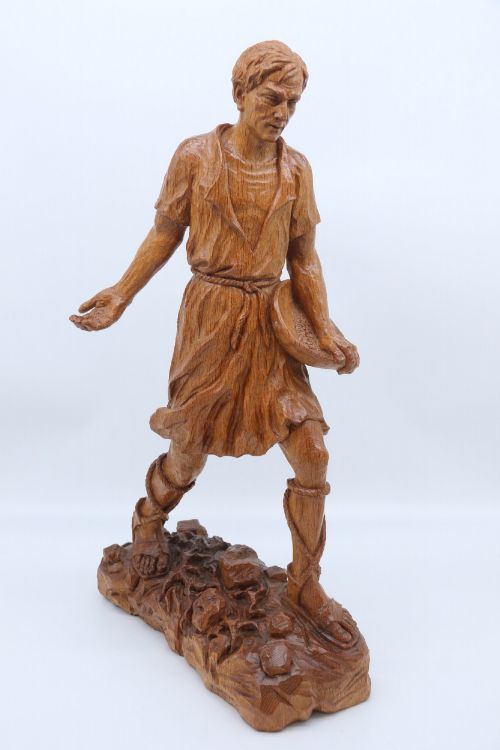
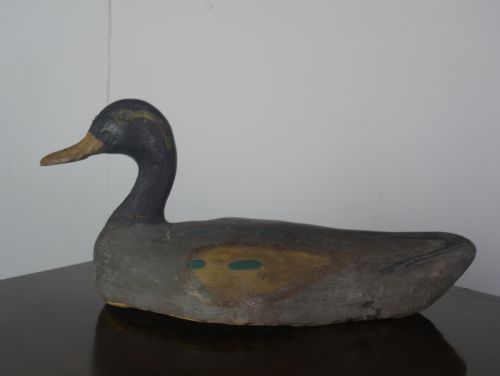


Rustic Wooden Figure Sculpture
These rustic wooden figure sculpture pieces bring vernacular character and hand-carved charm directly into a modern interior.
Rustic Wooden Figure Sculpture
A rustic wooden figure sculpture represents a diverse tradition of hand-carved objects spanning domestic animals, human characters, and working decoys. These pieces originate primarily from the eighteenth, nineteenth, and early twentieth centuries, drawing on regional folk art traditions.
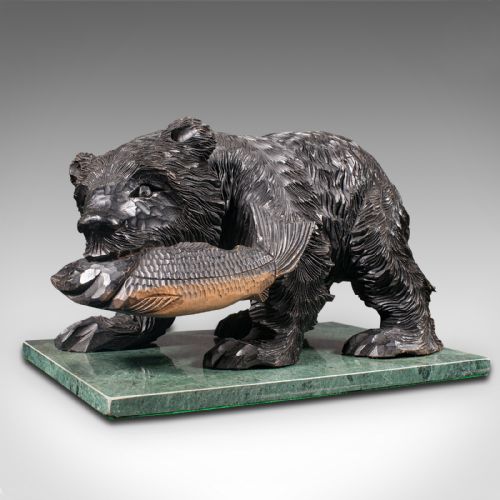
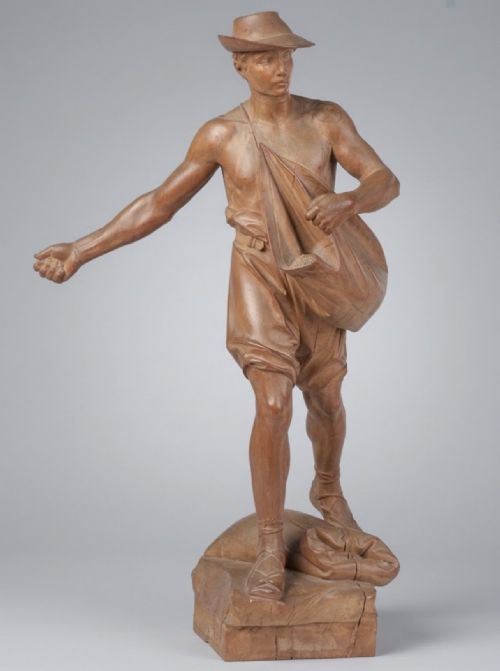
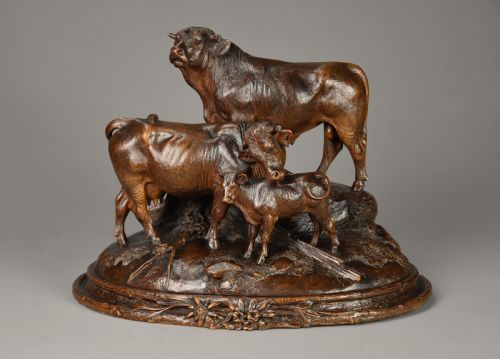
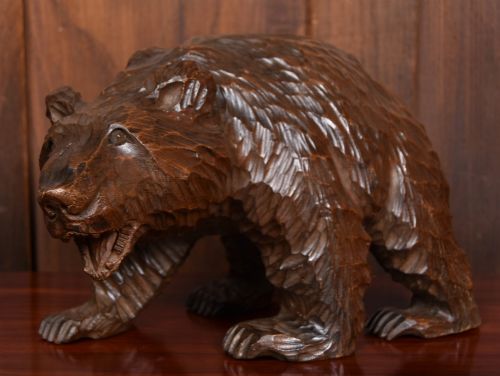
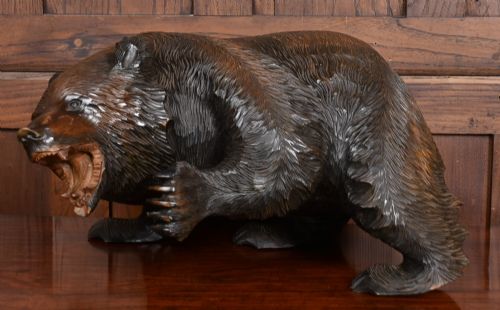
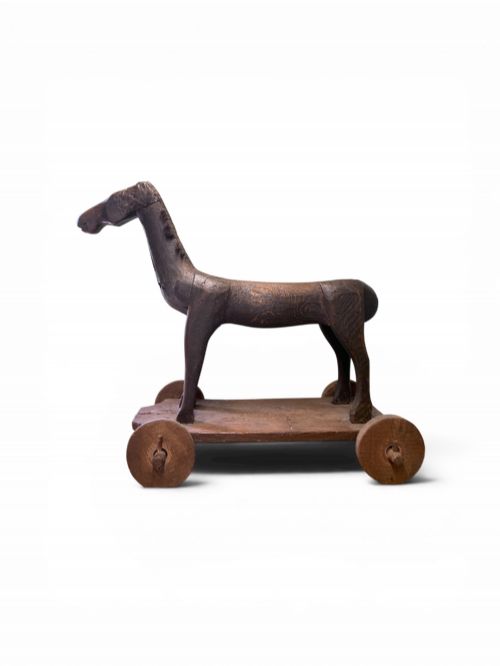
The selections encountered here range from European Black Forest animal groups and Japanese carved bears to naive British and American farm worker figures, painted toys, and practical shop displays. Each object reflects the utilitarian or decorative impulses of its maker, utilising local timber forms to capture subjects from daily life.
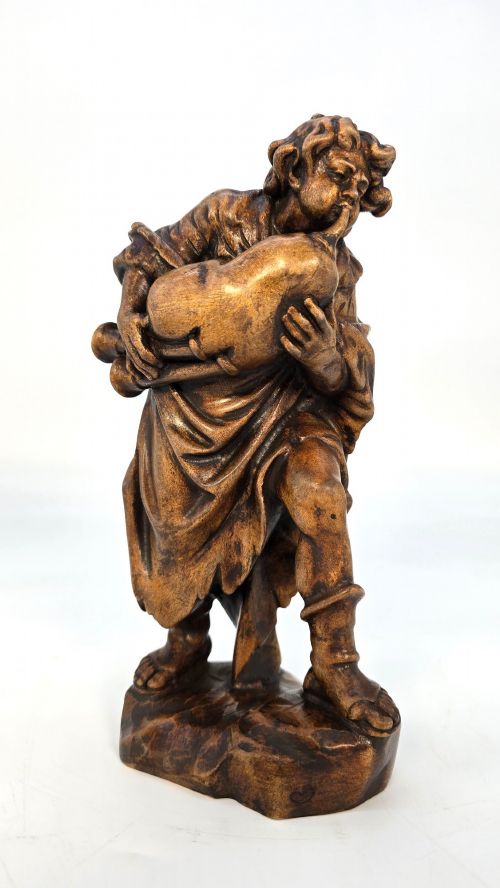
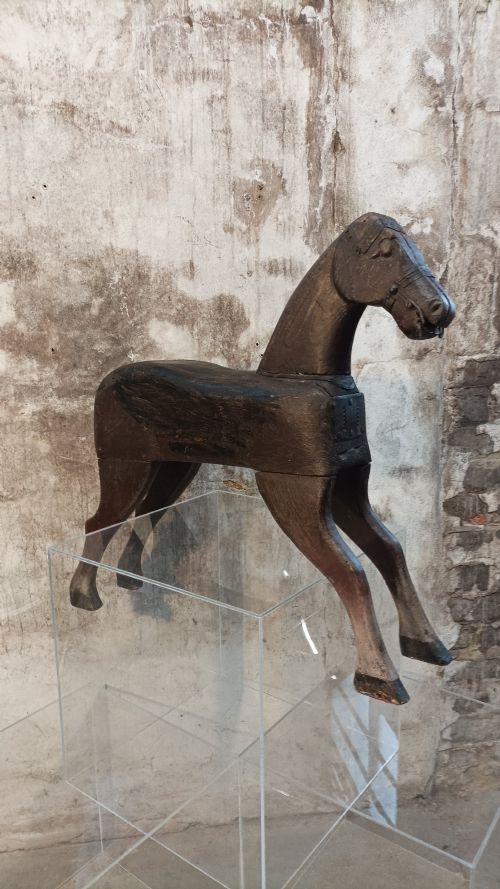
Within this group, buyers frequently encounter carved horses, cattle groups, and avian decoys alongside human figures such as huntsmen and farm workers. These items bridge domestic ornament and vernacular history, displaying the distinct marks of hand tools and regional carving styles.
How they were made
Certain pieces integrate iron elements or incorporate straw and papier-mâché alongside wood to construct specific forms like decoys and display figures. The physical evidence of the tool remains visible across the surface, recording the direct intervention of the carver.
The inventory spans folk art, Black Forest, Arts and Crafts, and Japanese folk art traditions.
What varies in quality
The distinction between standard examples and superior pieces rests upon the anatomical confidence of the carving and the expressiveness achieved in the subject. Stronger pieces display deliberate control over proportions and surface texture, whether rendering the fur of a bear or the posture of a human figure.
Original surface treatments, including untouched historic paint layers or patinated bare timber, elevate an object above pieces with later refinishing. The clarity of regional characteristics, such as specific Black Forest detailing or naive folk art execution, determines the visual strength of each sculpture.
J Huggler
The Rustic Wooden Figure Sculpture Glossary
- Black Forest
- A style of wood carving originating from the Brienz region of Switzerland, known for realistic animal studies, particularly bears and cattle. These items date predominantly from the nineteenth century.
- Folk art
- Objects created by self-taught or traditional artisans outside the formal academic training of fine art. These pieces prioritise utility and direct expression over strict classical proportion.
- Decoy
- A carved or constructed animal form utilised historically to attract wildlife for hunting or to serve as a practical working object. Many examples later transitioned into decorative domestic items.
- Whirligig
- A wind-driven folk art figure featuring moving parts powered by air currents, commonly produced in American and European rural traditions during the nineteenth and early twentieth centuries.
- Nata-tsukuri
- A Japanese carving technique utilising a hatchet or cleaver to shape the timber, leaving distinct faceted surface marks across the finished sculpture.
Rustic Wooden Figure Sculpture: Frequently Asked Questions
What is a rustic wooden figure sculpture?
A rustic wooden figure sculpture is a hand-carved object depicting human, animal, or avian subjects, created within regional folk art and traditional craft idioms. These pieces rely on local timbers and direct carving methods rather than industrial production.
Such items include working decoys, shop displays, fairground figures, and domestic ornaments produced across the eighteenth, nineteenth, and early twentieth centuries.
How were these wooden sculptures used?
Many objects served practical functions in daily life, such as decoys for hunting fowl, shop display figures for butchers, or children's toys and mechanical whirligigs. Other pieces functioned purely as decorative ornaments for country houses and alpine interiors.
Over time, these utilitarian objects transitioned into collectible works of folk art, valued for their connection to rural trades and vernacular design.
How do I care for antique wood carvings?
Antique wood carvings require stable environmental conditions away from direct heat sources and strong sunlight, which can dry out the timber and cause splitting. Dusting gently with a dry, soft cloth is generally sufficient for maintenance.
Avoid applying modern polishes or oils to historic surfaces, particularly on painted or dry-scraped pieces, as foreign substances can alter the original patina.
How can I tell the age of a folk art carving?
Dating relies on examining tool marks, timber species, wear patterns, and surface finishes such as historic paint or aged patina. Comparing the stylistic conventions of specific periods helps narrow down the origin.
Construction methods and material choices also provide context, aligning pieces with documented regional workshops or distinct eras like the Arts and Crafts movement.