




Vintage Folk Art Object
A vintage folk art object is a vernacular piece shaped by hand, offering a direct tangible link to domestic and working life.
Vintage Folk Art Object
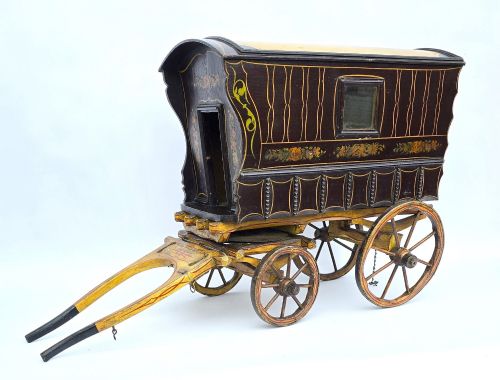
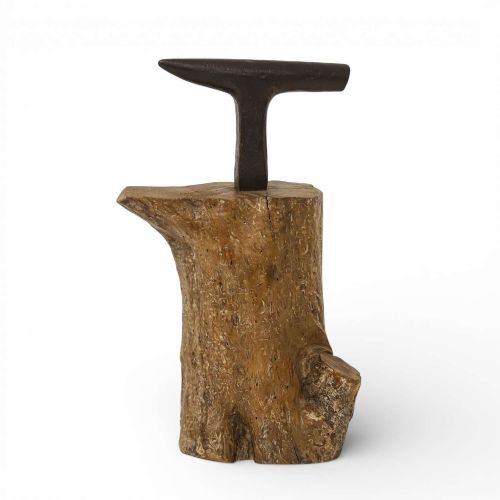
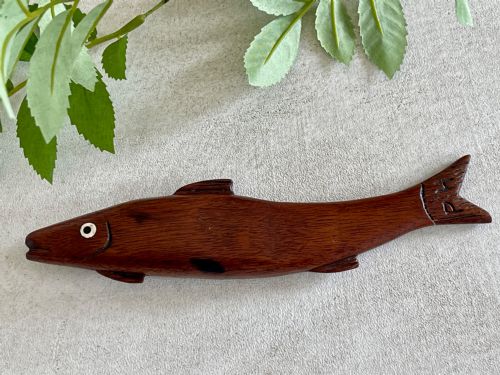
A vintage folk art object encompasses a wide variety of handmade and vernacular items spanning the Georgian, Victorian, and early twentieth century periods. When searching for a vintage folk art object, buyers encounter diverse forms ranging from treen and decorative models to toys, games, and maritime curiosities. These pieces originate from British, French, and Swedish traditions, reflecting local materials and practical domestic or rural needs.
Makers ranged from itinerant craftsmen and sailors to rural workers utilising readily available local resources to create functional items with aesthetic character. The resulting objects carry the marks of individual hand labour, distinguishing them from mass-produced factory goods of the nineteenth and twentieth centuries. Each piece preserves a fragment of social history through its material presence and functional origin.
What varies in quality
Quality in these pieces rests upon the strength of the sculptural form and the directness of the maker's hand carving. Objects that retain an honest, unpretentious execution without over-elaboration tend to possess greater visual presence and authenticity. The confidence of the carving or construction determines how successfully the piece transcends its utilitarian origins.
Surface preservation significantly influences the character of a piece, particularly when original paint, ebonising, or natural patination remains intact. Wear resulting from genuine handling and age contributes to the visual depth of wood and metal surfaces. Conversely, excessive intervention or inappropriate cleaning diminishes the historical integrity of the object.
Someone once carved an entire toy lioness family out of wood, proving that even domestic predators need a quiet afternoon indoors.
R.D. Roberts
The Vintage Folk Art Object Glossary
- Treen
- Small handmade wooden domestic objects produced prior to the widespread availability of plastic and cheap ceramics. These items include kitchenware, games, and personal accessories shaped by turning or carving.
- Vernacular
- Architecture, objects, and artefacts created by ordinary people to meet everyday practical needs rather than following academic design rules. Such pieces rely on local traditions and materials.
- Distaff
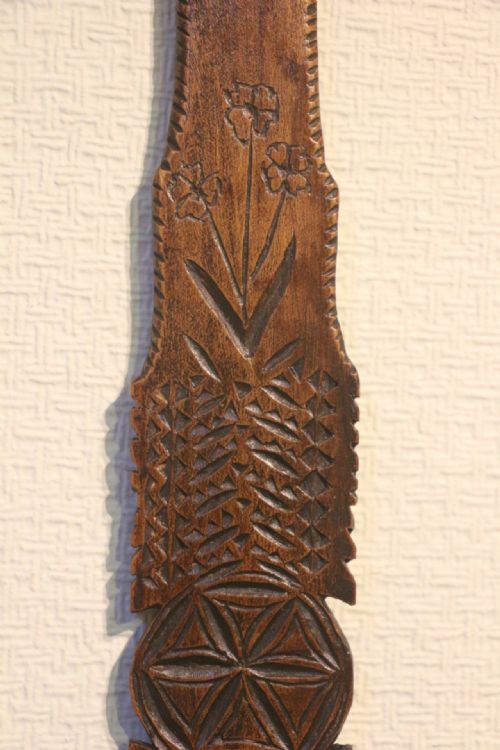
- A tool used in spinning to hold flax or wool before the fibres are drawn off onto a spindle. Decorated examples often feature intricate carved patterns reflecting folk art traditions.
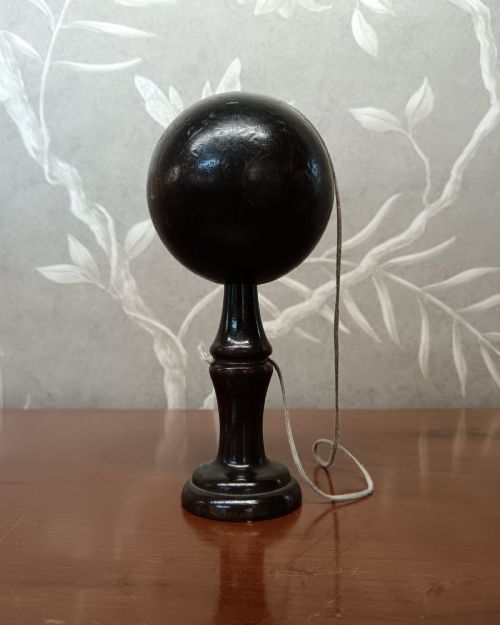
- Bilboquet
- A traditional toy consisting of a ball attached to a string and cup, designed to be caught through dexterity. Wooden versions showcase traditional turning and finishing skills.
- Fid
- A conical wooden or bone tool used by sailors to splice ropes or open grommets. Examples carved by hand often display personal decorative motifs.
- Whirligig
- A wind-driven mechanical toy or garden ornament featuring moving parts that animate when breezes turn the propeller. These animated figures represent a playful branch of vernacular woodwork.
Vintage Folk Art Object: Frequently Asked Questions
What defines a folk art object?
A folk art object is an item created by a non-professional maker, often for practical use within a home, trade, or rural setting. These pieces are shaped by regional traditions and personal ingenuity rather than academic design standards.
Materials are typically those close to hand, such as local hardwoods, metal, or gathered shells. Their character derives from honest construction and the distinct touch of the individual maker.
How were wooden treen items used?
Wooden treen items served daily domestic and occupational functions in households and workshops before mass production. Objects like apple corers, knitting sheaths, and nutcrackers were essential tools for food preparation and textile work.
Over time, the frequent handling required by these tasks imparted a smooth surface and rich patina to the wood. Their daily utility is inseparable from their visual appeal today.
How should I care for wooden folk art?
Wooden folk art objects require stable indoor environments away from direct heat sources and extreme humidity fluctuations. Maintaining consistent conditions prevents the timber from drying out, cracking, or warping over time.
Cleaning should be limited to gentle dusting with a soft, dry cloth to preserve existing surface patination. Avoid applying modern polishes or oils unless specifically required to protect dry timber.
What is a scratch built model?
A scratch-built model is constructed entirely by hand from raw materials rather than assembled from a commercial kit or factory parts. Makers of maritime models or scale vehicles used whatever scraps of wood, metal, and wire were available.
This resourcefulness produces idiosyncratic details that reflect the maker's personal observations of ships or machinery. Such models offer a direct record of vernacular engineering and maritime interest.
How do I identify a shell diorama?
A shell diorama is a three-dimensional scene constructed within a glazed box or enclosure using carefully arranged natural seashells. These displays frequently depict maritime subjects, floral arrangements, or architectural grottos created by coastal communities.
The arrangement demonstrates immense patience and an eye for proportion using monochrome or tinted shells. They survive as fragile testaments to nineteenth and early twentieth century domestic leisure crafts.