


Antique Folk Art Toy
An antique folk art toy is a hand-wrought piece of playthings or display figures shaped by vernacular hands that brings tactile history into a room.
Antique Folk Art Toy
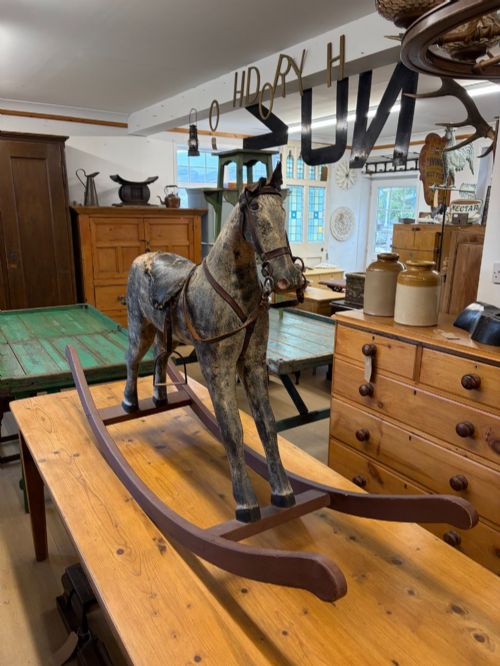
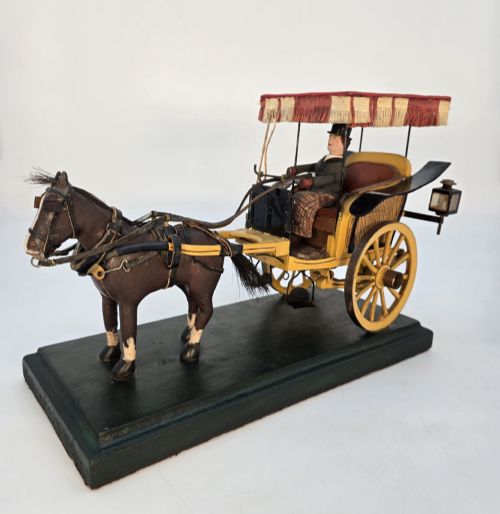
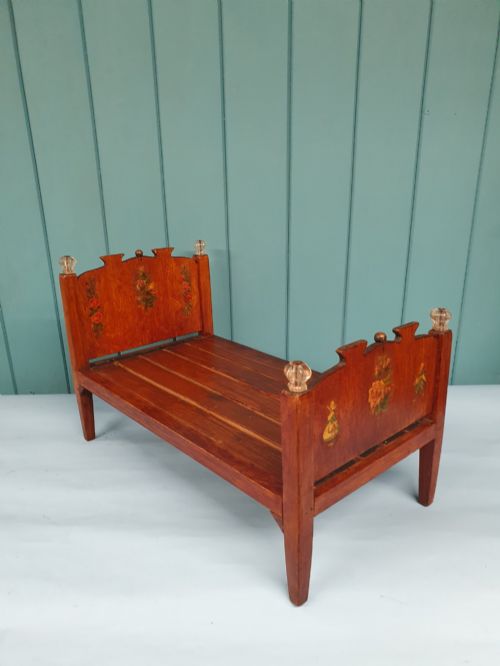
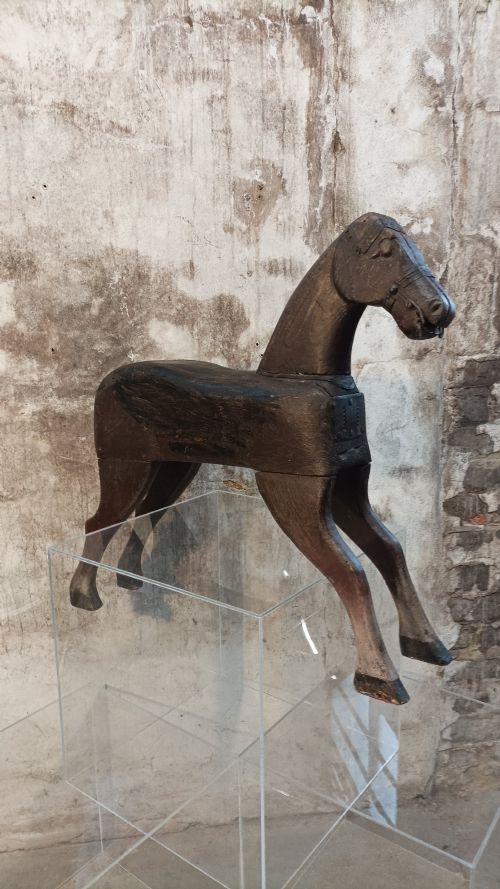
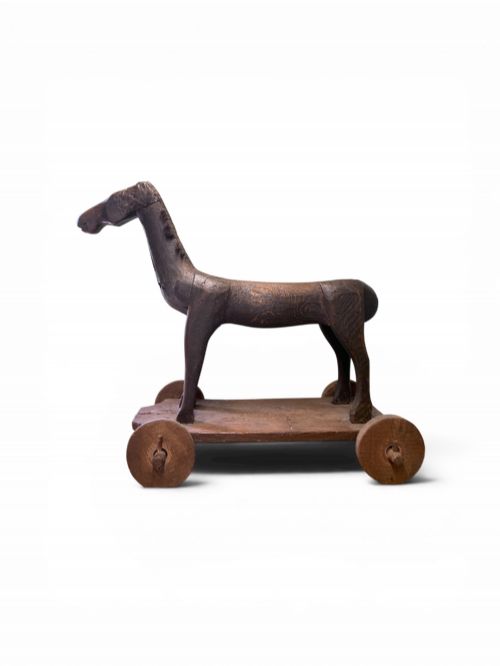
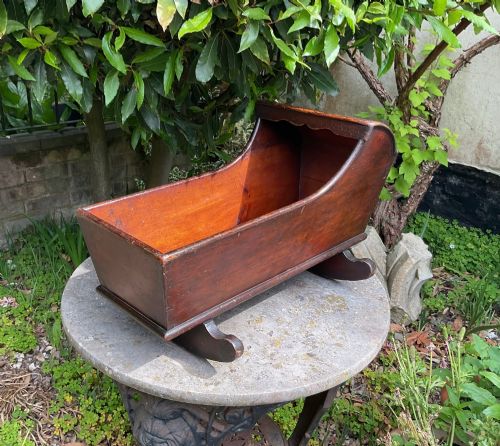
When you search for an antique folk art toy, you encounter objects shaped by domestic makers rather than commercial factories. The selection on this page centres primarily on wooden horses, rocking horses, dolls beds, and kinetic figures.
Examples span from the eighteenth century through the Victorian era and into the early twentieth century. These survivors include carved horses, jointed marionettes, whirligigs, and educational building blocks.
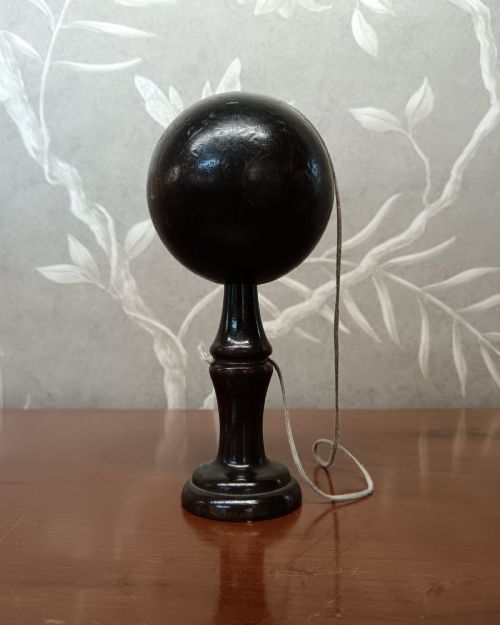
Originating across England, America, and Spain, these objects reflect regional vernacular carving traditions. They range from small-scale rattles and ball and cup games to large rocking horses and decorative sculptures.
Materials and Construction
Makers utilised readily available local materials such as pine and various hardwoods for the primary structures of these objects. Carved wood forms the backbone of nearly every figure, bed, and animal.
Construction techniques rely on primitive hand-tool joinery, whittling, and simple hardware. Many pieces demonstrate scratch-built resourcefulness without the aid of industrial machinery.
The listings on this page include nineteenth-century pine rocking horses, early twentieth-century American whirligigs, and eighteenth-century carved wooden animal figures.
Judging Quality
Quality rests upon the strength of the sculptural carving and the personality captured in the form. A naive hand that achieves a lively silhouette outranks a stiff or uninspired carving.
The survival of original paint surfaces dictates the visual power of the piece. Retaining untouched historical pigment elevates the object far above examples stripped or repainted in later decades.
Proportion and structural integrity distinguish superior examples from ordinary ones. Well-balanced rocking horses and figures with coherent scale show greater artisan capability during construction.
The Antique Folk Art Toy Glossary
- Folk Art
- Objects created by self-taught or vernacular makers outside academic artistic traditions. These pieces prioritise utility and individual expression over formal academic training.
- Bilboquet
- A traditional game consisting of a ball attached by a string to a cup or spike. Players attempt to catch the ball in the cup.
- Whirligig
- A kinetic wind-powered toy featuring moving parts that spin or strike when breezes turn them. Makers often carved these as sailors or figures with rotating arms.
- Jigger Doll
- A small articulated dancing figure designed to tap rhythmically on a board when a person operates it. They frequently depict gentlemen in top hats and tailcoats.
- Treen
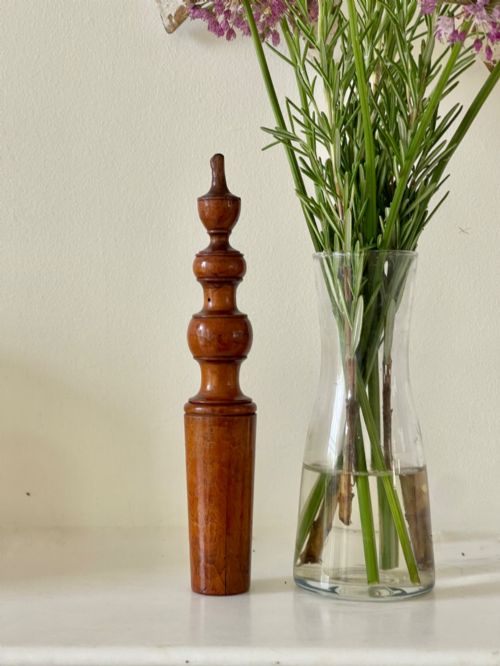
- Small handmade wooden domestic objects and treen collectables. This category encompasses items turned or carved for everyday use.
Antique Folk Art Toy: Frequently Asked Questions
What is an antique folk art toy?
An antique folk art toy is a handmade plaything or decorative figure produced by non-industrial makers using traditional woodworking and painting methods.
These pieces capture the vernacular design and local materials of periods spanning from the eighteenth century to the early twentieth century.
How were these toys used originally?
Children played with many of these items daily, including rocking horses, dolls beds, educational alphabet blocks, and pulling toys.
Other objects, such as whirligigs and decorative sculptures, served as garden ornaments, mechanical yard displays, or mantel decorations.
How should I display folk art toys?
Place wooden figures, animals, and miniature furniture on open shelves, tables, or sideboards where their carved textures remain visible.
Keep them away from direct sunlight and sudden humidity changes to protect the original painted surfaces and dry historic wood.
How do I date an antique toy?
Examine the tool marks, construction joinery, wood species, and wear patterns to estimate the period of manufacture.
Original paint testing and comparison with documented vernacular forms from the eighteenth, nineteenth, and early twentieth centuries help confirm the age.