



Carved Wooden Lion Head
A carved wooden lion head brings sculptural presence to an interior, channelling centuries of symbolic power into solid timber.
Carved Wooden Lion Head
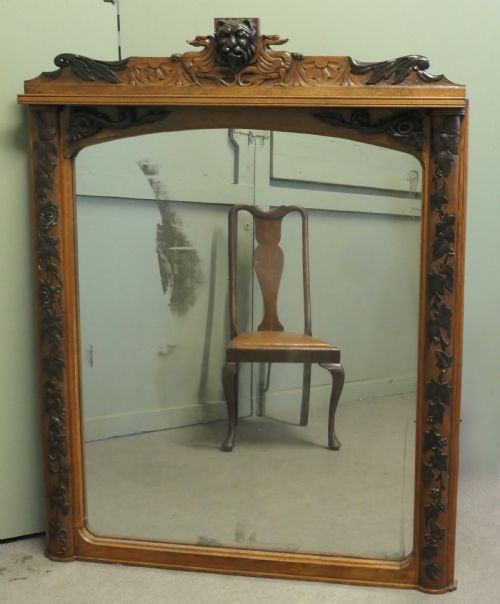
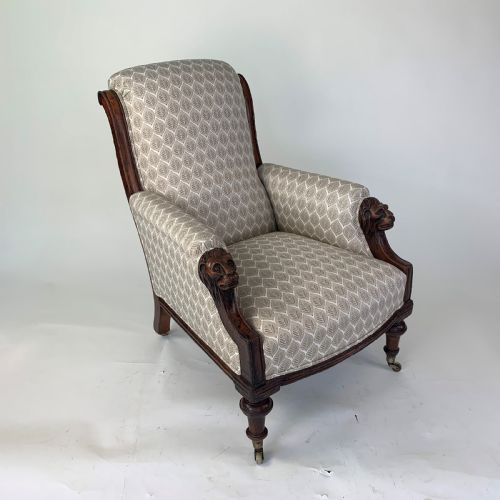
A carved wooden lion head takes many forms across domestic and architectural settings, appearing on wall masks, mirrors, furniture, and practical desk accessories. When searching for a carved wooden lion head, a buyer typically encounters pieces spanning the eighteenth and nineteenth centuries, alongside revival interpretations from the Edwardian era.
The objects listed range from substantial walnut wall carvings and architectural salvage to functional pieces such as oak court cupboards, armchairs, and bookends. Walnut and oak dominate the selection, often worked in styles that stretch from Georgian and Jacobean Revival to Black Forest and Victorian Gothic.
Materials and Craftsmanship
Carvers typically worked in dense, durable hardwoods such as oak and walnut, which held crisp details and deep relief under hand chisels. Pine also appears in smaller decorative objects, while secondary elements incorporate brass fittings or glass eyes.
Makers utilised traditional joinery and hand-carving techniques, shaping the timber along the grain to build up the heavy manes and muscular contours of the animal. Surface treatments relied on natural wax and polish to bring out the dark tones and figures of the wood over decades of handling.
Listings feature oak and walnut predominantly, alongside mahogany, pine, and brass, spanning the eighteenth century through to the Edwardian period.
Assessing Quality and Execution
Integration into the host object distinguishes masterful design from simpler application, as the best pieces treat the lion head as an organic extension of the frame, bracket, or furniture crest rather than an applied afterthought.
The Carved Wooden Lion Head Glossary
- Architectural salvage
- Building elements rescued from older structures for reuse or display. These pieces often include large carved masks and corbels removed during renovations.
- Black Forest
- A nineteenth-century carving style originating in Switzerland and Germany. It is characterised by highly realistic animal sculptures and deep, naturalistic foliage.
- Court cupboard
- A traditional enclosed wooden sideboard used for storing plate and food. They frequently feature heavy relief carving along the frieze and supports.
- Quarter-sawn
- Timber cut radially from the growth rings. This method produces stable boards with a distinctive striped grain pattern known as medullary rays.
- Wall mask
- A decorative sculptural face mounted directly to a panel or wall. These items serve a purely visual purpose rather than functioning as structural supports.
Carved Wooden Lion Head: Frequently Asked Questions
How are wall masks mounted?
Most carved wall masks feature integrated hanging loops, concealed screw holes, or flat rear surfaces designed for secure attachment to timber panels or masonry walls.
Heavier walnut and oak pieces require robust fixings anchored directly into wall studs to support their substantial weight safely.
Where should I place a carved lion head?
These pieces suit focal points in studies, libraries, and hallways where their sculptural weight anchors the room's decorative scheme.
They pair effectively with dark wood furniture, leather upholstery, and traditional architectural panelling.
How do I care for antique wood carvings?
Maintain the timber by dusting regularly with a dry, soft cloth and applying a microcrystalline wax sparingly twice a year to nourish the grain.
Keep pieces away from direct heat sources and strong sunlight to prevent the wood from drying out and splitting.
How do I distinguish Georgian revival from original pieces?
Revival pieces produced around the Edwardian period often employ machine-assisted finishing and standardised timber preparation beneath the hand-finished surface.
Original eighteenth-century examples display tool marks, timber shrinkage consistent with age, and hand-forged or early fastening hardware.