
Architectural Timber Carving
Architectural timber carving offers substantial historical presence to modern interiors through centuries-old fragments salvaged from buildings across Europe and Asia.
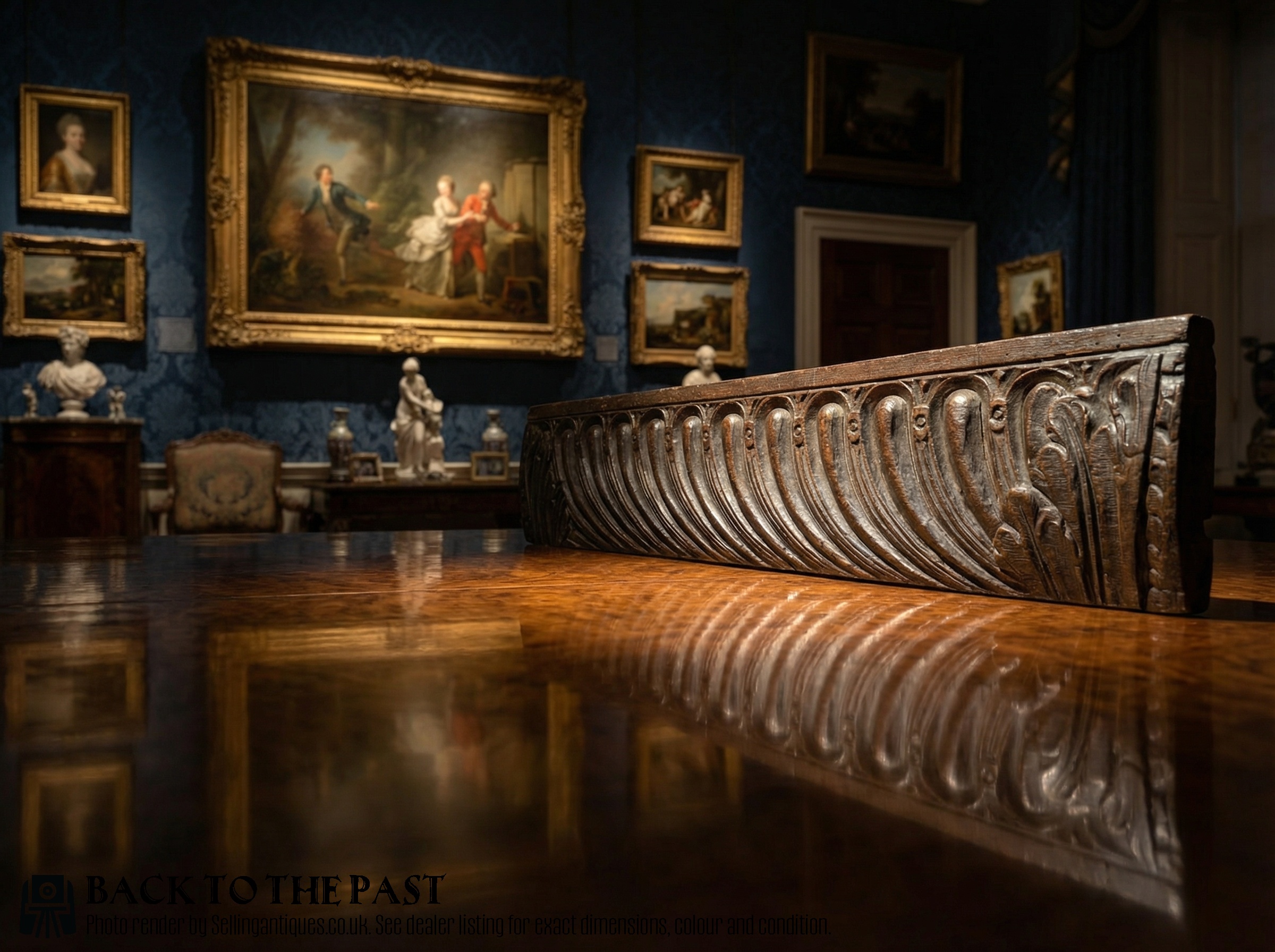
Architectural Timber Carving
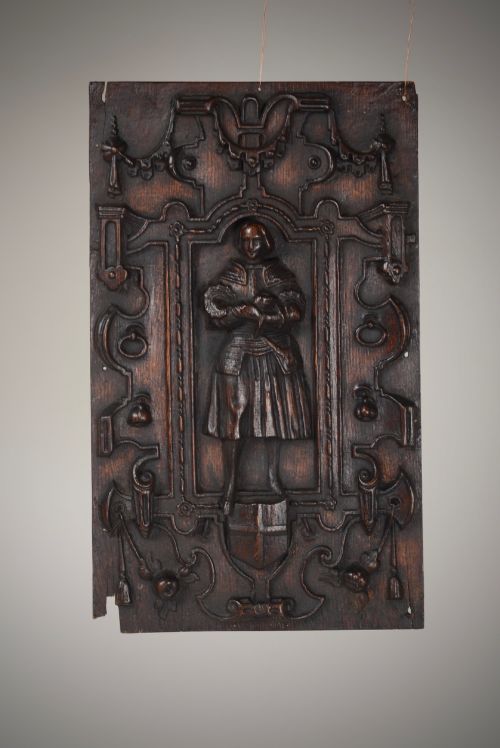
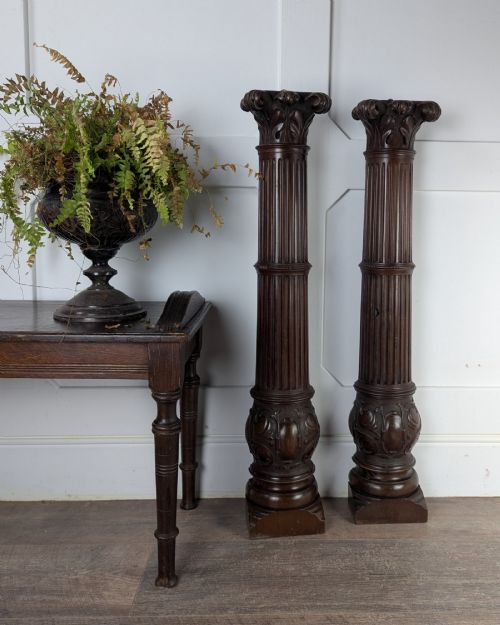
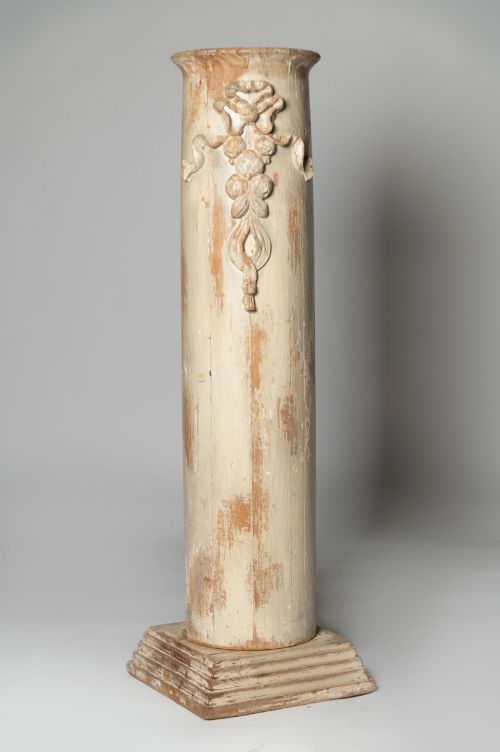
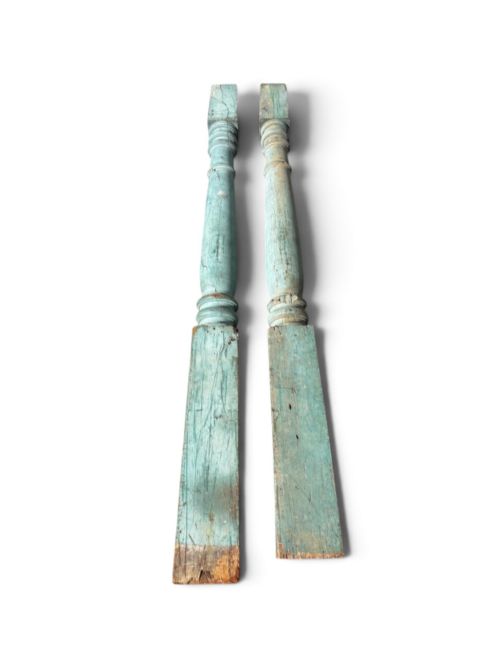
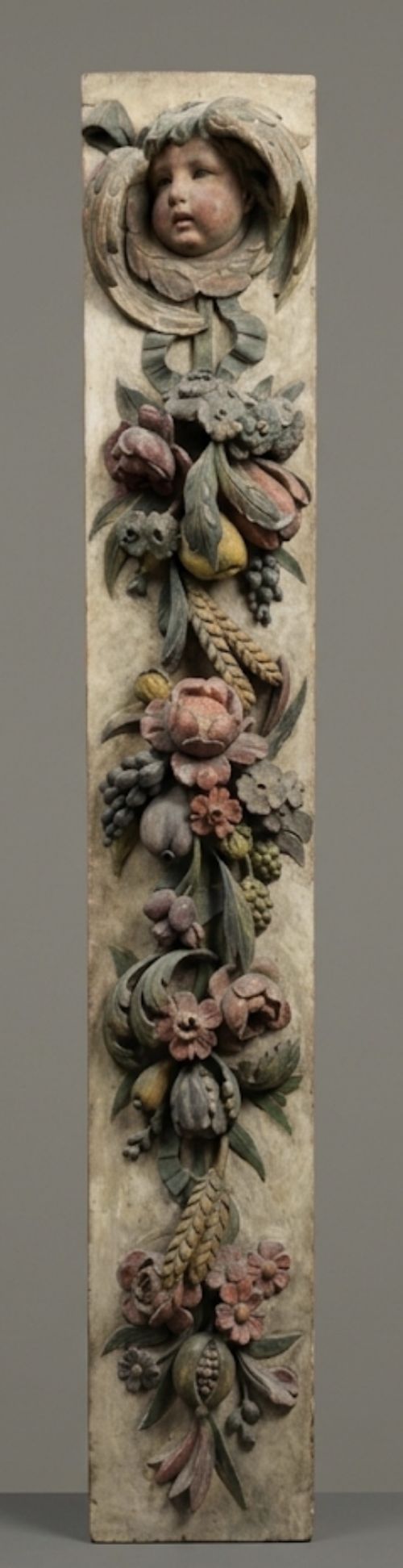
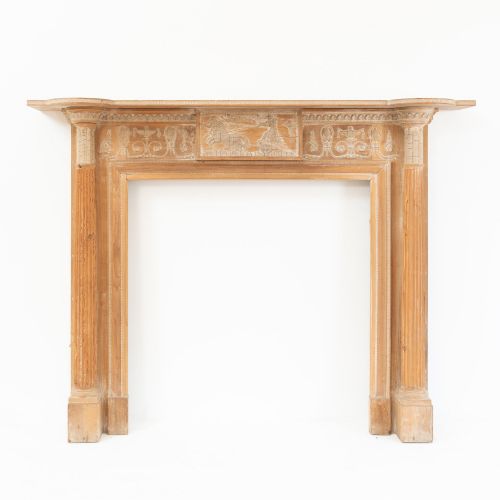
Architectural timber carving encompasses structural elements and decorative salvaged fragments such as wall panels, columns, brackets, and overmantles. These items originate from periods spanning the sixteenth century through the Victorian era and the early twentieth century.
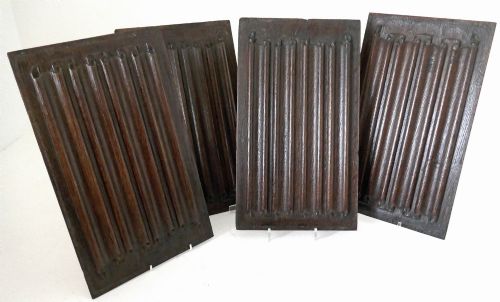
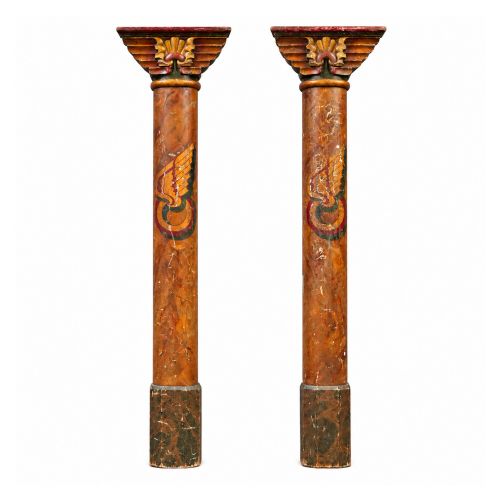
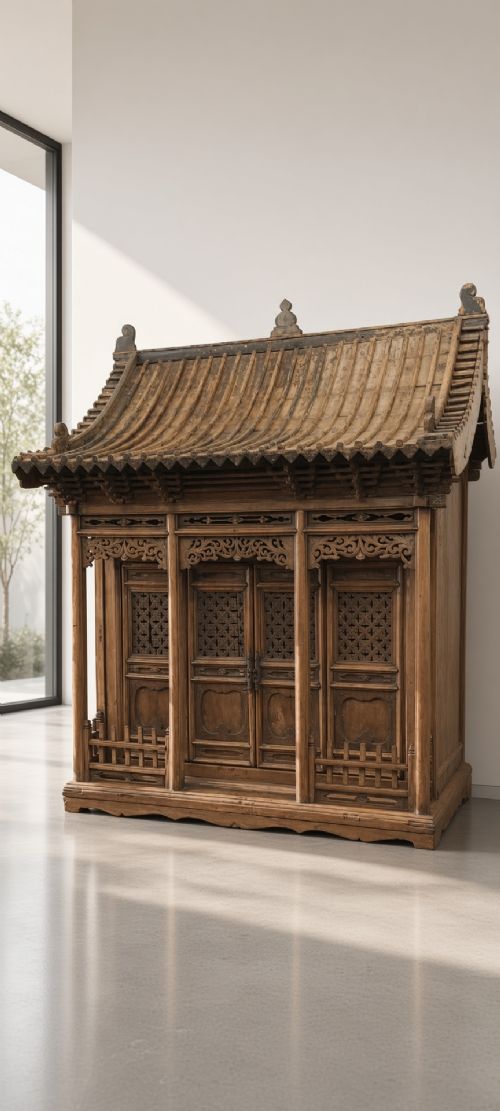
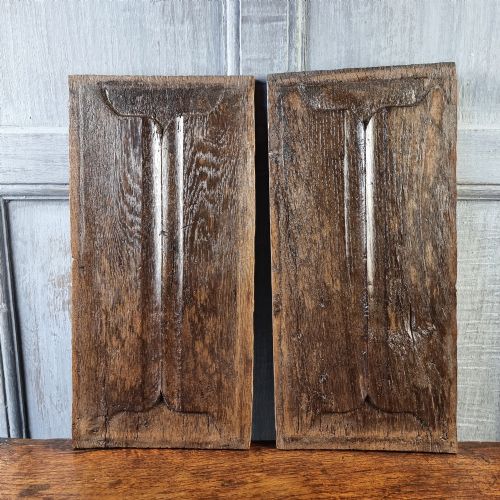
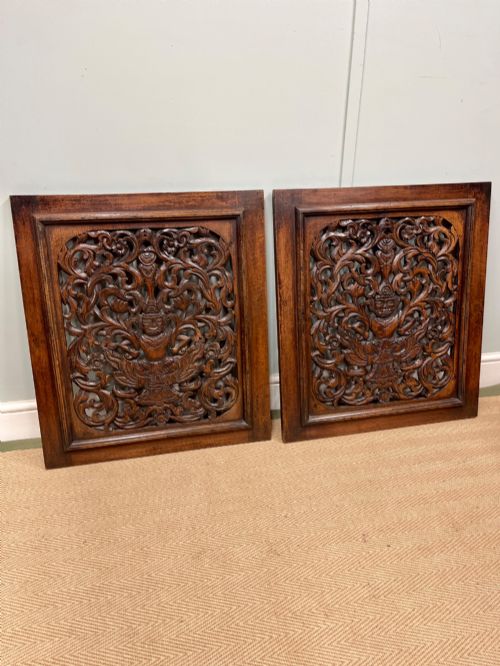
Buyers frequently encounter oak panels featuring traditional linenfold designs alongside foreign elements like Chinese temple guards, Indian teak storage doors, and Swedish columns. Salvaged pieces retain the physical marks of their original buildings, functioning today as wall plaques or decorative architectural salvage.
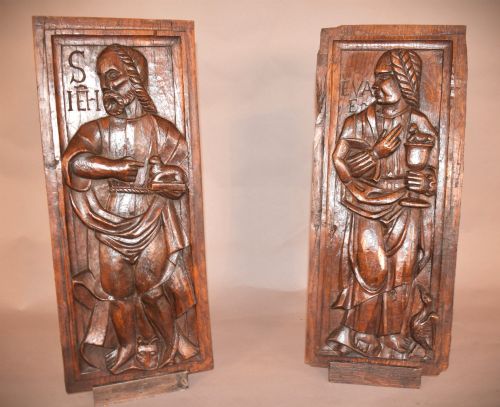
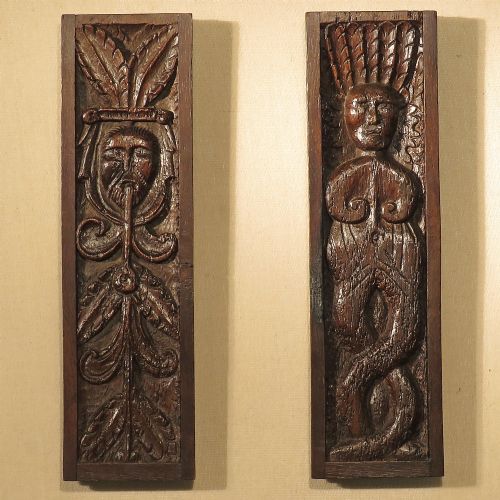
The selection ranges from seventeenth-century English oak carvings and French château spire finials to Georgian corbels and limewood carvings attributed to specific historical styles.
Materials and construction
Oak, pine, walnut, limewood, mahogany, and reclaimed teak form the structural basis of these pieces, shaped through hand carving and relief work. Artisans utilised traditional joinery and surface treatments including paint, polychrome, and parcel gilt finishes.
Working timber required distinct chiselling and gouging techniques to produce deep relief panels, caryatids, and architectural columns. The integration of iron fittings and original polychrome pigments demonstrates period workshop practices across diverse geographical origins.
Origin points recorded in the inventory include England, France, Italy, Sweden, China, India, and Burma.
Evaluating quality
Quality rests upon the crispness of the hand-carved detail and the depth of the relief work, where confident tool marks separate master craftsmanship from routine production. The integrity of the timber, the retention of original surface treatments like polychrome or parcel gilt, and the purity of the period style dictate the standing of a piece.
Provenance and structural wholeness further divide the range, distinguishing integrated architectural fragments from heavily restored or later composite assemblies. Pieces demonstrating sophisticated proportion and distinct regional characteristics command greater attention from collectors.
The Architectural Timber Carving Glossary
- Linenfold
- A style of wood carving representing folded linen, frequently seen on sixteenth-century panels. This motif creates a textile appearance across flat wooden surfaces.
- Caryatid
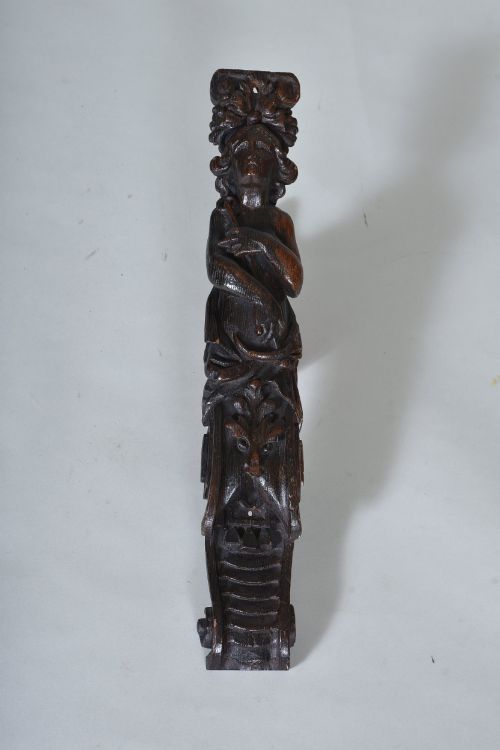
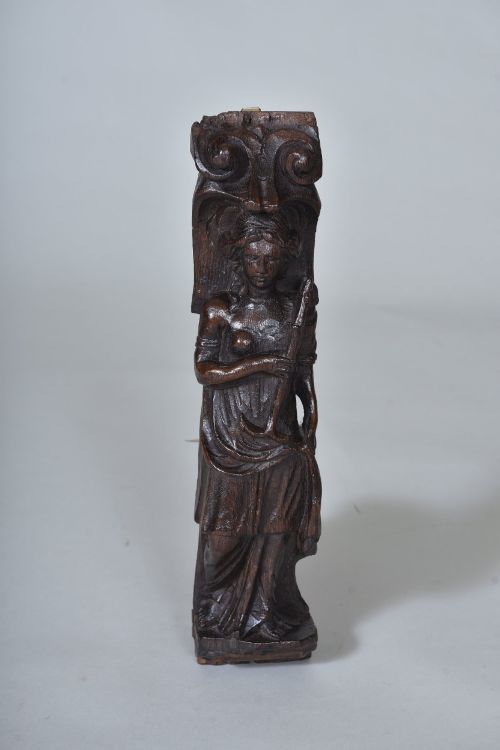
- A sculpted female figure serving as an architectural support in place of a column or pillar. These figures often appear with folded arms or integrated into seventeenth-century woodwork.
- Overmantle
- A decorative panel or framework situated above a fireplace mantel. Such pieces often incorporate period carved oak or painted panels.
- Corbel
- A structural piece of stone or timber projecting from a wall to support a weight. Wooden examples from the Georgian period display decorative carving.
- Finial
- A distinct decorative ornament fixed to the apex of a roof, spire, or newel post. French château examples demonstrate this form in timber.
- Ceiling Rose
- A circular decorative moulding fixed to a ceiling around a light fitting or in the centre of a room. Carved oak examples function as architectural ceiling bosses.
Architectural Timber Carving: Frequently Asked Questions
How were timber carvings used originally?
Makers integrated these carvings directly into buildings as structural supports, wall panels, fireplace surrounds, and doorway frames. They defined the status and aesthetic of interiors in churches, châteaux, and domestic houses.
Over time, many buildings were altered or demolished, leaving these decorative elements to be salvaged as standalone fragments for interior display.
How do I hang a heavy wooden panel?
Heavy panels and architectural fragments require robust wall fixings anchored directly into structural studs or masonry. Professional mounting brackets ensure the weight of dense timbers like oak or teak is safely supported.
Consulting a specialist art installer prevents damage to both the wall and the historical timber.
Can these pieces be used outside?
Most historic interior architectural timbers lack resistance to persistent modern weathering and damp conditions. Placing them outdoors accelerates rot, splits the wood, and degrades historic paint or gilt surfaces.
Protecting salvaged carvings inside maintains their material integrity and surface history.
How do I identify the period of a carving?
Dating relies on examining the tool marks left by hand chisels, the species of timber used, and the characteristic motifs of specific eras. Stylistic indicators like linenfold patterns point to the sixteenth century, while classical orders suggest later periods.
Comparing construction methods and joinery with dated examples clarifies the timeline of origin.