


Dark Walnut Sculpture
Dark walnut sculpture brings deep, rich timber tones and expressive carving into a room, offering tactile warmth and historical presence.
Dark Walnut Sculpture
A dark walnut sculpture search uncovers a diverse range of carved wooden objects spanning the seventeenth century through to the early twentieth century. These pieces include animal carvings, architectural figures, religious subjects, and functional items like hall stands and tobacco boxes.
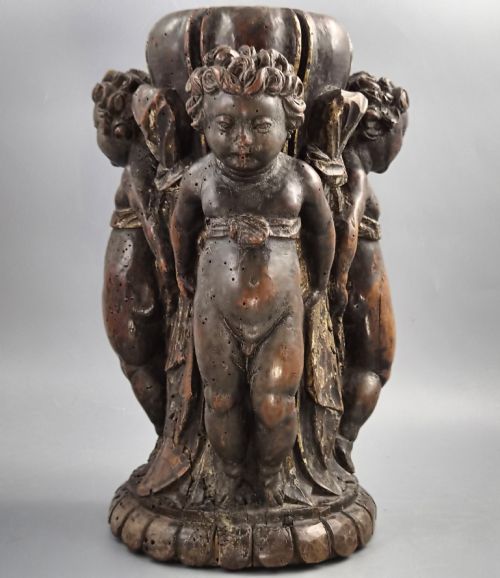
The selection leans heavily toward Continental European craftsmanship, with prominent representation from the Black Forest region and Italian workshops. Buyers frequently encounter detailed bears, fierce lions, tigers, and winged putti carved with deep expression.
Forms vary widely from freestanding animal figures and bust portraits to console elements, wall panels, and torchiere bases. The rich, dark grain of walnut and associated hardwoods defines the visual weight of these historical carvings.
Assessing the quality of carvings
Mastery of anatomy and depth of relief separate superior carvings from simpler decorative works, with master carvers achieving lifelike tension in musculature and fur. The crispness of the chisel work in difficult grain areas determines the refinement of the final piece.
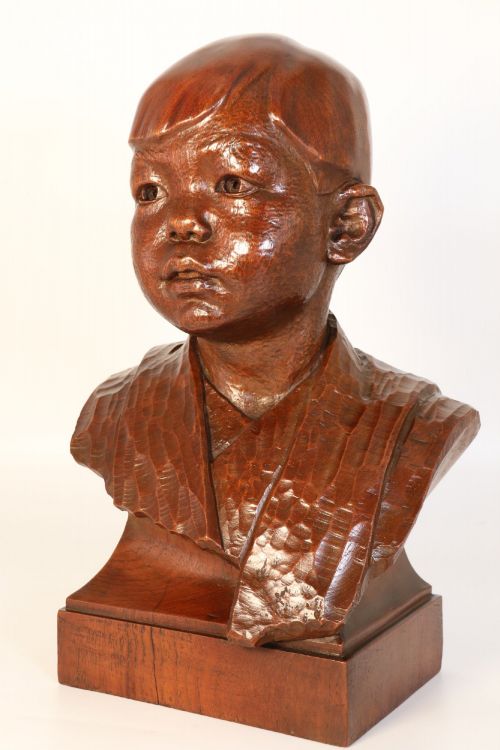
The architectural scale and ambition of the design, such as life-size busts or multi-figure compositions like putti torchiere bases, indicate workshop pedigree. Preservation of the original dark timber surface without heavy over-finishing maintains the integrity of the antique.
Several fierce bears double politely as umbrella holders and tobacco box guardians.
Valentino Besarel·George Henry Paulin
The Dark Walnut Sculpture Glossary
- Torchiere
- A tall ornamental stand designed to hold a light source or candle. These pieces often feature elaborate figurative carving along the stem and base.
- Putti
- Representations of chubby, winged male infants, commonly found in Baroque and Italian sculpture. They frequently appear supporting bases or accompanying religious figures.
- Black Forest
- A style of wood carving originating from the mountainous region in Germany, renowned for realistic depictions of bears, dogs, and woodland animals.
- Term
- A pillar or pedestal tapering downward, topped by a bust or figure. These architectural elements often served as structural supports or decorative consoles.
- Baroque
- An artistic style characterised by exaggerated motion, deep relief, and drama. In sculpture, this translates to powerful musculature and dynamic poses.
Dark Walnut Sculpture: Frequently Asked Questions
How do I identify a Black Forest carving?
Black Forest carvings are typically rendered in walnut or lindenwood and most often depict realistic woodland animals such as bears, dogs, and birds. Many incorporate functional elements like inkwells, tobacco boxes, or hall stands.
The work displays deep texturing of fur and feathers, often originating from Swiss and German workshops during the nineteenth century.
Where were these wooden sculptures placed historically?
Larger pieces like torchiere bases, console tables, and hall stands stood in grand entrance halls and reception rooms to display status. Smaller animal carvings and novelty items functioned as desk accessories or cabinet pieces in studies.
Religious figures and crucifixes were placed in domestic chapels, churches, or quiet corners of period homes for contemplation.
How should I care for dark walnut sculpture?
Keep wooden sculptures away from direct heat sources and strong sunlight to prevent the walnut timber from drying out and splitting. Dust gently with a dry, soft cloth rather than using liquid polishes or modern chemical cleaners.
Maintaining a stable room humidity helps preserve the original carved surface and any historical finish.
What is the difference between an 18th and 19th-century carving?
Eighteenth-century pieces frequently exhibit Baroque or Georgian influences, leaning toward architectural fragments, religious subjects, and classical console elements with dynamic, sweeping lines. Walnut and heavy hardwoods were carved with deep, dramatic relief.
Nineteenth-century works, particularly from the Black Forest tradition, often favour naturalistic animal studies and highly detailed novelty objects driven by the rise of tourism and specialised workshops.