

Antique Wooden Statue
An antique wooden statue brings warmth and presence to a room, ranging from folk carvings to European devotional figures.
Antique Wooden Statue
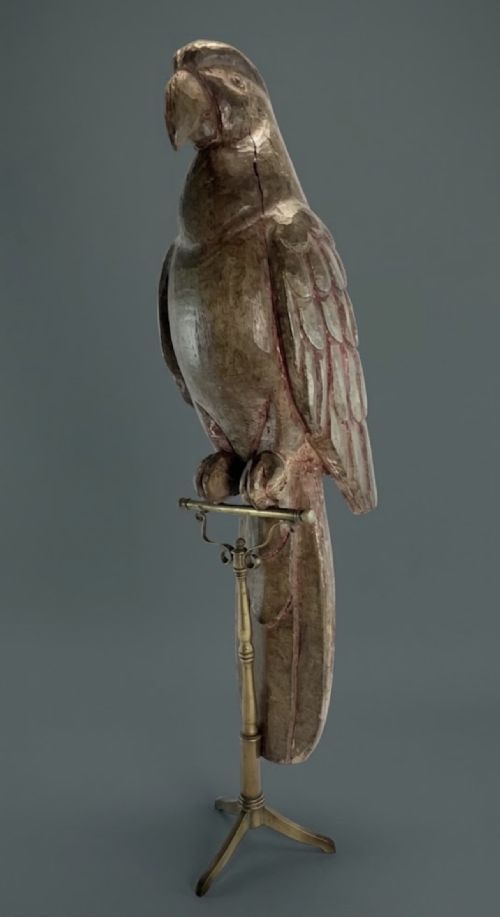
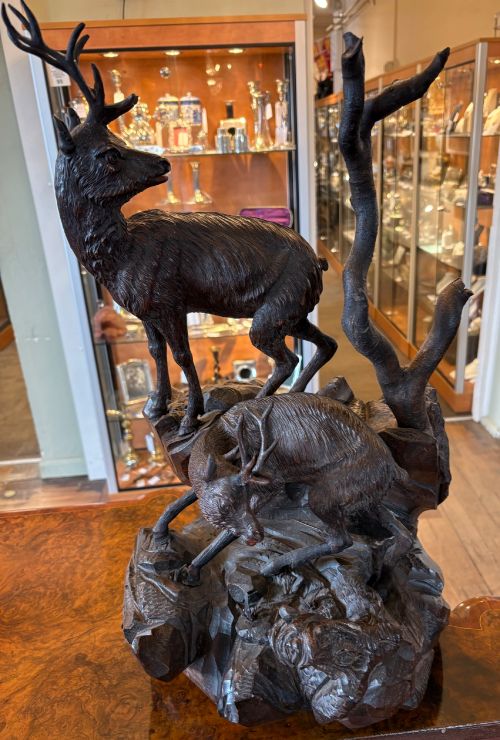
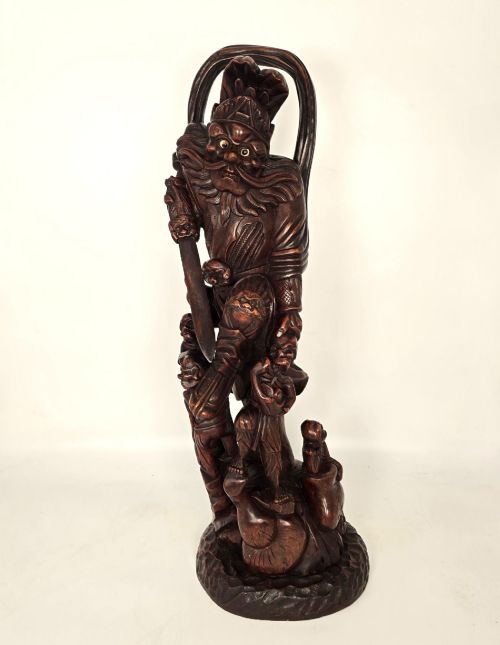
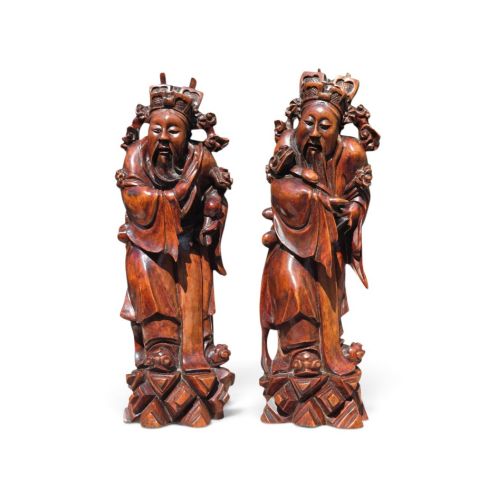
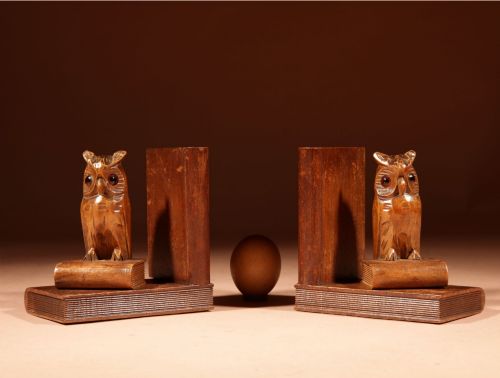
When you search for an antique wooden statue, you encounter a diverse group of sculptures spanning centuries and continents. The pieces on this page include European devotional carvings, Black Forest animal studies, Asian figural works, and folk art objects.
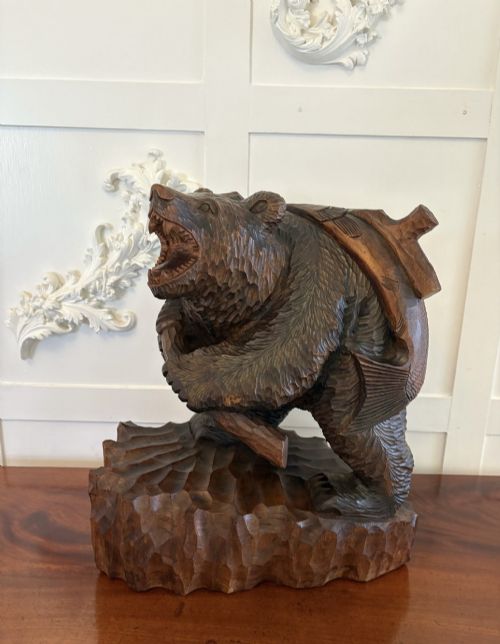
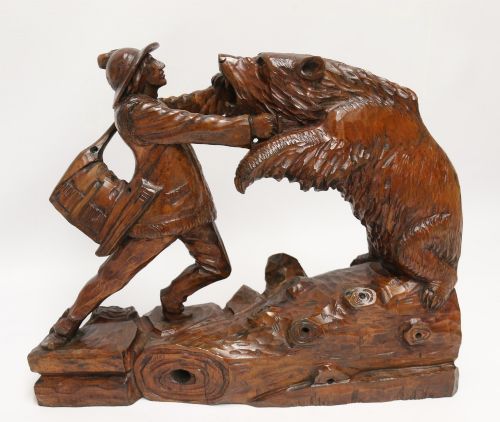
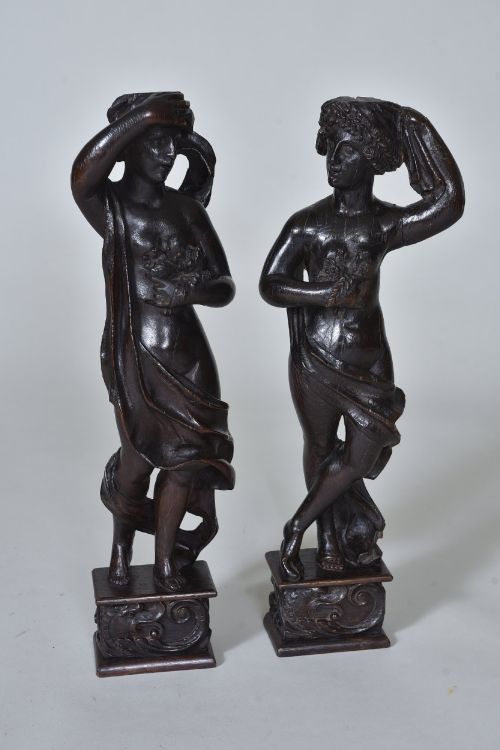
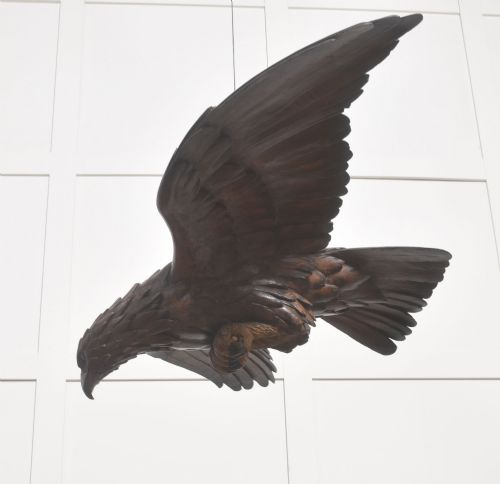
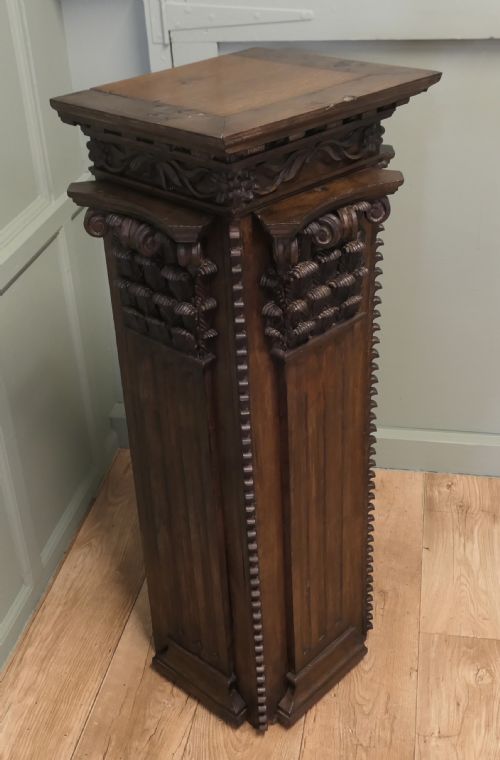
You are most likely to meet 19th-century works, particularly Black Forest carvings of bears and birds, alongside Continental oak figures and folk carvings. These objects range from small bookends and match holders to life-size figures and architectural fragments.
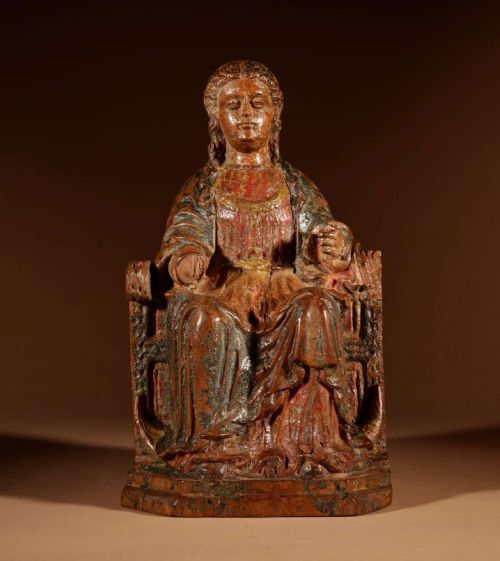
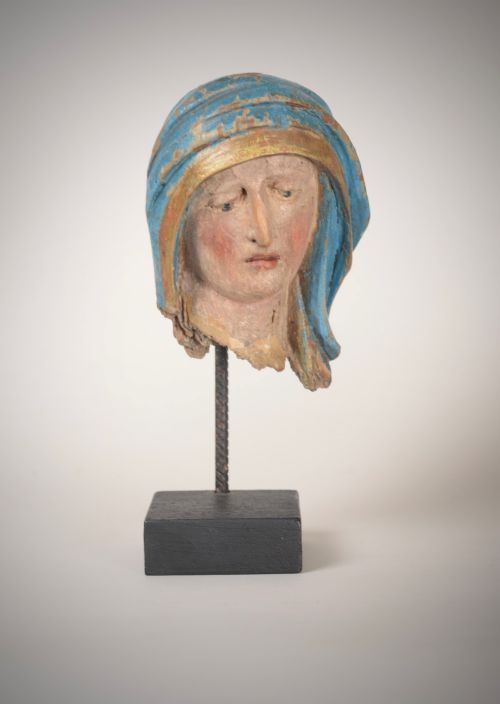
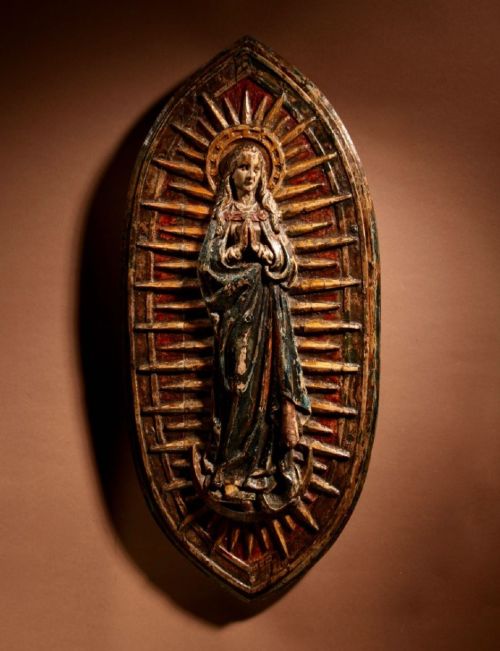
The category encompasses both secular decorative items, such as tradesmen's figures and animal groups, and religious pieces, including saints, Madonnas, and altarpiece panels. Each piece reflects the functional or spiritual demands of its original context.
How they were made
Carvers utilised a variety of woods depending on regional availability and the intended detail of the sculpture, employing oak, fruitwood, walnut, linden wood, olive wood, and hard woods. Softer woods like linden allowed for intricate undercut details in animal and human figures, while oak provided sturdy support for large architectural and Continental sculptures.
Surface treatments define many of these pieces, incorporating gesso, gold leaf, paint, and polychrome pigments. Some items retain original hand-painted finishes, while others showcase the bare carved grain or the rich tones of polished hardwood.
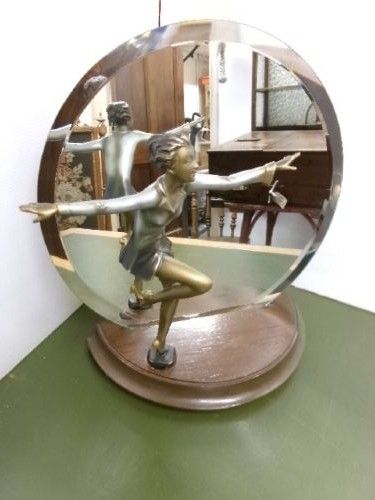
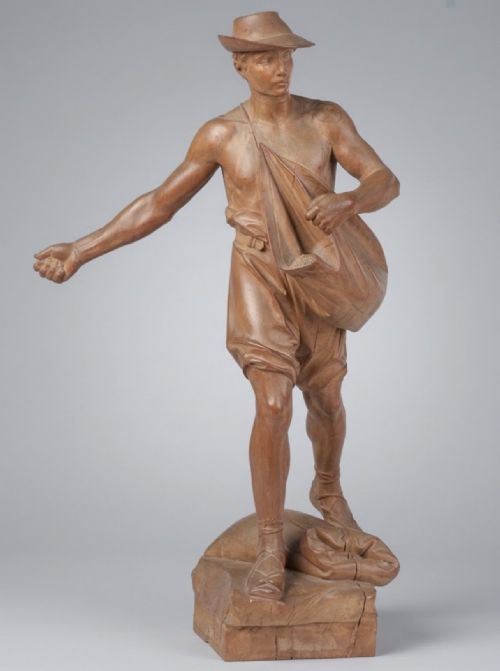
Listings feature 17th-century oak carvings alongside 20th-century Art Deco figures and Japanese folk art sculptures.
What varies in quality
The distinction between ordinary and exceptional work lies in the depth and fluidity of the carving. Master carvers captured anatomical accuracy and naturalistic textures in fur, drapery, and facial expressions, whereas lesser pieces display stiff lines and simplified forms.
The preservation of original surface finishes, such as early polychrome paint or gilding, alters the desirability of a piece. Works retaining their untouched historic patination outrank examples stripped or heavily restored in later periods.
J HUGGLER
The Antique Wooden Statue Glossary
- Polychrome
- Decorated in a variety of colours. This term frequently describes medieval and later religious figures retaining their original painted surfaces.
- Linden wood
- A pale, fine-grained timber favoured by European carvers. It is particularly associated with detailed Black Forest animal and human figures.
- Gesso
- A plaster-like mixture applied to wood as a base for gilding or paint. It provides a smooth ground for decorative surface work.
- Corpus Christi
- A representation of Jesus Christ on the cross. These monumental sculptures form a distinct subcategory of religious wood carving.
- Altarpiece
- A structured artwork set above an altar. Central panels often feature carved wooden saints or narrative figure groups.
Antique Wooden Statue: Frequently Asked Questions
How do I date an old wooden statue?
Dating relies on tool marks, the choice of timber, style, and surface patination. Examining the base and the back often reveals period-specific construction methods.
Comparing the carving style to documented periods, such as the Baroque era or the Qing dynasty, helps narrow down the decade of creation.
Where were Black Forest carvings made?
These distinct animal and human sculptures originated primarily in the mountainous regions of Switzerland and Germany during the nineteenth and early twentieth centuries. Local craftsmen utilised abundant regional linden wood to supply tourists and export markets.
Subjects ranged from bears acting as furniture and bookends to detailed studies of eagles, deer, and domestic cattle.
How should I clean a wooden statue?
Maintenance requires gentle dusting with a soft, dry brush to prevent dirt accumulation in carved crevices. Avoid using water, harsh modern cleaning agents, or excess moisture on antique timber and painted surfaces.
Preserving the dry historic patination ensures the long-term stability of both the wood and any applied gesso or polychrome.
Are religious wooden figures rare?
Surviving devotional statues from the seventeenth century and earlier are uncommon due to changing religious practices and the vulnerability of wood to pests and fire. Many exist today as fragments separated from larger altarpieces or architectural settings.
Later devotional pieces from the nineteenth century appear more frequently in various regional European styles.