
18th Century Carved Figure
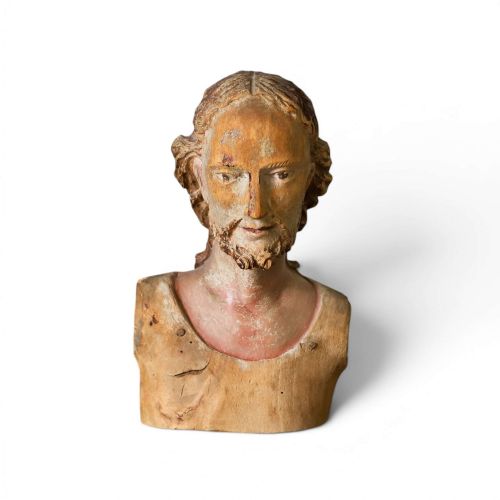
An 18th century carved figure brings centuries of hand-carved religious devotion and classical form directly into an interior.
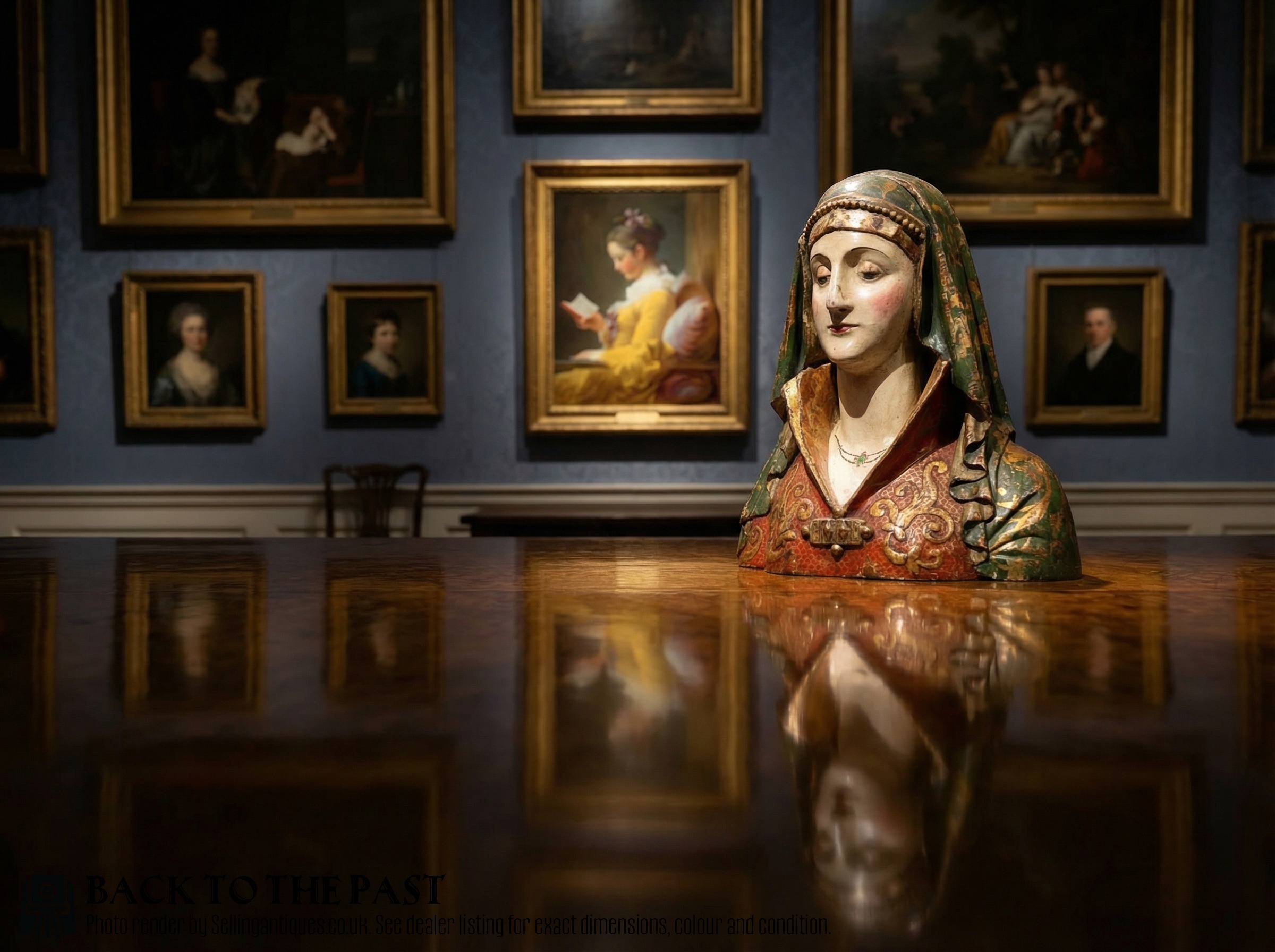
18th Century Carved Figure
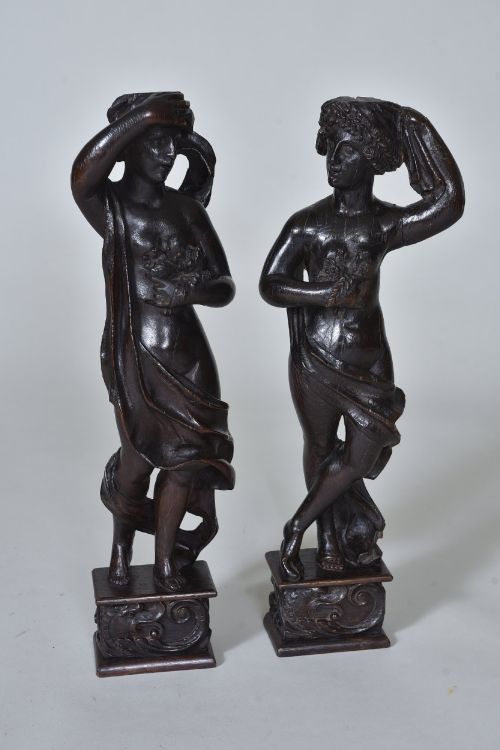
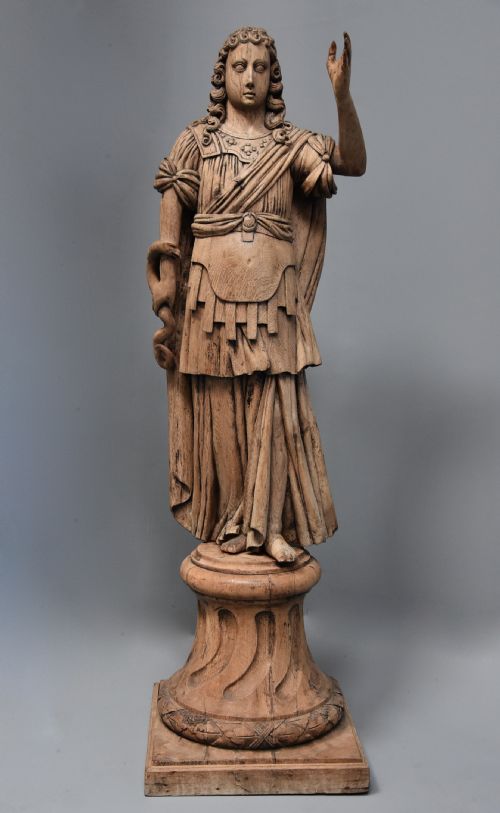
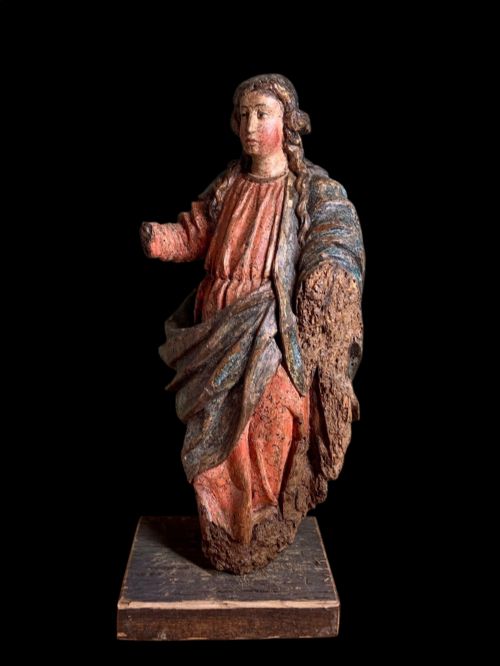
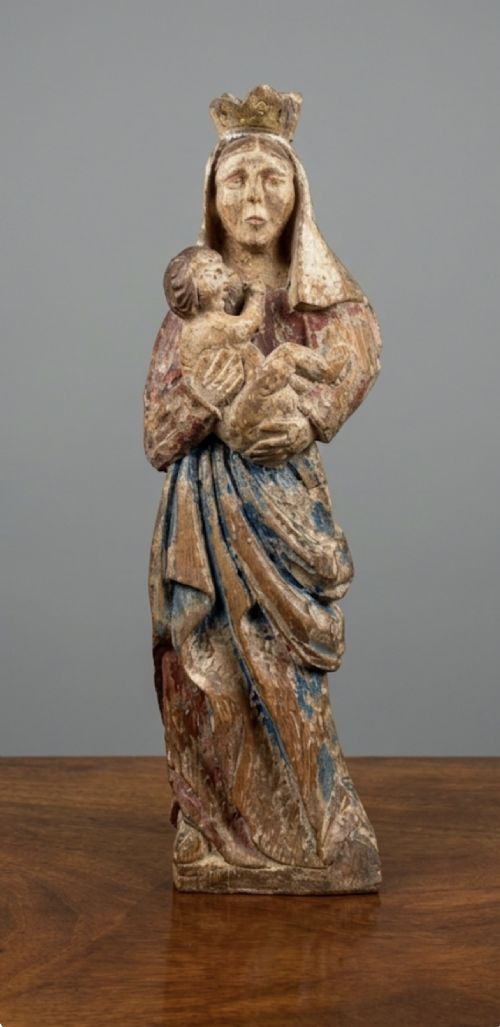
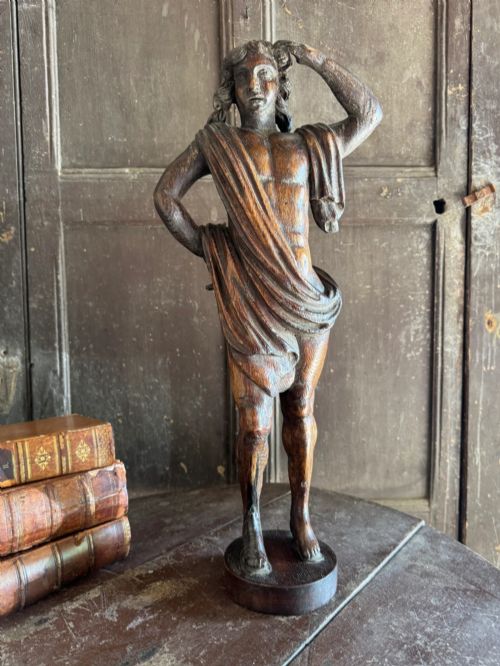
An 18th century carved figure typically encompasses devotional church statuary, saints, and classical deities originating from various European and global workshops. Buyers searching this phrase most frequently encounter wooden sculptures depicting religious subjects, often finished with historic paint or gesso layers.
How they were made
Workshops employed traditional joinery and hand-carving techniques specific to their region, whether producing Spanish polychrome figures or English oak architectural elements.
18th Century Carved Figure Retail Price Guide 2026
Typical asking prices for 18th century carved figure among the pieces listed under this phrase on Sellingantiques today, from the lower quarter to the upper quarter. They describe what is for sale here now, not the wider market.
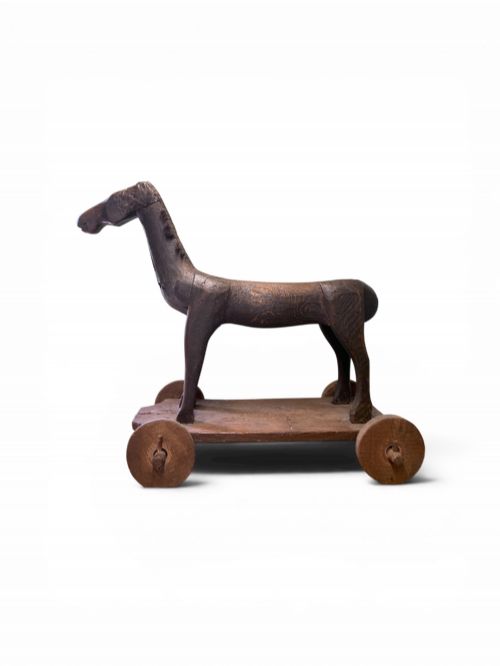
One remarkably confident carver chose a toy horse to immortalise in naive 18th century wood.
What varies in quality
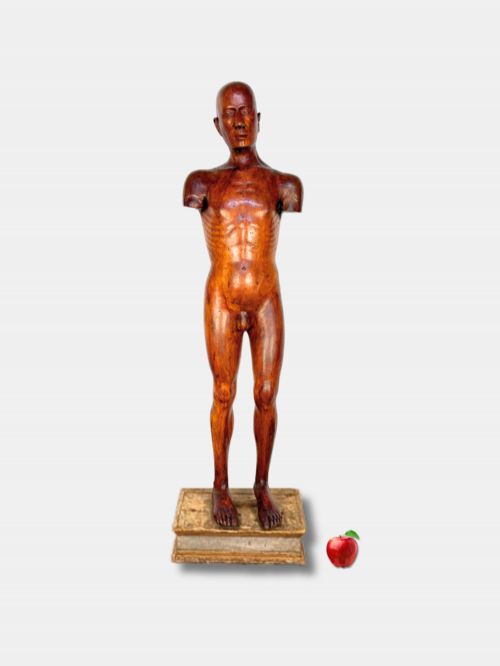
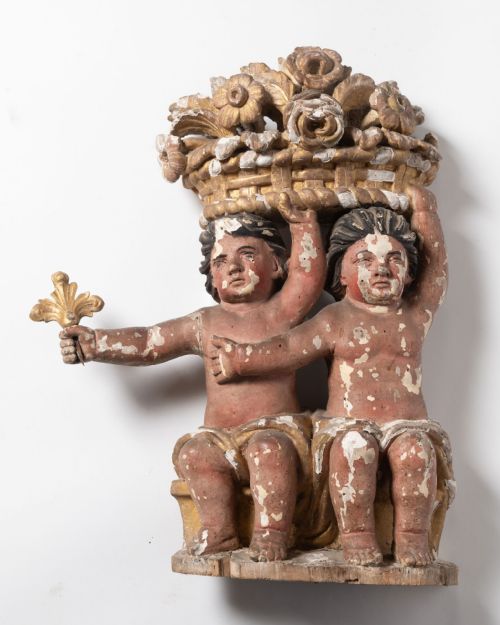
The sophistication of the carving anatomical detail and the expressive depth of the face distinguish superior examples from simpler folk art or naive workshop output. Preservation of original surface finishes, including period polychromy and gilding, heavily influences the integrity and character of a sculpture.
Proportion, confident handling of drapery folds, and the original crispness of the chisel work set ambitious academic carvings apart from standard provincial production.
Simon Troger
The 18th Century Carved Figure Glossary
- Polychrome
- Painted in several colours. This surface treatment is frequently found on religious wooden sculptures from continental workshops.
- Gesso
- A plaster mix applied to wood as a base for paint or gold leaf. It provides a smooth surface for detailed decorative finishes.
- Corpus Christi
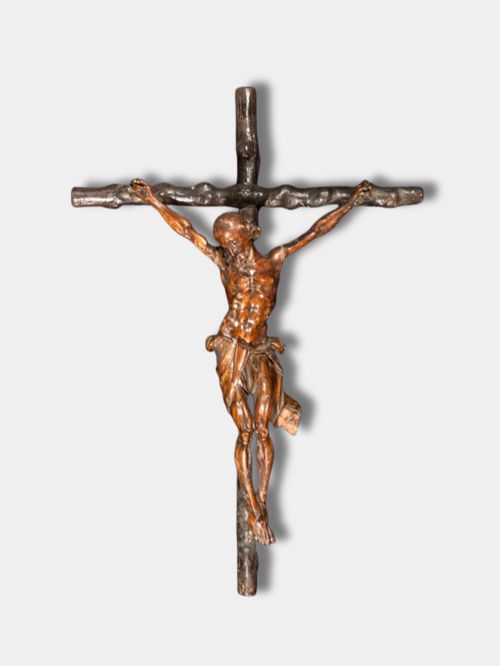
- An image of Christ on the cross. These carved figures range from small domestic devotional objects to large church altarpieces.
- Santos
- A carved figure of a saint or holy person. Originating in Spanish and Italian traditions, they were often dressed in real textiles.
- Caryatid
- A sculpted female figure serving as an architectural support. They appear on furniture and panels from the period.
18th Century Carved Figure: Frequently Asked Questions
Where were 18th century carved figures placed originally?
These sculptures typically stood in churches, domestic private chapels, or served as architectural elements within wealthy households.
Religious figures occupied niches on altars or walls, while classical subjects adorned reception rooms and libraries.
How do I care for an old wooden carving?
Keep wooden sculptures away from direct heat sources and drastic humidity changes to prevent the timber from splitting.
Dust gently with a dry, soft brush and avoid applying modern polishes or cleaning agents to historic surfaces.
What is the difference between religious and secular carvings?
Religious sculptures depict saints, angels, and biblical scenes intended for devotion and spiritual contemplation.
Secular carvings represent classical mythology, allegorical figures, or portraits reflecting the intellectual pursuits of the era.