
Antique Ecclesiastical Carving
These antique ecclesiastical carving pieces bring centuries of devotion, rich timber and historic gilding straight into a room.
What these pieces are
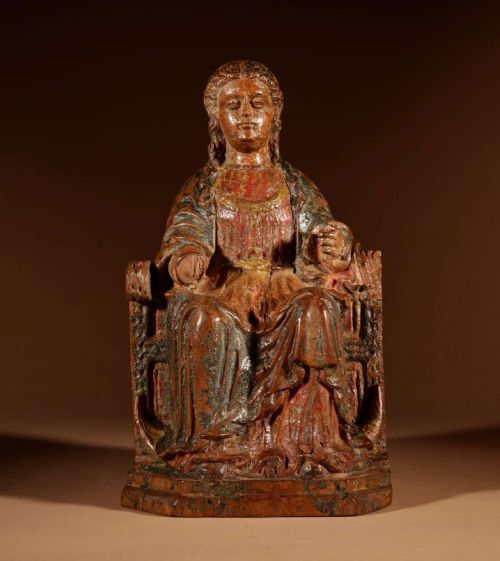
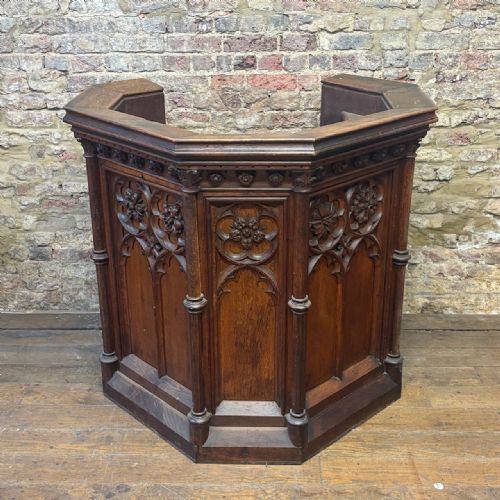
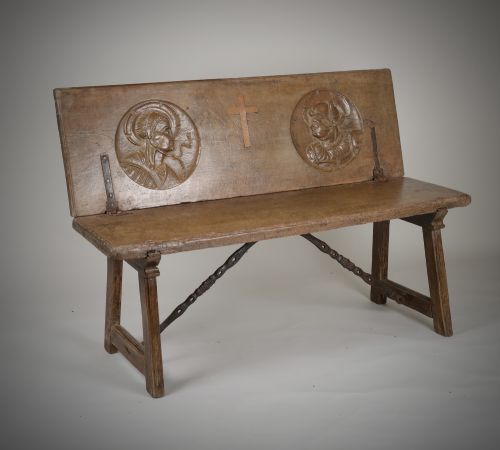
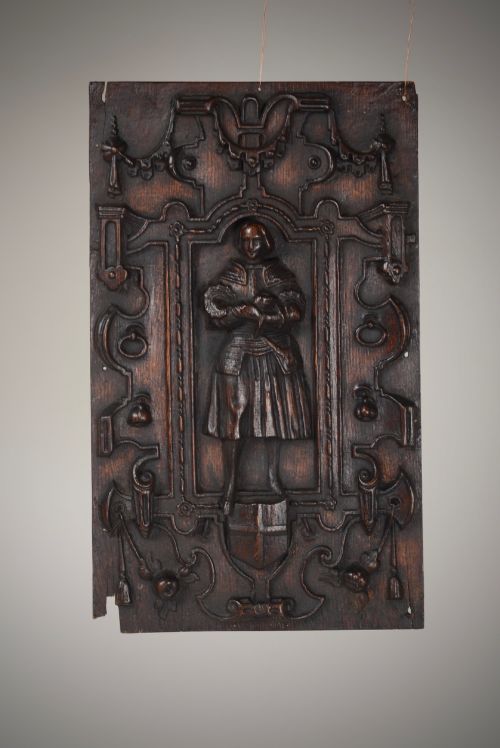
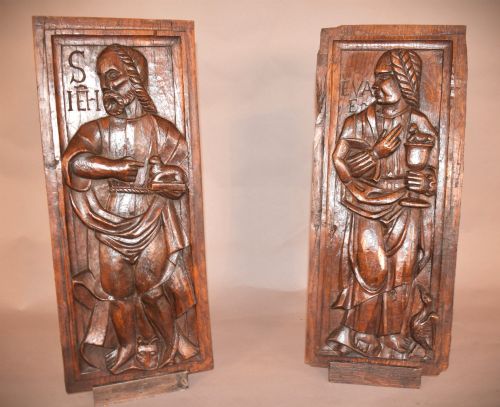
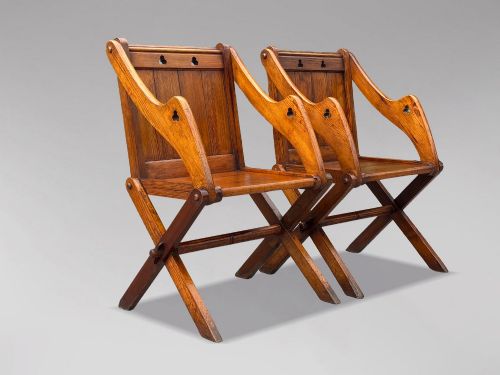
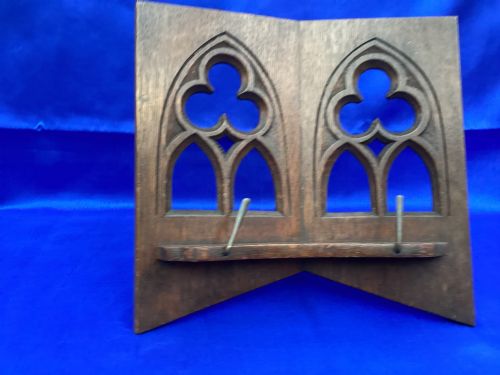
When searching for antique ecclesiastical carving, a buyer meets wooden sculptures and figures of saints, cherubs and religious subjects. The selection spans the sixteenth century through to the late nineteenth century, taking in Late Medieval, Gothic, Baroque and Baroque Revival styles.
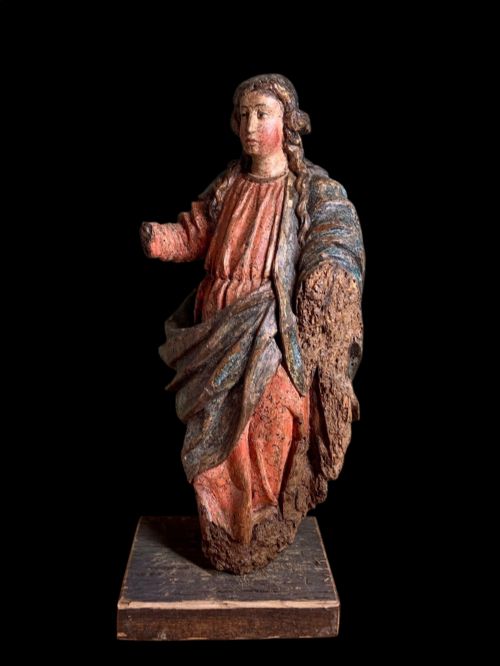
The pieces appearing here include representations of figures such as Saint Francis, Saint Catherine, Saint Nicholas, and the Lady of Sorrow, alongside depictions of the Pieta and the Corpus Christi. Forms range from full-length statues and busts to smaller architectural angels and cherubs.
Origins represented across these listings stretch across continental traditions, notably including Italian Baroque work alongside English and European Gothic and medieval craftsmanship. Each object bears the marks of liturgical use, carrying centuries of hands and prayer.

How they were made
Carvers shaped these forms from dense timbers including oak, applewood and other fruitwood, selecting woods that held fine detail under chisels and gouges. These hardwoods provided stable foundations for intricate drapery, expressive faces and delicate hands.
Many surfaces received layers of gesso before finishing with gold leaf or rich gilding, adding a luminous glow to altarpieces and figures. The interplay of exposed carved wood and brilliant gold leaf defines the visual language of these liturgical works.
Retail Price Guide 2026
Typical UK retail prices for ecclesiastical carving, calculated from the Sellingantiques database of over a million retail prices indexed since 2003. This retail price guide relies exclusively on Sellingantiques data; no external sources or auction records are used, so the figures do not describe the wider market.
A golden cherub gazes down from the nineteenth century, perhaps wondering how it ended up watching modern television.
What varies in quality
Quality rests in the anatomical confidence of the carving, where the rhythm of folds in a robe or the expressiveness of a face reveals the hand of a master. Lesser pieces often rely on stiff repetition and heavy, blunt tool marks.
The survival of original surface treatments, from early gesso to burnished gold leaf, dictates the visual power of an object. Pieces that retain their historic polychrome or gilding hold a depth that later interventions or aggressive cleaning simply remove.
The Antique Ecclesiastical Carving Glossary
- Gesso
- A plaster mixture applied to wood as a smooth base for gilding or painting. It provides the crisp ground necessary for laying gold leaf.
- Corpus Christi
- Latin for the body of Christ, specifically referring to sculptures of Christ on the cross. These figures form the focal point of historic crucifixes.
- Pieta
- A subject depicting the Virgin Mary supporting the dead body of Christ. It remains one of the most emotionally charged sculptural forms in sacred art.
- Polychrome
- Painted in several colours, often applied over gesso on wooden sculptures to render lifelike flesh tones and garments. It brings a vibrant realism to liturgical figures.
- Baroque
- A flamboyant artistic style of the seventeenth and eighteenth centuries characterised by dramatic movement and deep, expressive drapery. Figures from this era display intense theatricality.
Frequently Asked Questions
What periods do these carvings cover?
The pieces span from the sixteenth century late medieval period through seventeenth-century Baroque work and eighteenth-century religious art, stretching down to late nineteenth-century revivals.
This broad chronological range allows collectors to find examples rooted in the early Gothic tradition or later continental Baroque workshops.
How were these religious sculptures displayed?
Historic ecclesiastical carvings originally stood in churches, private chapels and domestic oratories as focal points for contemplation and prayer. They formed parts of altarpieces, rood screens or served as devotional figures mounted on walls.
Today, collectors place them on bracket shelves, mantelpieces or dedicated tables where their historic presence can anchor a room.
How do I distinguish medieval from later revival pieces?
Early pieces from the sixteenth and seventeenth centuries exhibit tool marks and wear patterns consistent with centuries of handling and liturgical function. Their construction methods and the natural ageing of the timber reveal genuine historic use.
Nineteenth-century revival works often show a more self-conscious adherence to Gothic or Baroque styles, utilising period forms with distinct nineteenth-century finishing techniques.