
Baroque Wood Sculpture
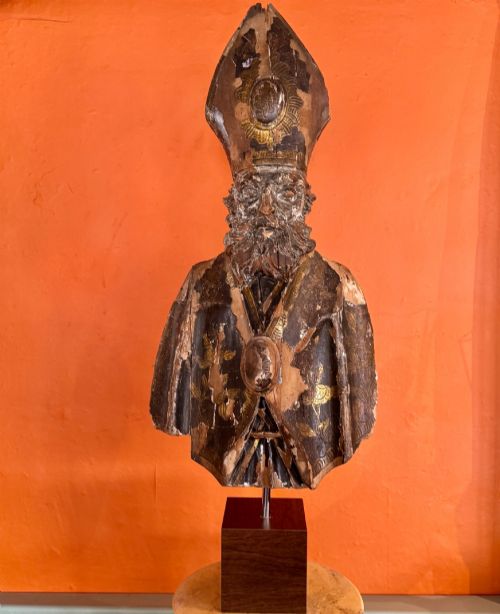
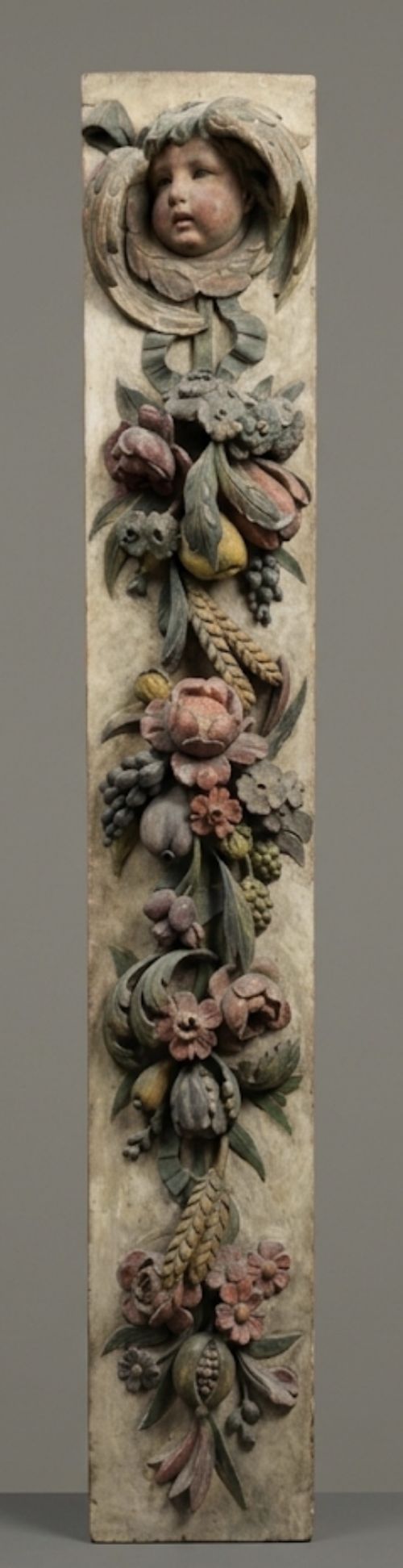
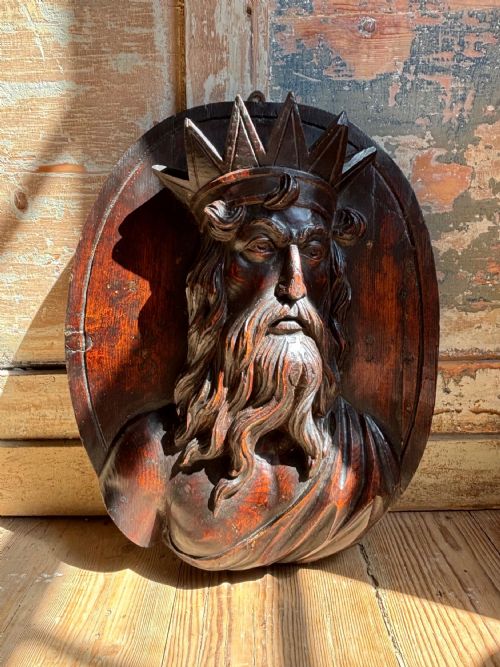
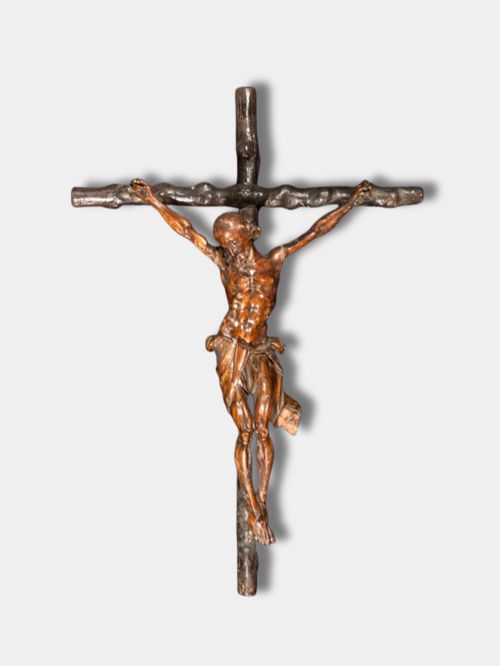
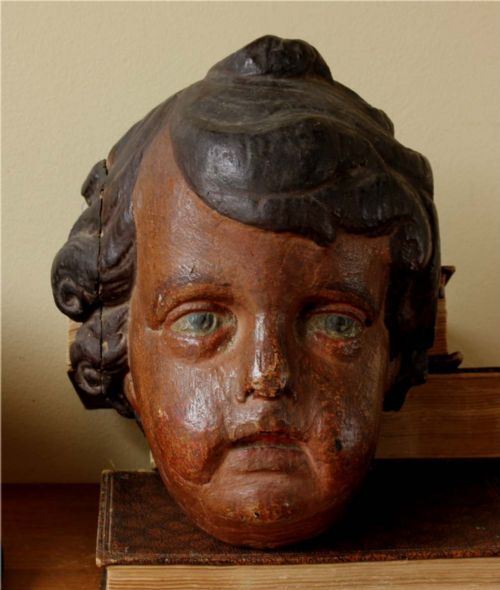
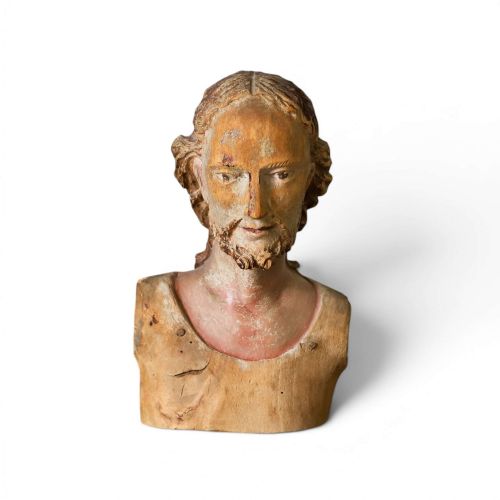
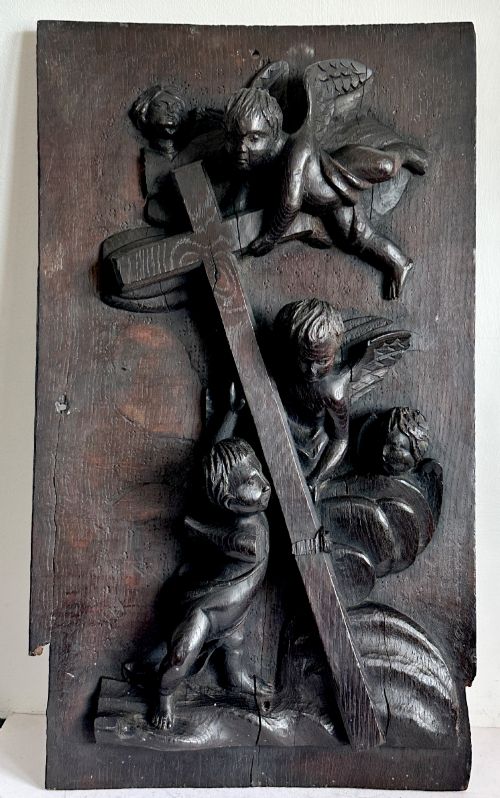
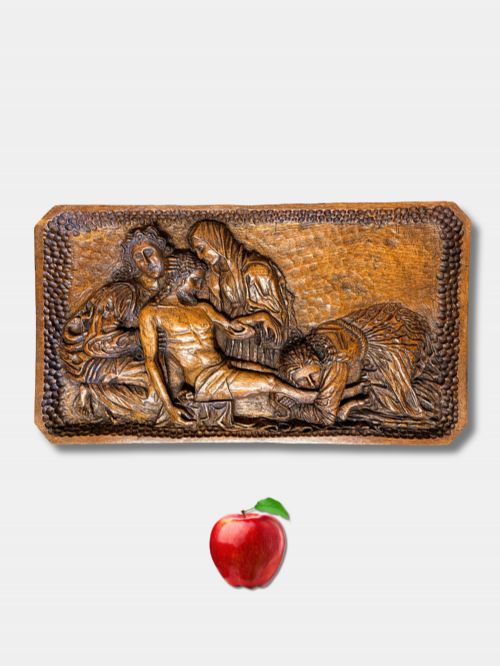
When you search for baroque wood sculpture, you enter a world of carved saints, putti, and architectural panels dating from the seventeenth and eighteenth centuries.
Baroque Wood Sculpture
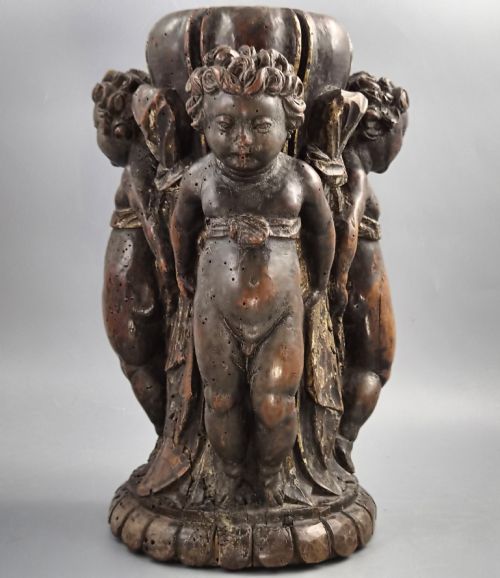
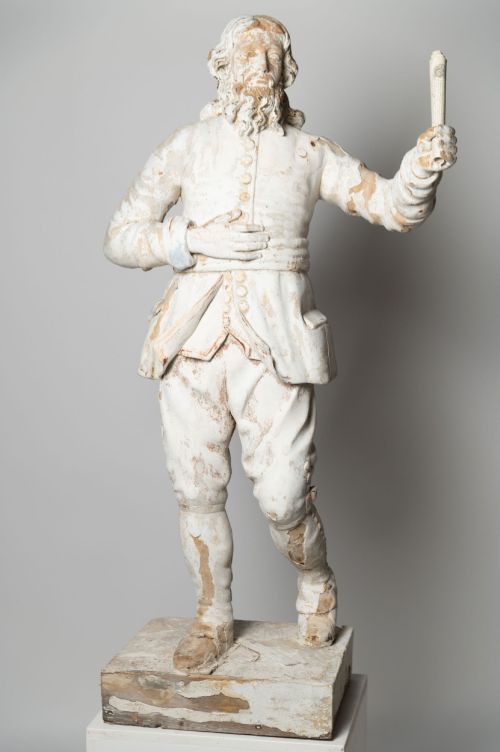
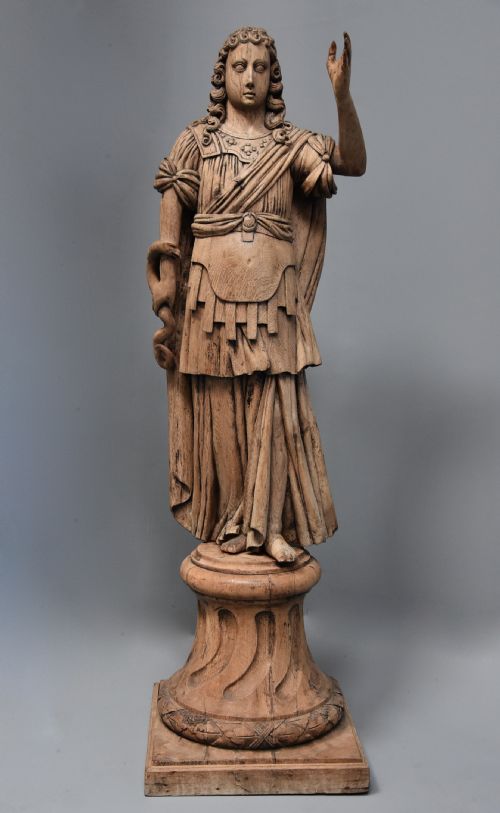
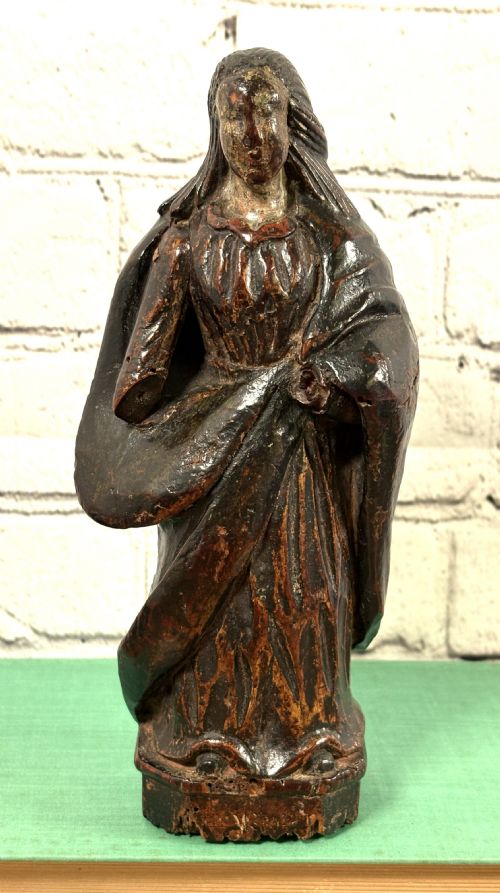
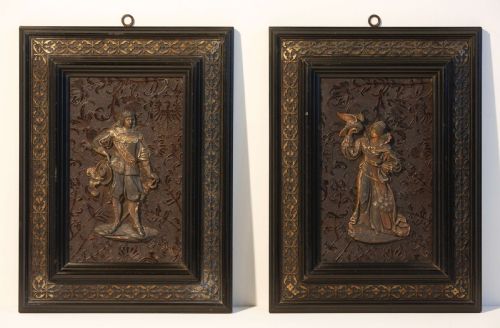
Buyers frequently encounter figural panels, freestanding religious statues, and decorative torchiere bases fashioned from oak, walnut, limewood, and chestnut. The selection spans domestic decorative carvings and sacred works originally intended for altars, chapels, and grand architectural schemes.
Materials and construction methods
Carvers utilised dense timbers such as oak, walnut, lime, and chestnut, allowing for deep undercutting and intricate detail work. These woods provided a stable medium for monumental figures as well as delicate facial expressions on cherubs and saints.
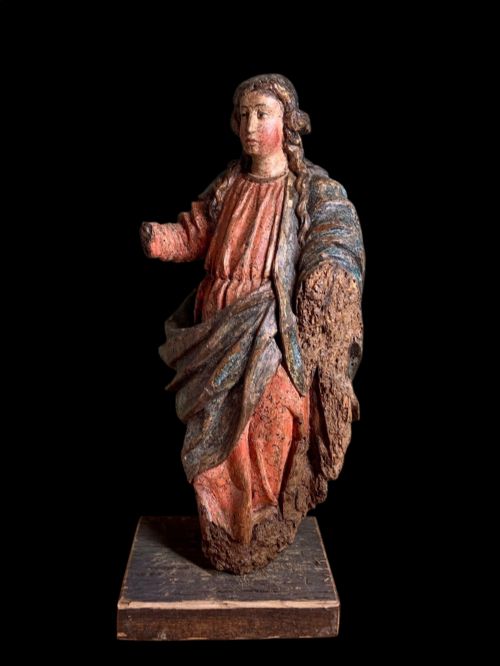
Surfaces frequently received preparation with gesso before application of polychrome paint, gold leaf, or parcel gilt finishes. Pigments and metallic layers added lifelike colour and devotional splendour to ecclesiastical commissions.
Determinants of quality
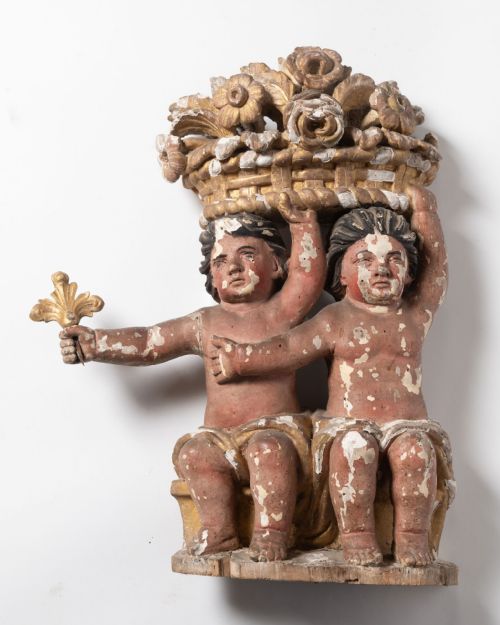
The survival of original polychrome paint or gilding heavily influences the integrity of a piece. Traces of ancient pigment and gold leaf retain the intended visual impact of the period.
Simon Troger·Edward Pearce·Grinling Gibbons
The Baroque Wood Sculpture Glossary
- Polychrome
- Decoration consisting of several colours applied to wood or gesso surfaces. It brings realism and theatricality to religious figures.
- Torchiere
- A tall stand designed to carry a light, often formed as a carved figural base. These pieces support architectural or ceremonial illumination.
- Putto
- A representation of a plump, winged child, frequently seen in sacred and secular art. They populate panels and pedestal mounts with playful energy.
- Gesso
- A plaster mixture applied to wood surfaces as a smooth base for gilding and paint. It creates a crisp ground for decorative embellishment.
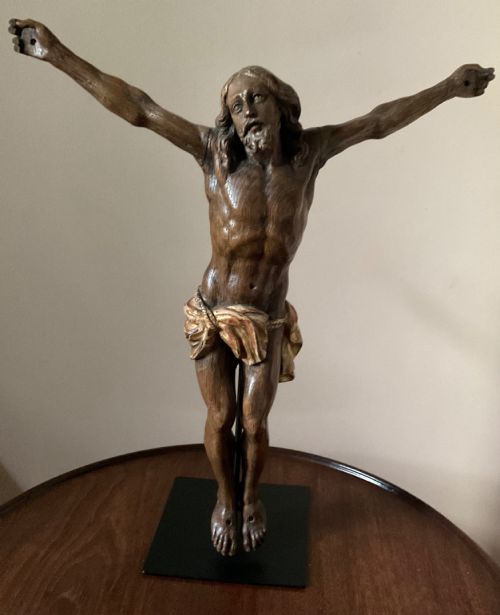
- Corpus Christi
- An image of Christ upon the cross. These devotional objects appear in various sizes across European workshops.
Baroque Wood Sculpture: Frequently Asked Questions
Where were these sculptures originally displayed?
Many pieces served a devotional function within churches, private chapels, and domestic shrines across Italy, Spain, and Germany. Figures of saints and panels formed integral parts of altarpieces.
Other items functioned as architectural elements, including overdoor panels, pediments, and torchiere bases intended for grand residential interiors.
How should I care for an antique wood carving?
Maintain stable humidity and temperature levels away from direct heat sources and strong sunlight. Sudden environmental changes cause timber to warp and historic gesso to crack.
Dust the surface gently with a soft, dry brush and avoid applying modern polishes or cleaning agents to aged polychrome and gilt surfaces.
How can I tell German work from Italian work?
German and Flemish carvings often utilise dense limewood or oak with an emphasis on dramatic emotional intensity and complex drapery. Workshops in these regions favoured rigorous naturalism.
Italian pieces frequently display classical proportions and theatrical grace, utilising walnut or chestnut with distinct regional preferences in facial types and surface gilding.