



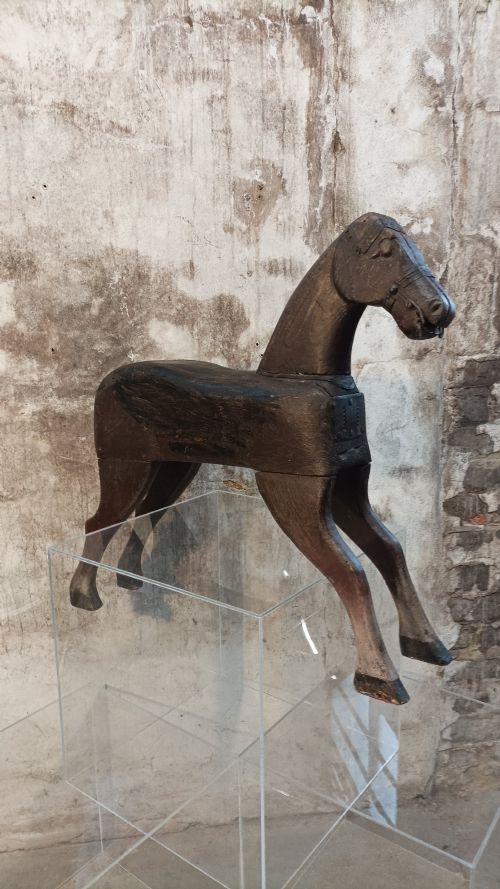
Carved Timber Ornament
A carved timber ornament brings tactile warmth to a room, ranging from Black Forest animals to Chinese hardwood figures.
Carved Timber Ornament
A carved timber ornament comprises three-dimensional sculptures, figures, architectural fragments, and decorative objects shaped from various woods across multiple centuries. Buyers searching for a carved timber ornament will encounter figurative works ranging from animal depictions to human portraits and cultural figures. These objects bridge the gap between utility and pure display, functioning as focal points in domestic interiors.
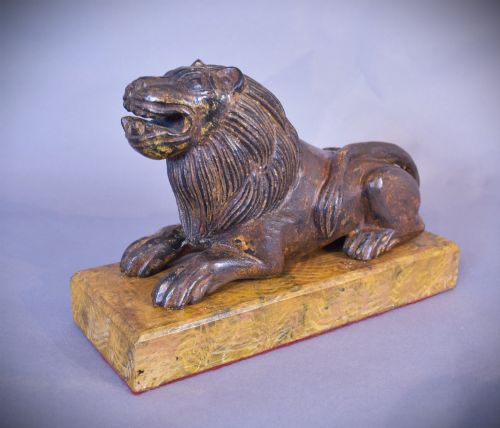
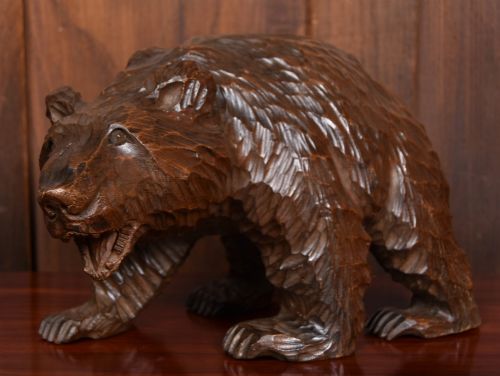
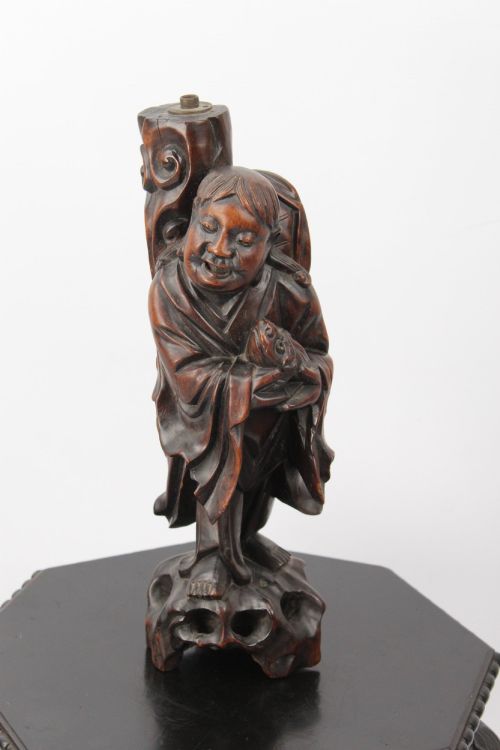
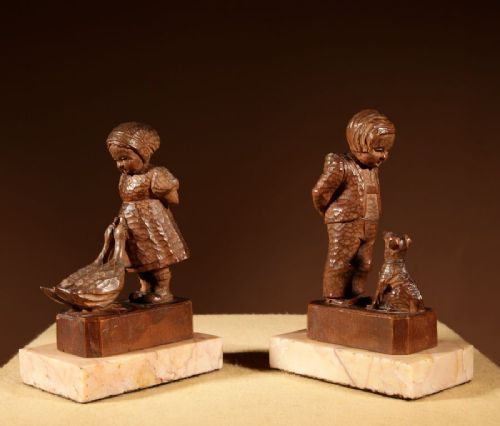
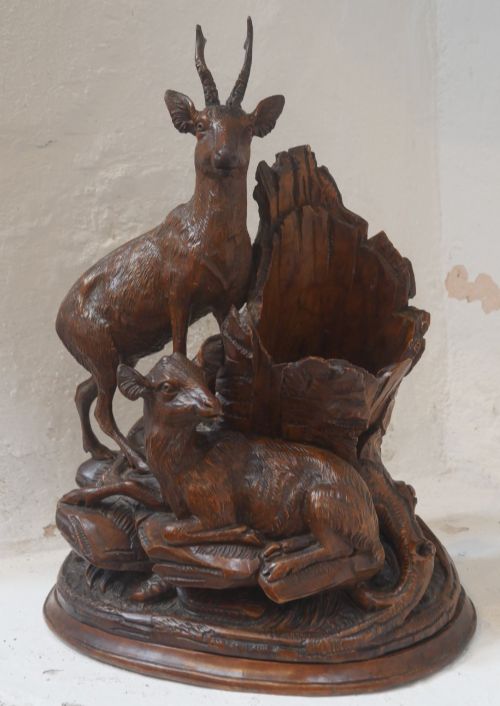
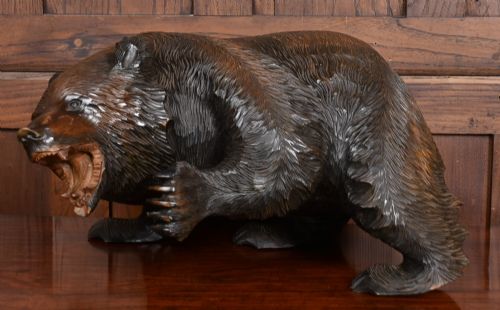
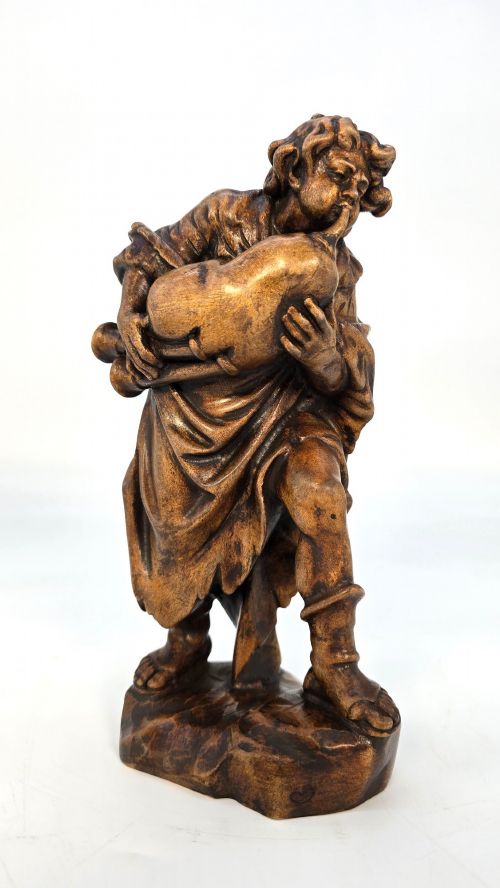
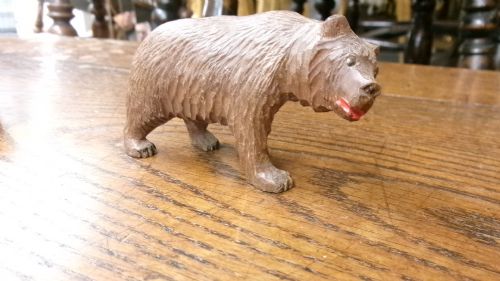
The selection on this page leans heavily towards animal and human figures, alongside architectural elements and decorative panels. Black Forest bears and woodland creatures appear frequently, alongside Japanese okimono, Chinese hardwood figures, and European folk art carvings. Pieces originate from diverse historical periods, extending from early architectural fragments up to twentieth-century art deco works.
Materials and construction methods
Carvers utilise a variety of domestic and exotic timbers, predominantly hardwoods such as oak, walnut, teak, limewood, and burr walnut root. These woods are shaped using traditional hand-carving chisels and gouges to achieve detailed textures, from the fur of a carved bear to the intricate folds of drapery on a saint.
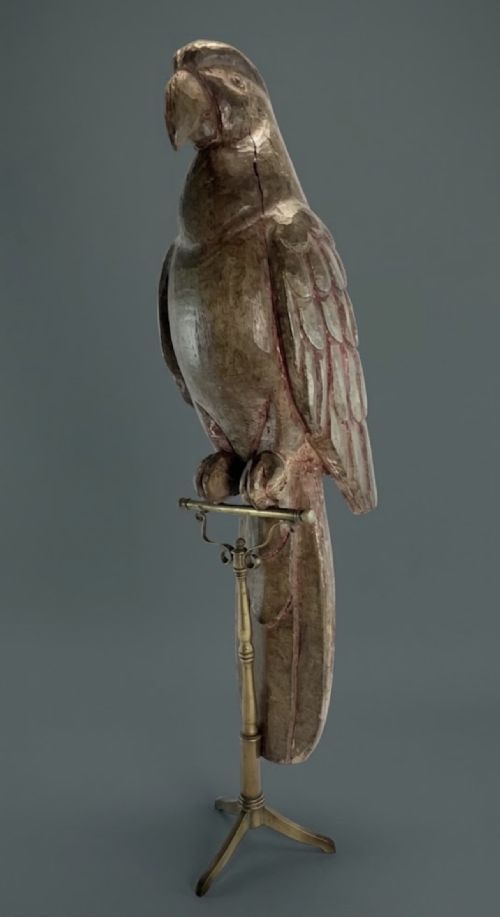
Surface finishes vary according to the origin and period of the object, incorporating applied paint, natural wax, or polished bare grain. Some pieces incorporate secondary materials such as brass stands, glass or stud eyes, and painted details to enhance the visual character of the sculpture.
Listings span multiple centuries of woodworking, from seventeenth-century architectural fragments to twentieth-century art deco sculptures.
Distinctions in quality and execution
Quality in these carvings rests upon the anatomical accuracy, depth of relief, and expressive detail achieved by the maker. Superior pieces display fluid movement, precise tool control, and careful attention to the natural grain of the timber.
The Carved Timber Ornament Glossary
- Black Forest
- A style of wood carving originating from the Brienz region of Switzerland, known for realistic depictions of animals, particularly bears. These pieces were popular tourist souvenirs during the nineteenth and early twentieth centuries.
- Okimono
- A Japanese term for a small decorative statue or ornament, typically displayed in a home. These carvings often depict humans, animals, or mythical figures with high levels of fine detail.
- Limewood
- A pale, fine-grained wood favoured by European carvers for its uniform texture and lack of prominent grain. It allows for extremely intricate, undercut detailing without splintering.
- Ceiling Boss
- A decorative projecting block of wood placed at the intersection of ribs in a ceiling or vault. Surviving examples are often architectural salvage from historic buildings.
- Folk Art
- Objects created by self-taught or traditional artisans, often serving domestic or decorative functions. These pieces emphasise naive charm and practical utility over academic precision.
Carved Timber Ornament: Frequently Asked Questions
Where should I place a carved timber ornament?
These pieces suit mantelpieces, bookshelves, and tabletops where their texture and detail can be appreciated at close range. Placing them away from direct heat sources and strong sunlight protects the timber from drying and cracking.
Larger sculptures and architectural panels look effective mounted on walls or displayed on dedicated stands. Smaller figures pair well with books and ceramics to create varied heights in a display.
How do I clean an antique wood carving?
Dust the surface regularly with a soft, dry, lint-free cloth to prevent dirt from settling into the carved recesses. Avoid using water, household detergents, or silicone-based polishes, which can damage the aged timber and lift the surface patina.
If the wood appears dry, apply a microcrystalline wax sparingly and buff gently with a clean cloth. Professional conservation is recommended for fragile or heavily damaged items.
How do I identify Black Forest carvings?
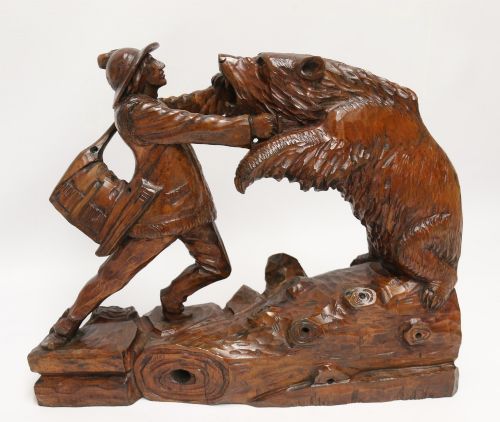
Black Forest carvings typically feature naturalistic animals, most notably bears, often shown engaged in human activities like reading or smoking. They are predominantly carved from limewood or walnut and date from the nineteenth or early twentieth century.
Many of these pieces originate from the Swiss village of Brienz, renowned for its wood-carving industry. Look for expressive faces, glass eyes, and characteristic texturing that mimics fur or bark.
What is Japanese Kibori Kuma?
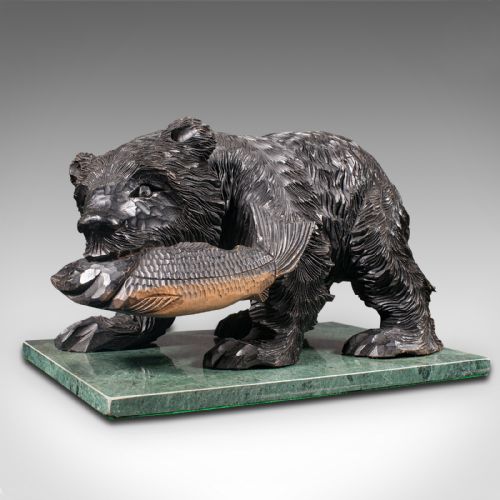
Kibori Kuma refers to traditional wooden carved bears produced in the Hokkaido region of Japan. These carvings often depict bears holding fish in their mouths and show the distinct marks of hand-carving tools.
The style developed during the early twentieth century as a local craft and tourist trade. They are valued for their vigorous carving technique and distinctive folk art appeal.