






Antique Wooden Corbel
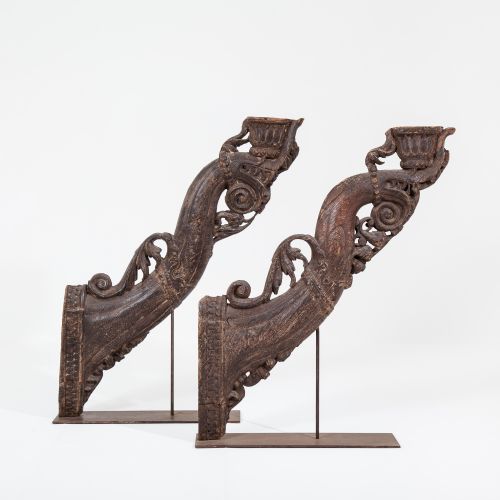
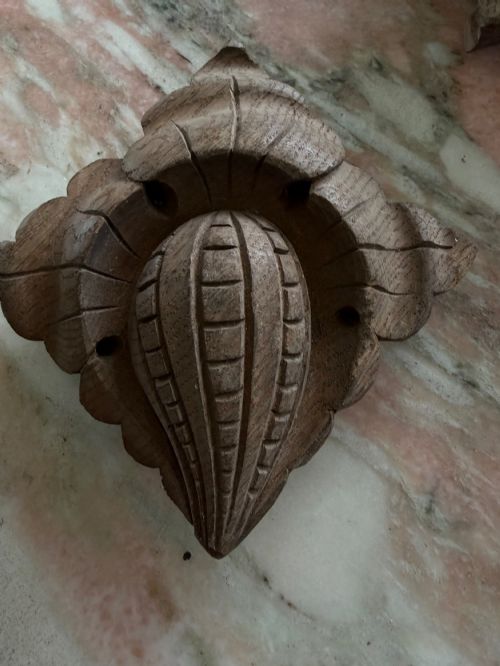
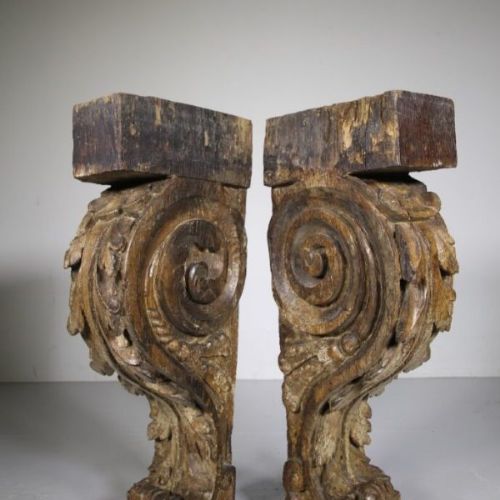
These antique wooden corbel pieces bring solid architectural weight and rich hand-carved detail to a room, functioning as robust structural supports or decorative wall brackets.
Antique Wooden Corbel
An antique wooden corbel serves as a projecting bracket supporting a weight above, though many surviving examples function purely as decorative wall brackets or architectural fragments. When searching for an antique wooden corbel, buyers encounter architectural salvage and wall displays shaped from solid timber.
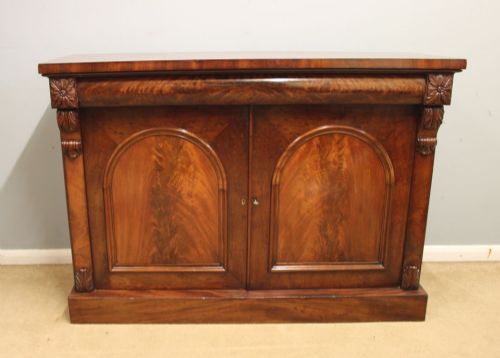
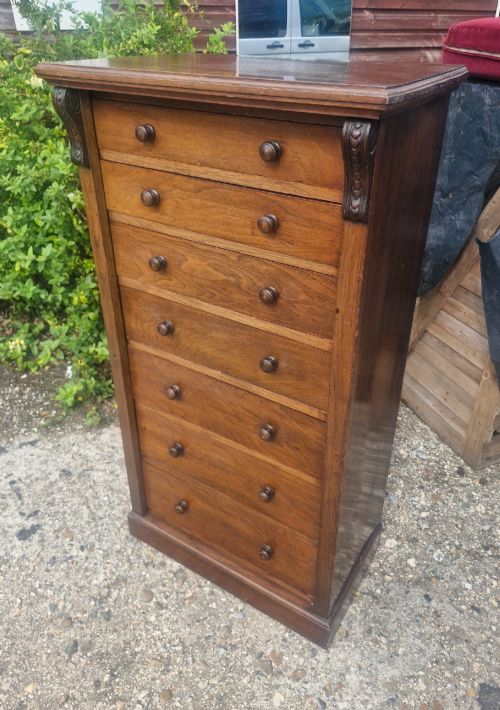
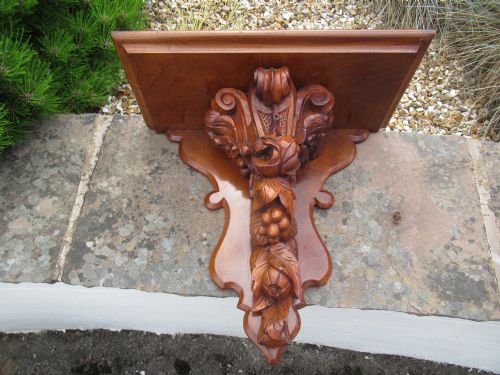
The selections span significant eras, featuring robust pieces from the 17th century alongside Victorian and 19th-century interpretations. These architectural elements appear in various forms, including wall shelves, capitals, and ceiling boss panels.
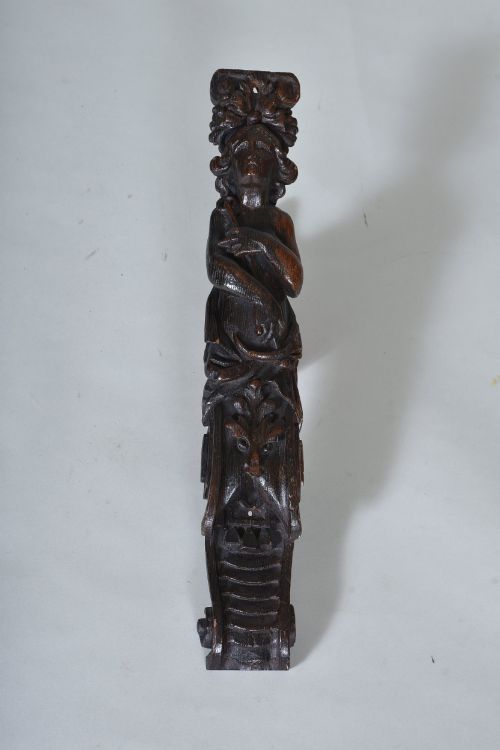
Makers fashioned these supports for both domestic interiors and grand ecclesiastical settings. Surviving items range from small carved cherub brackets to massive oak structural supports salvaged from historic buildings.
How they were made
Craftsmen primarily shaped these architectural supports from dense hardwoods like oak, walnut, and mahogany, alongside softer pines and limewood. These timbers provided the structural integrity required to bear heavy loads while accepting intricate chisel work.
Makers utilised hand-carving techniques to render figures, acanthus leaves, and geometric motifs directly into the timber. Surface finishes frequently include applied gesso and gold leaf on Italian and continental examples, enhancing the carved depth.
Historical influences include Anglo-Indian, Black Forest, and Baroque revival traditions.
What varies in quality
The depth and confidence of the carving dictate the distinction between standard architectural salvage and exceptional artistic work. Master carvers defined muscle structures, feathered wings, and facial expressions with sharp, deliberate tool marks that lesser workshops smoothed away.
Timber selection and preservation also dictate quality, as dense old-growth oak and richly figured walnut retain crisper edges over centuries than softer woods. Original gilding and untouched surface patinas hold superior decorative value compared to later stripped or heavily restored finishes.
Luigi Frullini
The Antique Wooden Corbel Glossary
- Corbel
- A structural piece of stone, wood, or metal projecting from a wall, designed to carry a superincumbent weight. In decorative contexts, they function as ornamental brackets beneath shelves or cornices.
- Capital
- The uppermost member of a column, serving as a transition between the shaft and the load. These architectural elements often display elaborate Corinthian leaf carving.
- Architectural salvage
- Building components rescued from demolition or structural alteration for reuse in interior design. This category includes everything from roof decorations to structural brackets.
- Gesso
- A plaster mixture used as a smooth base for painting or gilding on wood surfaces. It provides a bright foundation for gold leaf application on continental wall brackets.
- Ceiling boss
- A decorative knob or projecting keystol-like block placed at the intersection of ribbed vaulting. These carved wooden panels frequently depict religious figures or heraldic motifs.
Antique Wooden Corbel: Frequently Asked Questions
How were antique wooden corbels originally used?
These wooden supports functioned primarily as load-bearing structural members in timber-framed buildings, projecting outward from walls to hold up ceiling beams, lintels, or balconies.
Over time, craftsmen also utilised them decoratively beneath interior cornices, fireplace mantels, and projecting wall shelves to create a sense of architectural grandeur.
How do I hang a heavy wooden wall bracket safely?
Mounting heavy carved timber requires locating structural wall studs or using heavy-duty masonry fixings capable of supporting the dead weight of the hardwood and any items placed upon it.
Many antique pieces feature original rear fixing points or concealed slots that require specific hardware to sit flush against the plaster.
How can I tell the 17th century pieces apart from Victorian copies?
Seventeenth-century examples display deep, hand-cut tool marks in dense English or continental oak, showing the natural wear of centuries of timber movement and dry conditions.
Victorian and later revival pieces often utilise machine-sawn backing timbers or softer pine bases, even when the surface carving mimics earlier baroque or Gothic styles.
What is the difference between an architectural bracket and a shelf?
Brackets are vertical supporting elements designed to project from a vertical plane, whereas shelves include a horizontal surface fixed across two or more supports.
Many listings combine these terms because single wall brackets are frequently topped with a small wooden board to create a display ledge.