
Rustic Wood Carving
A rustic wood carving brings tangible warmth into a room, offering tactile grain and enduring character shaped by traditional hands.
Rustic Wood Carving
Rustic wood carving spans functional furniture and decorative objects shaped from timber during the eighteenth, nineteenth, and early twentieth centuries. These items reflect traditional country craftsmanship, folk art, and regional domestic design rather than formal court aesthetics.
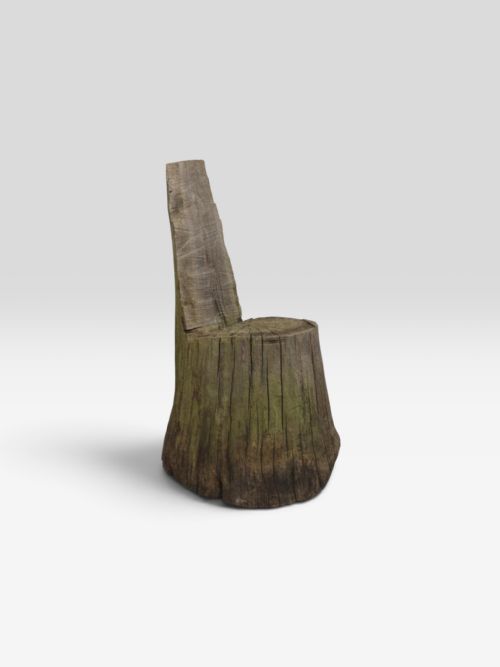
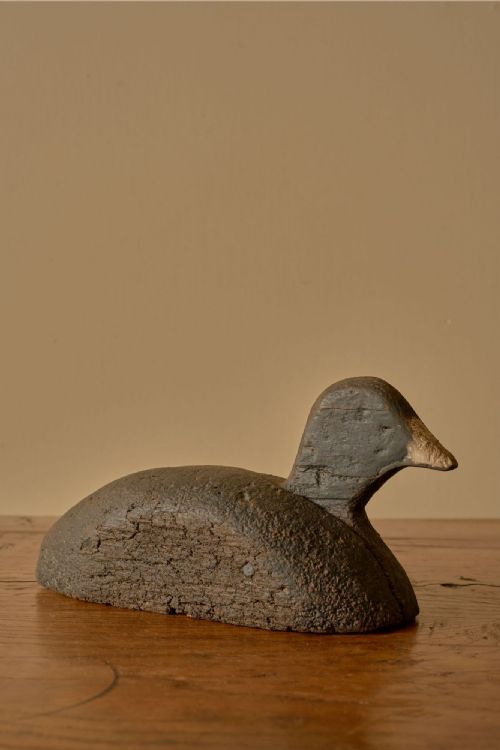
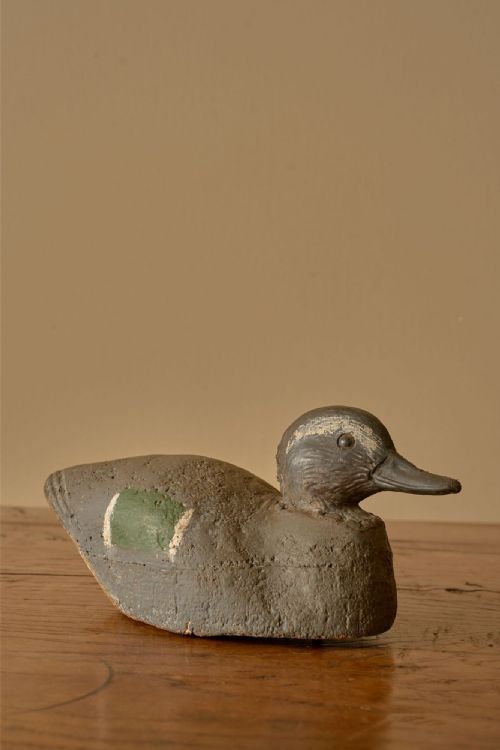
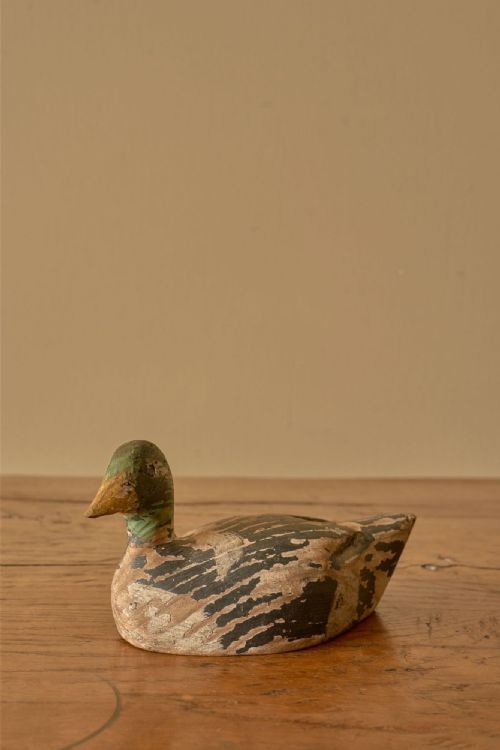
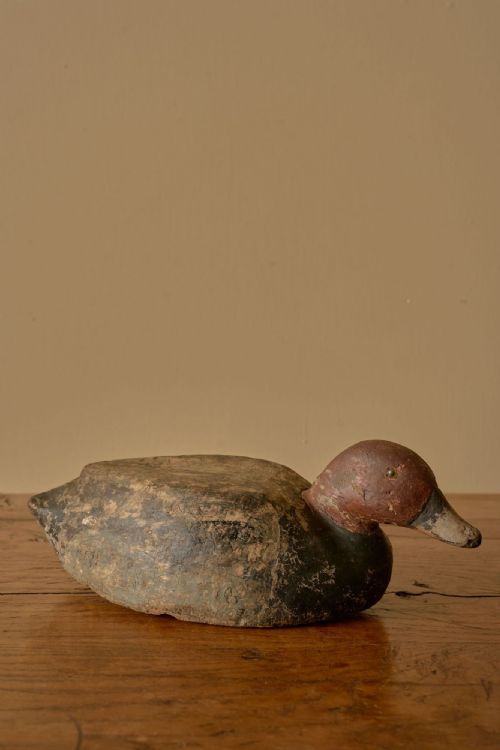
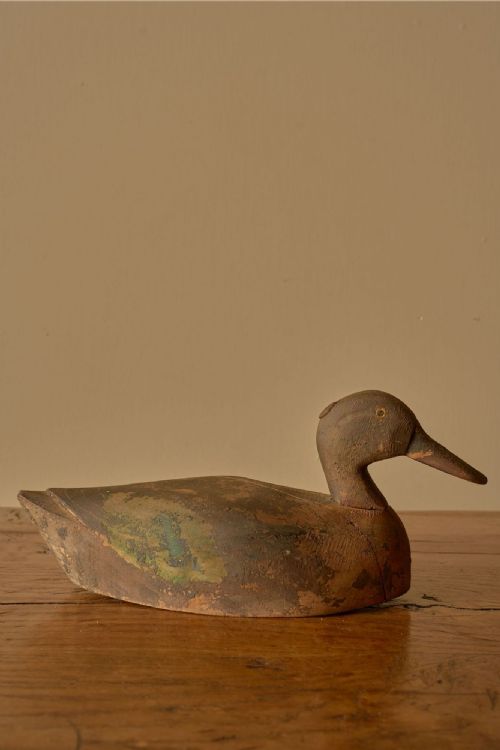
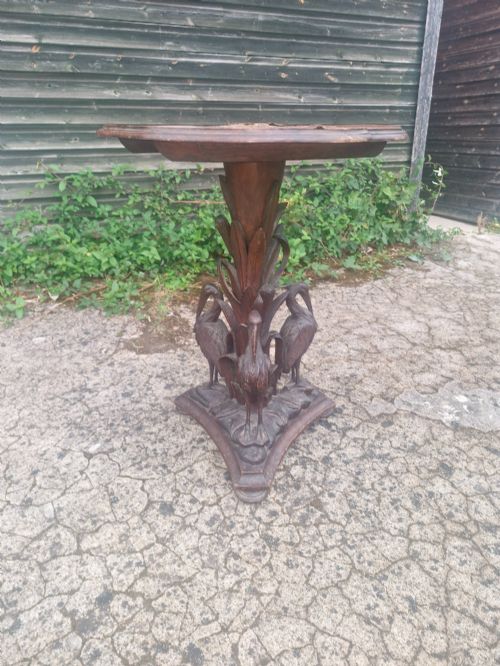
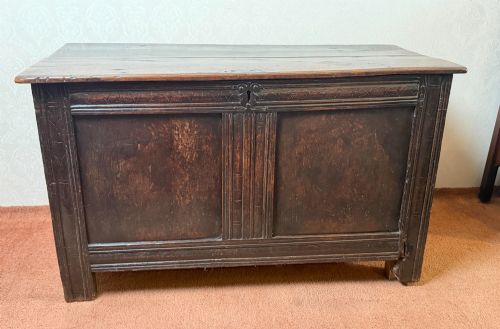
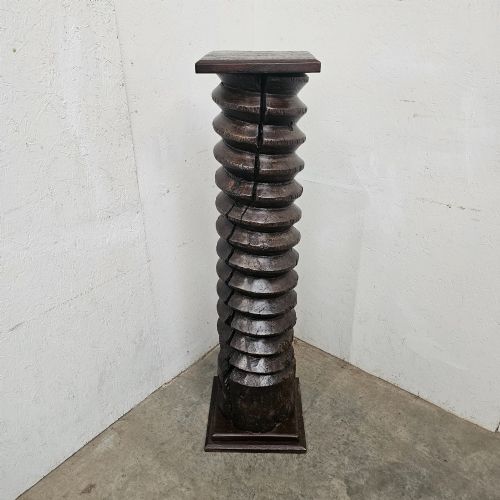
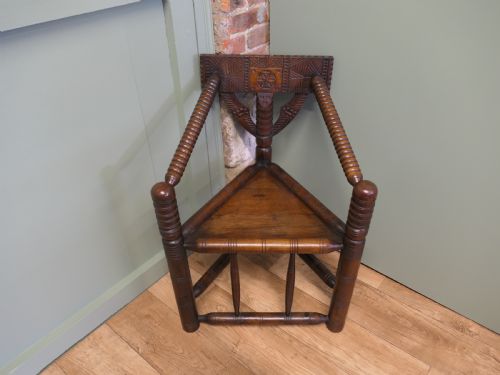
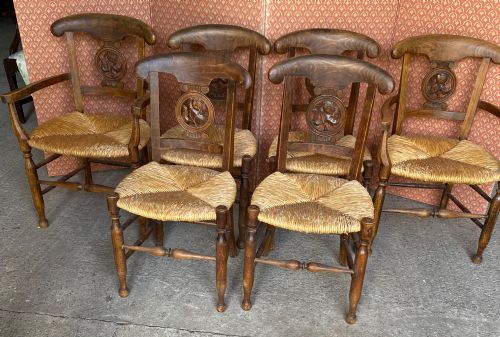
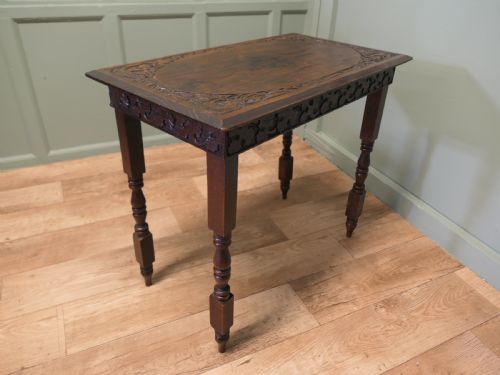
Buyers meet sturdy oak coffers, carved occasional tables, elm side tables, and pine figures alongside hand-painted decoys and bird boxes. Items often derive from English, French, Italian, and Scandinavian rural traditions.
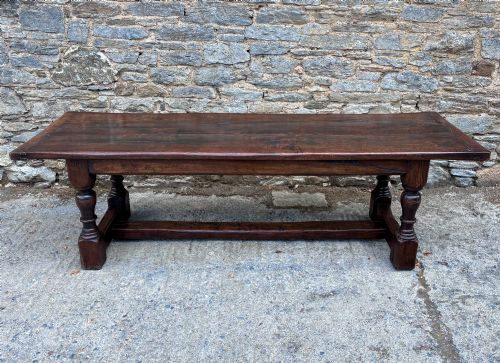
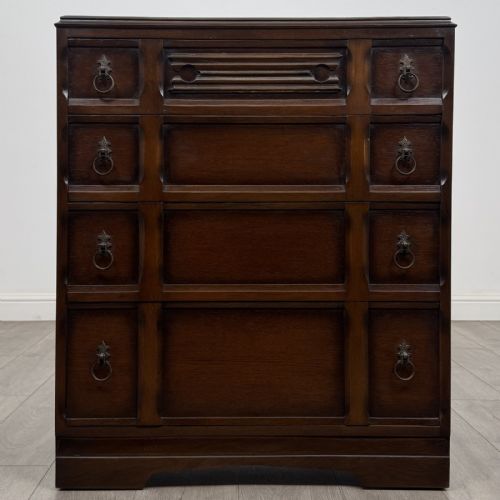
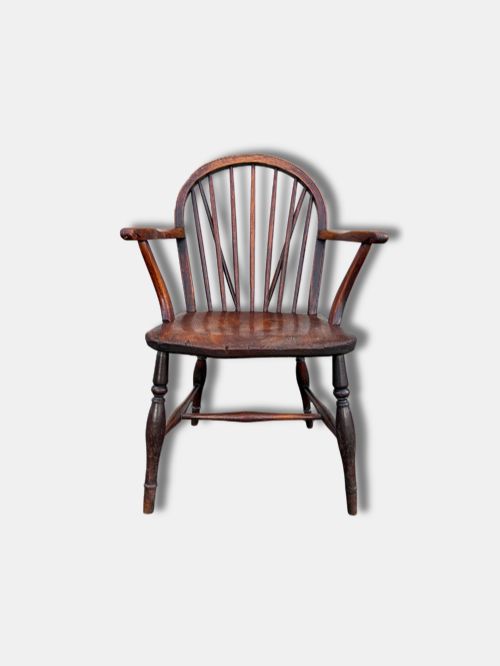
Practical domestic objects dominate the selection, including armchairs, benches, settles, and dining tables. Many pieces combine utilitarian forms with carved panels, rustic textures, and surface paint.
How they were made
Maker's work primarily relied on native hardwoods like oak, elm, beech, and pine, selected for local availability and structural strength. Timbers were hand-sawn, planked, and joined using traditional pegging, dovetailing, or mortise and tenon methods.
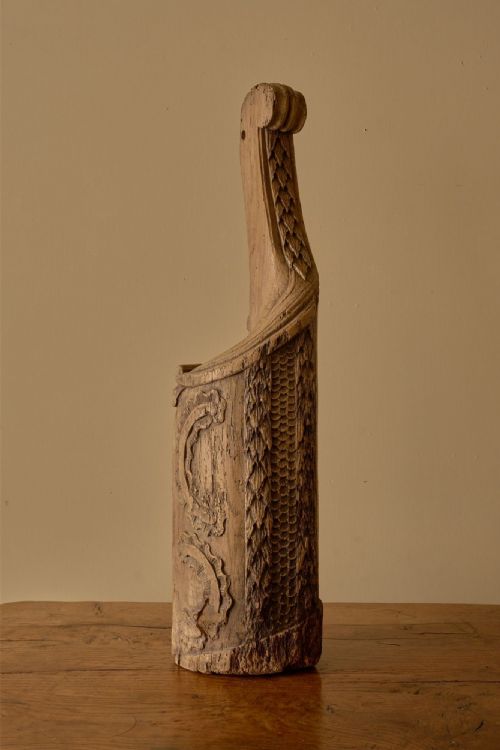
Carving was executed with gouges, chisels, and knives directly into the seasoned wood to produce relief panels, animal figures, or geometric motifs. Surfaces frequently received natural wax, oil finishes, or hand-applied paint to protect the grain.
What varies in quality
Quality rests in the harmony of proportion, the depth and fluency of the hand carving, and the integrity of the timber. Pieces with crisp relief work and well-balanced forms display superior artistic intent compared to simpler utilitarian items.
Surface preservation dictates distinction, where untouched patination, original paint, and honest wear elevate a piece. Altered timber, heavy restoration, or replacement elements diminish historical authenticity.
The Rustic Wood Carving Glossary
- Coffer
- A large wooden chest used for storage, typically constructed from thick oak planks with a hinged lid. Early examples often display detailed front panel carving.
- Folk art
- Utilitarian objects and decorative figures made by self-taught or traditional craftsmen outside mainstream academic traditions. These pieces prioritise expressive character over formal design rules.
- Settle
- A high-backed wooden bench with solid arms and a closed base designed to block draughts in traditional farmhouses. They frequently incorporate panelled construction and rustic carving.
- Patina
- The surface sheen and colour developed on wood through decades of handling, polishing, and natural oxidation. It serves as a visual indicator of age and continuous use.
Rustic Wood Carving: Frequently Asked Questions
What defines a rustic wood carving?
A rustic wood carving is a hand-shaped wooden object or furniture piece created within a vernacular or folk tradition. These items showcase visible tool marks, regional styles, and natural timber grains.
They derive from periods ranging from the seventeenth century through the early twentieth century. Makers focused on durable utility combined with decorative surface detail.
How were these carved items used?
Most pieces served practical daily functions in domestic, agricultural, or sporting contexts. Items included seating, storage chests, tables, and hunting decoys.
Their placement was central to country homes, farmhouses, and rustic interiors where durability and utility mattered most. Carving provided personal expression on otherwise utilitarian domestic goods.
How do I care for antique carved wood?
Antique carved wood requires stable indoor humidity and protection from direct sunlight to prevent timber splitting. Regular dusting with a dry, soft cloth maintains the surface.
Occasional applications of natural beeswax help nourish older finishes without building up a heavy, modern gloss. Avoid silicone-based polishes which damage traditional patina.
How can I tell the period of a carved piece?
Dating relies on examining tool marks, construction methods, wood species, and wear patterns. Hand-sawn boards, pegged joints, and traditional joinery indicate earlier craftsmanship.
Stylistic motifs such as geometric strapwork, folk art painting, or regional chair turnings provide further clues. Comparing timber shrinkage and surface oxidation helps confirm age.