
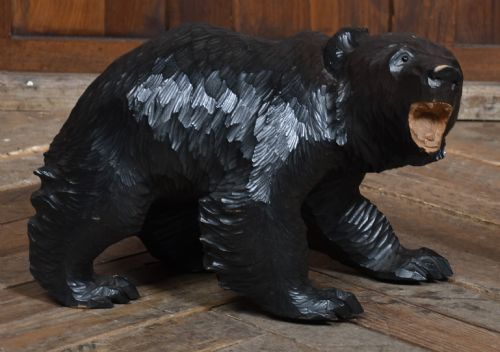


Japanese Wooden Statues
Japanese wooden statues are hand-carved sculptural works originating from the Edo and Meiji periods, prized by collectors for their intricate detail and traditional subject matter.
Japanese Wooden Statues
Japanese wooden statues encompass hand-carved sculptures, figurines, netsuke, and okimono created across the nineteenth and early twentieth centuries. When searching for japanese wooden statues, collectors encounter various traditional forms including folkloric animals, mythological deities, and human figures.
Most examples date from the 19th century and around 1900, reflecting the height of traditional wood carving craftsmanship. Buyers will find both small-scale pocket carvings such as netsuke and substantial sculptural figures designed for display.
How They Were Made
Carvers utilised traditional timbers such as boxwood, linden wood, and various hardwoods to create these sculptures. Boxwood allowed for minute, dense detailing in small figures, whilst linden wood and denser hardwoods served larger animal and human sculptures.
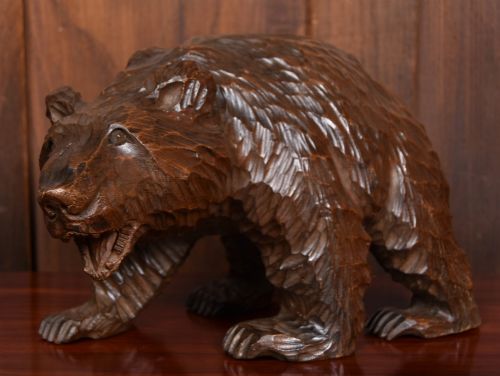
Surface finishing involved hand-carving techniques, occasionally complemented by dark stains, wax coatings, or natural wood treatments. Specific regional methods like the nata-tsukuri style employed deliberate hatchet marks to texture the wooden surface of figures.
What Varies in Quality
Quality in these wooden carvings is determined by the precision of the hand-carving, the expressiveness of the subject, and the preservation of the wood. Finer pieces demonstrate superior anatomical understanding in animal figures and delicate facial detailing in human subjects.
The presence of artist signatures, such as the work associated with Tomochika on netsuke, distinguishes master carvers from anonymous workshop output. Material selection also plays a role, with dense boxwood or well-seasoned hardwood commanding greater sculptural fidelity than simpler folk art interpretations.
Tomochika
The Japanese Wooden Statues Glossary
- Netsuke
- A small carved toggle fastened to the end of a cord attached to a small container worn on the kimono sash. These intricate carvings served both a practical and decorative function in traditional Japanese dress.
- Okimono
- A standalone decorative figurine designed for display on a traditional tokonoma alcove or shelf. These carvings depict deities, animals, and historical figures rather than serving a utilitarian purpose.
- Kibori Kuma
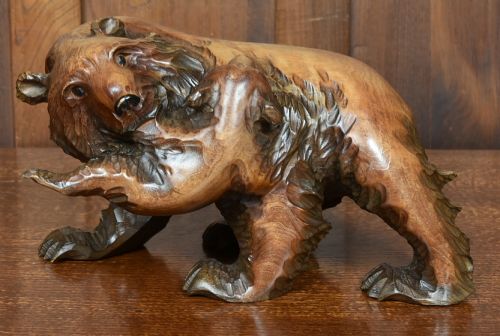
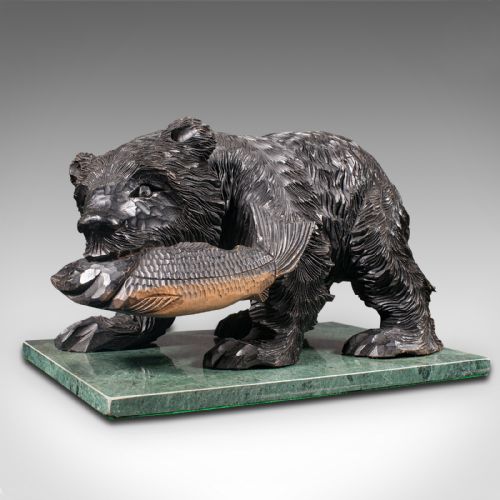
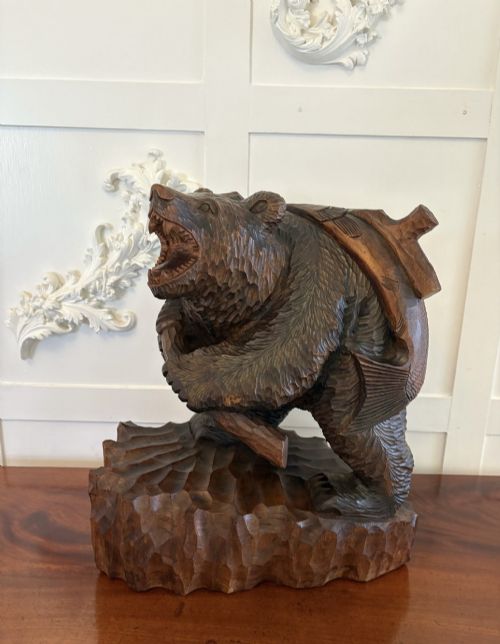
- A traditional carved wooden bear, typically depicted carrying a salmon in its mouth. Originating as a folk art form in Hokkaido, these sculptures became iconic souvenirs and decorative items.
- Meiji Period
- The era in Japanese history spanning from 1868 to 1912, characterised by the opening of trade with the West and a flourishing of decorative arts intended for export.
- Edo Period
- The period of Japanese history lasting from 1603 to 1867, noted for the flourishing of domestic arts, crafts, and urban culture under Tokugawa rule.
Japanese Wooden Statues: Frequently Asked Questions
How do I identify a Meiji period carving?
Meiji period carvings often display a high degree of naturalistic detail and were frequently produced for export markets following the opening of Japan. Look for refined facial expressions and sophisticated treatment of animal pelts or human garments.
These pieces typically date from the late nineteenth to early twentieth century and may bear signatures or seals from the carving workshop or artist.
What is a Kibori Kuma bear?
Kibori Kuma refers to traditional wooden bear carvings originating from the northern region of Hokkaido. They almost invariably depict a bear holding a fish, often rendered in a robust folk art style.
These sculptures became popular decorative objects and represent a distinct tradition within Japanese wood carving.
Where were okimono displayed?
Okimono were designed as ornamental objects for interior display, typically placed within a traditional tokonoma display alcove or on a cabinet. Unlike netsuke, they had no fastening function and existed purely for aesthetic appreciation.
Collectors placed them to reflect seasonal themes or cultural values associated with the depicted deities and animals.
How should I care for antique wooden sculptures?
Maintain stable humidity and temperature conditions to prevent the wood from drying out or splitting over time. Avoid placing wooden statues in direct sunlight, which can fade stains and dry out wax finishes.
Dust gently with a soft, dry cloth and refrain from applying modern polishes or oils that could damage the historic surface.