


Japanese Carved Wooden Figures
Japanese carved wooden figures are finely worked sculptures and objects originating from the 19th and early 20th centuries, prized for their expressive subjects and skilled hand-carving.
Japanese Carved Wooden Figures
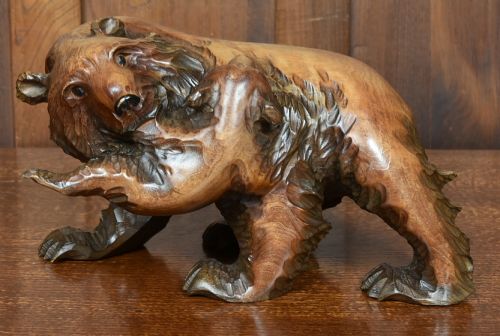
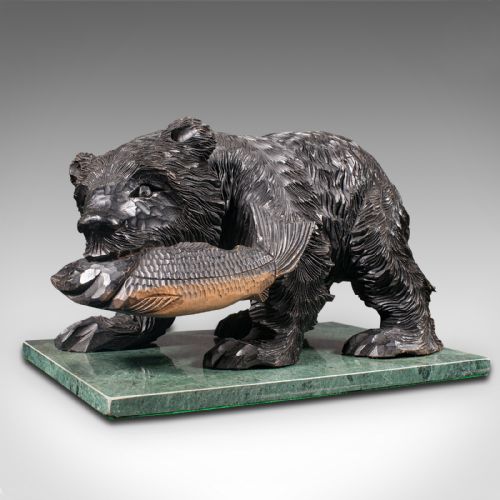
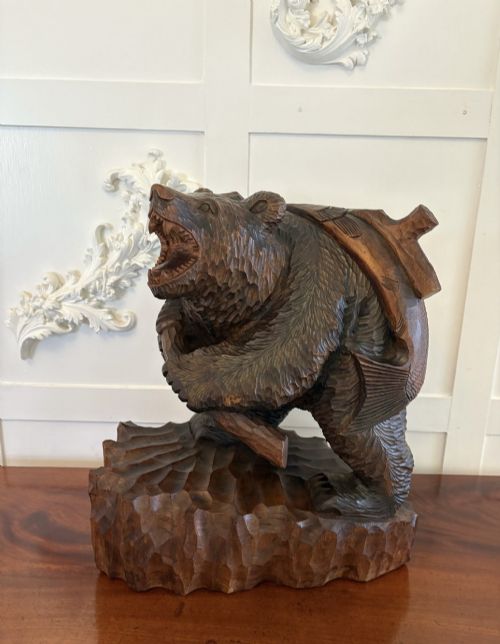
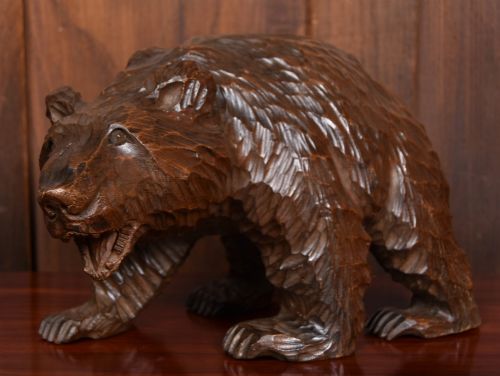
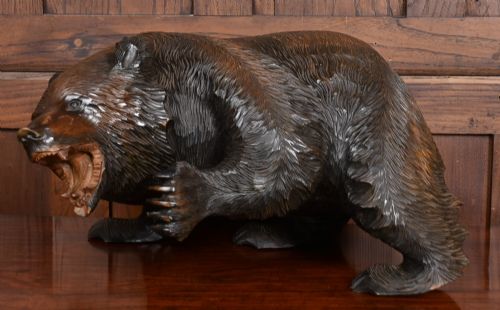
When you search for japanese carved wooden figures, you encounter a diverse range of traditional objects spanning the 19th century and the Edwardian era. The selection includes animal sculptures such as bears and tigers, as well as figural representations like geishas, wise men, and deities.
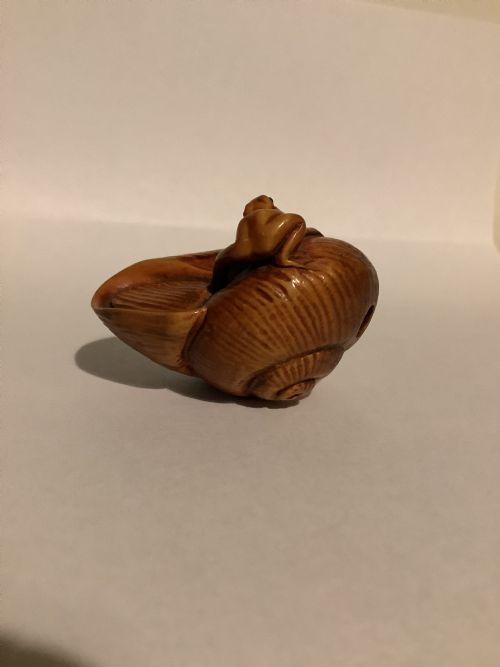
You are most likely to meet Meiji period okimono and netsuke on this page, alongside larger decorative sculptures and table lamps. These pieces reflect both Japanese folk art traditions and the refined craftsmanship associated with the Edo and Meiji periods.
How they were made
Makers utilised various timbers, predominantly boxwood, linden wood, hardwood, and root wood, to achieve different textures and finishes. Carvers applied meticulous hand-carving techniques, sometimes combining wood with bone or lacquer details to create contrast.
The working of the grain determined the final surface quality, whether left with a natural waxed appearance or polished to highlight the intricate details of figures and animals.
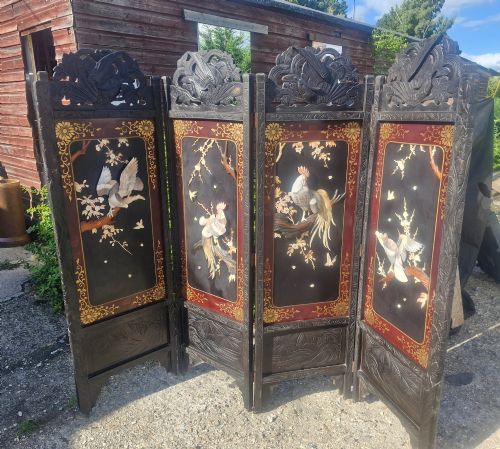
The page includes functional objects like tobacco boxes alongside purely decorative sculptures, folding screens, and table lamps.
What varies in quality
Signatures by recognised artists elevate a piece, reflecting a higher tier of workshop production from the Meiji period.
Tomochika·Masayuki
The Japanese Carved Wooden Figures Glossary
- Netsuke
- A small carved toggle used to secure a pouch or small container to a traditional Japanese kimono sash. These pieces often depict figures, animals, and mythical subjects.
- Okimono
- A standalone Japanese display figurine designed for placement in a traditional room setting or alcove. They range from small boxwood carvings to larger hardwood sculptures.
- Meiji Period
- The era in Japanese history spanning from 1868 to 1912, characterised by open trade with the West and a flourishing of decorative arts. Pieces from this time show high technical proficiency.
- Boxwood
- A dense, pale hardwood favoured by carvers for miniature works such as netsuke and okimono because it holds fine detail without splintering.
Japanese Carved Wooden Figures: Frequently Asked Questions
What are okimono used for?
Okimono function primarily as decorative objects for display within a home, traditionally placed in a tokonoma alcove.
They serve aesthetic purposes rather than practical ones, showcasing the skill of the carver and celebrating cultural figures or animals.
How do I care for wooden figures?
Keep wooden sculptures out of direct sunlight and away from rapid temperature fluctuations to prevent the wood from drying out or splitting.
Dust them gently with a soft, dry cloth and avoid applying modern polishes or liquid cleaners that could damage the surface patina.
What is a netsuke?
A netsuke is a small, functional miniature sculpture with pierced channels for a cord, used historically to anchor pouches to traditional Japanese garments.
Today, collectors appreciate them as standalone works of art due to their intricate detail and varied subject matter.
How do I identify Meiji period pieces?
Meiji period items often date between 1868 and 1912, reflecting a period of intense artistic output aimed at both domestic and international markets.
Look for refined carving techniques, organic materials such as boxwood or hardwood, and occasional artist signatures on the base.