
Swiss Wood Carving
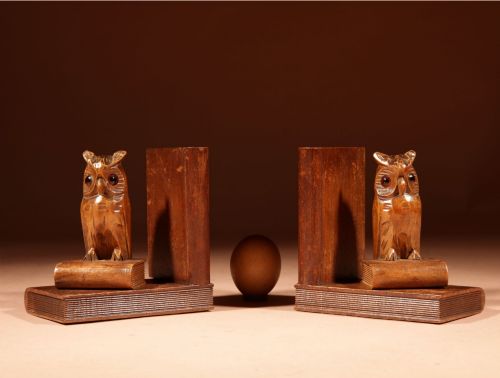
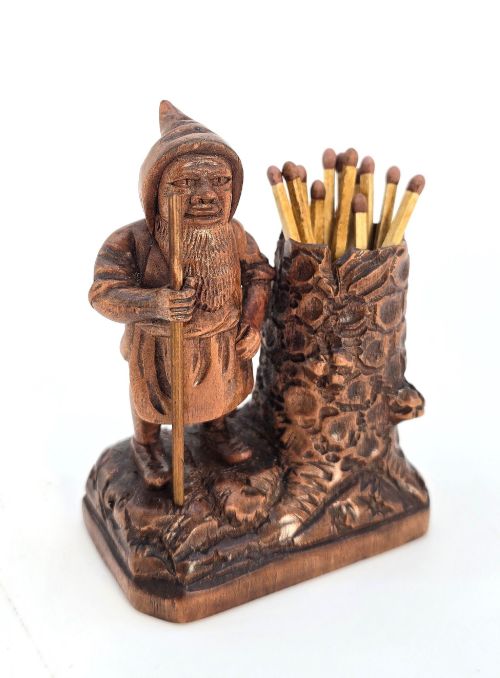
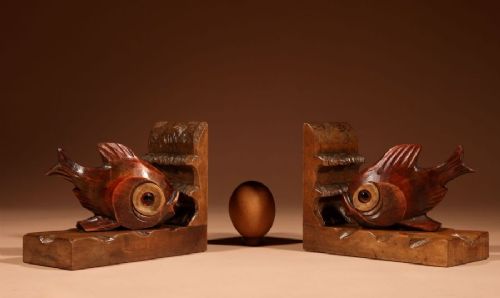
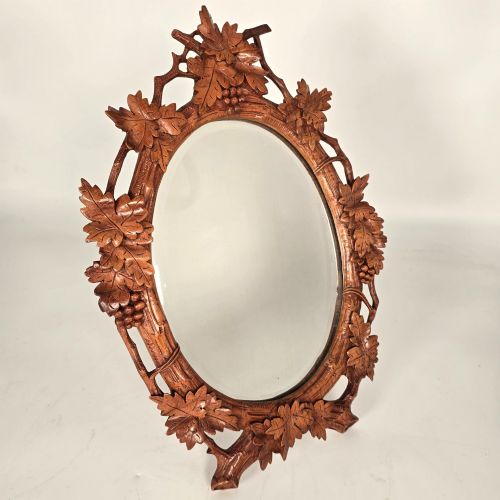
These swiss wood carving works capture the rugged naturalism of the nineteenth century through the distinctive Black Forest style.
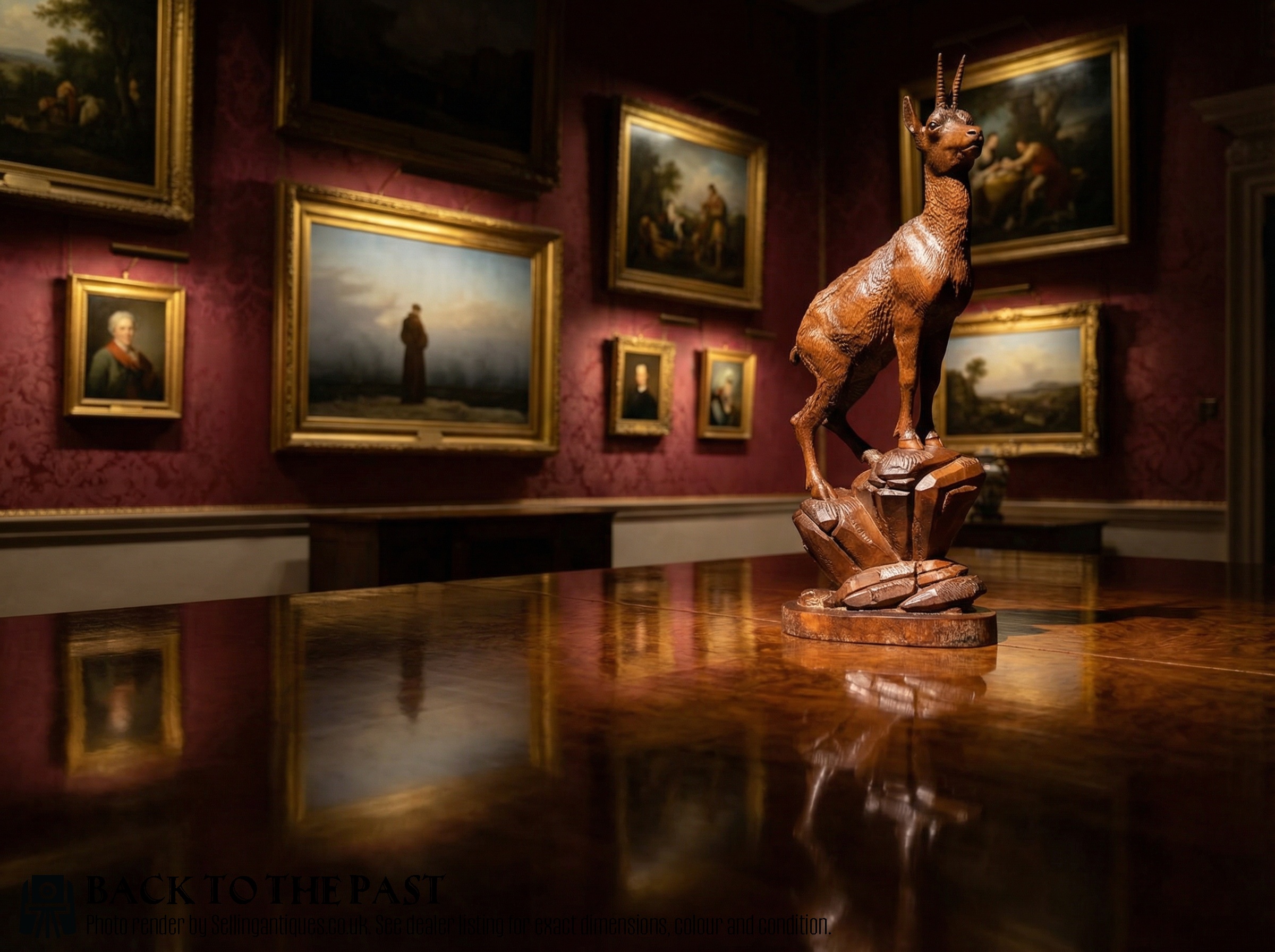
Swiss wood carving forms
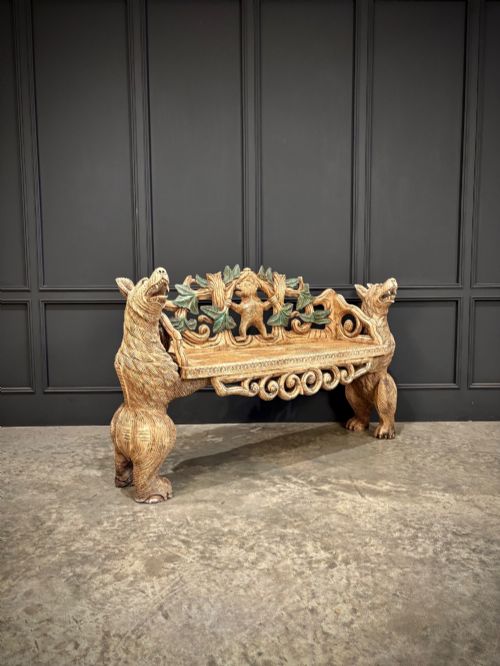
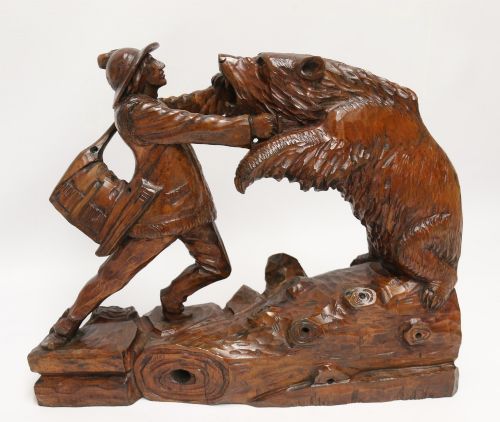
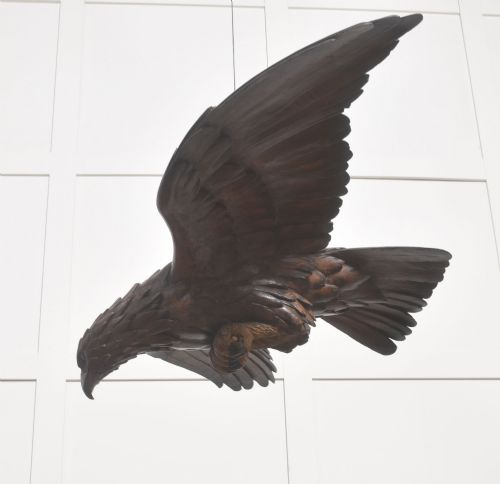
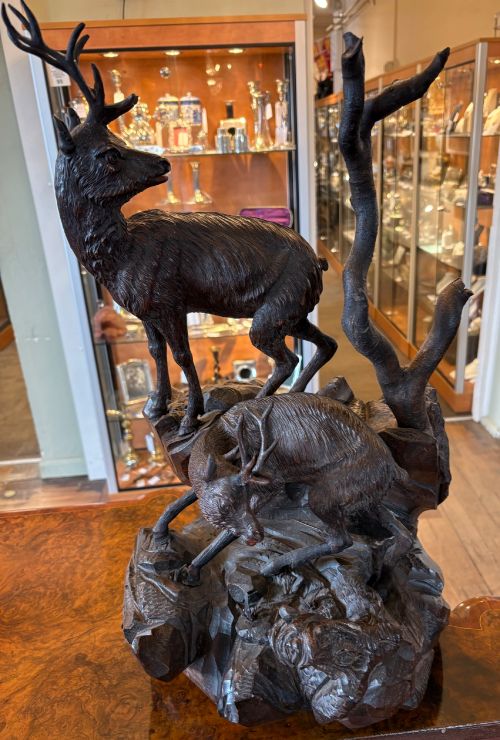
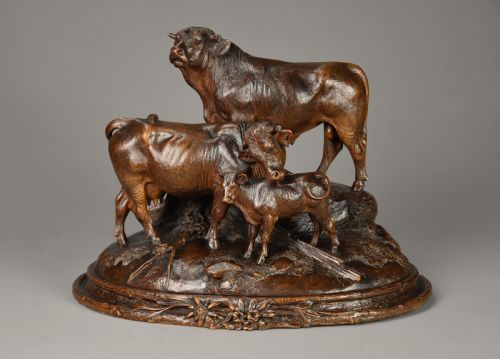
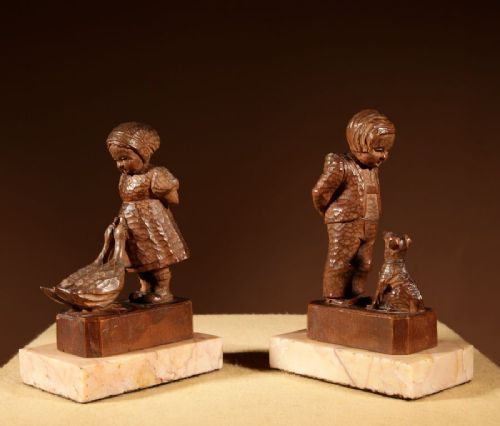
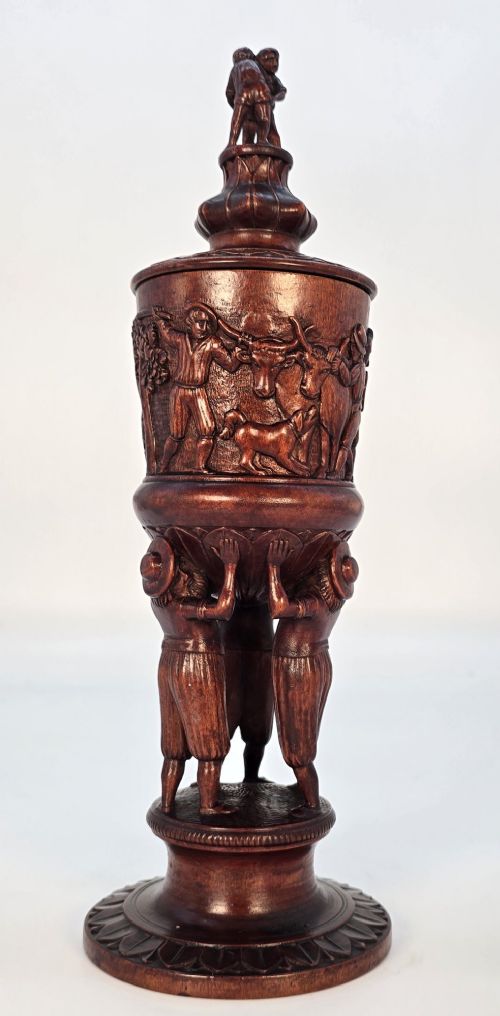
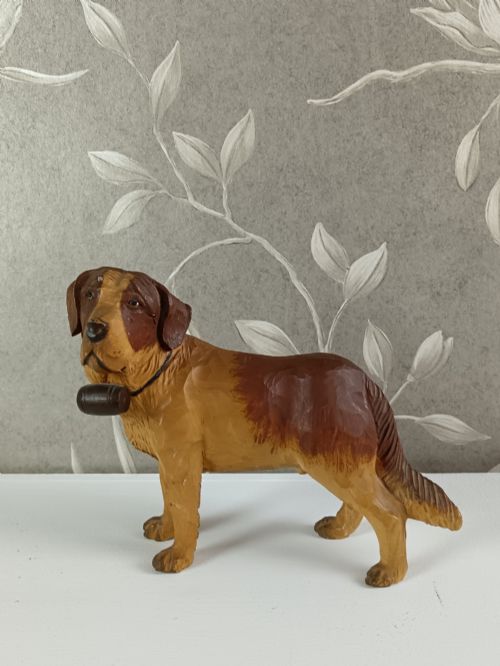
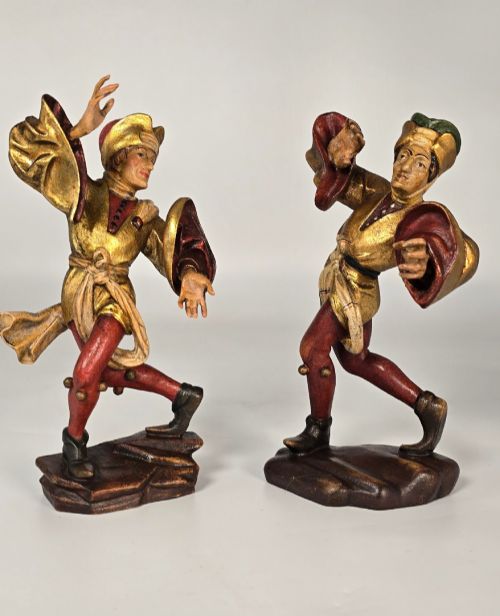
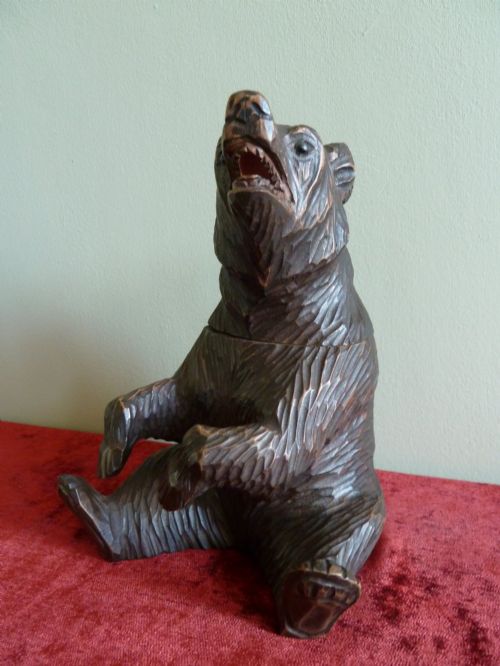
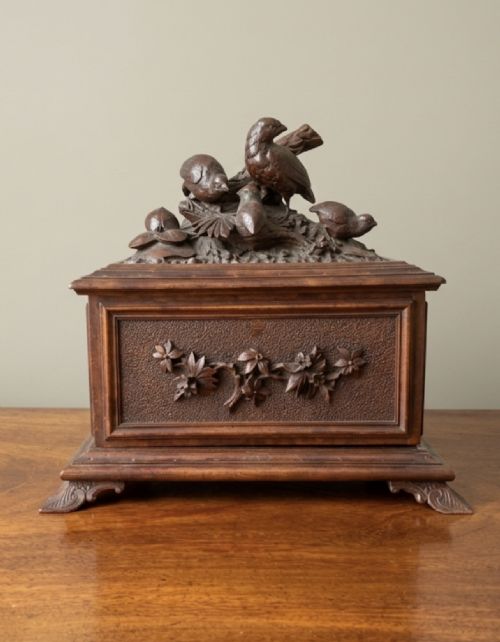
Swiss wood carving pieces on this page span the nineteenth century, including Victorian examples and items dated around 1890. The selection includes striking animal studies, figural sculptures, large wall plaques, and utilitarian objects like nutcrackers.
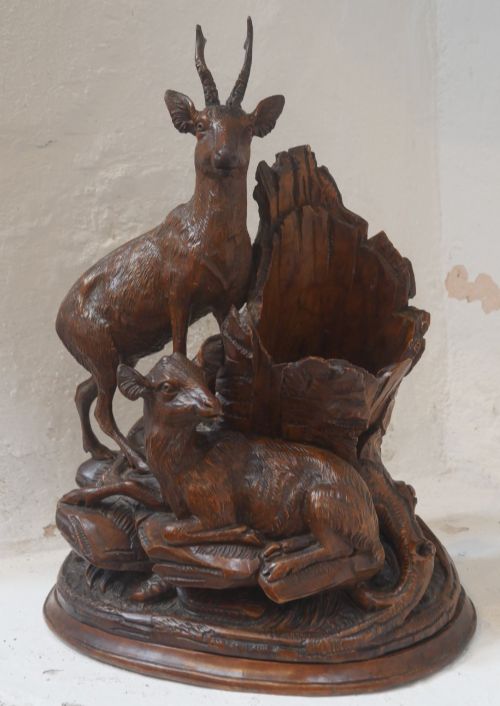
Buyers will most frequently encounter Black Forest style works depicting red deer, female ibex, lions, eagles, and hunting trophies. These sculptural forms often showcase dramatic poses and intricate detailing derived from alpine wildlife themes.
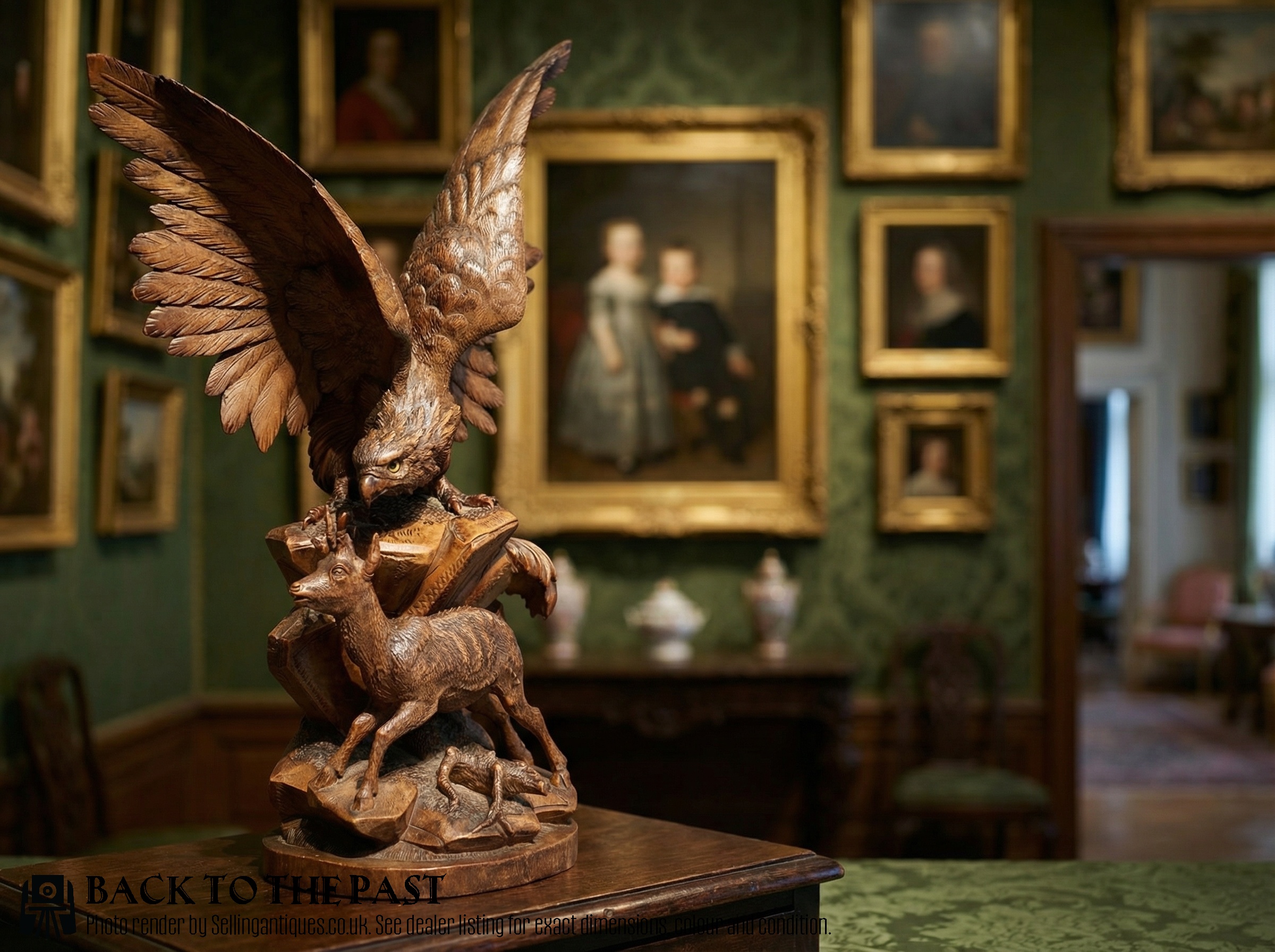
Materials and construction
The making process relied entirely on hand-tooling techniques to shape dense hardwoods into dynamic figures and relief plaques. Artisans exploited the natural grain of walnut and oak to give texture and depth to fur, feathers, and rocky mounts.
Retail Price Guide 2026
Typical UK retail prices for swiss wood carving, calculated from the Sellingantiques database of over a million retail prices indexed since 2003. This retail price guide relies exclusively on Sellingantiques data; no external sources or auction records are used, so the figures do not describe the wider market.
Assessing quality in carving
Quality separates standard decorative items from superior works through the anatomical accuracy and psychological expression of the carved subjects. Master carvers captured tension in muscle and realism in posture, whereas lesser pieces remain stiff and generic.
The depth of undercut work and the crispness of textural details such as fur and antler grain determine the tier of a carving. Finer nineteenth-century examples display patient chisel work that preserves the lively character of the animal.
J. HUGGLER
The Swiss Wood Carving Glossary
- Black Forest
- A regional style of nineteenth-century wood carving originating from the mountain regions of central Europe. This tradition is celebrated for realistic animal sculptures and rustic domestic objects.
- Linden wood
- A pale, fine-grained timber frequently utilised by carvers for intricate figural work. Its consistent density allows for deep undercutting without splintering.
- Hunting trophy
- A decorative plaque or carving featuring game animals, antlers, or rustic woodland motifs. These pieces were designed to be mounted on interior walls.
- Undercutting
- A carving technique where wood is removed beneath a subject to create three-dimensional depth and separation from the background. This method requires considerable skill to avoid breaking delicate sections.
Frequently Asked Questions
What is a swiss wood carving?
These works are nineteenth-century wooden sculptures and plaques, predominantly created in the Black Forest style. They frequently depict alpine wildlife, such as deer, eagles, and ibex, rendered with naturalistic detail.
Craftsmen shaped these items from native timbers like linden, lime, and walnut. They served both decorative and functional purposes in Victorian interiors.
How were these carvings used?
Owners displayed these sculptures on tables, sideboards, and mantels as prominent decorative centerpieces. Wall plaques functioned as traditional hunting trophies within country houses and alpine lodges.
Some objects, such as nutcrackers, combined fine artistic carving with everyday domestic utility. Their rustic subjects brought the atmosphere of the mountain wilderness directly into the Victorian home.
How do I date a carving?
Dating relies on stylistic markers, timber usage, and historical records associated with nineteenth-century production. Pieces often reflect the Victorian taste for naturalism and wildlife studies popular around 1880 and 1890.
Examining the tool marks and the ageing of the wood helps confirm nineteenth-century origins. Archivists also compare known artist signatures and regional subject matter to specific decades.
Which woods are most common?
Linden wood and lime wood appear frequently due to their soft grain and suitability for detailed carving. Walnut and oak were also utilised for larger, heavier sculptures requiring robust structural integrity.
Carvers selected specific timbers to match the requirements of the subject, whether smooth fur or rugged antlers. This material choice directly influences the texture and durability of each surviving piece.