



Victorian Wooden Statue
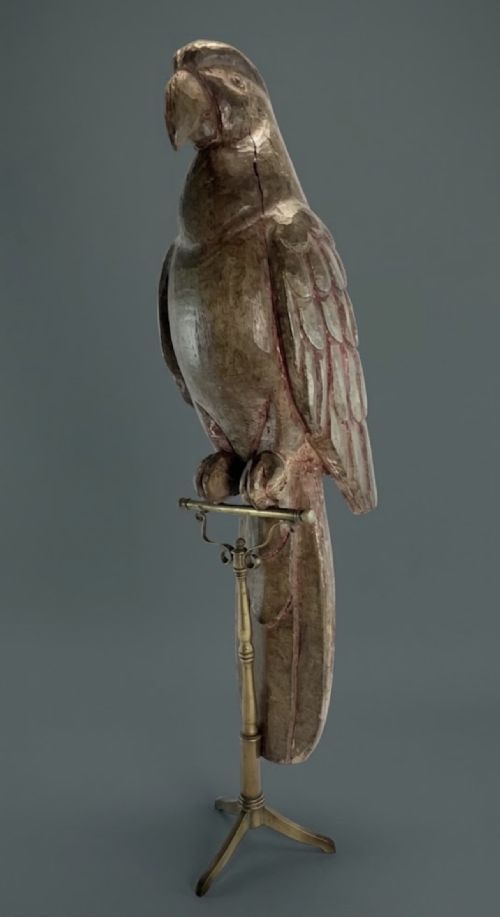
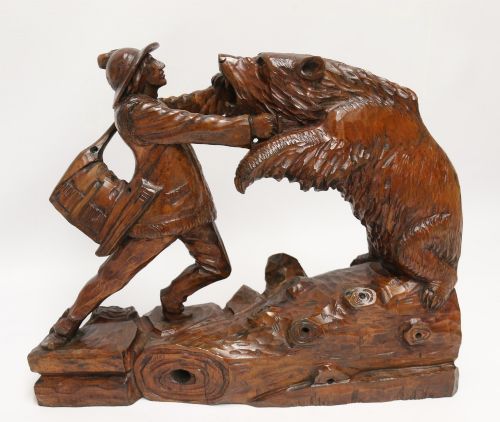
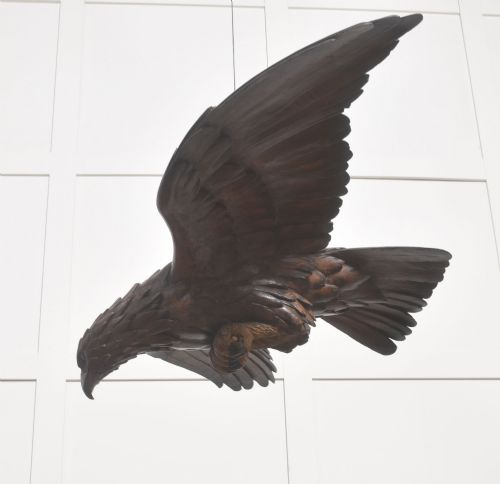
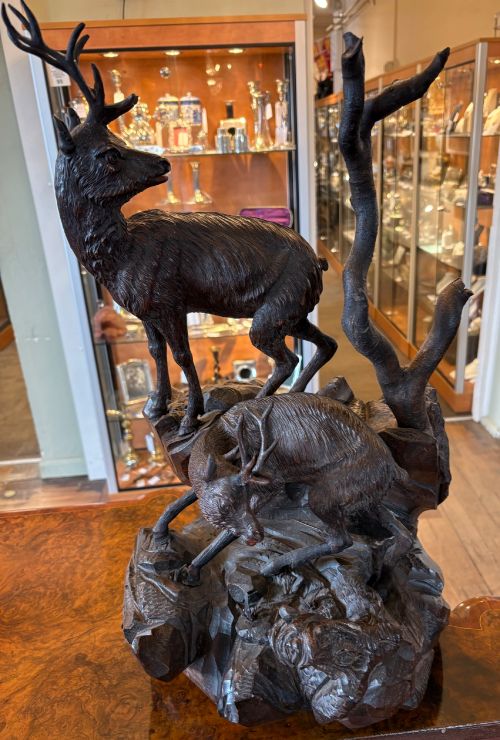
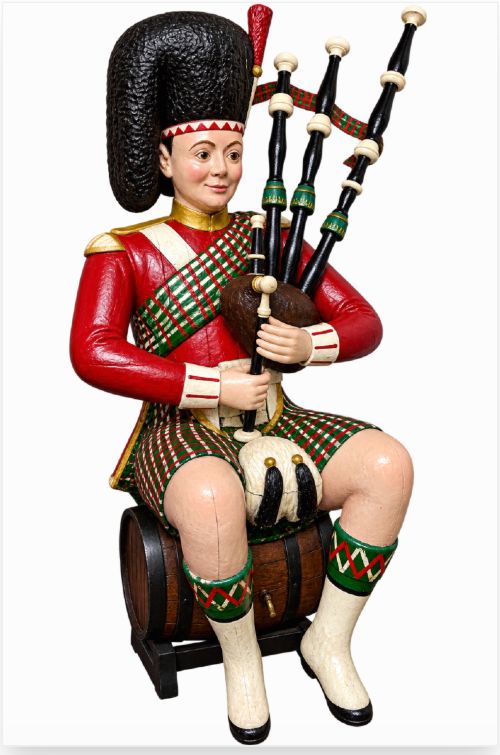
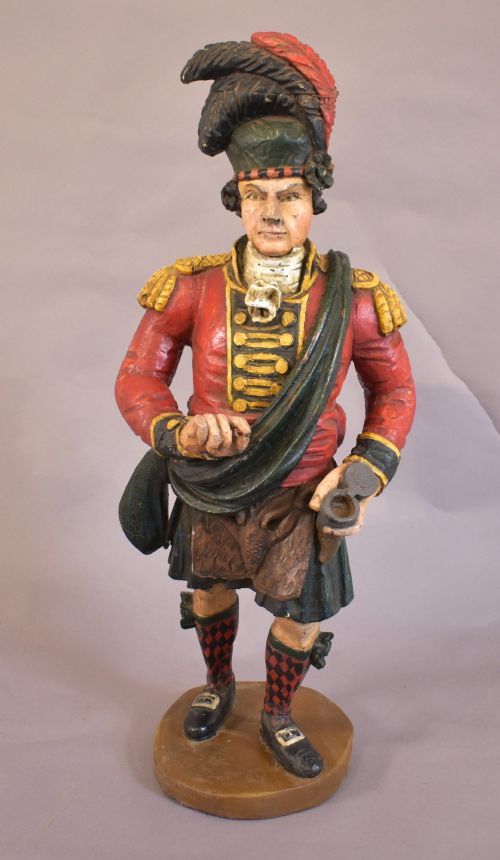
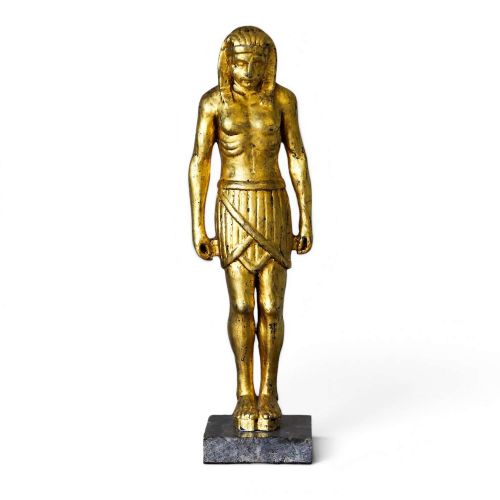
A victorian wooden statue brings the character of nineteenth-century carving into a room through figures of animals, saints, and tradesmen.
Victorian Wooden Statue
When you search for a victorian wooden statue, you encounter a diverse array of figural sculptures rooted in nineteenth-century craftsmanship. The selection spans domestic decorative carvings, ecclesiastical studies, and commercial trade figures originating from various European and international workshops.
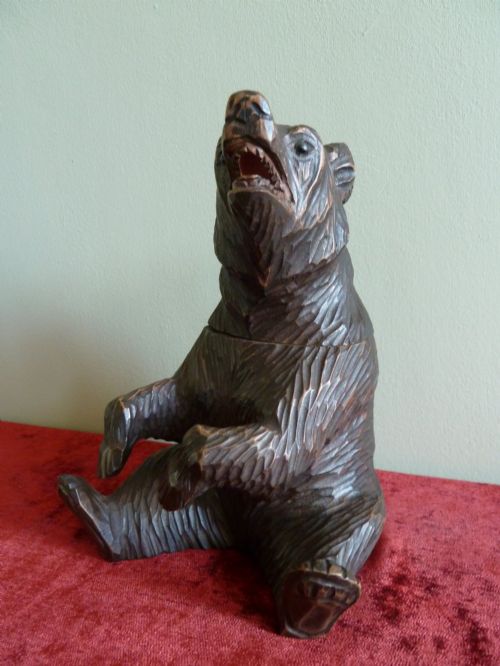
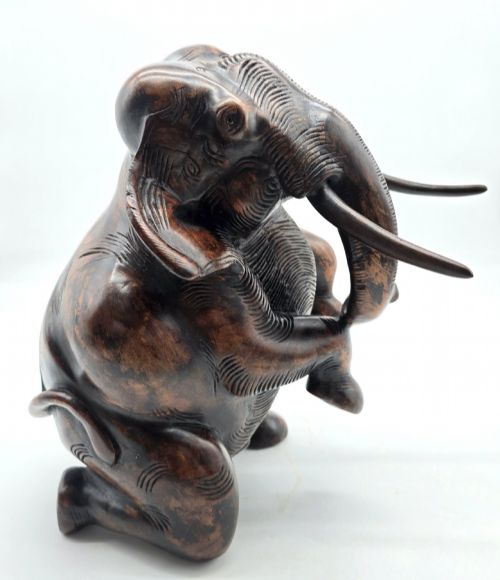
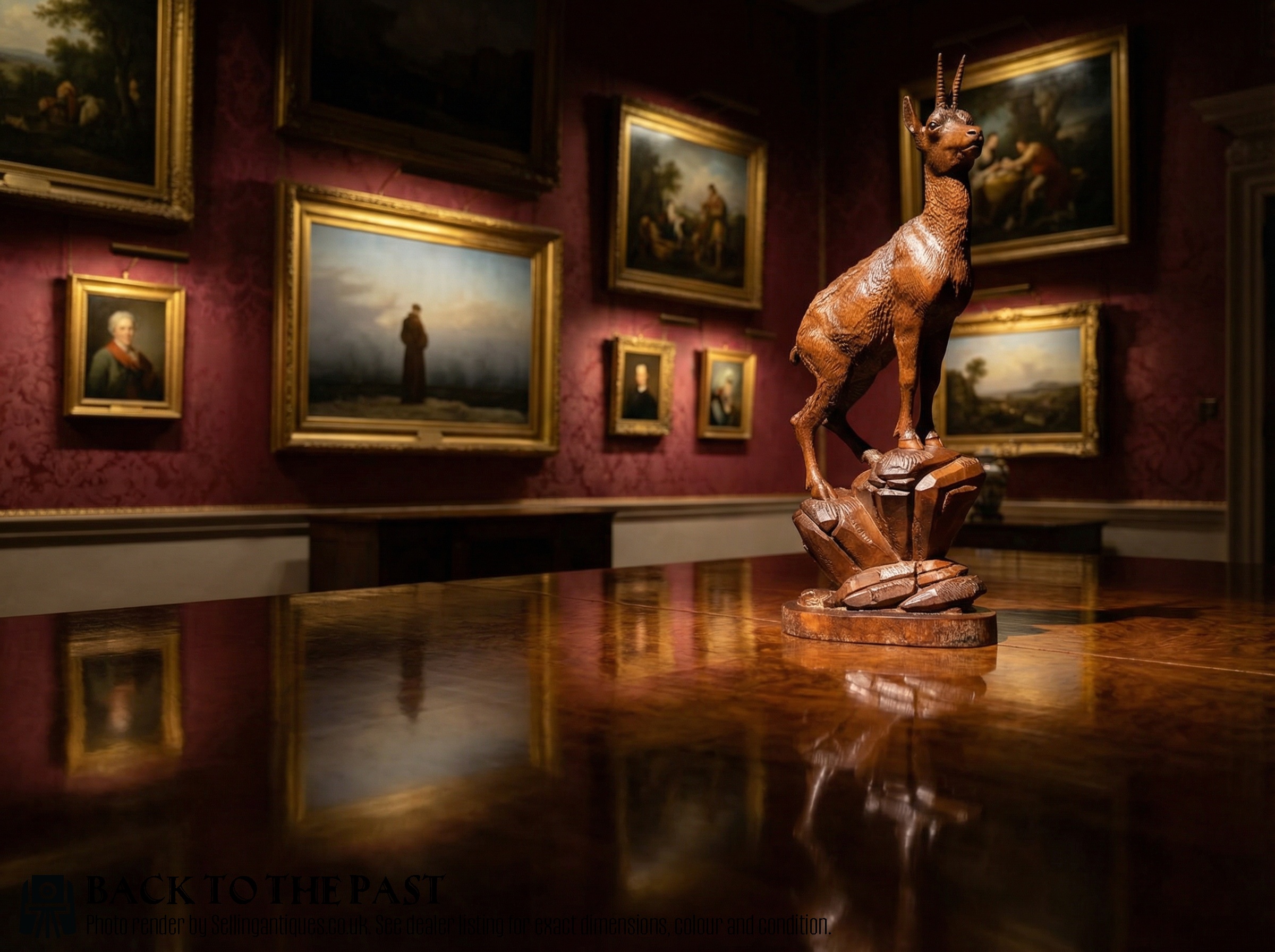
The most common examples on this page belong to the Black Forest tradition, featuring naturalistic animals such as bears, deer, and birds of prey. Alongside these, collectors find folk art carvings, religious figures in oak and lime wood, and Raj period representations of elephants.
Materials and Carving Techniques
Carvers utilised a range of dense timbers suited to intricate detail work, most notably walnut, oak, lime wood, and teak. These woods were shaped using traditional gouges and chisels to achieve deep relief and realistic textures.
Current listings feature materials including walnut, oak, lime wood, teak, ebony, satinwood, and mahogany.
Distinctions in Execution
The degree of anatomical precision and expressive depth distinguishes standard decorative items from superior sculptural studies. Master carvers captured movement and texture with vitality, whereas lesser pieces display rigid forms and generalized details.
Condition and originality play significant roles in the standing of a piece, particularly regarding surface patination and the survival of delicate appendages.
The Victorian Wooden Statue Glossary
- Black Forest
- A regional style of wood carving originating from the Swiss and German mountain regions. These pieces typically depict local fauna in dynamic poses.
- Polychrome paint
- A multi-coloured painted surface decoration applied to wood to simulate life or enhance decorative appeal. It adds visual complexity to figural carvings.
- Gesso
- A plaster-like mixture applied to wood as a base for paint or gilding. This technique provides a smooth ground for decorative finishes.
- Trade sign
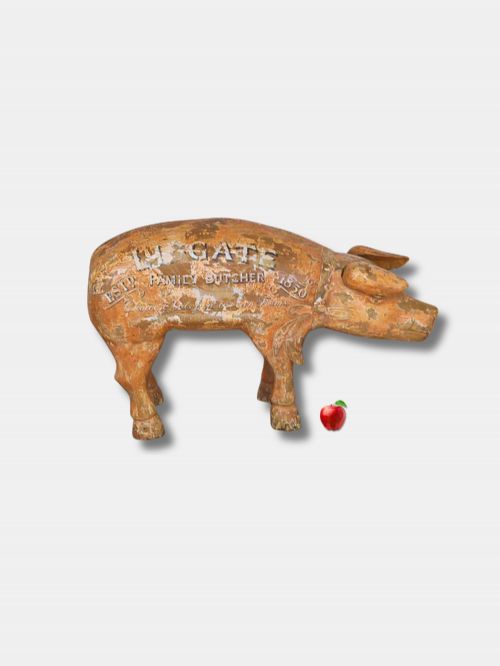
- A large carved or painted figure used to advertise a profession or shop. Examples include figures associated with butchers or tobacconists.
- Memento mori
- An artistic reminder of the inevitability of death. These subjects often take the form of skeletal figures intended for contemplation.
Victorian Wooden Statue: Frequently Asked Questions
What subjects do these statues typically depict?
The selection includes animals such as bears, stags, elephants, and birds, alongside human figures like monks, saints, and tradesmen. Many reflect regional traditions or specific decorative styles of the period.
Commercial trade figures and architectural ornaments also appear, providing a broad spectrum of nineteenth-century sculptural forms.
How do I identify Black Forest carvings?
Black Forest pieces are usually carved from walnut or lime wood and focus heavily on animal subjects rendered with naturalistic textures. Bears, deer, and dogs are the most frequent motifs encountered in this tradition.
The carving style prioritises expressive detail and anatomical accuracy, often capturing creatures in active poses.
Where were these wooden figures made?
Origins vary widely according to the style and tradition of the specific piece. European examples include Swiss and German mountain workshops, alongside English ecclesiastical and folk art productions.
Other items originate from further afield, including Anglo-Indian workshops during the Raj period.
How should I care for antique wooden sculptures?
Maintain stable humidity and temperature levels to prevent the timber from splitting or warping over time. Avoid placing carved wooden figures in direct sunlight.
Dust gently with a dry, soft cloth rather than using liquid polishes that might damage historic finishes or painted surfaces.