
Antique Timber Carving
When you search for antique timber carving, you step into a world of solid oak, walnut, and hardwood shaped by hand across centuries.
Antique Timber Carving
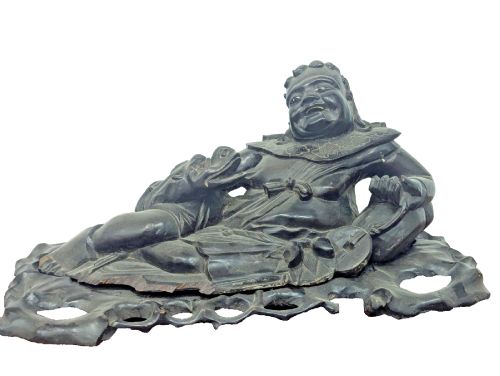
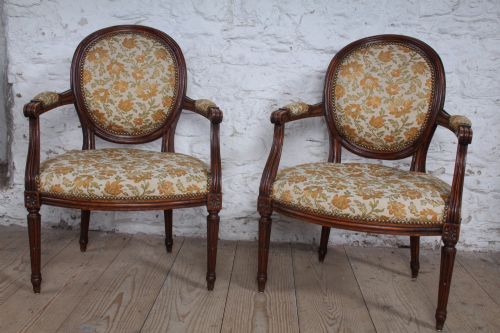
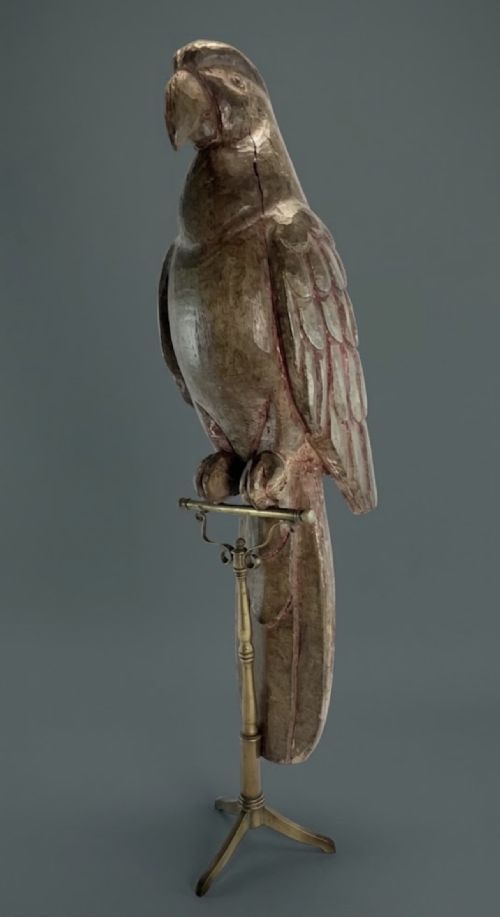
Antique timber carving encompasses everything from functional furniture with intricate relief panels to standalone animal figures and architectural elements. You will frequently encounter heavy oak seating, walnut Black Forest wildlife figures, and hardwood display pieces originating from the nineteenth and early twentieth centuries.
The selection ranges from vernacular country items like cricket tables and milking stools to grander revival pieces displaying Jacobean or Gothic motifs. Regional influences shape these items significantly, spanning English country workshops, continental European carving traditions, and Qing dynasty Asian studios.
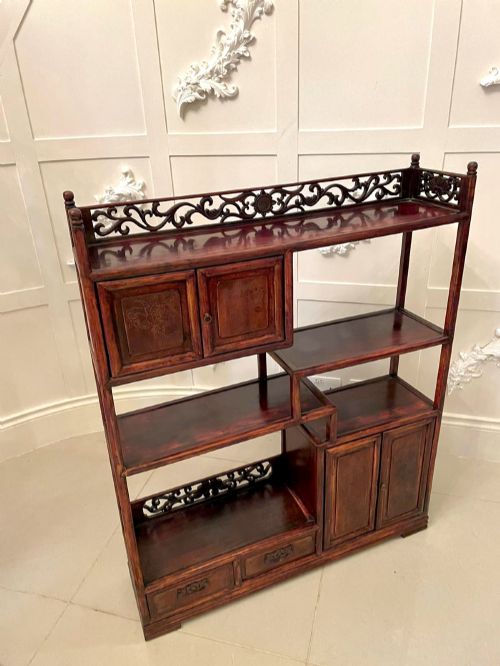
Domestic items such as hall chairs, wall mirrors, and cabinets often integrate carved details into their primary structure rather than acting as mere decoration. Each object carries the distinct tool marks of the carpenter or sculptor who reduced the raw log into a finished domestic article.
Materials and construction
Oak and walnut serve as the principal timbers for European and British works, valued for their density and predictable grain structure during deep relief work. Artisans also utilised exotic hardwoods for oriental figures and fruitwood for delicate figurative sculptures.
Makers relied on traditional hand tools including gouges, chisels, and mallets to cut directly into the seasoned wood, leaving subtle undulations across the surface. Joinery techniques such as mortise and tenon or pinned framing ensured that heavily carved structural components remained rigid under daily domestic strain.
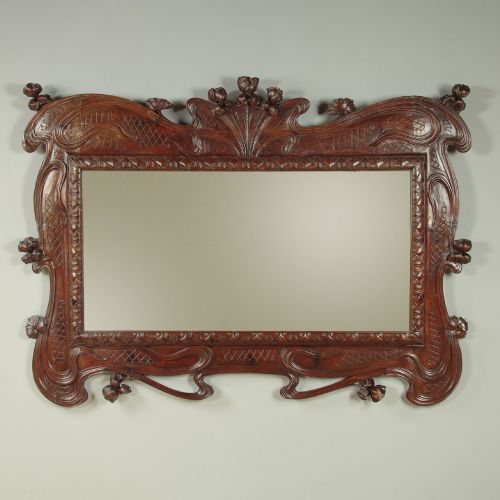
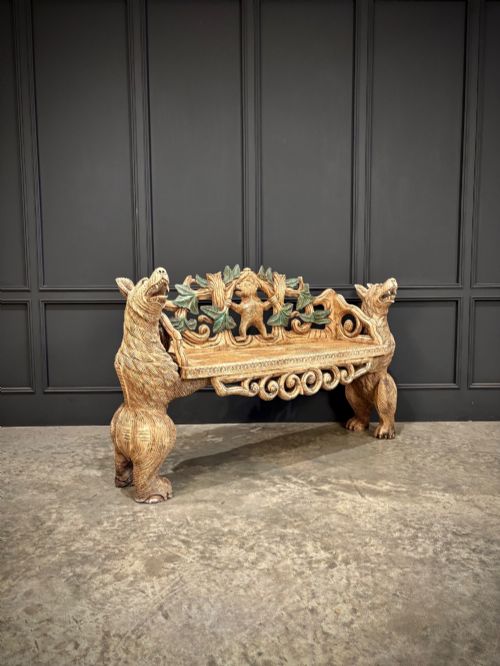
Form categories span functional wall mirrors and display cabinets alongside architectural panels and freestanding animal benches.
The spectrum of quality
Depth and undercut work distinguish master carvers from jobbing carpenters, where superior pieces show true three-dimensional relief rather than shallow surface scoring. The crispness of the edges and the absence of clumsy mechanical smoothing reveal the confidence of the maker's hand.
The choice of timber grain relative to the design determines longevity, with straight-grained hardwoods holding sharp detail far better than softer or poorly seasoned planks. Integration between the carved ornament and the underlying object indicates whether the decoration was planned from inception or applied as an afterthought.
Oliver Morel·Jules Buste Labatut
The Antique Timber Carving Glossary
- Relief carving
- A sculptural technique where figures or patterns project from a flat background timber plane. High relief projects significantly, whilst low relief stays close to the surface.
- Black Forest
- A nineteenth-century style of carved wooden animals and household items originating from the German and Swiss mountain regions. These pieces are typically fashioned from solid walnut or linden wood.
- Linenfold
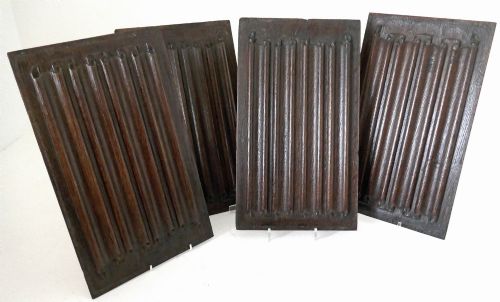
- A style of wooden panelling carved to resemble folded vertical sheets of cloth. It appears frequently on sixteenth-century and revival oak furniture.
- Fruitwood
- Dense timber derived from fruit-bearing trees such as pear, apple, or cherry. It provides a smooth, fine grain favoured for detailed figurative sculpture.
Antique Timber Carving: Frequently Asked Questions
How do I date an old carved panel?
Examine the tool marks left on the reverse and edges of the wood, as hand-adzed boards and pit-sawn timber point towards earlier centuries. The style of the costume, lettering, or floral motifs usually aligns with the reigning fashion or revival period of the workshop.
Check how the joints are secured, because pegged mortise construction generally predates machine-cut screws and modern adhesives. Subtle shrinkage and natural oxidation within the grain provide further clues to genuine age.
How should I clean carved wooden surfaces?
Dust the recesses gently using a soft-bristled brush to prevent particulate buildup without abrading the aged patina. Avoid liquid household cleaners or silicone polishes that penetrate the open pores and soften the original finish.
Apply a microcrystalline wax sparingly if the timber appears dry, buffing it away thoroughly after a short period. Keeping the item away from direct sunlight and sudden radiator heat prevents the timber from splitting along old grain lines.
What is the difference between oak and walnut carvings?
Oak offers a coarse, open grain that suits bold architectural panels, linenfold designs, and sturdy furniture meant to withstand heavy use. It accepts liming and dark finishes well while retaining a robust structural presence in a room.
Walnut possesses a finer, darker grain that allows for intricate undercut details, which explains its prevalence in Black Forest animal figures and delicate frames. Its natural oils yield a warmer sheen under traditional wax finishing.
Where were Black Forest carvings made?
These whimsical figures and furniture pieces originated primarily in the mountainous timber regions of Switzerland and south-west Germany during the Victorian era. Local woodcarving schools trained generations of artisans who produced bears, deer, and alpine foliage for travellers.
Many workshops specialised in utilitarian items like umbrella stands, pipe holders, and hall benches that combined forest motifs with domestic function. The proliferation of these items helped establish a distinct market across Europe.