



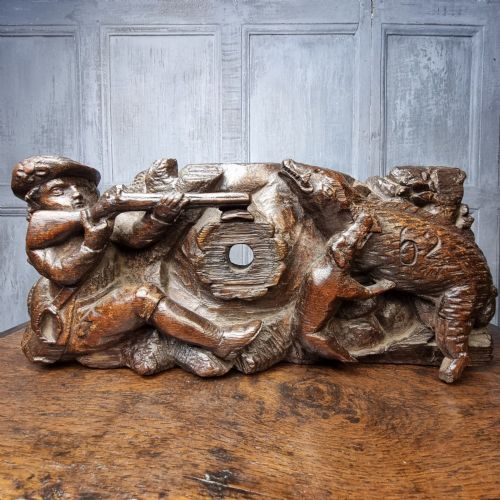
Dark Oak Sculpture
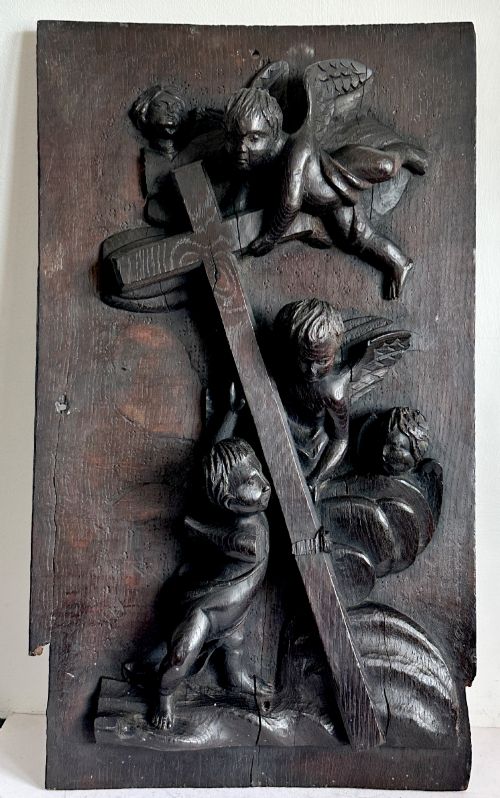
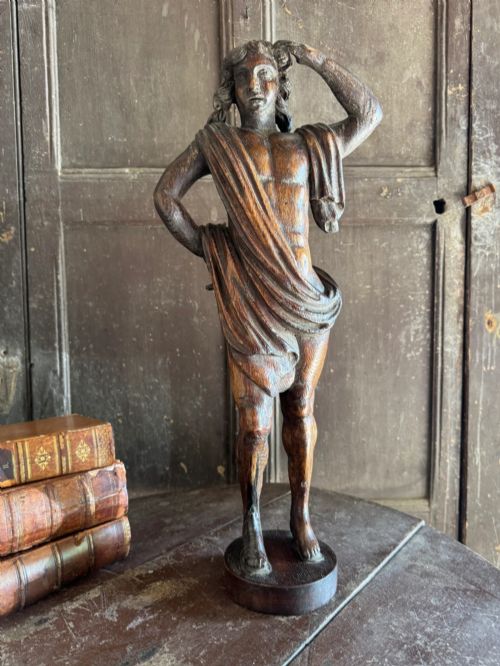
These pieces of dark oak sculpture bring deep timber figures, panels and architectural fragments into rooms that suit substance and history.
Dark Oak Sculpture
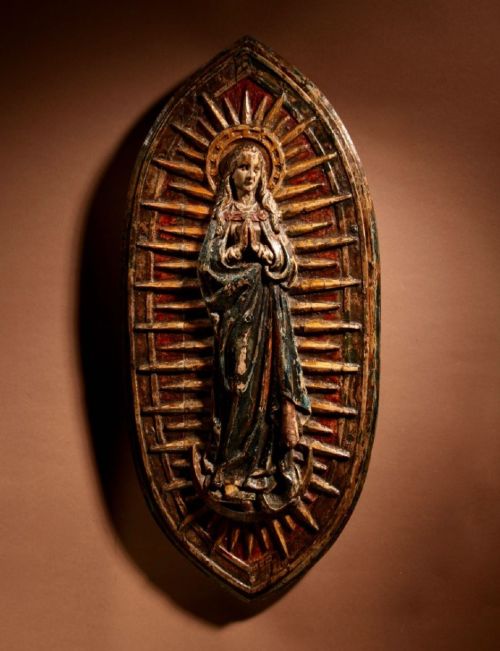
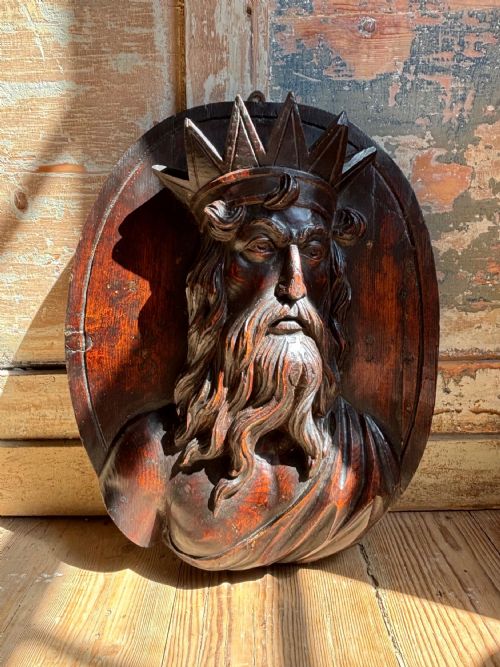
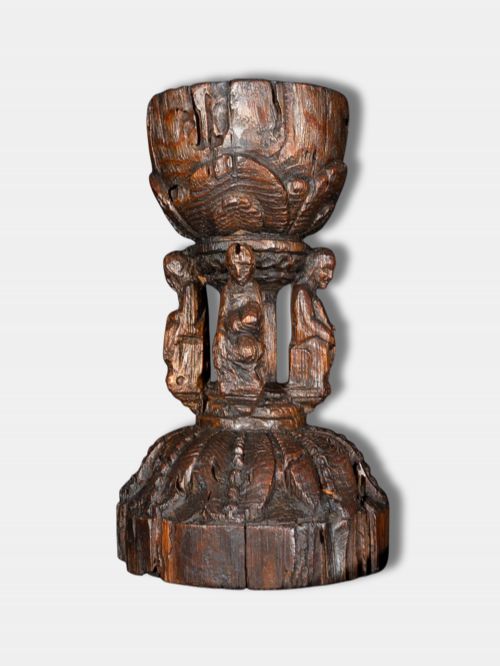
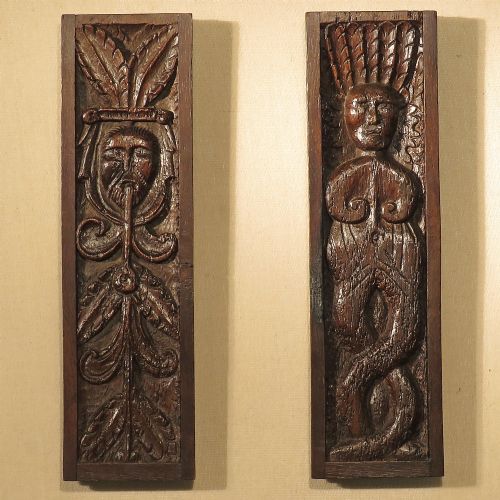
A search for dark oak sculpture reveals an array of wooden figures, architectural fragments, and wall panels spanning several centuries. The selection encountered on this page frequently includes pieces from the seventeenth and eighteenth centuries, alongside earlier medieval examples and nineteenth-century interpretations.
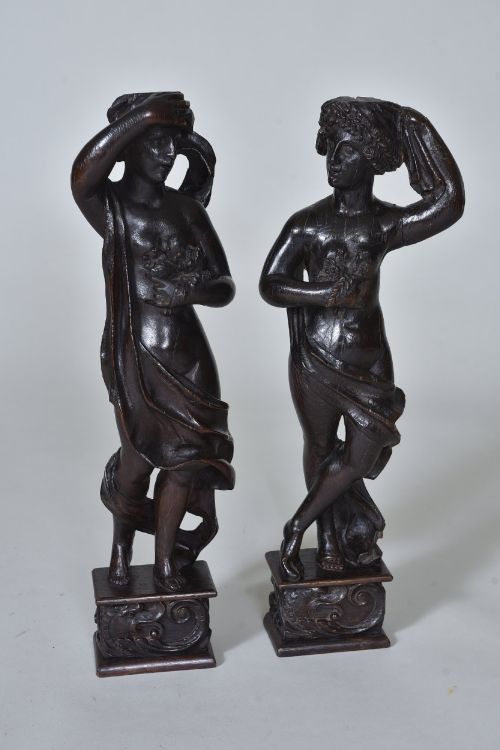
Buyers will find everything from solitary religious figures and classical deities to heraldic animals, corbels, and furniture elements like newel post finials. Continental workshops, particularly Flemish, German, and Italian, heavily populate the origins alongside domestic English pieces.
Materials and carving
The objects are fashioned from solid hardwood timber, predominantly oak, which has darkened over centuries through oxidation, wax, and natural ageing. Carving is executed entirely by hand using gouges, chisels, and mallets to create relief panels, freestanding statues, and architectural ornaments.
Surface treatments rely on historic finishes, retaining dry patinas, traces of original polychrome where applicable, and the deep grain characteristic of slow-grown timber.
Dark Oak Sculpture Retail Price Guide 2026
Typical asking prices for dark oak sculpture among the pieces listed under this phrase on Sellingantiques today, from the lower quarter to the upper quarter. They describe what is for sale here now, not the wider market.
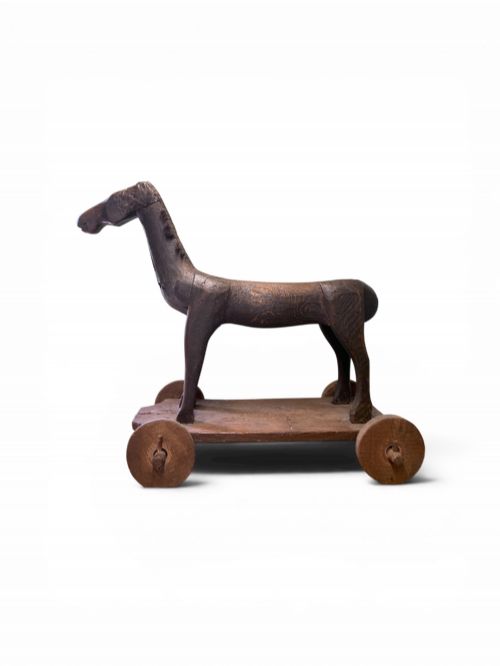
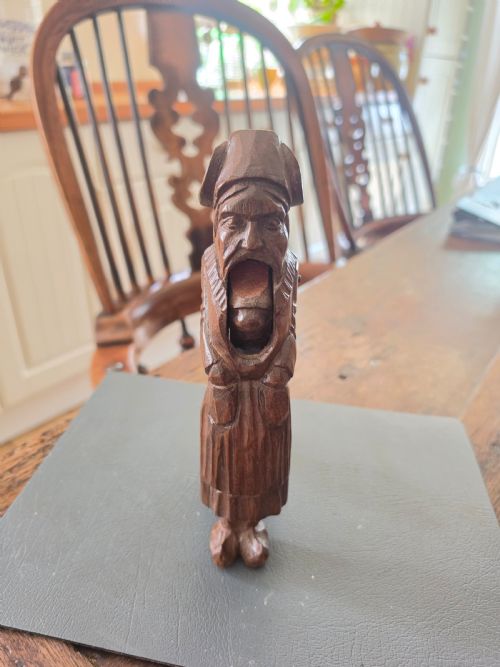
Among the religious figures and solemn saints hide a toy horse, a walnut-cracking bear, and a piper from Hamelin.
Assessing the carving
Quality rests entirely in the crispness and anatomical understanding of the hand carving, separating routine architectural salvage from masterwork figures. Stronger pieces display confident modeling in drapery, facial expression, and proportion, whereas lesser items remain stiff and naive.
The integrity of the timber also dictates value, with well-preserved surfaces retaining original tool marks rather than aggressive later cleaning or excessive restoration.
Edward Pearce
The Dark Oak Sculpture Glossary
- Corbel
- A structural piece of stone or wood projecting from a wall to support a weight, often carved into figurative or grotesque shapes.
- Caryatid
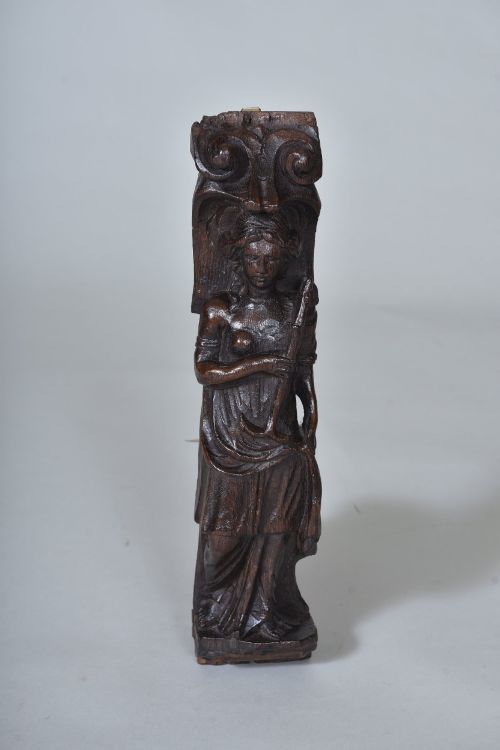
- A sculpted female figure serving as an architectural support taking the place of a column or a pillar.
- Newel post finial
- An ornamental carving mounted on top of the principal post at the turn or foot of a staircase.
- Polychrome
- The practice of decorating architectural elements, sculpture, or pottery in a variety of colours.
- Solomonic
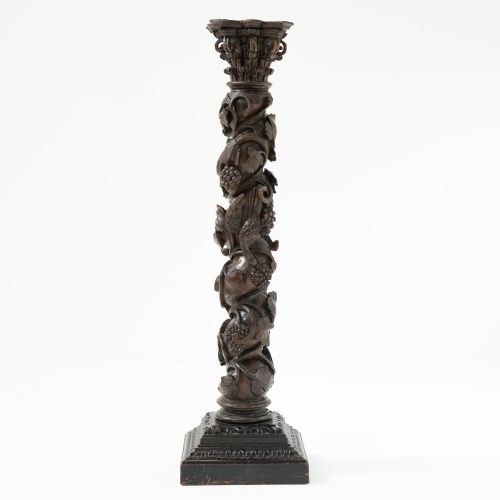
- A type of column characterised by a helical twisting shaft, frequently seen in Baroque furniture and woodwork.
Dark Oak Sculpture: Frequently Asked Questions
How do I date a dark oak sculpture?
Dating relies upon tool marks, the style of clothing or hair, and the natural oxidation of the timber over time.
Early pieces show hand-adzed surfaces and Gothic or Renaissance characteristics, while later nineteenth-century revivals often display machine assistance or softer patinas.
Where were these carvings originally placed?
Many items originated inside churches, cathedrals, and abbeys as altarpieces, lecterns, or architectural reliefs.
Others formed part of the interior wood panelling, overdoors, or staircases of wealthy domestic residences.
How should I care for dark oak sculpture?
Keep wooden sculptures away from direct sunlight, radiators, and rapid changes in household humidity to prevent splitting.
An occasional application of a suitable microcrystalline wax helps protect the dry antique timber surface.
Are these sculptures solid oak?
The pieces are carved from solid blocks of hardwood timber, predominantly native and continental oak.
Heavier panels and architectural fragments often consist of single thick planks or joined boards.