




Medieval Wooden Statue
A medieval wooden statue carries the deep devotion and master hand of centuries past, bringing sacred presence and historic weight directly into a room.
Medieval Wooden Statue
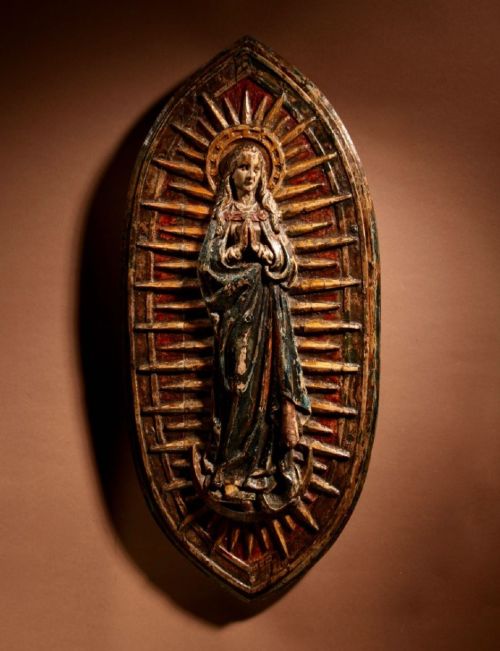
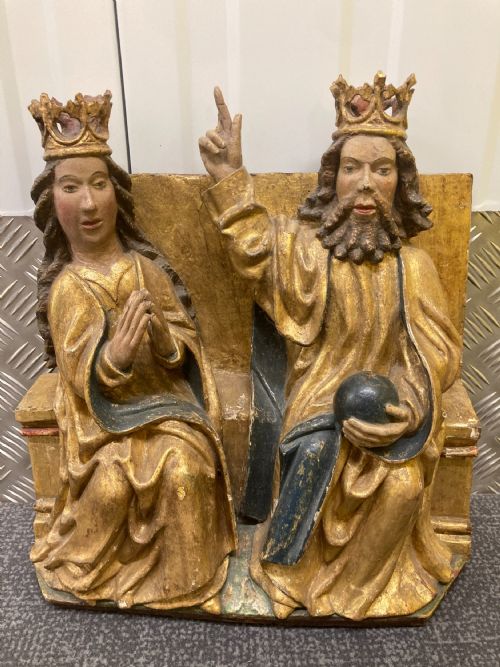
When you search for a medieval wooden statue, you encounter sacred figures and devotional carvings rooted in the religious life of Europe. These objects take the form of saints, bishops, the Madonna and Child, and altarpiece panels originating from regions such as Germany, France, and the Low Countries.
The selections available here span from pre-sixteenth-century church figures and late Gothic donor carvings up to later nineteenth-century Black Forest interpretations and twentieth-century limewood figures. Oak and limewood dominate the material record, frequently retaining traces of their original polychrome paint, gesso, or gold leaf.
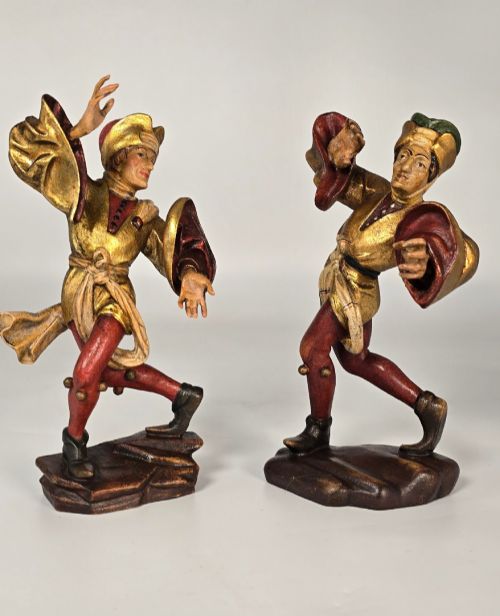
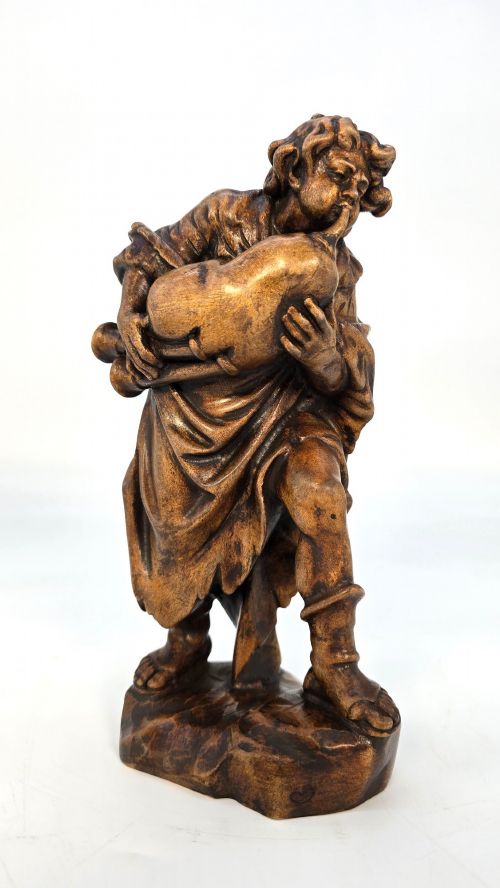
Most pieces function as freestanding sculptures, wall sculptures, or fragments salvaged from larger architectural church settings. They range from solemn representations of Mary and Joseph to lively dancing figures and musicians.
How they were made
Surfaces were frequently prepared with a layer of gesso, providing a smooth white ground for subsequent applications of polychrome paint and gold leaf. Over centuries, these decorative layers have worn, exposing the warm wood underneath and revealing the underlying tool marks of the maker.
Medieval Wooden Statue Retail Price Guide 2026
Typical asking prices for medieval wooden statue among the pieces listed under this phrase on Sellingantiques today, from the lower quarter to the upper quarter. They describe what is for sale here now, not the wider market.
Listings feature oak, limewood, and pine sculptures spanning the sixteenth century, the nineteenth-century Gothic revival, and the 1930s.
What varies in quality
Quality rests in the anatomical confidence of the carving, the crispness of the drapery folds, and the survival of original surface treatments. Early works display fluid, rhythmic cutting that defines hands, hair, and fabric with sculptural authority.
The degree of original surface survival alters the character of a piece significantly. Statues retaining untouched traces of polychrome pigment and gold leaf offer a richer historical narrative than those stripped to bare wood in later centuries.
The Medieval Wooden Statue Glossary
- Polychrome
- Decoration consisting of several colours applied to wood or stone sculpture. It gives sacred figures a lifelike appearance.
- Gesso
- A plaster mixture used as a smooth base applied to wood before gilding or painting. It helps adhere gold leaf to the carved surface.
- Limewood
- A fine-grained, pale timber favoured by continental carvers for intricate detail. It resists splitting and allows for delicate undercuts.
- Pieta
- A subject depicting the Virgin Mary holding the dead body of Christ. It appears frequently in late medieval devotional art.
- Donor figure
- A portrait of the person who commissioned a religious work, shown kneeling or praying. These figures often appear beside saints in altarpieces.
Medieval Wooden Statue: Frequently Asked Questions
How do I care for a medieval wooden statue?
Keep the sculpture away from direct sunlight, radiators, and rapid humidity changes to prevent the timber from splitting. Dust it gently with a dry, soft brush rather than using wet cloths or polishes.
Allow the natural surface patina to remain untouched by commercial cleaners. Stable indoor conditions ensure the historic wood and any remaining gesso stay preserved.
Are these statues from churches?
Many of these pieces originated as church furnishings, altarpiece panels, or devotional figures placed in chapels and abbeys. Some served as private devotional objects for domestic prayer within wealthy households.
Over the centuries, changes in architectural fashion and religious practice led to the dispersal of these sculptures into private collections.
How can I tell the period?
Dating relies on the style of the carving, the choice of timber, and the construction methods visible on the reverse. Late Gothic and early sixteenth-century works show characteristic angular drapery breaks and regional facial types.
Later nineteenth-century Black Forest revivals often employ limewood and mimic earlier styles with softer, more decorative execution. Examining tool marks and timber shrinkage aids in confirming age.
Why do many figures show paint remnants?
Most medieval statues were originally painted brightly to enhance their realism and visual impact within dim church interiors. Pigments were bound in oil or tempera over a gesso ground, often highlighted with gold leaf.
Centuries of cleaning, redecoration, and wear caused most of this paint to flake away, leaving the characteristic traces seen today.