





16th Century Sculpture
16th century sculpture brings sixteenth-century craftsmanship into your home through enduring timber figures and cast bronzes.
16th Century Sculpture
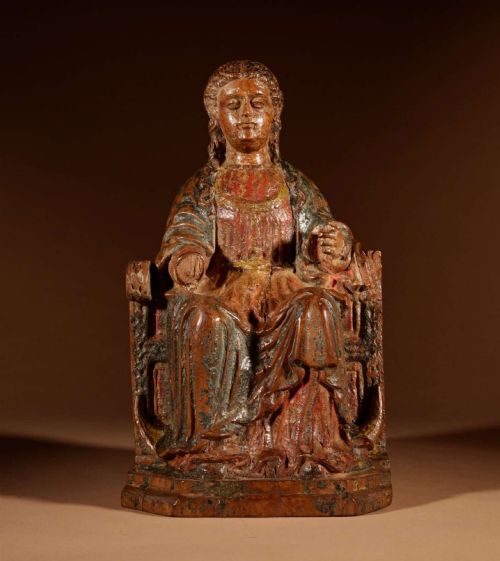
16th century sculpture encompasses carved wooden figures, bronze casts, and stone reliefs produced during a transformative era of European and Asian artistry. You encounter sacred subjects such as the Madonna and child, saints, and architectural fragments alongside Asian bronzes from the same period.
The pieces on this page lean heavily towards European oak, limewood, and walnut carvings reflecting Renaissance and Gothic traditions. Alongside these, bronze and copper alloy figures from Java, Thailand, and China appear in various forms.
How they were made
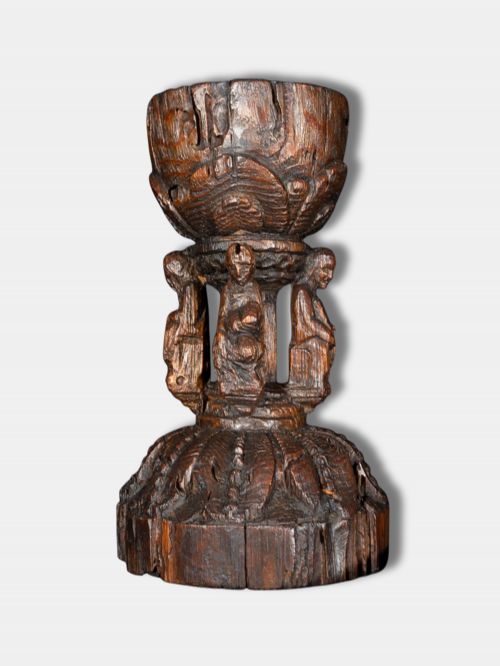
Makers shaped these pieces primarily from dense hardwoods like oak, walnut, and limewood using hand chisels and gouges. Many wooden figures received layers of gesso, polychrome paint, and gold leaf to heighten their visual impact.
Bronze and copper alloy works relied on casting techniques, sometimes finished with fire-gilding or parcel gilding. Stone carvings utilised manual masonry tools to achieve relief detail on architectural fragments and panels.
16th Century Sculpture Retail Price Guide 2026
Typical asking prices for 16th century sculpture among the pieces listed under this phrase on Sellingantiques today, from the lower quarter to the upper quarter. They describe what is for sale here now, not the wider market.
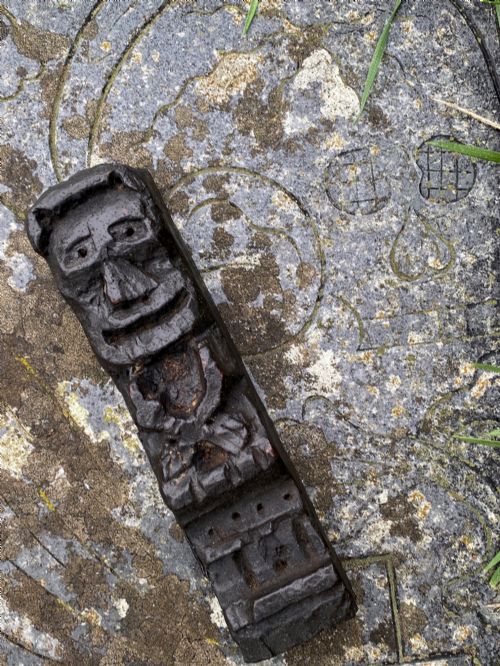
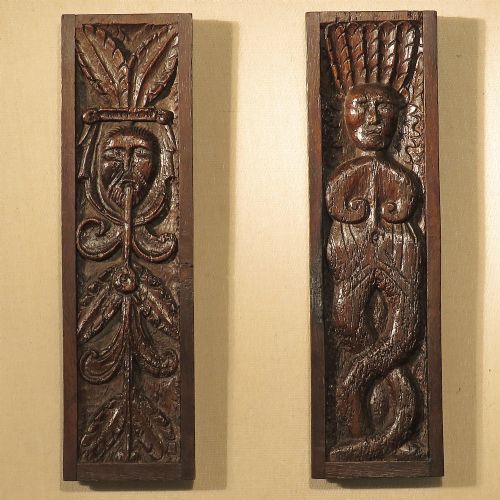
Green Man panels stare out from the sixteenth century with foliage sprouting directly from their mouths.
What varies in quality
Quality rests in the sculptural depth, anatomical proportion, and the preservation of original surface finishes like polychrome paint and gilding. A fluid, confident hand in the carving separates workshop output from master craftsmanship.
The retention of original material matters significantly, as surface treatments often suffer from centuries of wear or later restoration. Pieces displaying crisp tool marks and intact primary finishes command greater appreciation.
The 16th Century Sculpture Glossary
- Polychrome
- Painted in several colours. This term describes wooden and stone sculptures decorated with pigments.
- Giltwood
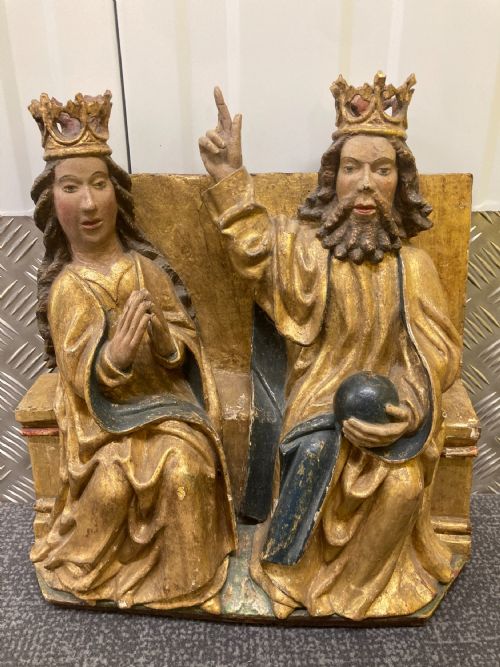
- Wood that has been covered with gold leaf or gold paint. It frequently appears on religious carvings from this period.
- Architectural fragment
- A surviving portion of a larger building or monument. These pieces often take the form of carved stone or wood reliefs.
- Parcel gilt
- Gilt on only selected parts of an object. It highlights specific details on bronze and wooden figures.
- Ming Dynasty
- A period of Chinese history lasting from 1368 to 1644. Metalwork and scholar's objects from this era appear in bronze.
16th Century Sculpture: Frequently Asked Questions
How do I care for wooden sculptures?
Keep wooden pieces away from direct heat sources and sudden humidity changes to prevent timber splitting.
Dust gently with a dry, soft brush and avoid applying modern polishes or cleaning agents to historic surfaces.
Were these pieces originally painted?
Many sixteenth-century wooden sculptures received layers of gesso and polychrome paint to depict lifelike skin tones and garments.
Over the centuries, much of this pigment has worn away or been stripped, leaving bare wood visible on numerous surviving examples.
What is an architectural fragment?
An architectural fragment is a surviving piece detached from a larger building, church, or monumental tomb.
These items often consist of relief panels or figures that were salvaged when structures were altered or demolished.
How are European and Asian pieces distinguished?
European works from this era typically feature Christian iconography carved in oak, walnut, or limewood during the Renaissance and Gothic periods.
Asian pieces comprise cast bronzes and copper alloys depicting deities such as Buddha, Shiva, or Bodhisattvas from Java and Thailand.