




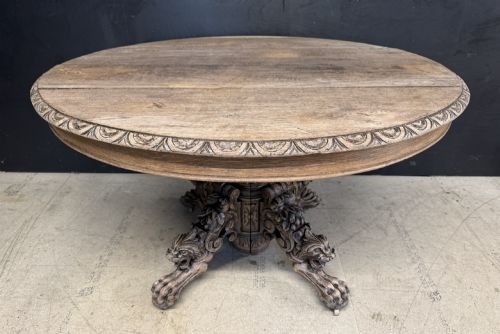
Renaissance Wood Carving
Renaissance wood carving pieces are substantial furnishings and architectural elements bearing hand-chiselled ornamentation, sought after for their depth of history and tactile warmth.
Renaissance Wood Carving
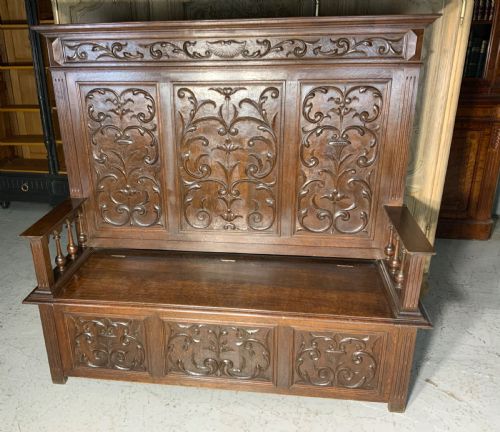
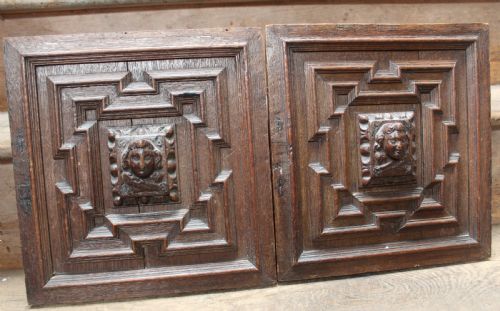
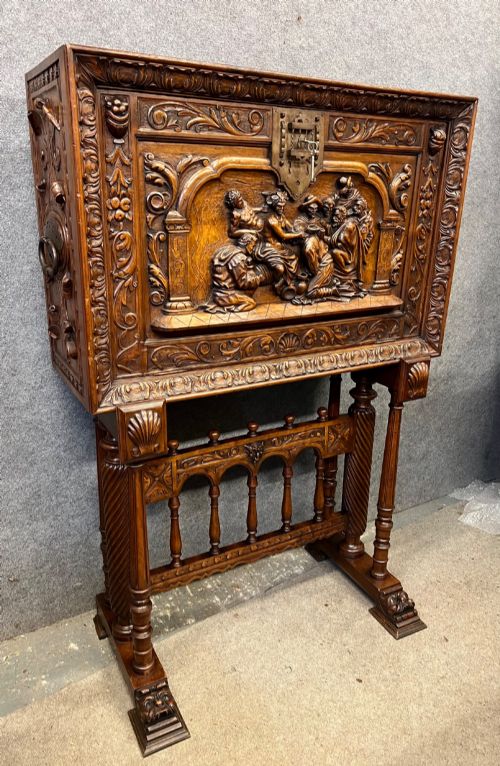
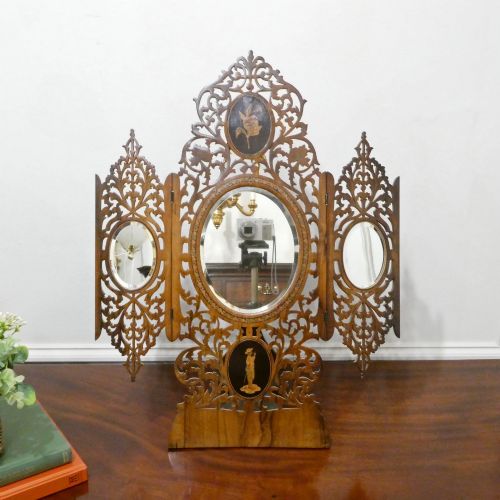
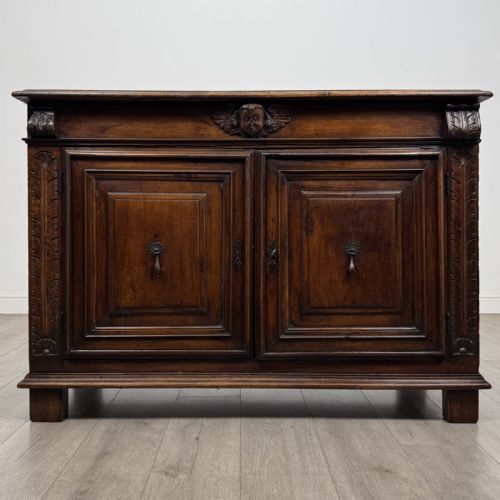
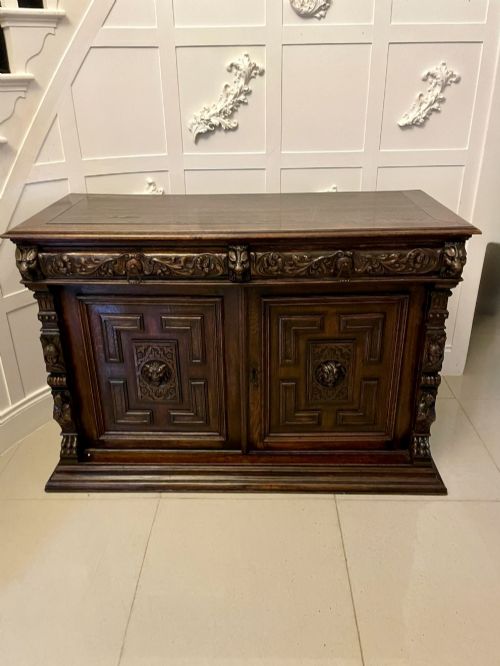
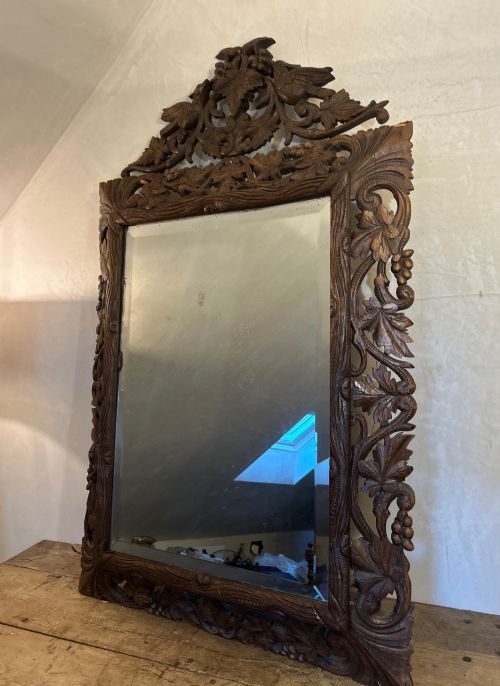
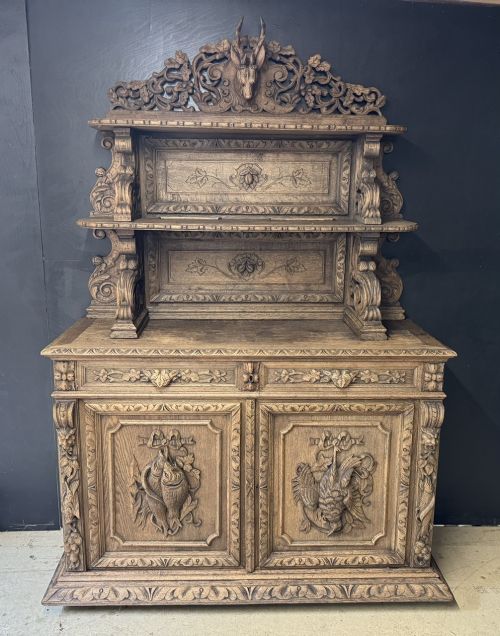
When you search for renaissance wood carving, you encounter solid oak and walnut panels, architectural salvage, figurative sculptures, and heavy seating originating from the sixteenth century onwards. Many examples belong to the nineteenth-century revival movements, translating earlier Tudor, Jacobean, and continental motifs into domestic furnishings like sideboards, wall mirrors, and bookcases.
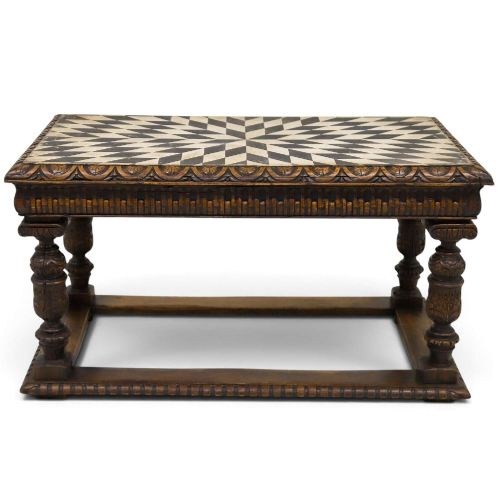
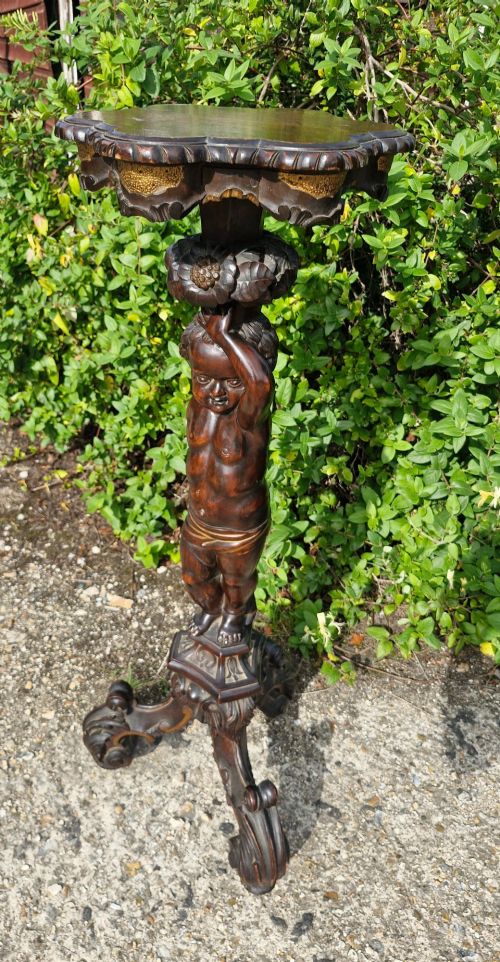
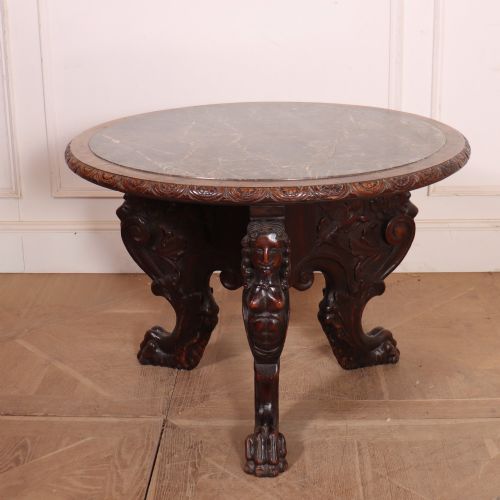
The objects span practical furniture such as draw leaf tables, armchairs, and desks alongside decorative elements including high-relief panels, overmantles, and display pedestals. French and Italian regional variations appear frequently alongside English oak work, demonstrating how different European centres interpreted classical and gothic vocabulary in timber.
What varies in quality
Quality rests in the crispness of the hand-carved detail and the depth of relief, where skilled carvers achieved naturalistic musculature and sharp drapery folds rather than soft, mechanical repetition. The choice of timber grain and the integrity of the original surface patination determine the visual presence of panels, furniture, and figures.
The proportion of later structural timber replacement versus original seventeenth or sixteenth-century material alters the standing of an item. Superior pieces retain their foundational framing and original boards, showing harmonious integration between the carved decorative elements and the main body of the object.
Renaissance Wood Carving Retail Price Guide 2026
Typical asking prices for renaissance wood carving among the pieces listed under this phrase on Sellingantiques today, from the lower quarter to the upper quarter. They describe what is for sale here now, not the wider market.
The listings feature oak and walnut as the dominant timbers, spanning sixteen-century fragments to nineteenth-century revival furniture.
Andrea Brustolon·Valentino Besarel·Gian Paolo Pace
The Renaissance Wood Carving Glossary
- Linenfold
- A style of wood carving imitating folded parchment or linen, commonly seen on sixteenth-century panels. This technique creates vertical cylindrical ripples across the timber surface.
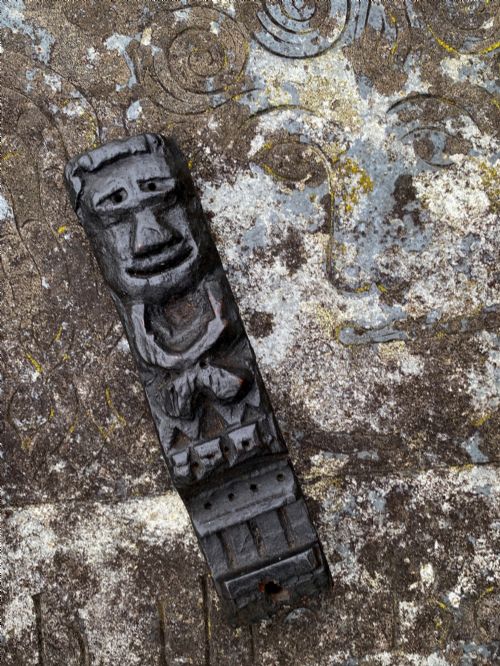
- Green Man
- A sculptural motif representing a human face engarlanded with leaves, vines, or branches. It appears frequently in medieval and revival wood ornamentation.
- Draw leaf table
- A table equipped with underleaves that slide out from beneath the main top to extend its length. This format dates back to seventeenth-century European dining furniture.
- Overmantle
- A decorative framework or carved wood panel mounted above a fireplace mantel. These pieces often incorporate architectural columns, mirrors, or high-relief carvings.
- Patina
- The surface sheen and colour acquired by wood through age, handling, and waxing over decades. Collectors value an untouched patination for its historical depth.
Renaissance Wood Carving: Frequently Asked Questions
How do I identify sixteenth-century carvings?
Examine the rear surfaces and joinery marks for evidence of hand-adzing and pegged construction consistent with early workshop practices. Authentic sixteenth-century examples typically utilise native timbers like English oak or continental walnut, displaying natural wear and dry, unvarnished patination.
Compare the style of the carving against documented regional panels, noting that sixteenth-century work prioritises architectural symmetry and deep, deliberate chisel cuts over machine-like regularity. Tool marks left by primitive gouges serve as reliable indicators of period manufacture.
What is Renaissance Revival furniture?
Renaissance Revival furniture comprises nineteenth-century pieces modelled on sixteenth-century Italian, French, and Elizabethan designs. Cabinetmakers in this period utilised older stylistic vocabulary to construct grand sideboards, armchairs, and mirrors for contemporary Victorian homes.
These items are identified by their heavy proportions, classical motifs such as caryatids and grotesques, and nineteenth-century secondary woods hidden beneath decorative walnut or oak veneers. They represent the Victorian enthusiasm for historicism and domestic display.
How should I care for antique carved wood?
Maintain stable indoor humidity levels and keep antique wooden items away from direct sunlight and heat sources to prevent timber shrinkage and cracking. Periodic application of microcrystalline wax nourishes the grain and preserves the historic surface patination without attracting dust.
Avoid using modern silicone sprays or harsh chemical cleaning agents on old carved surfaces. Gentle dusting with a soft, dry bristle brush is sufficient to clear debris from deep recesses in relief panels and figures.
Where were wall panels originally placed?
Early carved wood panels formed part of comprehensive interior wall panelling schemes within great houses, civic halls, and ecclesiastical buildings. They provided both decorative warmth and insulation against damp stone walls in large rooms.
Over subsequent centuries, many of these architectural installations were dismantled and mounted individually or incorporated into later furniture, bookcases, and overmantles. This accounts for their presence as standalone decorative objects today.