
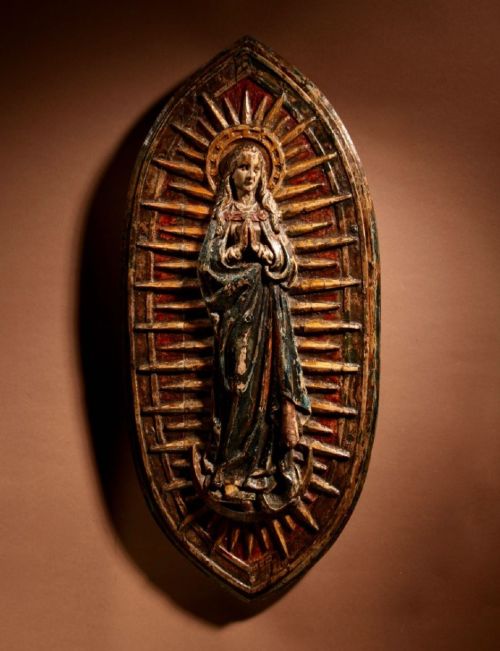
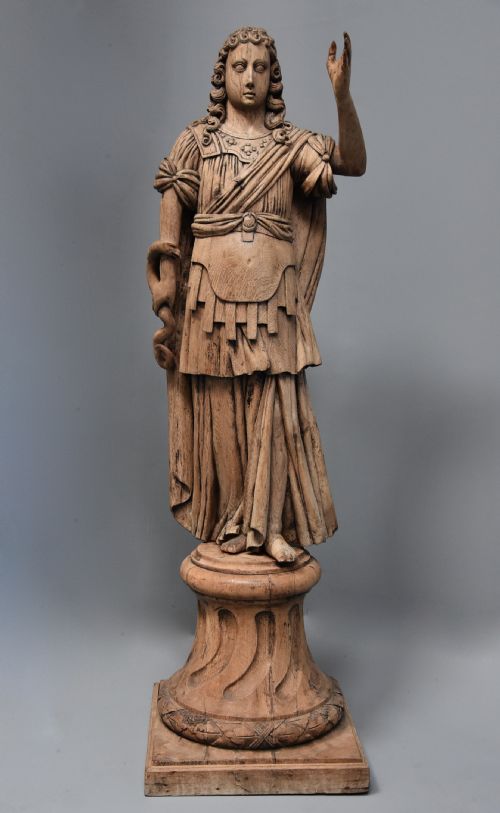
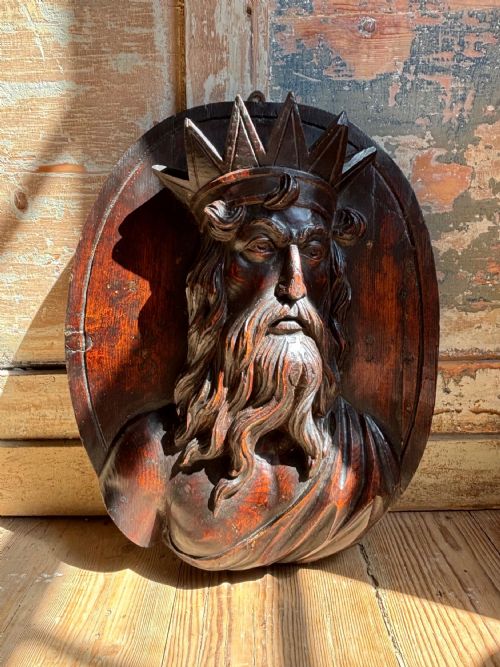
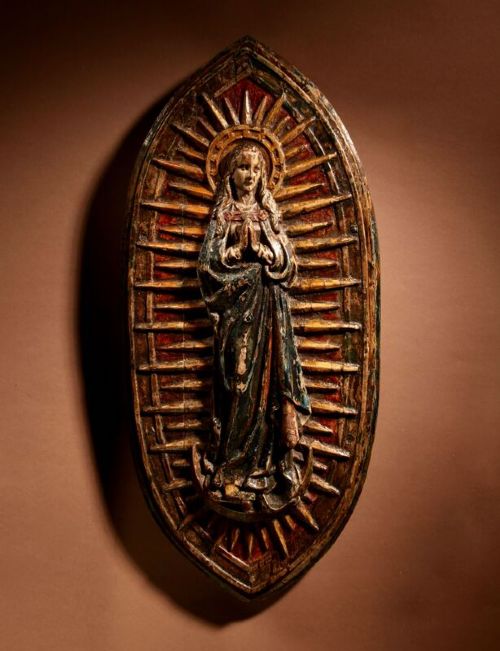


Carved Oak Sculpture
These carved oak sculpture pieces bring tangible weight and historical presence into a room, spanning centuries of ecclesiastical and domestic craft.
Carved Oak Sculpture
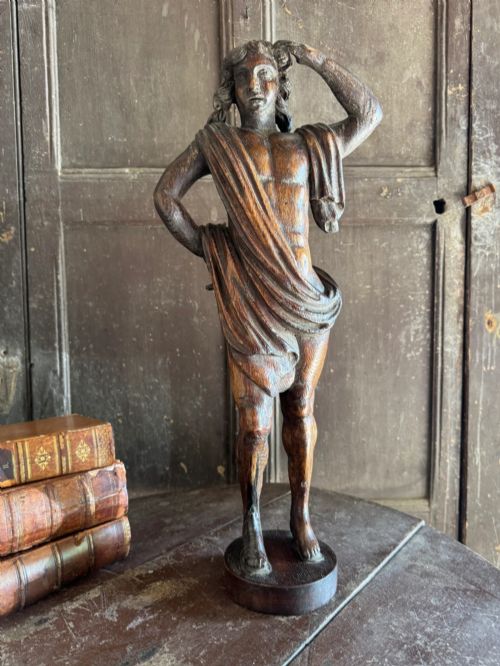
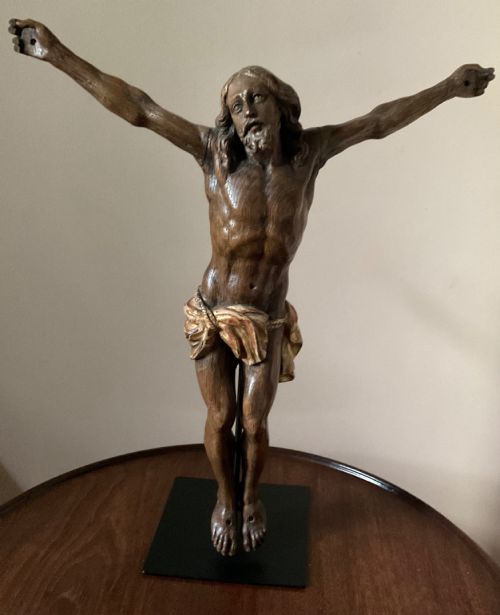
A carved oak sculpture brings centuries of historical form into a space, ranging from early religious fragments to domestic panels and figural statues. When exploring carved oak sculpture, buyers encounter works originating from sixteenth-century altarpieces, seventeenth-century panels, and later continental interpretations.
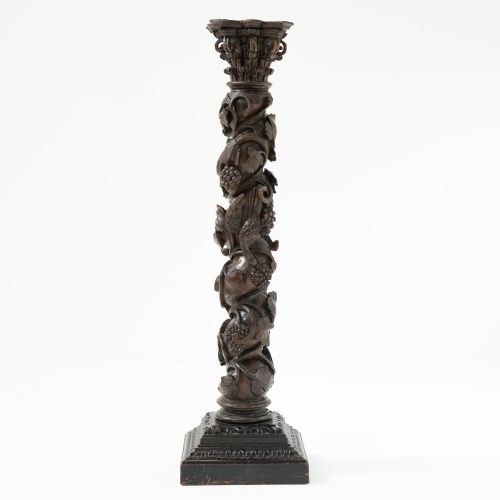
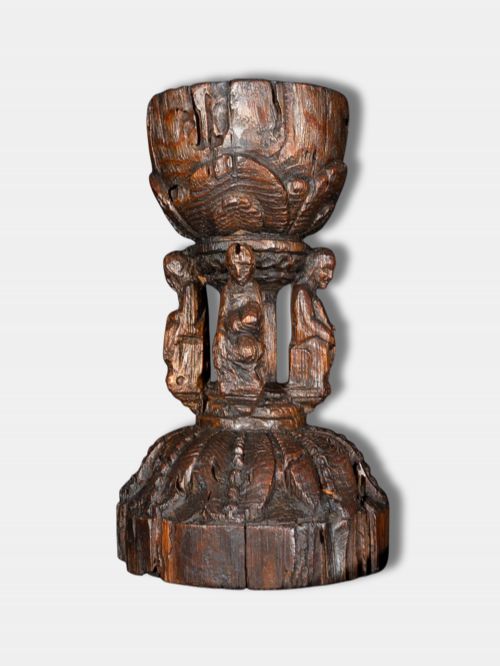
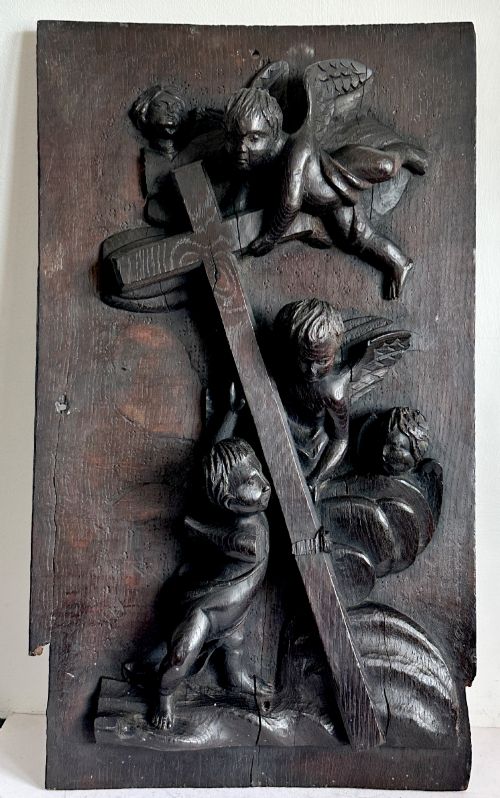
The selections on this page bridge architectural salvage and devotional art, including figures of saints, mythical beasts, and architectural columns. Pieces vary from flat wall reliefs to life-sized figures, displaying the persistent utility of timber across the Renaissance, Baroque, and Gothic periods.
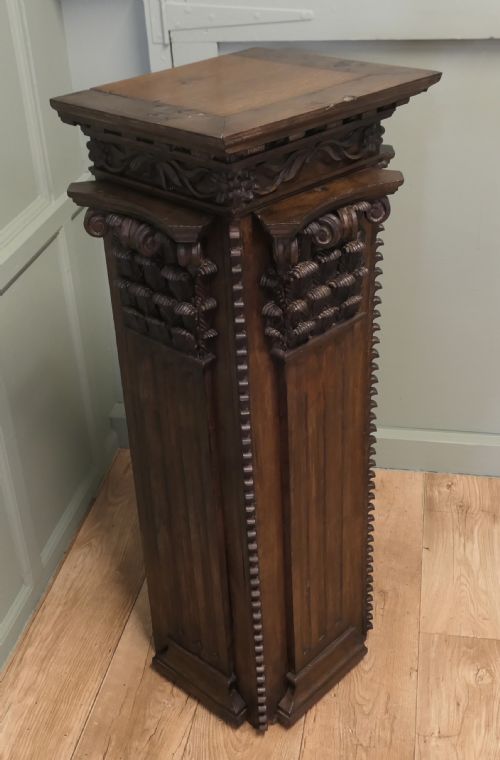
Domestic and secular items appear alongside ecclesiastical fragments, showing how workshops adapted the material for functional lecterns, pedestals, and decorative plaques. This diversity reflects the wide application of timber carving across multiple European centres and centuries.
Materials and methods of construction
Makers shaped these items primarily from solid timber and oak, utilising sharp chisels and gouges to build deep relief and fully rounded figures from dense wood. Grain direction dictated the depth of undercut details, while supplementary gesso and gold leaf occasionally enhanced select religious surfaces.
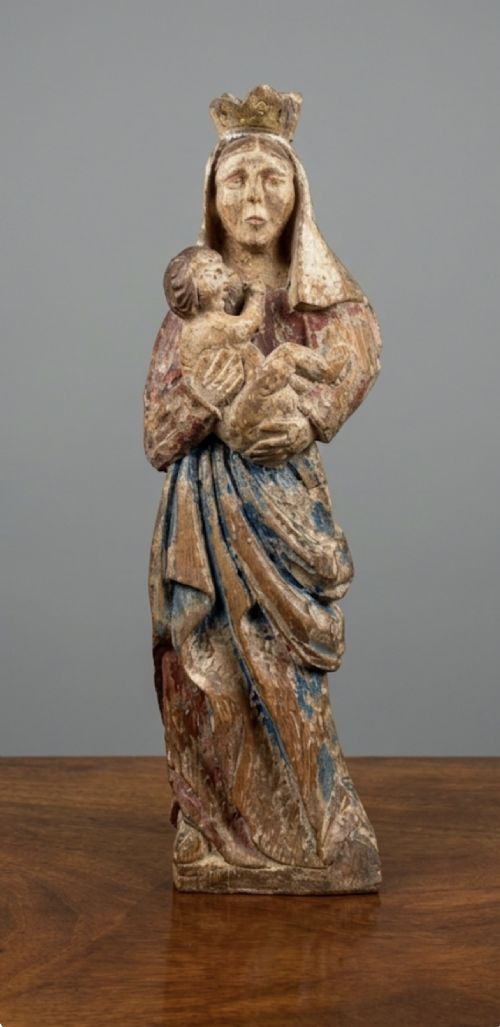
Certain surviving fragments retain traces of polychrome paint, indicating that workshops frequently added pigments directly to the wood to increase visual impact. Structural joints in larger panels and architectural elements relied on traditional pegging and framing techniques to counteract natural timber movement over time.
Carved Oak Sculpture Retail Price Guide 2026
Typical asking prices for carved oak sculpture among the pieces listed under this phrase on Sellingantiques today, from the lower quarter to the upper quarter. They describe what is for sale here now, not the wider market.
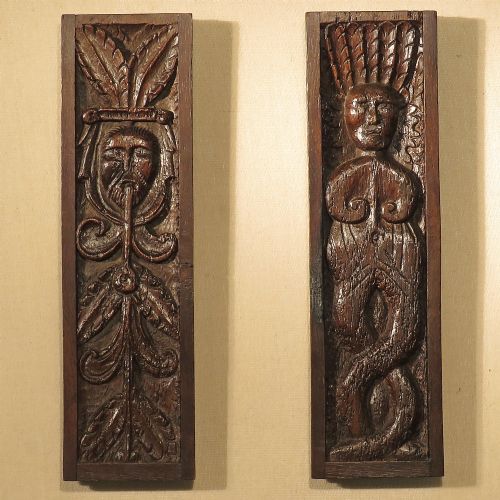
Early carvers occasionally concealed miniature demons and grinning green men within the foliage of solemn religious panels.
Distinctions in execution and survival
The degree of original surface survival and structural integrity also separates tiers of work, as exposed grain and untouched patination carry greater historical authenticity than heavily restored or sanded surfaces.
Edward Pearce·Franz Keller
The Carved Oak Sculpture Glossary
- Polychrome paint
- Pigment applied to the surface of wood sculpture. This decoration aimed to bring realism to religious figures and architectural elements.
- Relief carving
- Figures or patterns projecting from a flat background timber base. This technique was standard for panels, altarpieces, and overdoor decorations.
- Architectural salvage
- Elements removed from dismantled buildings and churches. These fragments frequently find new life as decorative wall displays or pedestals.
- Newel post finial
- A decorative terminal ornament placed at the top of a stair post. Carved lions and figures often served this structural purpose.
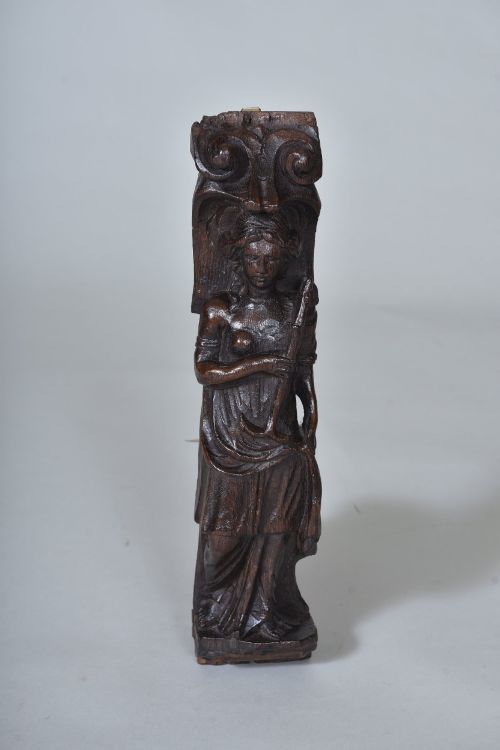
- Caryatid
- A sculpted female figure serving as an architectural support column. These figures replaced traditional pillars in classical and Renaissance designs.
Carved Oak Sculpture: Frequently Asked Questions
Were these sculptures originally painted?
Many early ecclesiastical figures and panels received coats of polychrome paint, gesso, or gold leaf to enhance their visual narrative in dim churches. Over time, many surfaces were stripped down to bare oak, though microscopic traces often remain hidden in deep recesses.
When a piece retains its original paint layers, it offers valuable insight into the decorative practices of historical workshops across Europe.
Where were these sculptures displayed originally?
These works inhabited diverse environments, from solemn cathedral altarpieces and monastic choir stalls to grand country house panelling and domestic furniture. Architectural fragments often came from wall panels, lintels, and column displays within significant public and private buildings.
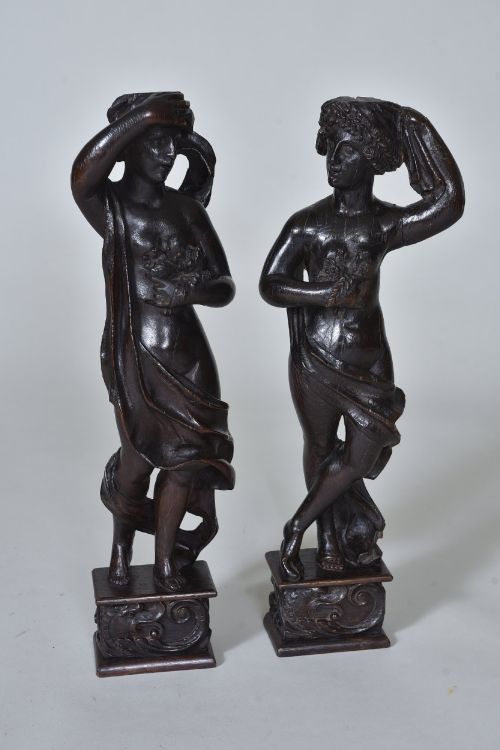
Secular figures, such as animals or classical representations, served as decorative ornaments or structural supports like newel posts within wealthy residences.
How do I care for antique oak sculpture?
Maintaining these items requires stable indoor humidity and protection from direct sunlight, which can dry and split dense timber over time. Occasional dusting with a soft, dry brush is sufficient to keep the surface clean without harming the historic patina.
Avoid applying modern waxes or oils unless necessary, as traditional oak surfaces benefit most from minimal intervention and stable environmental conditions.