
Carved Wood Decor
Carved wood decor brings historical craftsmanship into interiors through intricate wall panels, animal sculptures, and gilded mirrors spanning multiple centuries.
Carved Wood Decor
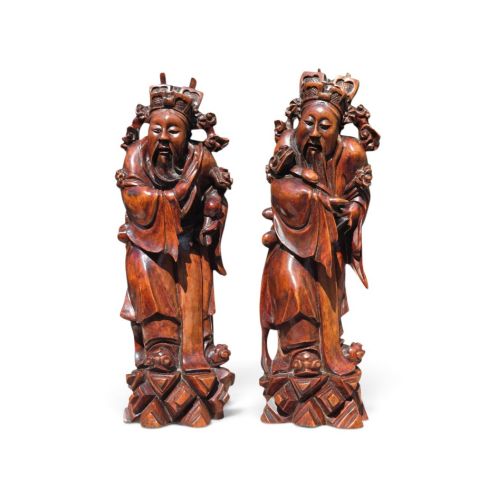
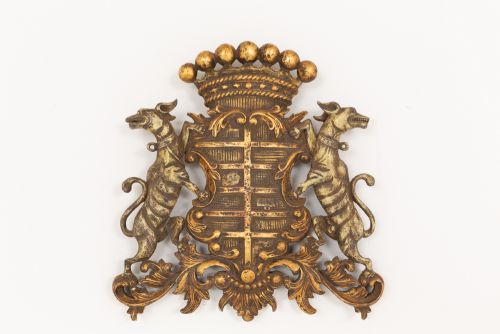
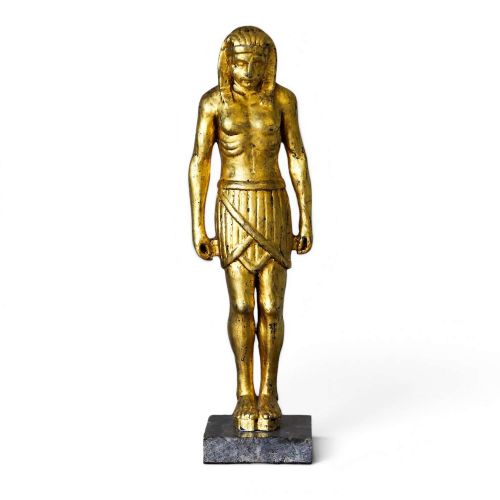
Buyers exploring carved wood decor encounter a diverse selection of antique furnishings, architectural fragments, and decorative objects. The available inventory spans the seventeenth to the early twentieth centuries, encompassing Victorian, Edwardian, and regional European and Asian traditions. Items range from practical domestic articles such as bookends and humidors to sculptural wall plaques, architectural salvage, and mirrors.
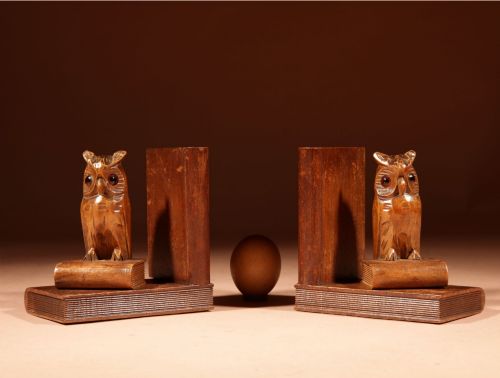
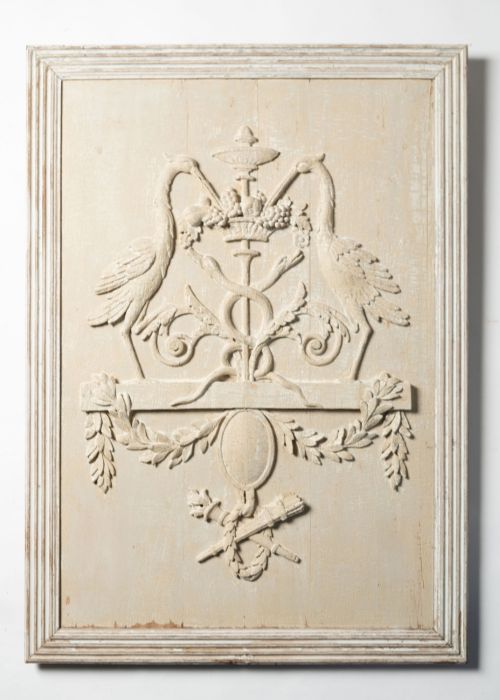
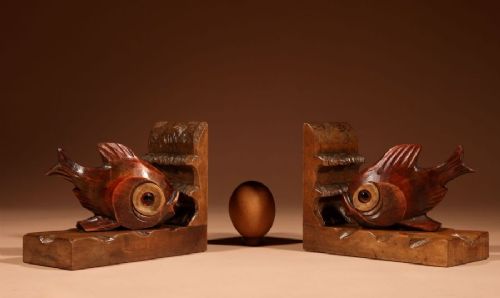
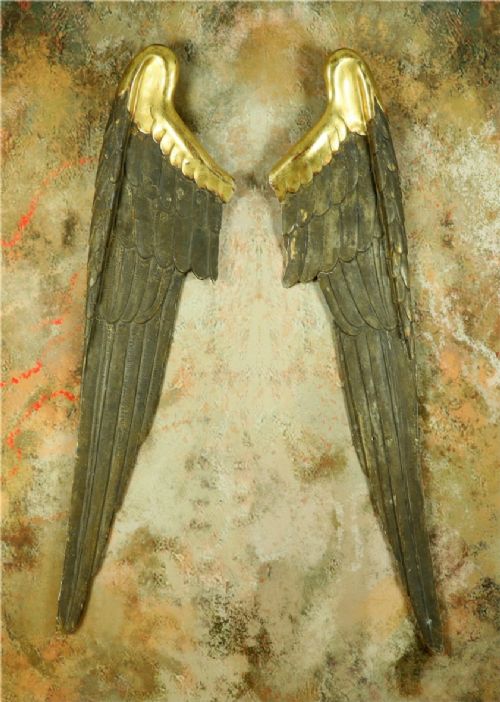
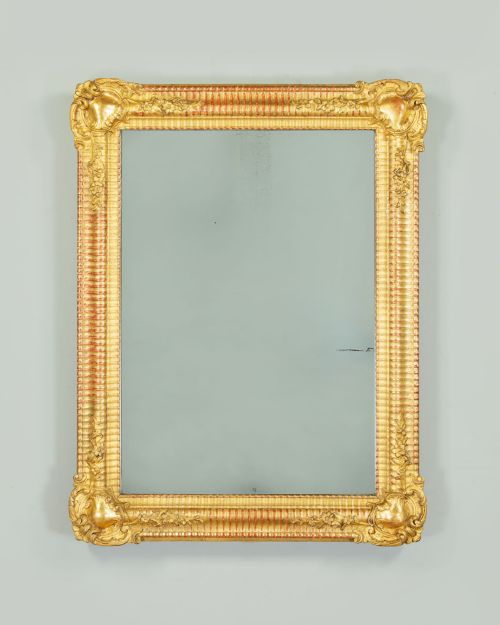
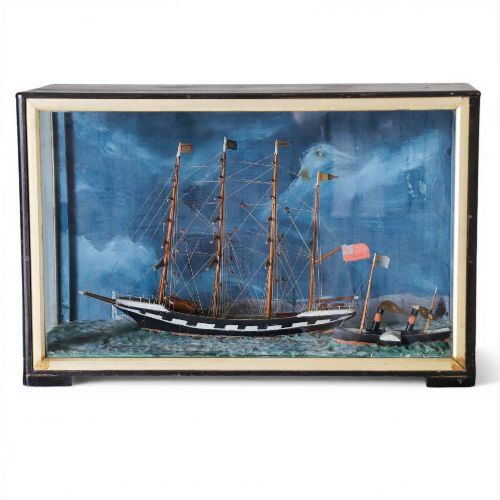
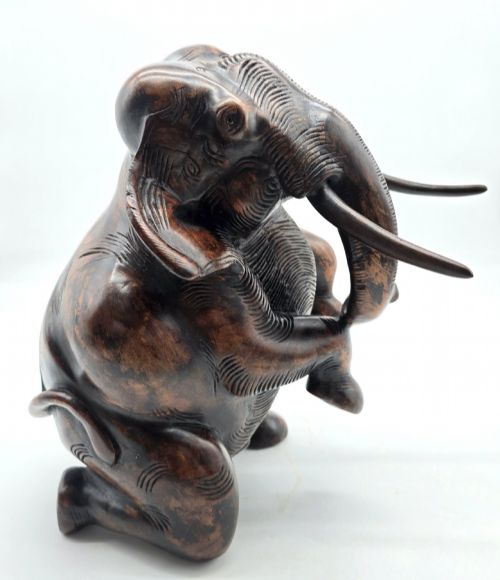
The most common items on this page are wall mirrors and architectural panels originating from nineteenth-century French and Chinese workshops. Black Forest animal carvings, including bears and owls rendered as bookends or figures, appear frequently alongside nautical dioramas and model boats. Pieces incorporate regional styles such as Anglo-Indian inlay, Gothic Revival, and folk art traditions.
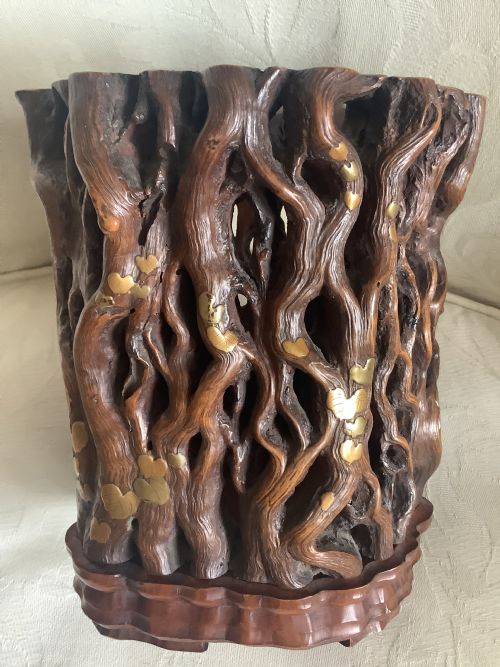
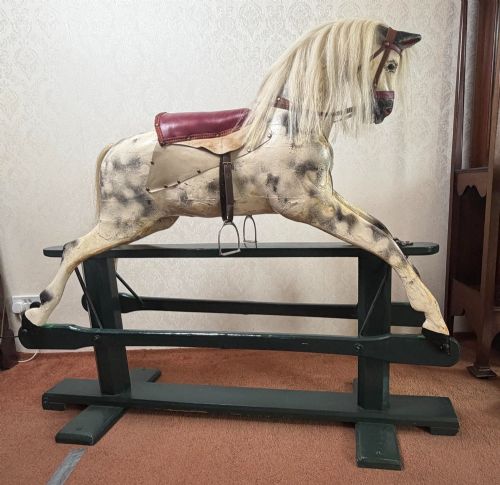
Scale and function vary widely, from small hardwood brush pots and wall sconces to massive architectural panels and rocking horses. Objects are created for display, utility, or architectural enhancement, utilising timber substrates shaped by traditional carving techniques. The selection reflects global trade and local vernacular craft across the 18th, 19th, and early 20th centuries.
Materials and construction techniques
Makers utilised various timber species depending on regional availability and the intended finish of the object. Hardwoods such as oak, elm, sycamore, rosewood, and linden wood provide the dense grain necessary for detailed hand-carving. Softer lime wood and pine are selected for panels and architectural mouldings that require deep relief without excessive weight.
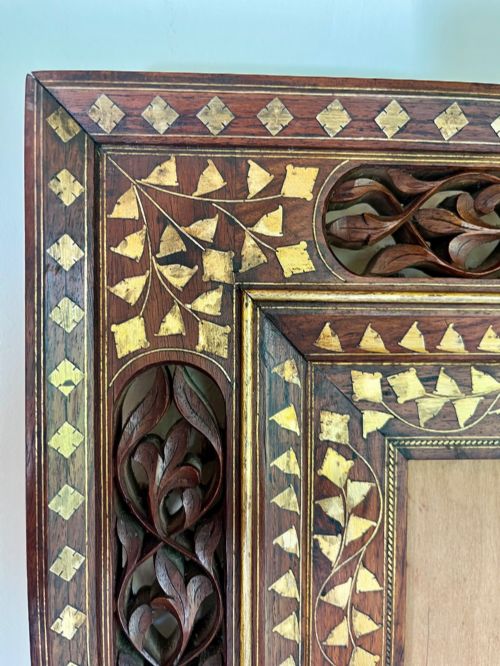
Surface preparation involved applying gesso to wooden substrates before gilding with gold leaf or painting. Many items combine carved wooden elements with applied brass, glass, or bone inlay to enhance decorative contrast. Polychrome painted finishes, giltwood, and natural waxed surfaces protect the timber while defining the contours of the carved motifs.
Several grumpy-looking carved wooden owls and bears stand guard as heavy bookends across the centuries.
What determines quality
Quality in these items rests upon the depth, precision, and crispness of the hand-carved details. Master carvers achieve naturalism and anatomical accuracy in animal figures and human forms, whereas lesser examples display stiff or shallow incisions. The harmony between the carved wooden substrate and any applied gesso, paint, or gilding determines the overall visual cohesion of the piece.
The integrity of the original material and surface finish separates superior examples from heavily restored ones. Original backboards, untouched patination, and intact gilding or polychrome pigment elevate the standing of an object. The complexity of the design, such as undercut foliage or intricate figural grouping, indicates the maker's skill level.
G J Lines
The Carved Wood Decor Glossary
- Gesso
- A plaster-like mixture applied to wood to create a smooth surface for gilding or painting. It is built up in layers before being carved or stamped.
- Black Forest
- A style of wood carving originating from the mountainous region of Germany, known for realistic animal sculptures, bears, and foliar motifs.
- Girandole
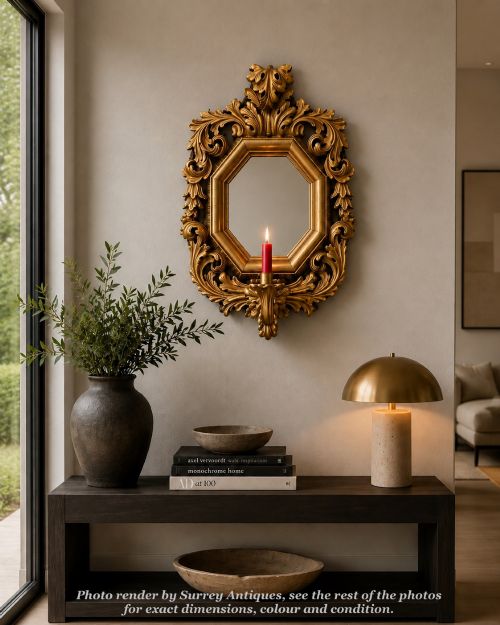
- An ornamental wall mirror featuring attached candle sconces that reflect light into the room. The wooden frames are frequently gilded and heavily carved.
- Tramp art
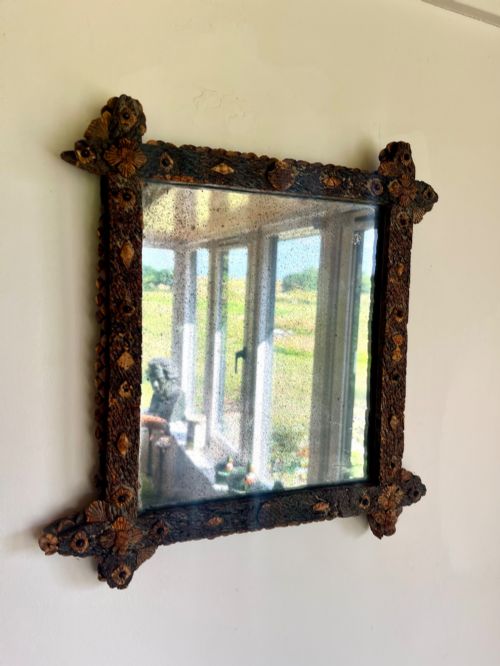
- Folk art created by self-taught makers using notched, chipped, and layered scrap wood, commonly applied to boxes, frames, and mirrors.
- Polychrome
- Decoration executed in multiple colours, often applied directly to carved wooden surfaces or over gesso grounds on statues and panels.
Carved Wood Decor: Frequently Asked Questions
What is Black Forest carving?
Black Forest carving refers to nineteenth-century wooden decorative objects and furniture produced in the Central Black Forest region of Germany. These pieces are celebrated for naturalistic depictions of animals, particularly bears and owls rendered as practical items like bookends and hall stands.
Craftsmen utilised local linden wood and walnut, employing deep relief and glass eyes to achieve lifelike expressions. The style gained popularity during the Victorian era through international exhibitions and Grand Tour travel souvenirs.
How are antique wood panels used?
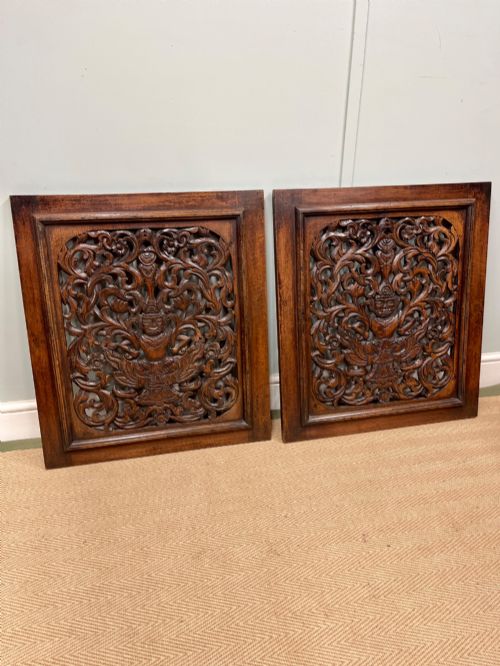
Antique wood panels serve as decorative wall hangings, architectural salvage, or integrated elements within modern interior schemes. They provide texture and historical depth to plain plaster walls when mounted securely.
Many examples originate from European boiserie or Asian architectural screens, featuring floral, figural, or geometric relief carvings. Their versatile dimensions allow them to function as focal points above mantelpieces or within hallways.
How do I care for antique carved wood?
Maintain carved wood decor by dusting regularly with a soft, dry brush to prevent particulate accumulation within deep recesses. Avoid placing wooden objects near direct heat sources, radiators, or strong sunlight, which can cause timber to dry out and split.
Apply a microcrystalline wax sparingly to unfinished or waxed surfaces when the wood appears dry, avoiding gesso and gilded areas. Professional conservation is recommended for antique giltwood and painted surfaces to prevent damaging delicate finishes.
What distinguishes Victorian carved wood?
Victorian carved wood spans diverse stylistic revivals, incorporating Gothic, Renaissance, and naturalistic motifs into everyday household furnishings. Items range from elaborately carved bookcases and mirror frames to utilitarian items like folding book slides and candlesticks.
Makers frequently combined dense hardwoods such as oak and walnut with brass or glass mounts to satisfy industrial-era tastes. The carving is often heavier and more ornamental than earlier Georgian work, reflecting an appreciation for elaborate domestic ornamentation.