



Carved Wooden Ornaments
Carved wooden ornaments bring the hand of the maker into a room, spanning rustic animals, folk figures and architectural fragments.
Carved Wooden Ornaments
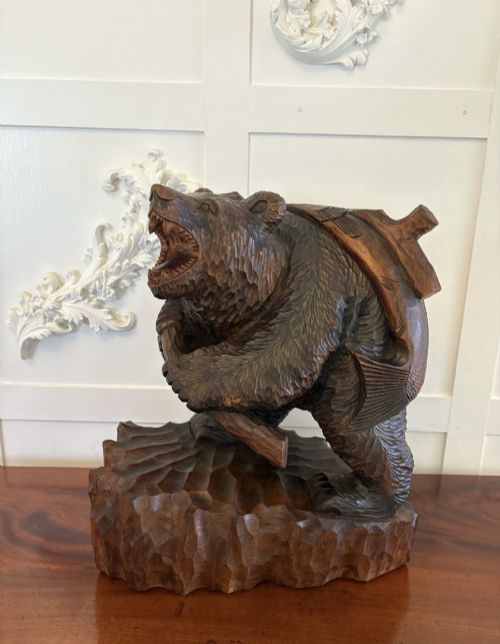
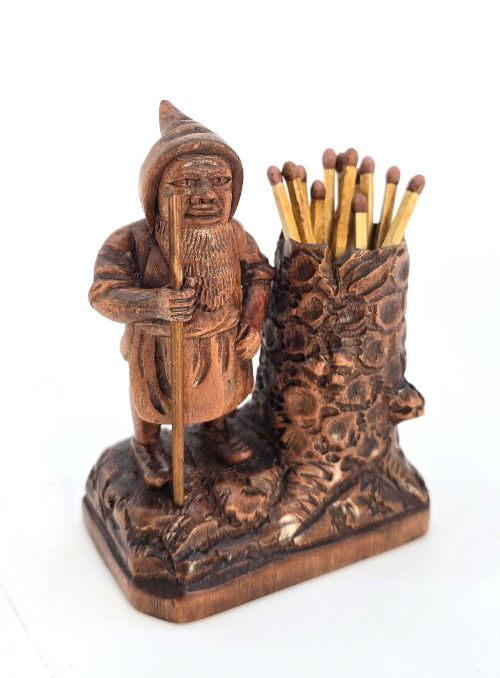
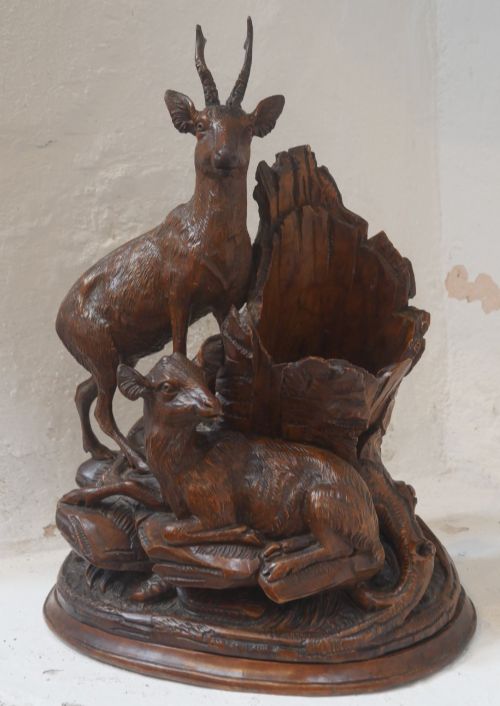
Carved wooden ornaments cover a diverse group of sculptural objects, ranging from Black Forest animal figures and folk art decoys to Asian hardwoods and architectural fragments. When exploring these works, a buyer encounters everything from utilitarian match holders and bookends to pure decorative sculptures shaped across the eighteenth, nineteenth and early twentieth centuries.
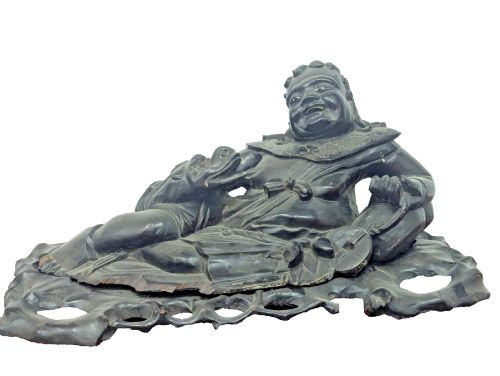
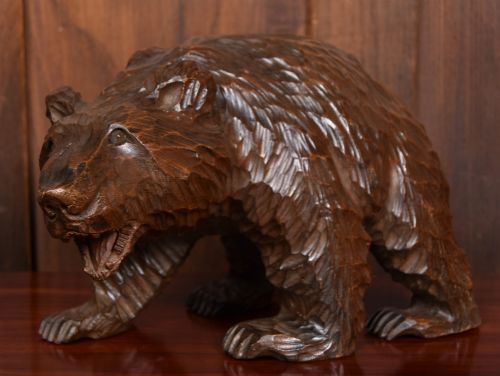
The objects stem from distinct regional traditions, including European limewood carvings, Japanese Kibori Kuma bears, and Chinese hardwood figures. Many pieces reflect specific cultural styles, such as Victorian folk art, Qing dynasty subjects, and eighteenth century neoclassical design.
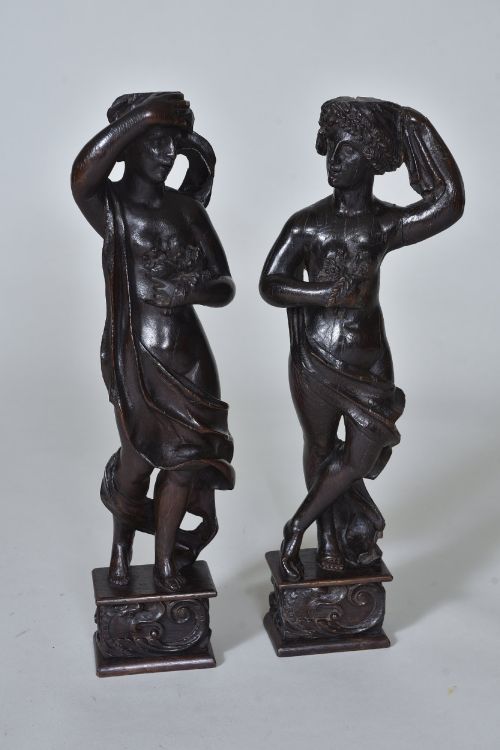
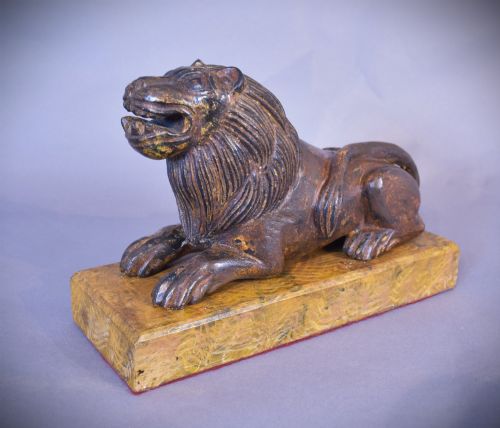
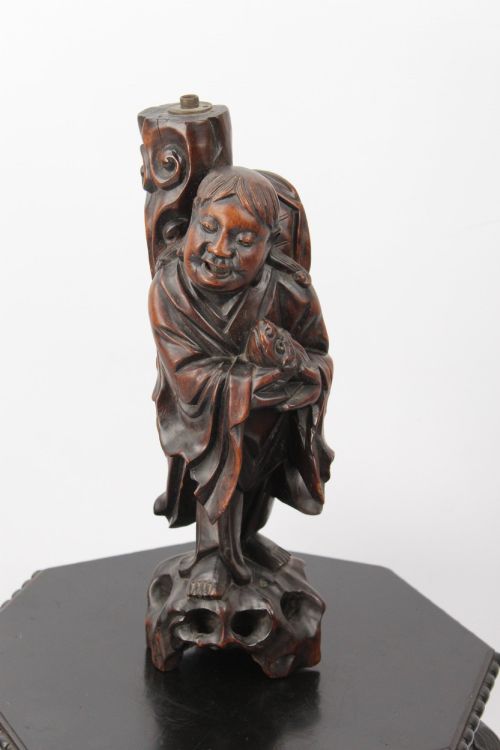
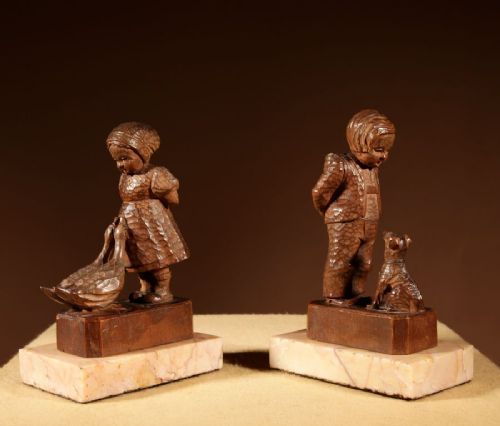
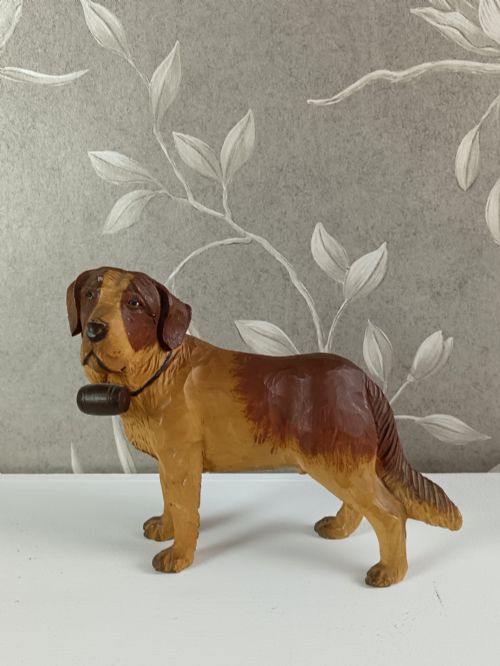
Forms vary from realistic animal studies, such as bears, owls and dogs, to human figures including saints, fishermen and mythological creatures like sphinxes. Architectural elements such as ceiling bosses and spire finials also appear within this broad category.
Materials and methods
Carvers utilised specific timbers suited to fine detail, with linden wood, limewood and walnut frequently chosen for European animal groups and figures. Hardwoods and oak provide the dense structure required for large Chinese carvings and heavy architectural panels.
Tools such as gouges and chisels shape the material directly, leaving tool marks that record the manual process. Surface finishes range from natural waxed grain to applied paint, glass eyes, and mixed metal mounts.
Carved Wooden Ornaments Retail Price Guide 2026
Typical asking prices for carved wooden ornaments among the pieces listed under this phrase on Sellingantiques today, from the lower quarter to the upper quarter. They describe what is for sale here now, not the wider market.
Several bears carry fish, while a gnome serves as a match striker.
Judging quality
Quality rests upon the crispness of the carving and the anatomical understanding of the subject, where fluid lines distinguish a master carver from a naive workshop hand. The depth of relief and the sensitivity given to textures like fur, feathers or drapery separate ordinary items from exceptional sculptures.
Condition and originality dictate the standing of a piece, with undisturbed surfaces and complete components holding greater integrity. The harmony between the timber used and the scale of the subject governs the overall visual balance.
The Carved Wooden Ornaments Glossary
- Black Forest
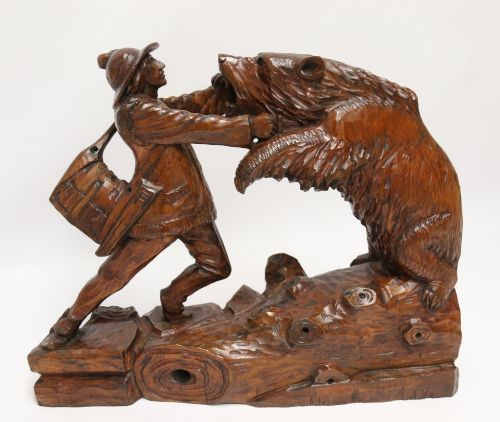
- A nineteenth century Swiss and German regional style known for carved wooden animal figures, particularly bears and forest wildlife. These pieces often incorporate practical elements like inkwells and bookends.
- Linden wood
- A pale, fine-grained timber favoured by European carvers for its soft consistency and lack of prominent grain, allowing intricate detail. It is frequently associated with nineteenth century Swiss figures.
- Kibori Kuma
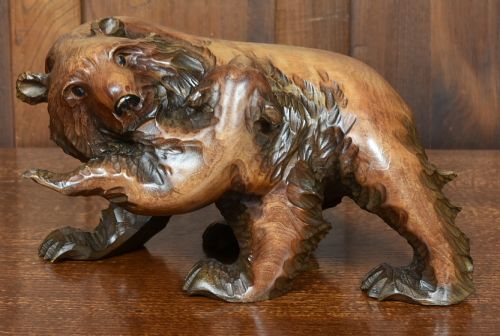
- A traditional style of Japanese wooden bear carving originating from Hokkaido. These pieces range from realistic studies to folk interpretations.
- Ceiling boss
- A projecting architectural block placed at the intersection of ceiling ribs, often carved with foliage or figural motifs. They originate from substantial buildings and ecclesiastical settings.
- Decoy duck
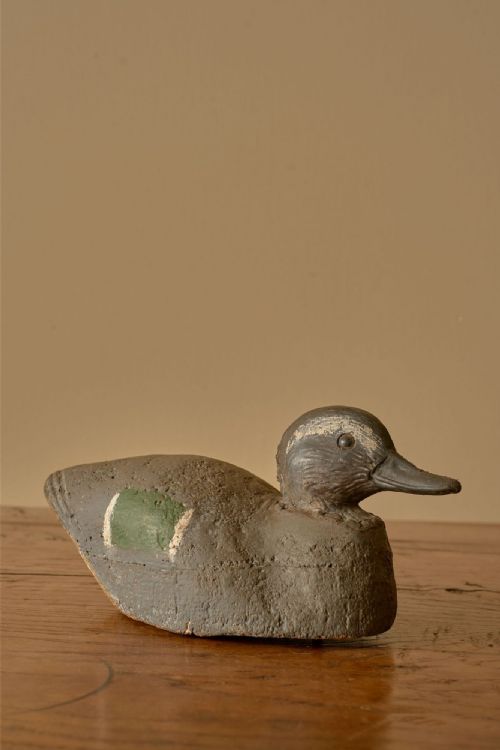
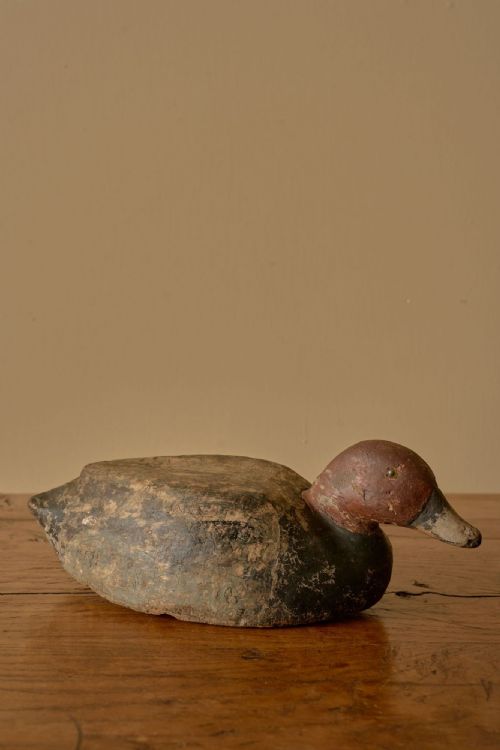
- A floating wooden bird carved and painted to attract waterfowl, appreciated today for its bold folk art aesthetic and working patina.
Carved Wooden Ornaments: Frequently Asked Questions
How do I clean carved wooden ornaments?
Dust these pieces gently with a soft, dry brush to protect the delicate details and original surface patination.
Avoid using water, liquid polishes or modern cleaning chemicals, as moisture damages aged wood and lifts historic finishes.
Are these ornaments heavy?
Weight depends entirely on the timber species and the overall scale of the specific sculpture.
Dense hardwoods and large architectural panels require secure placement, while limewood and softer pine figures remain light and portable.
How can I tell the period?
Dating relies on tool marks, timber shrinkage, style markers and the specific regional traditions of the workshop.
Comparative analysis of subject matter, such as nineteenth century Black Forest motifs versus eighteenth century neoclassical forms, clarifies age.
Can I use bookends safely?
Historic bookends function well in modern interiors when supporting moderate numbers of standard volumes.
Place protective pads beneath the bases to prevent scratching both the carved wood and the supporting shelf.