


Beige Wooden Carving
These beige wooden carving pieces range from seventeenth-century structural fragments to Victorian seating and twentieth-century figures.
Beige Wooden Carving
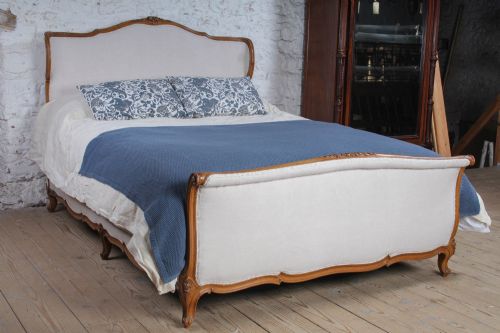
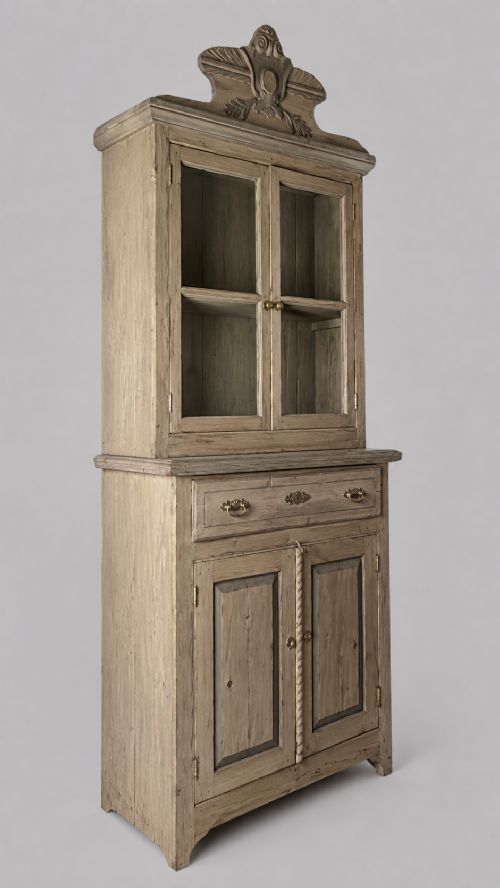
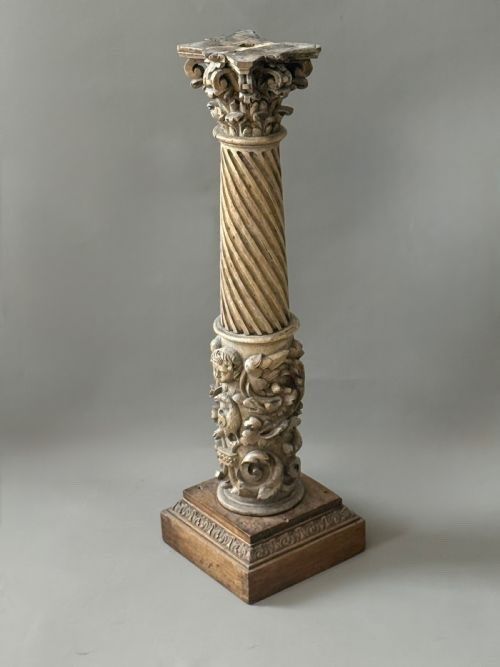
A beige wooden carving encompasses diverse objects across several centuries, including seating, sculptural fragments, and decorative frames. Buyers searching this phrase encounter items spanning from the seventeenth century through the Edwardian period and the 1930s. The selection includes walnut dining chairs, painted French cupboards, and carved lamp bases.
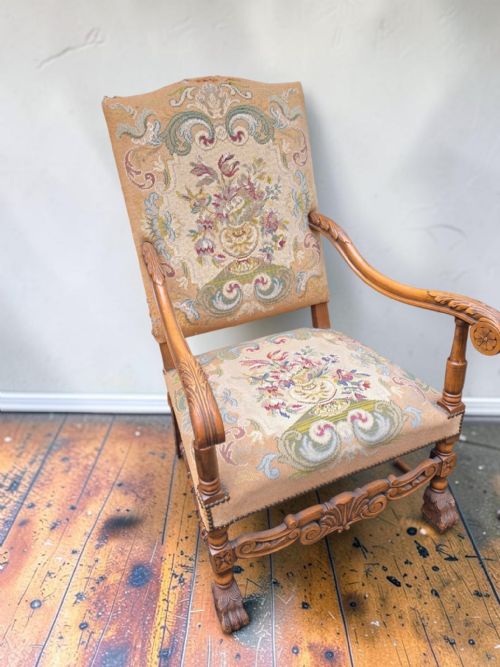
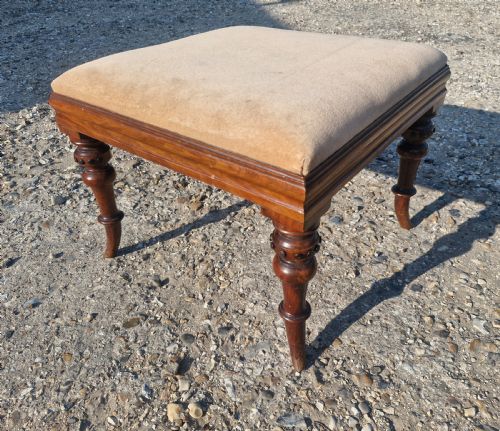
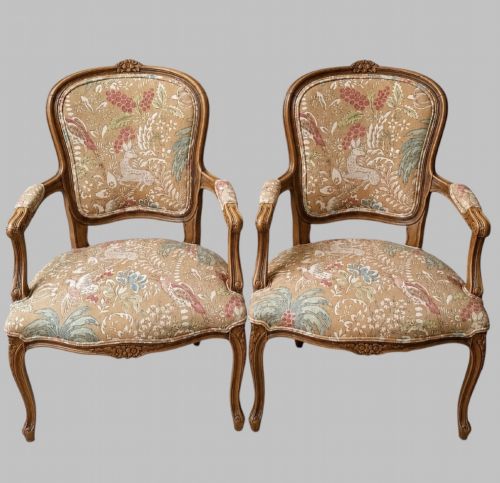
Seating forms appear frequently, such as Victorian walnut armchairs, hall benches, and fender stools upholstered in neutral fabric or linen. Regional pieces like Italian puppets and Chinese soapstone sculptures sit alongside French chateau beds and English country house furniture. These items reflect traditional craftsmanship across multiple European and international origins.
Materials and construction
Makers utilised solid hardwoods, predominantly walnut and mahogany, shaping them through traditional hand-carving techniques. Structural elements often feature exposed grain alongside applied surface treatments like paint or fabric upholstery.
Textiles play an integrated role in items like armchairs and benches, incorporating linen and tapestry covers. Joinery methods vary by period, connecting carved wooden frames to functional domestic and decorative forms.
Three antique wooden toy lionesses stand ready beside seventeenth-century Roman helmet carvings.
Distinctions in quality
Quality rests in the depth and precision of the hand-carved detail across structural timber. Pieces with crisp, well-defined motifs in the wood show superior execution compared to softer or more worn examples.
The integrity of the underlying wood and the retention of original surface characteristics differentiate standard examples from finer works. Original upholstery fabrics or later neutral linen covers also influence the overall finish.
The Beige Wooden Carving Glossary
- Walnut
- A heavy, durable timber favoured for furniture and carving throughout the nineteenth century and earlier. Its rich grain accepts intricate hand-carving exceptionally well.
- Neo-Rococo
- A revival style popular in the nineteenth century characterised by asymmetric scrolls, C-scrolls, and naturalistic floral motifs. This aesthetic appears frequently on Victorian and later chairs.
- Fender stool
- A low stool designed to fit around a domestic hearth or fireplace. These pieces often feature carved wooden frames and upholstered seats.
- Canape
- An antique French upholstered sofa, typically featuring an exposed wooden frame. These often display regional carving styles like Louis XV or provincial designs.
- Montparnasse frame
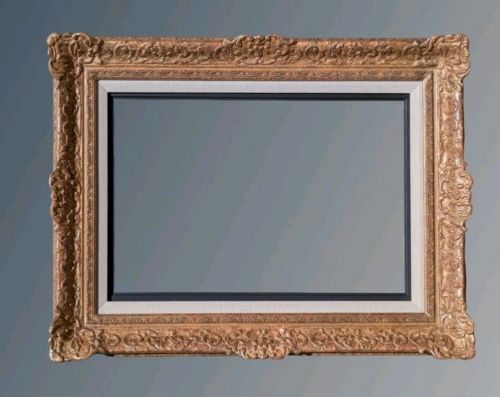
- A specific style of picture frame originating from the Parisian art district. They are noted for distinct carved wooden profiles and neutral finishes.
Beige Wooden Carving: Frequently Asked Questions
What periods do these carvings cover?
The listings span from the seventeenth century through the nineteenth century, the Edwardian era, and into the nineteen-thirties.
Earlier items include seventeenth-century structural fragments and Roman helmet carvings, while later pieces feature Victorian seating and twentieth-century frames.
How are the textiles chosen?
Many seating items feature neutral upholstery fabrics such as beige linen and tapestry covers. Some pieces retain later recovered textiles designed to complement the carved timber frames.
Original fabric condition varies by piece, with certain items showcasing period needlework.
Are these items strictly French?
The origins vary widely across Continental Europe and the British Isles, alongside occasional international examples. You will find English country house seating, Italian puppets, and French chateau beds.
Styles range from English vernacular to Neo-Rococo and Continental Baroque.
What wood types are used?
Makers predominantly worked in hardwoods like walnut and mahogany for structural furniture and detailed carvings. Softer oak also appears in specific regional seating forms.
Surface treatments sometimes include applied paint over the timber base.