
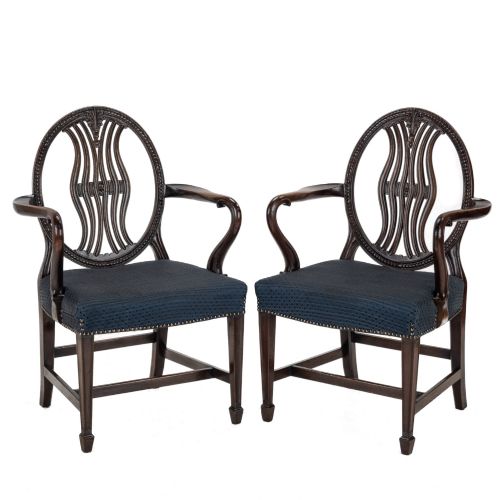

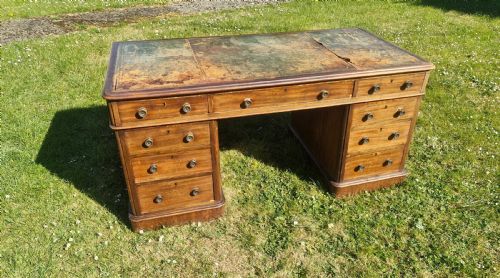


Late Nineteenth Century Carving
Late nineteenth century carving brings together the diverse sculptural work of the period, offering tactile detail and historical presence for an interior.
Late Nineteenth Century Carving
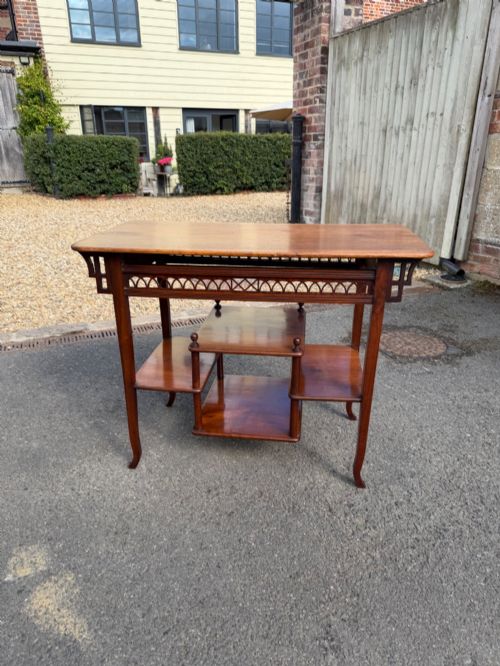
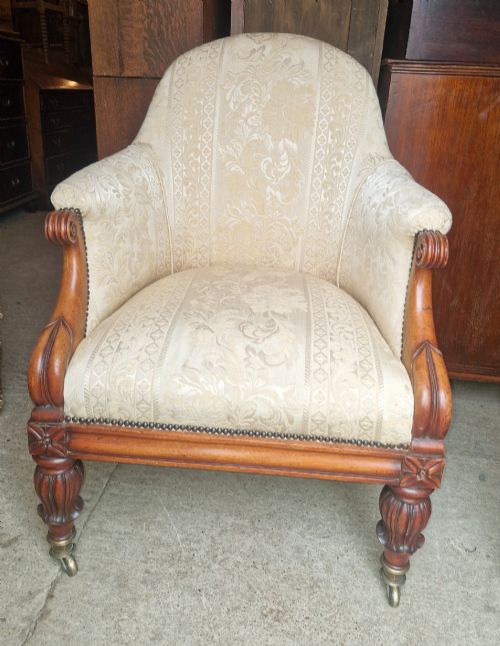
Late nineteenth century carving encompasses a broad spectrum of sculptural objects and embellished furniture forms produced around eighteen hundred and eighty to nineteen hundred. Buyers searching for late nineteenth century carving encounter solid timber figures, decorative architectural elements, and intricate domestic furnishings executed in varied regional traditions.
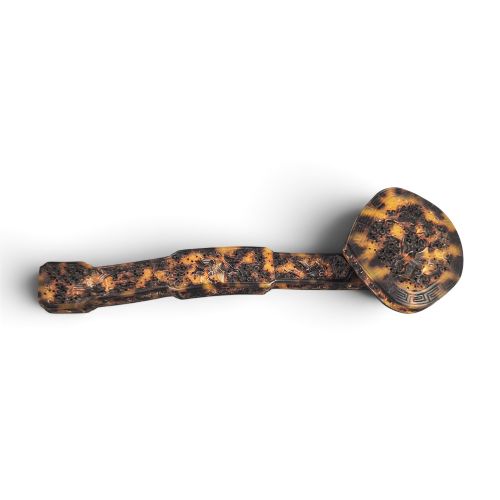
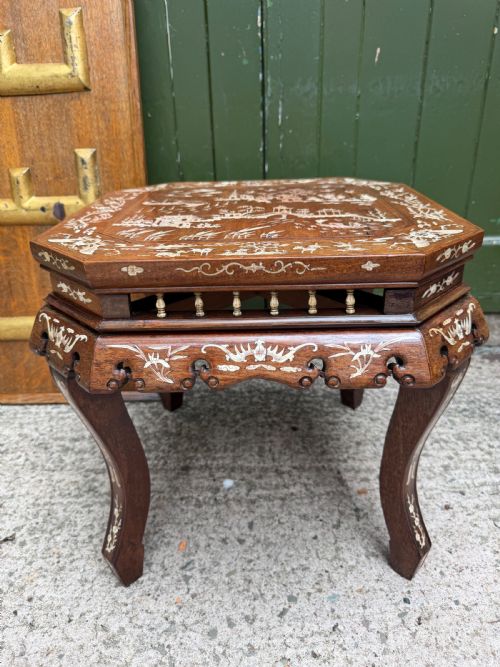
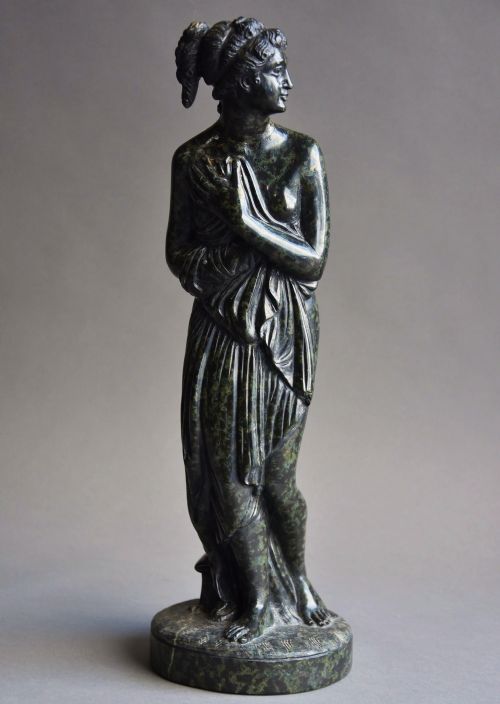
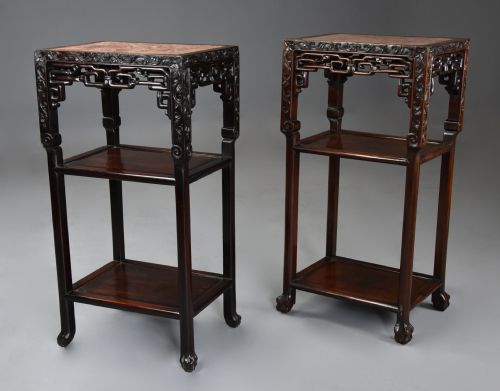
The objects span European figurative works, such as linden wood animal figures and alabaster statues, alongside East Asian hardstone and hardwood pieces including Qing Dynasty ruyi sceptres and pot stands. This range reflects the eclectic tastes of the period, connecting revivalist furniture with traditional carving crafts from multiple continents.
Materials and construction methods
Makers utilised dense timbers like mahogany, walnut, padouk, and linden wood, alongside stone materials such as marble, alabaster, and soapstone. These media allowed artisans to achieve deep relief and crisp linear detail without losing structural integrity.
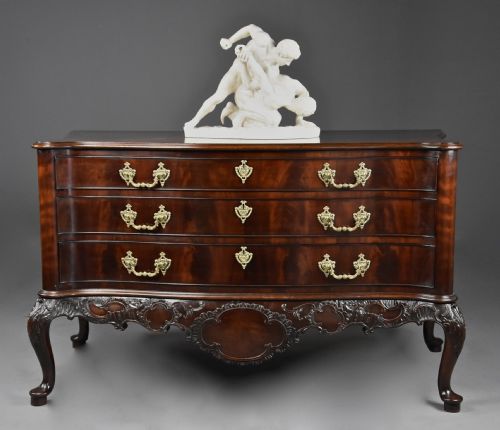
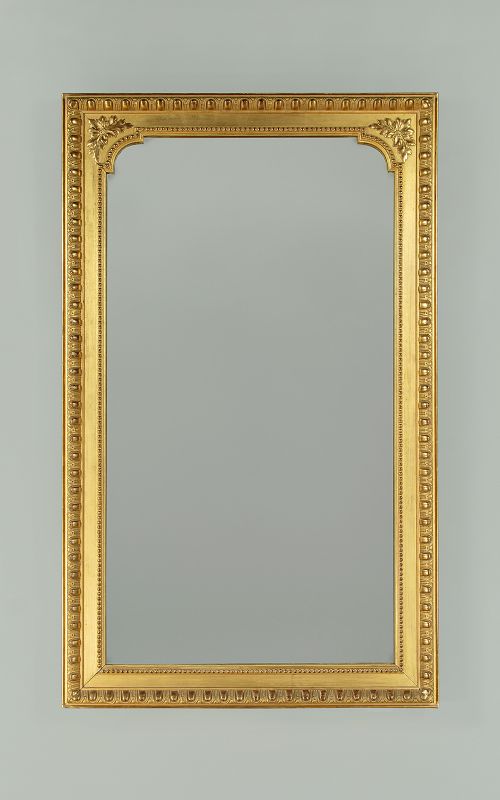
Hand carving techniques dominate the pieces, requiring specialised gouges and chisels to shape organic forms like foliage, drapery, and animal musculature. In Asian works, intricate piercing and undercutting define hardwood tables and sceptres, while European workshops combined relief carving with traditional joinery.
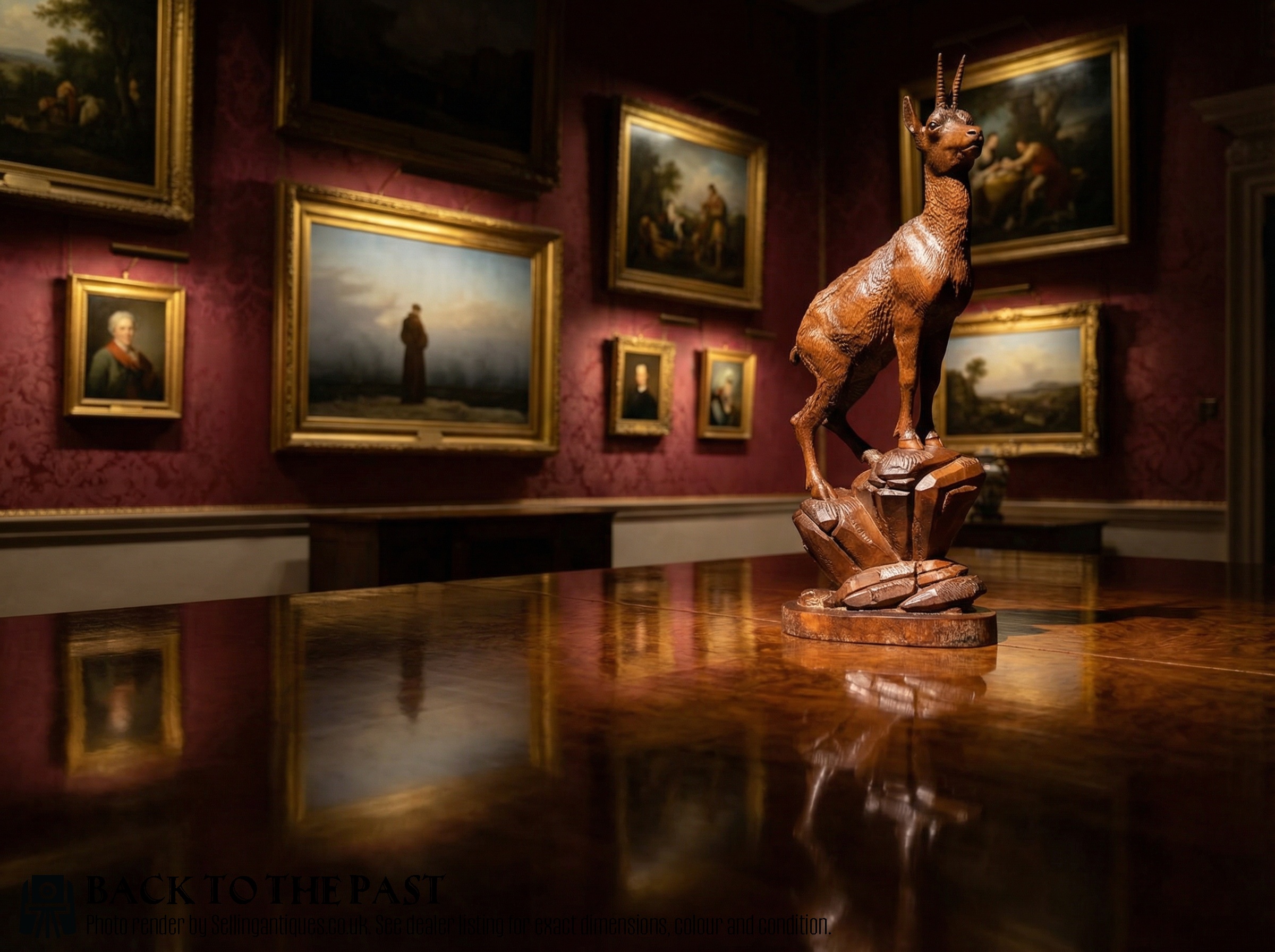
Among the carved figures, an attentive ibex and a stone man feeding geese keep permanent watch.
Evaluating the standard of execution
Quality rests on the depth and definition of the chisel work, distinguishing fluent, naturalistic modeling from stiff, mechanical repetition. Superior examples show careful attention to anatomical proportion in figures and sharp, undercut foliage on furniture frames.
The choice of raw material dictates the baseline potential of the piece, with well-figured timbers and flawless stone enhancing the visual impact of the carving. Artisanal competence appears in how harmoniously the carved ornament integrates with the underlying form of the object.
Gabriel-Frederic Viardot·Antonio Canova·Gillows·Holland and Sons
The Late Nineteenth Century Carving Glossary
- Relief carving
- A sculptural technique where figures or patterns project from a flat background. High relief involves significant depth, creating strong shadow play.
- Grand Tour
- A cultural journey undertaken by nineteenth-century Europeans to collect classical antiquities and copies of famous sculptures. Items from this tradition often replicate Italian marble or bronze masterpieces.
- Qing Dynasty
- The final imperial dynasty of China, spanning from sixteen forty-four to nineteen twelve. Pieces from this era often feature elaborate symbolic motifs in hardwood, jade, or lacquer.
- Linden wood
- A pale, close-grained timber favoured by European woodcarvers for its uniform texture. It permits extremely fine, detailed work without splintering.
- Ruyi sceptre
- A curved ceremonial object originating in China, typically shaped like a lotus cloud or lingzhi mushroom. They symbolise power and good fortune.
Late Nineteenth Century Carving: Frequently Asked Questions
What defines late nineteenth century carving?
Late nineteenth century carving refers to decorative objects and furniture produced in the closing decades of the eighteen hundreds. It encompasses both European revival styles and traditional Asian craftsmanship.
The items range from figural wood sculptures and alabaster figures to intricately ornamented tables and cabinets. Each piece displays the handcrafted detail typical of workshops before mass production dominated.
How do I identify different timber types?
Identifying timbers requires looking at grain patterns, colour, and weight. Mahogany and walnut offer deep, rich tones with distinct grain structures, while linden wood appears pale and uniform.
Exotic materials like padouk and ebony present unusual reddish or dark hues. Examining unpolished undersides or interior surfaces often reveals the true character of the wood.
Where were these carved pieces made?
The pieces originate from diverse geographical regions, reflecting global trade and aesthetic exchanges of the era. European workshops produced furniture and decorative figures in domestic woods.
At the same time, Chinese and Japanese artisans exported hardwood furniture, bronzes, and stone carvings. This international scope gives the category its varied visual vocabulary.
How should I care for carved wood?
Carved wood requires stable indoor humidity levels to prevent timber from cracking or warping. Keeping pieces away from direct heat sources and sunlight protects the finish and the natural moisture of the material.
Dusting regularly with a soft, dry cloth preserves the intricate crevices of the carving. Avoid using harsh chemical polishes that can build up in recessed areas.