


Brown Lindenwood Sculpture
Brown lindenwood sculpture delivers the rich character of nineteenth-century carving, bringing tactile animal and human forms into your room.
Brown Lindenwood Sculpture
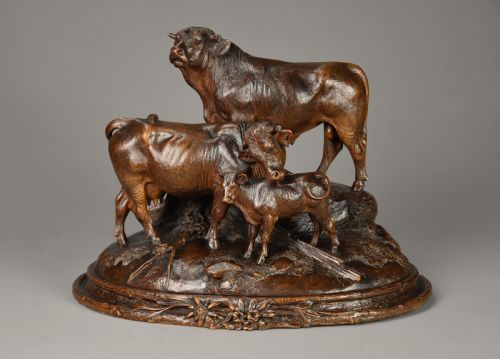
When you search for brown lindenwood sculpture, you encounter figural works originating primarily in the nineteenth century, including the eighteen eighties and eighteen nineties, alongside later pieces up to nineteen twenty. These pieces take the form of detailed animal groups, wall carvings, and large furniture elements such as umbrella stands and hall stands.
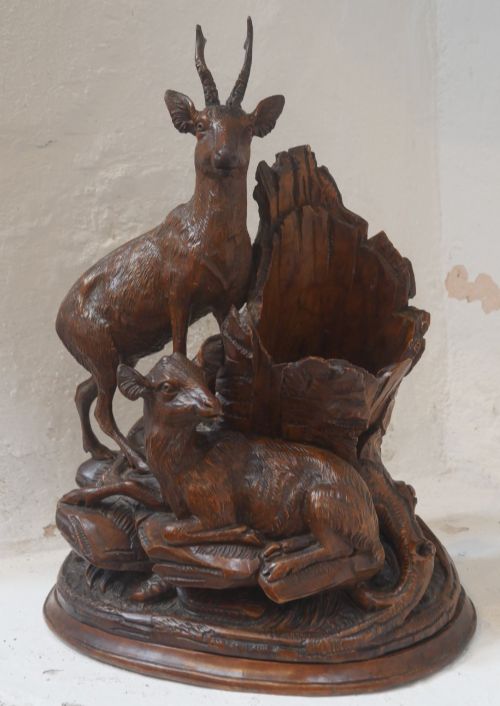
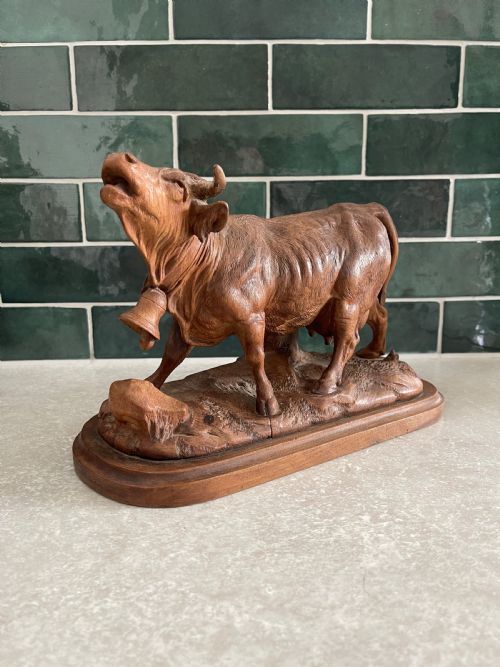
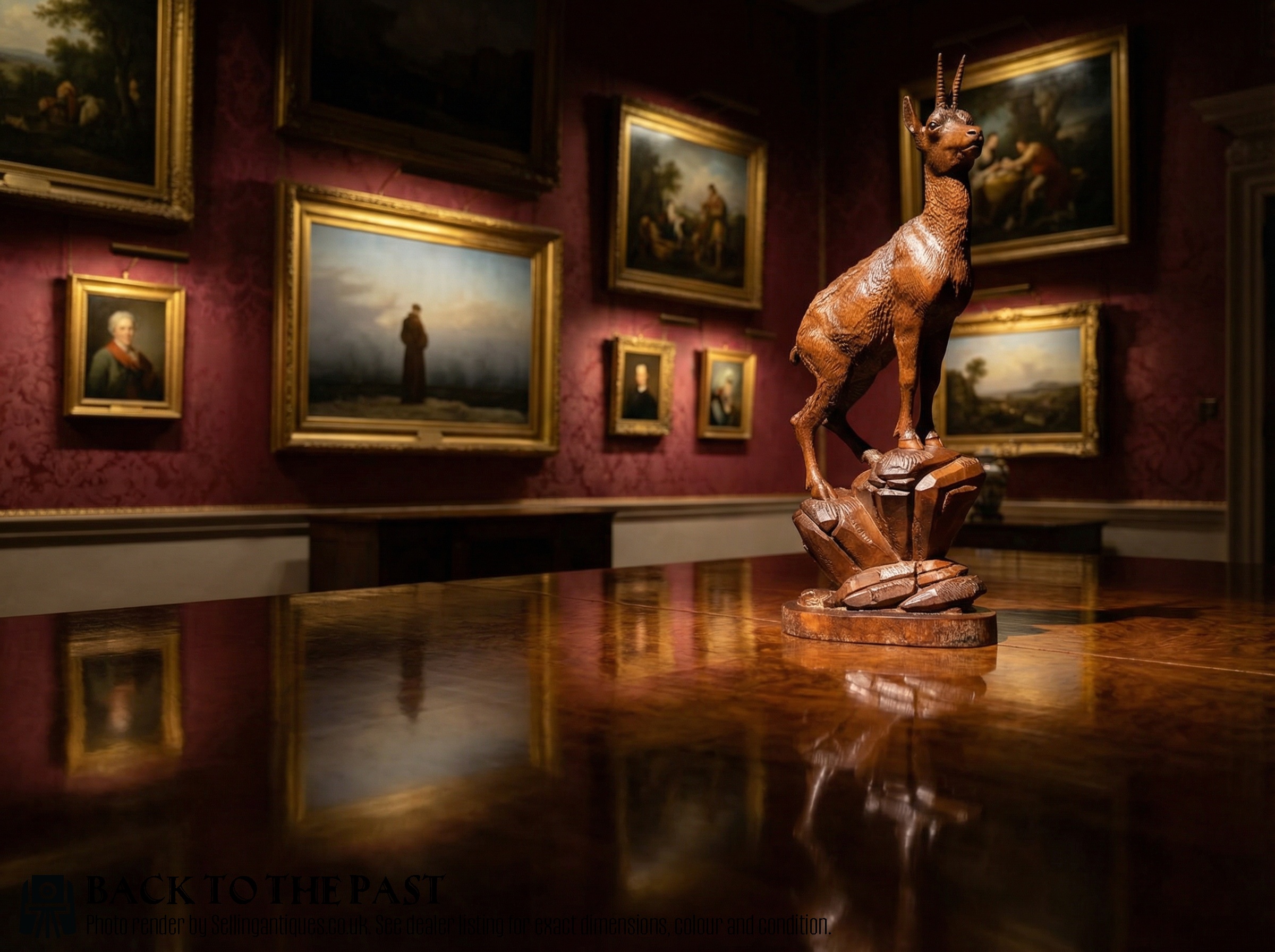
The aesthetic is rooted deeply in the Black Forest tradition, showing mountain goats, cattle, bears, foxes, and ibexes rendered with striking naturalism. Centrepieces and figurative studies like the limewood carving After the Bath also appear, reflecting both rustic alpine subjects and academic European styles.
The most common representations on this page are carved bears and alpine animals executed in linden wood, limewood, and occasional walnut or timber. These sculptures range from small tableaus of cattle to large hall stands incorporating naturalistic oak tree forms.
Materials and construction methods
These sculptures rely on the use of linden wood and limewood, prized by carvers for their fine, even grain and suitability for intricate detail. Artisans worked the timber using specialised chisels and gouges to build deep relief and fully rounded figures.
The surfaces are typically finished to expose the natural warmth of the brown wood, occasionally enhanced by darkening agents or waxes to accentuate the depth of the carving. Larger architectural forms, such as hall stands, integrate structural timber to support heavy items while maintaining continuous carved decoration.
Listings feature nineteenth-century and early twentieth-century works in lindenwood, limewood, and walnut.
Assessing quality in carved wood
Quality rests in the anatomical accuracy of the carving and the depth of the undercut work. Superior pieces display lifelike musculature, hair texture, and expressive postures in the animals, whereas simpler versions rely on generalized shaping.
The integration of the subject into functional forms like umbrella stands or centrepieces dictates the ambition of the maker. Exhibition pieces exhibit complex compositions with multiple figures and naturalistic background elements such as tree branches.
J Huggler·Hans Müller
The Brown Lindenwood Sculpture Glossary
- Lindenwood
- A pale timber native to Europe that takes fine detail well and darkens to a warm brown over time. It is synonymous with nineteenth-century alpine carving.
- Black Forest
- A regional style of decorative woodcarving originating in central Europe during the nineteenth century. It is characterised by realistic animals and rustic furniture.
- Undercutting
- A carving technique where timber is removed beneath a subject to create three-dimensional depth and separation from the background. This method distinguishes ambitious sculpture from flat relief work.
- Limewood
- An alternative term for linden wood used interchangeably in historical carving descriptions. It provides a stable and consistent medium for intricate figurative work.
Brown Lindenwood Sculpture: Frequently Asked Questions
What subjects do these sculptures depict?
The pieces predominantly show alpine animals such as bears, cattle, mountain goats, foxes, and ibexes. Human figures and allegorical studies also appear.
These subjects reflect the romantic interest in nature and rural life popular during the nineteenth century.
How were umbrella stands used?
Hall stands and umbrella stands served as functional furniture in grand nineteenth-century entrance halls. They held wet walking sticks and umbrellas while greeting visitors with striking naturalistic carvings.
Their substantial size allowed carvers to incorporate tree trunks and woodland animals into practical household items.
How do I care for lindenwood sculpture?
Keep wooden sculptures away from direct heat sources and strong sunlight to prevent the timber from drying out and splitting. Dust them gently with a soft, dry brush.
A light application of appropriate wood wax helps maintain the surface sheen without building up heavy residues.
How do I identify the period?
Dating relies on stylistic markers such as the naturalistic movement of the Black Forest tradition and specific signatures or stamps on the timber. Nineteenth-century examples often feature deep, confident undercutting and substantial scale.
Comparative study of known workshop styles helps place unsigned pieces within the correct decades.