

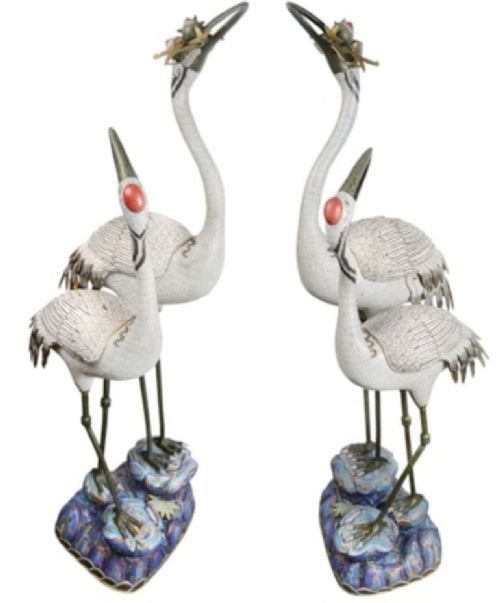
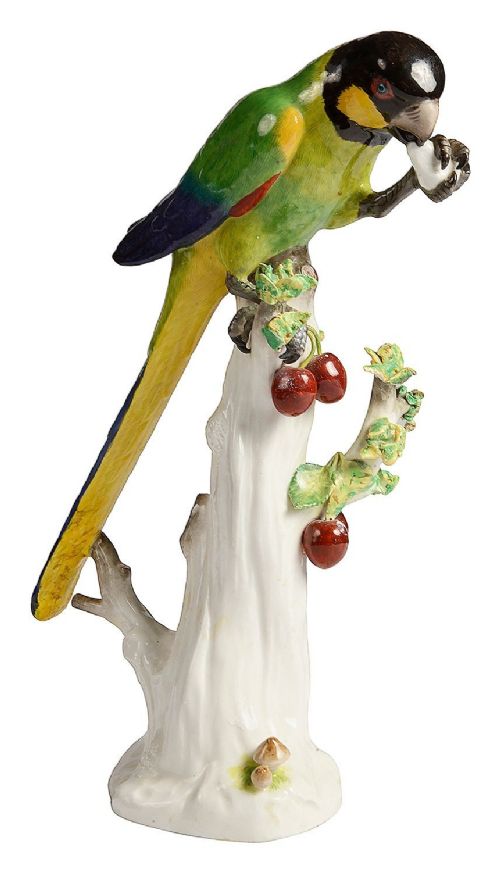
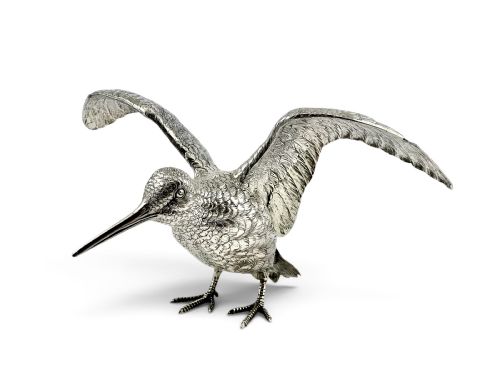
Antique Bird Sculpture
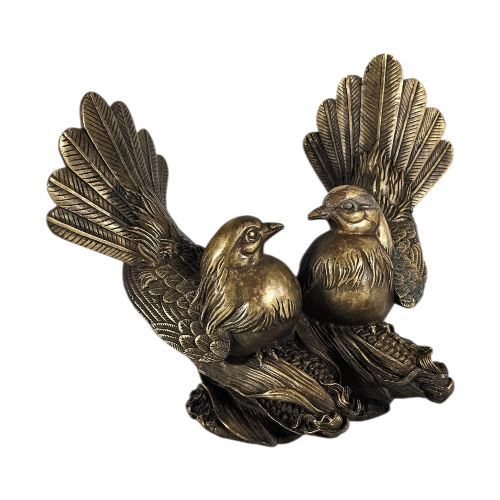
These antique bird sculptures bring character and naturalism indoors, offering carved timber and cast bronze figures that anchor a room.
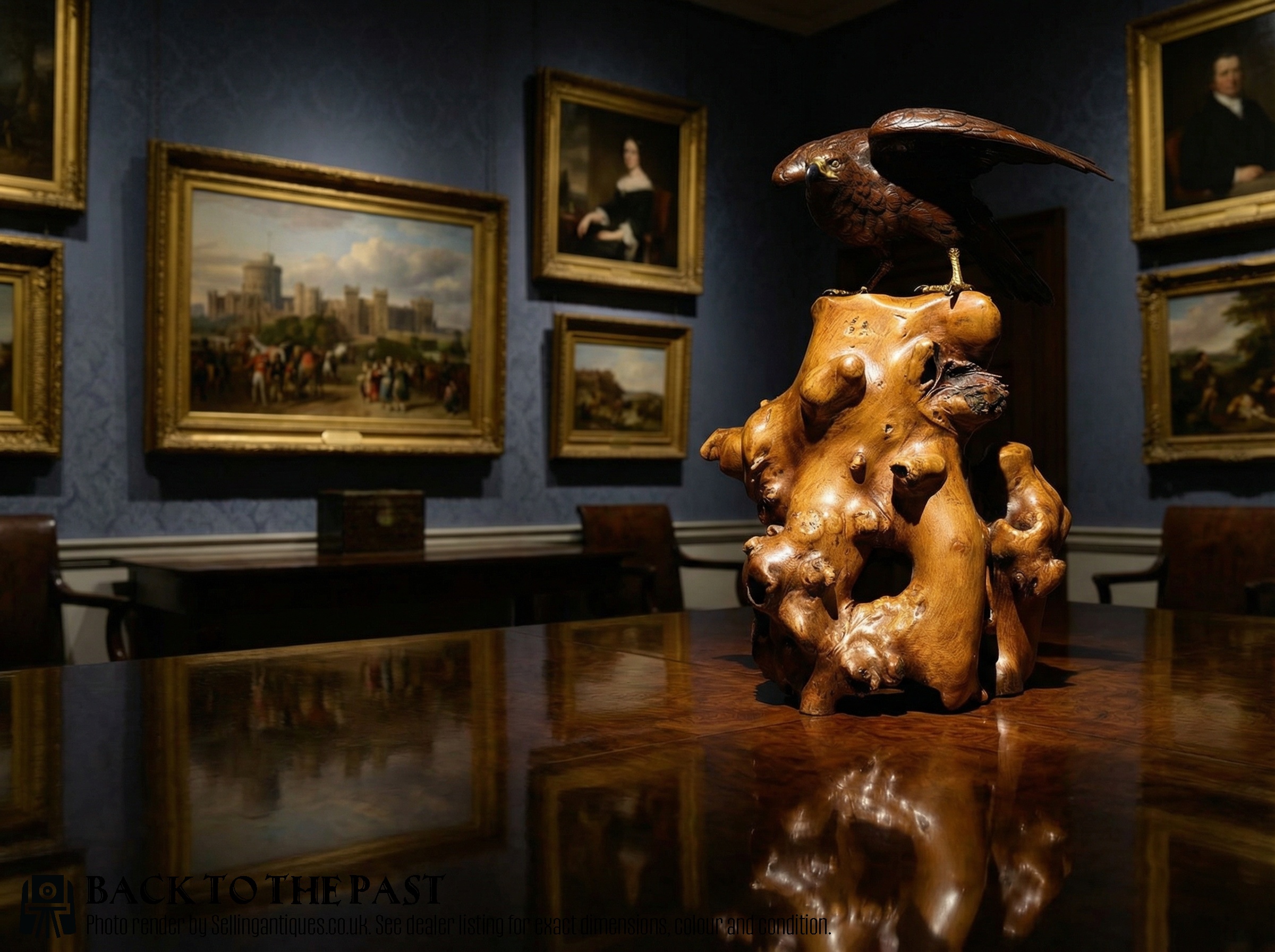
What antique bird sculptures are
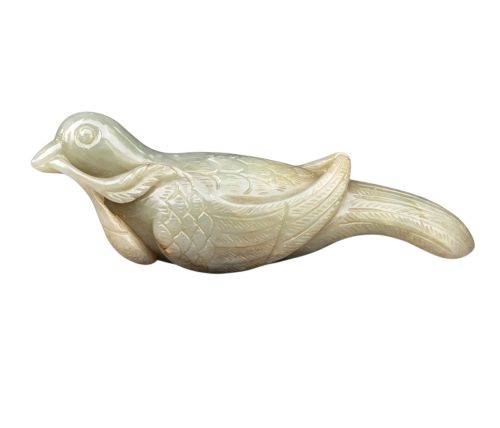
Searching for an antique bird sculpture reveals a diverse group of decorative figures spanning the nineteenth century and the early twentieth century. These pieces encompass European carvings, working decoys, and foundry casts representing species from eagles to pigeons.
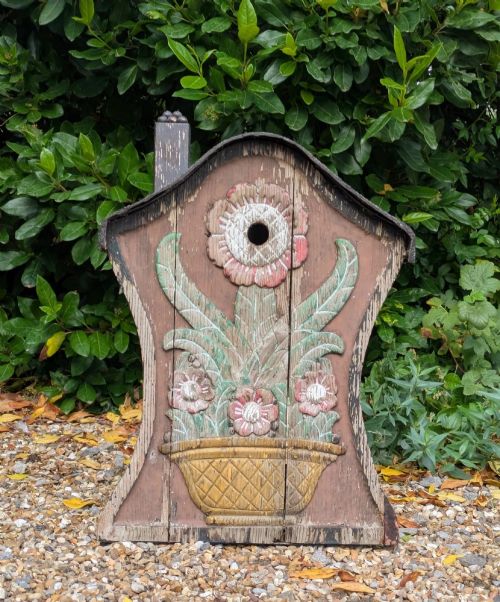
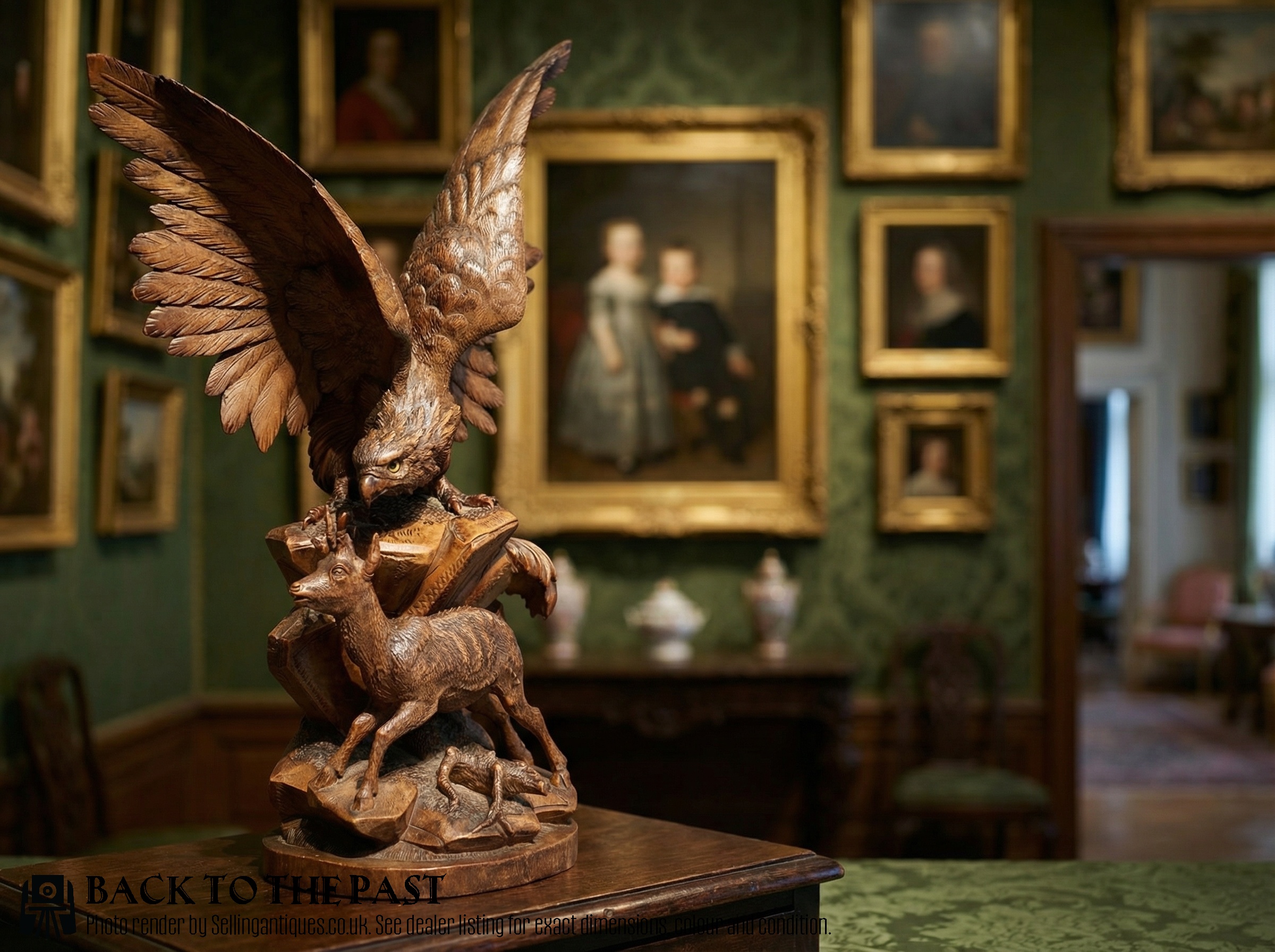
The most common examples encountered on this page are carved wooden sculptures from the Black Forest tradition and working folk art decoys. These objects range from imposing raptors to quiet study pieces in timber and bronze.
Origins stretch across European workshops, British and continental folk traditions, and Japanese Meiji period metalwork. Buyers find everything from utilitarian waterfowl to finely patinated animalier bronzes.
How they were made
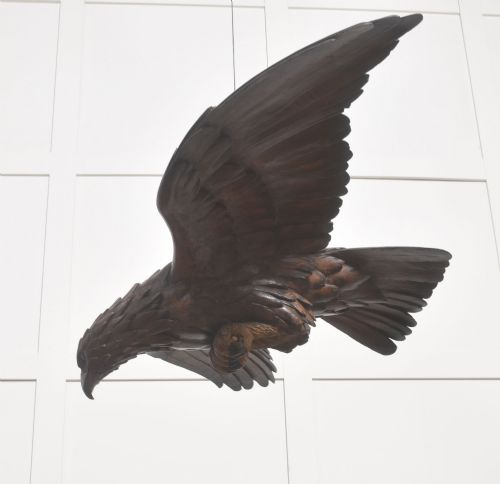
Carved timber sculptures utilise walnut, dark stain, and general woods shaped with hand chisels and gouges to render feather texture and anatomical form. Many pieces incorporate applied paint finishes or natural wax surfaces to protect the grain.
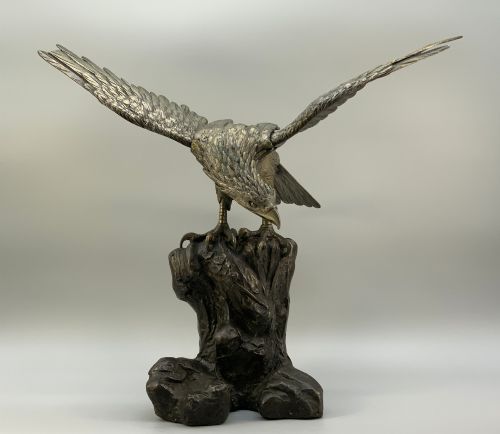
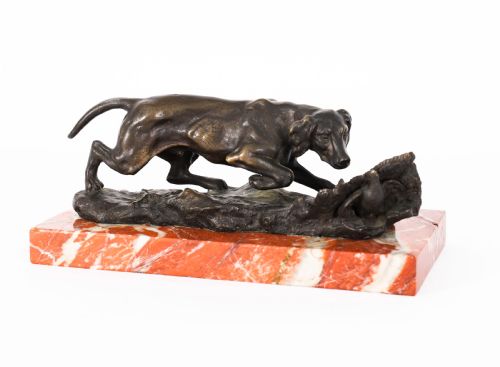
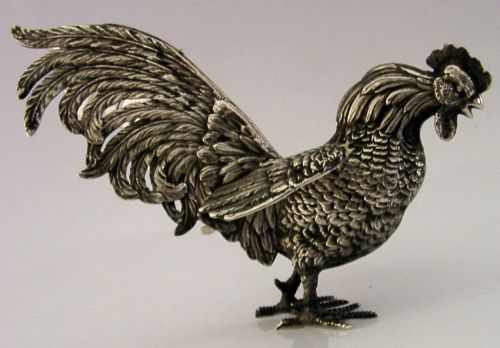
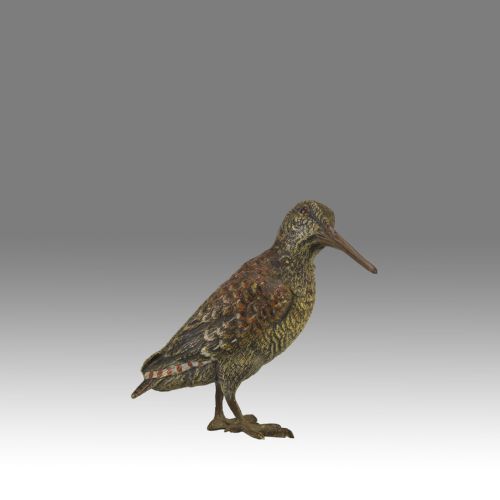
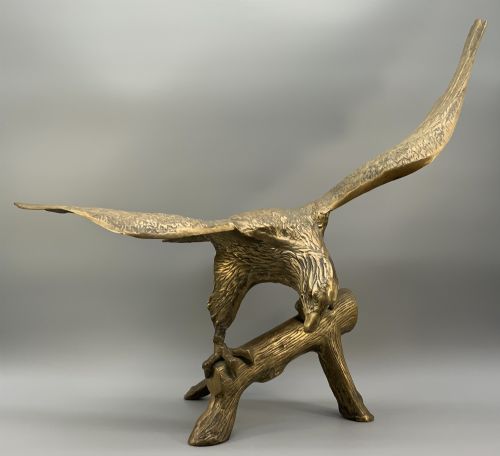
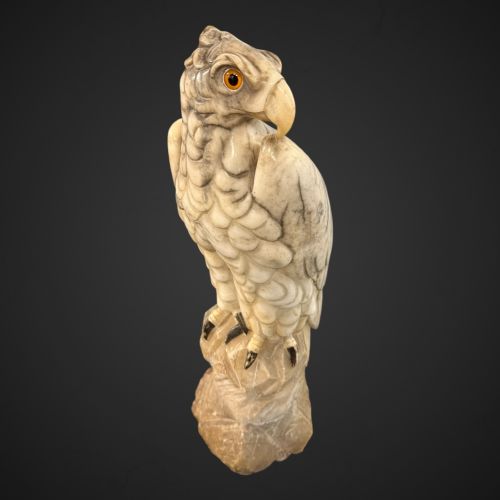
Bronze figures rely on traditional foundry casting techniques, capturing fine feather detail in metal before receiving dark patination or placement on Carrara marble plinths. Glass also appears in specific sculptural contexts.
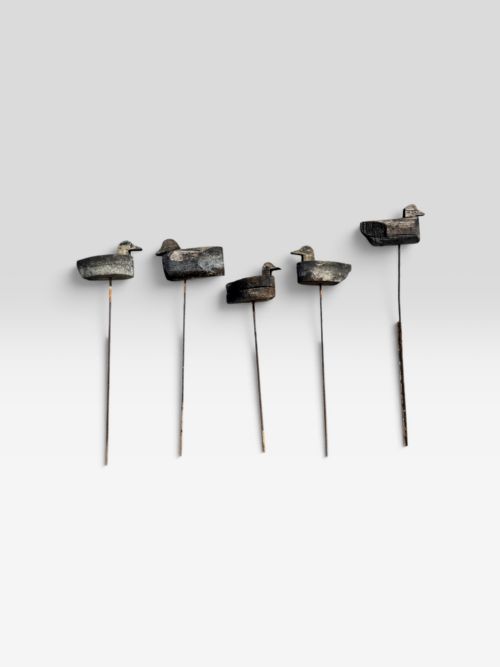
Folk art decoys combine simple construction methods with functional weighting and working paint schemes designed to endure outdoor use while maintaining convincing silhouettes.
Retail Price Guide 2026
Typical UK retail prices for bird sculpture, calculated from the Sellingantiques database of over a million retail prices indexed since 2003. This retail price guide relies exclusively on Sellingantiques data; no external sources or auction records are used, so the figures do not describe the wider market.
Periods represented across the available inventory span the nineteenth century and nineteen hundred.
What varies in quality
Quality separates through anatomical precision and the liveliness of the carving or casting. A superior piece captures the tension in a hawk's wing or the specific posture of a heron rather than relying on generic outlines.
Surface preservation dictates value, where original paint on folk decoys or deep, untouched patination on nineteenth-century bronzes maintains the integrity of the object. Heavy modern restoration or scrubbed timber surfaces diminish this historical depth.
The sophistication of the maker's signature or regional school elevates certain bronzes, while vernacular carvings stand out through robust individuality and honest tool marks.
P J Mêne
The Antique Bird Sculpture Glossary
- Animalier
- A nineteenth-century artistic movement focusing on realistic depictions of animals, particularly associated with French bronze sculptors. Figures in this style emphasise accurate muscle structure and natural behaviour.
- Black Forest carving
- Woodworking originating from the mountainous region of central Europe, noted for deeply carved animal and botanical subjects. These pieces frequently utilise walnut and dark-stained timber.
- Decoy
- A carved wooden or composite bird used historically by hunters to attract waterfowl. Working examples display functional forms and weathered working paint.
- Meiji period
- The era of Japanese history lasting from eighteen sixty-eight to nineteen twelve, known for exceptional metalwork and bronze casting. Japanese bronzes from this time often exhibit meticulous surface detail.
- Carrara marble
- A type of white or blue-grey marble from Italy, frequently utilised for sculptural plinths and bases. It provides a heavy, contrasting foundation for bronze bird figures.
Frequently Asked Questions
What materials were used for these sculptures?
Makers utilised carved wood, walnut, dark stain, bronze, Carrara marble, and glass across these nineteenth and early twentieth-century pieces.
Folk art items often feature painted wooden surfaces, while Japanese and European animalier sculptures showcase patinated bronze.
How do I identify a decoy?
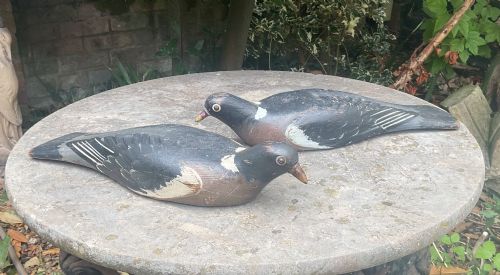
Decoys were created as working objects for hunting rather than purely decorative parlour ornaments. They display robust wooden construction and simple working paint.
Pigeons and geese from around nineteen hundred represent this utilitarian tradition on the page.
What is Black Forest carving?
Black Forest carving is a nineteenth-century woodcarving tradition originating in central Europe. These works are typically rendered in walnut or dark-stained timber.
They frequently depict eagles and other wildlife with deep, textured plumage.
Where were bronze bird sculptures made?
Bronzes originate from European workshops and Japanese Meiji period foundries. French animalier sculptors produced detailed studies of birds like pheasants and herons.
Japanese artists created refined bronze hawks with intricate feather work.