


Vintage Hunting Decoy
These vintage hunting decoy pieces bring rugged folk art character to a room, shaped from timber and painted by hand.
Vintage Hunting Decoy
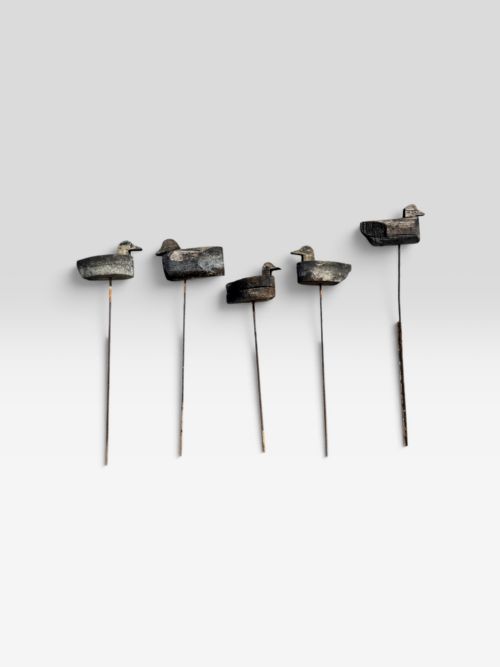
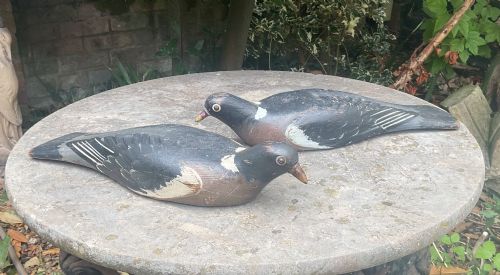
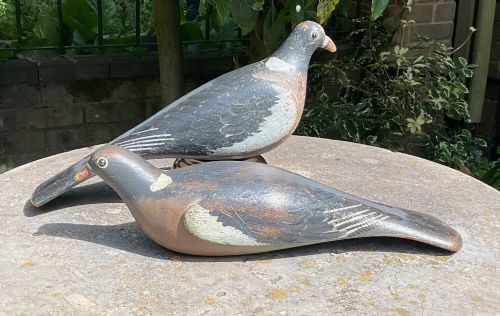
Vintage hunting decoy pieces are working carvings created to attract birds, now collected as sculptural folk art. When you search for vintage hunting decoy examples, you encounter waterfowl and pigeon forms shaped for utilitarian field use during past centuries.
Most items emerge from English folk art traditions, spanning simple turned wood bird calls to carefully carved and painted wooden decoys. Each piece carries the distinct marks of its working life in the field, making them engaging display objects for interiors.
How they were made
Carvers shaped these decoys from solid timber, hardwood, and carved wood, often utilising simple hand tools to achieve the essential silhouette of a duck, goose, or pigeon. The wood was selected for durability and weight in the field, resulting in robust forms that survive generations of handling.
Surface finish is integral to their construction, with makers applying layers of paint over the bare wood to simulate natural plumage. Over decades, this paint has weathered, crazed, and chipped to reveal the timber beneath, creating a tactile patina that defines the visual appeal of each piece.
Vintage Hunting Decoy Retail Price Guide 2026
Typical asking prices for vintage hunting decoy among the pieces listed under this phrase on Sellingantiques today, from the lower quarter to the upper quarter. They describe what is for sale here now, not the wider market.
Some unsuspecting pigeons in this collection spent a century waiting in damp hides before finally being promoted to the mantelpiece.
What varies in quality
Quality in these carvings rests upon the strength of the original silhouette and the character of the remaining paint surface. A superior piece displays confident carving that captures the alertness of the bird without unnecessary detail.
The integrity of the aged paint layer distinguishes standard examples from exceptional ones. Original untouched pigment that has weathered naturally through decades of exposure carries far more visual presence than later overpainting.
The Vintage Hunting Decoy Glossary
- Folk art
- Artistic work created within a traditional culture by self-taught makers, often serving a practical function rather than academic display. These decoy carvings are prime examples of utilitarian rural craft appreciated as sculpture.
- Treen
- Small handmade wooden domestic objects and treen items produced before the advent of modern plastics. This category includes utilitarian items like bird calls associated with shooting and decoy work.
- Patina
- The surface sheen and coloration developed through age, handling, and environmental exposure on wood and paint. On decoys, a genuine worn patina indicates long service and authentic age.
- Decoy
- A carved or moulded replica of a bird used to attract live game within range of a hunter. In modern settings, these working objects function purely as decorative sculptures.
Vintage Hunting Decoy: Frequently Asked Questions
How were hunting decoys originally used?
Shooters placed these wooden birds on water or in fields to lure migrating flocks within gun range. Their simple forms and painted markings were designed to look convincing from a distance.
Once retrieved, they were stored in barns or outbuildings until the next season, which explains the honest wear and weathered paint found on surviving examples today.
How do I date a wooden decoy?
Dating relies on examining the construction marks, the type of timber used, and the composition of the paint layers. Nineteenth-century pieces often show deeper tool marks and heavier timber construction.
Edwardian and later twentieth-century examples tend to feature more refined shaping and different pigment mixtures, though weathering can sometimes blur these distinctions.
Where should I display a decoy?
These carved birds suit simple surfaces where their sculptural silhouette and weathered paint can be appreciated without competition. A bookshelf, mantelpiece, or side table provides an ideal setting.
Keep them away from direct heat sources and strong sunlight to protect the fragile historic paint surfaces from further degradation.
Are all these decoys English origin?
The pieces recorded here reflect English folk art traditions from the nineteenth and early twentieth centuries. Local makers produced them using native timbers and traditional hand-painting methods.
Regional variations in shape and pigment reflect the specific preferences of makers working across different rural districts.